Nutty Putty Cave: The Tragic Story Beneath Utah’s Ground
Introduction
Hidden beneath the surface of Utah lies a cave that has fascinated adventurers, geologists, and thrill seekers for decades: the Nutty Putty Cave. Known for its soft, clay-like walls and narrow passageways, this cave was once a popular destination for local explorers. But after a tragic event in 2009, it became a solemn reminder of the dangers that come with caving.
This article explores everything about this Cave, its discovery, structure, tragic closure, and the lessons it left behind. Whether you’re interested in caving history, natural formations, or real-life adventure stories, This Cave offers a mix of wonder and warning.
The Discovery and Location of Nutty Putty Cave
Where Is Nutty Putty Cave?
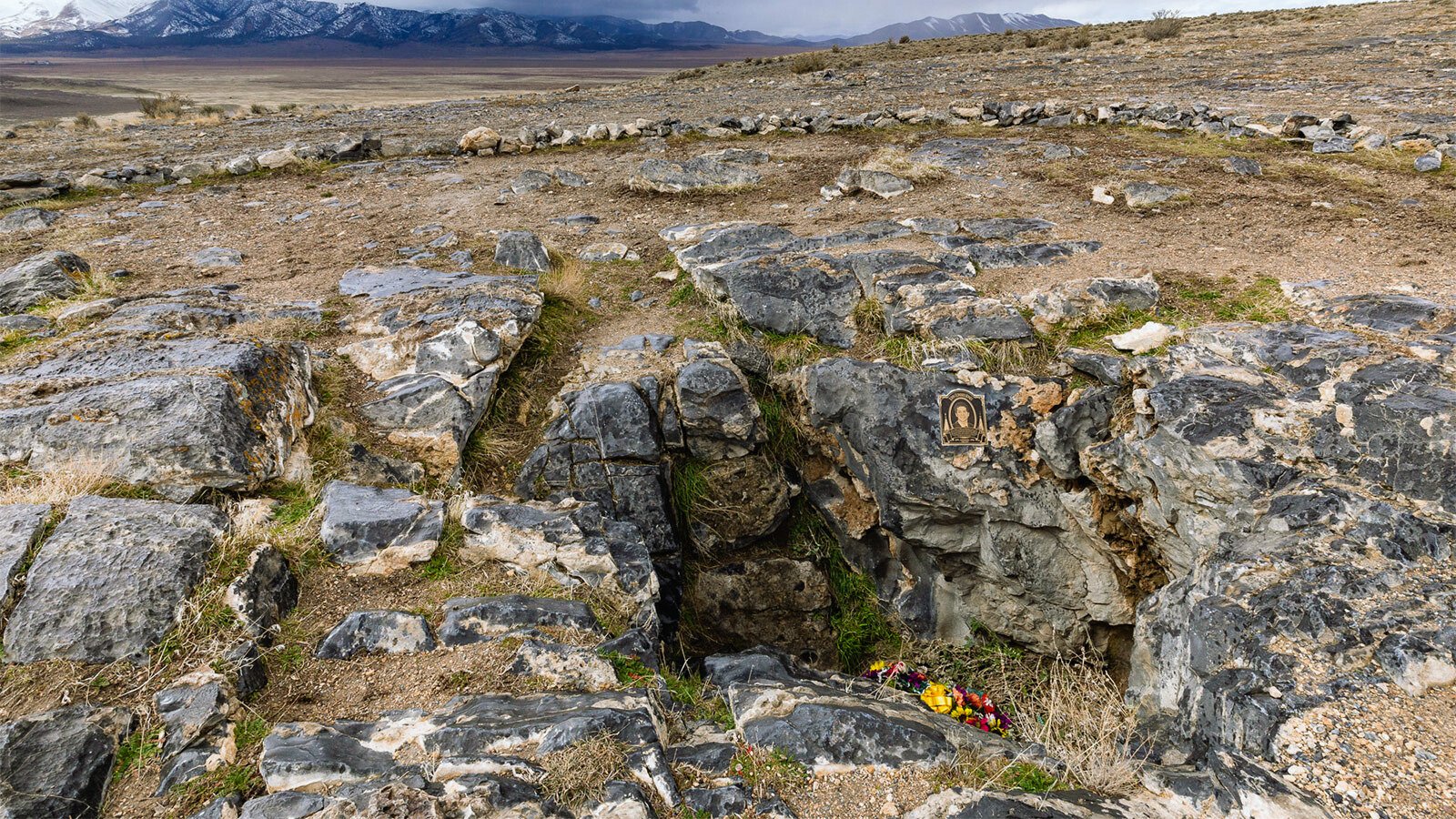
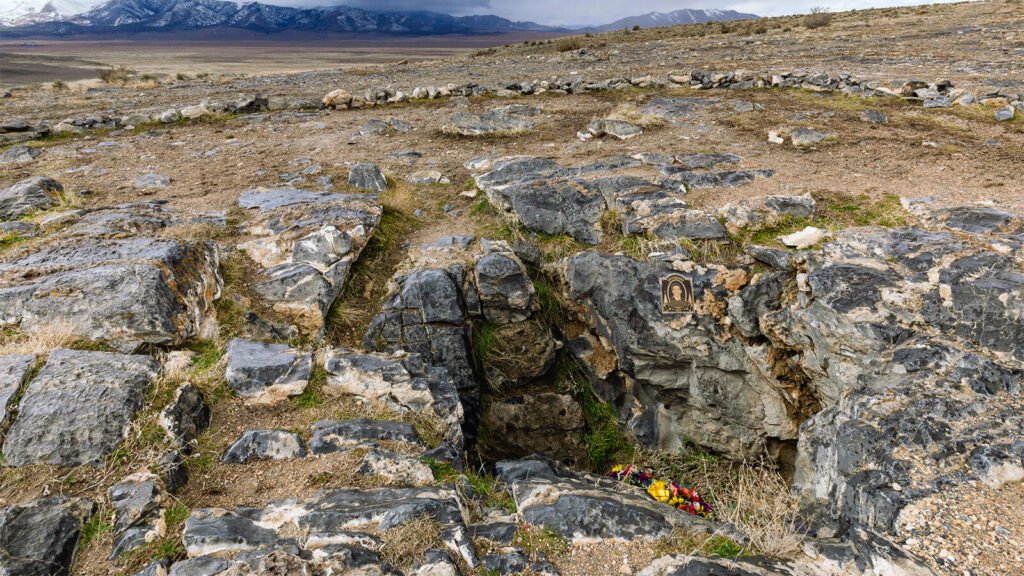
“Nutty Putty” is located in Utah County, Utah, near Utah Lake and about 55 miles southwest of Salt Lake City. It sits on a hill in an area known for its limestone formations and underground channels.
How the Cave Got Its Name
Discovered in 1960 by a man named Dale Green, the cavern was named “Nutty Putty” because of the soft, putty-like clay coating its walls. The texture made crawling inside both challenging and slippery, an unusual feature that quickly caught the attention of cave explorers.
A Popular Spot for Adventurers
Throughout the 1960s and early 2000s, Nutty Putty became a favorite destination for local spelunkers, geology students, and scout groups. It wasn’t a commercial “show cave” with guided tours or lights; it was raw, natural, and thrilling. Adventurers crawled through narrow tunnels, slid down muddy slopes, and discovered unique rock formations.
Inside Nutty Putty Cave: Structure and Layout
The Maze-Like Design
This cave is approximately 1,300 feet long, featuring multiple passages, chambers, and twists. Some of its sections are extremely tight, requiring explorers to crawl on their bellies. It’s not a cave for the faint of heart. One wrong turn could leave you wedged in a space barely wider than your shoulders.
Famous Sections of the Cave
Many of the cave’s passages have colorful nicknames:
- The Birth Canal – a narrow passage that squeezes explorers through a tight curve.
- Scout Trap – a tight section named after Boy Scout groups that used to visit.
- The Big Slide – a steep, muddy slope that leads deeper into the cave.
- The Maze – a confusing network of small tunnels branching in multiple directions.
These parts made Nutty Putty both exciting and dangerous, especially for inexperienced explorers.
Geological Formation
The cave was formed by the slow dissolution of limestone rock over thousands of years. Underground water, rich with carbon dioxide, gradually carved tunnels and chambers. The moist, clay-filled walls that inspired its name are the result of minerals and sediments building up over time.
The Tragic 2009 Incident
Who Was John Edward Jones?
In November 2009, John Edward Jones, a 26-year-old medical student and experienced caver, entered this Cave with his family. The trip was meant to be a fun pre-Thanksgiving adventure. However, it turned into one of the most tragic incidents in caving history.
The Fatal Mistake
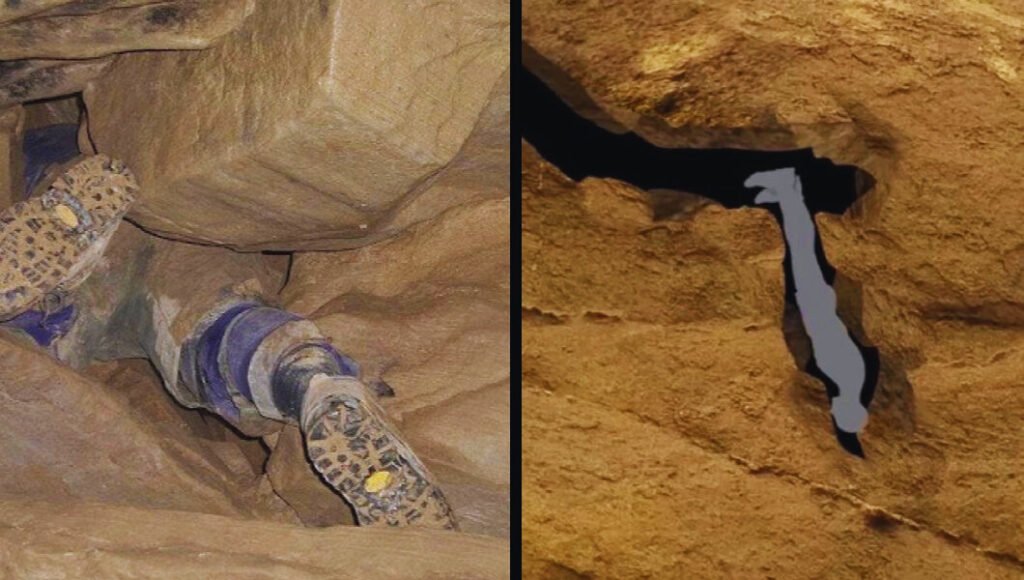
While exploring, John mistakenly entered a tight, unmapped tunnel that he believed was the “Birth Canal.” As he crawled deeper, the tunnel became narrower. He found himself trapped upside down in a space only about 10 inches high and 18 inches wide, impossible to turn around or back out.
The Rescue Attempt
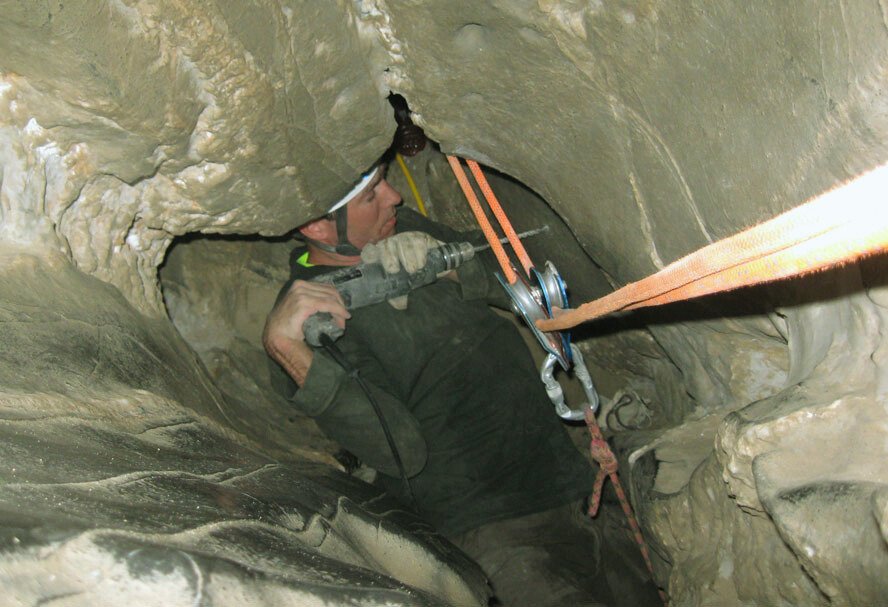
Rescuers worked for over 28 hours using ropes, pulleys, and drills to free him. More than 100 people participated in the mission, guided by the cave’s map. Despite their best efforts, the rescue became too dangerous. Tragically, John passed away from cardiac arrest due to his position and restricted breathing.
Permanent Closure of the Cave
After the incident, Utah County officials decided to seal Nutty Putty Cave permanently. In December 2009, concrete was poured into the entrance, making it John’s final resting place. The closure sparked widespread discussion about cave safety and the limits of human exploration.
Lessons Learned from Nutty Putty Cave
The Importance of Preparation
The tragedy of Nutty Putty emphasizes the importance of preparation and safety in caving. Explorers should always:
- Study detailed maps before entering.
- Go with experienced guides.
- Use the right gear (helmets, lights, ropes).
- Inform others of their plans.
Understanding Cave Types
Caves like Nutty Putty are called wild caves, meaning they aren’t modified for tourism. These caves are natural, unpredictable, and often hazardous. Unlike commercial caves such as Mammoth Cave or Carlsbad Caverns, wild caves lack lighting, signage, and easy exits.
Respecting Nature’s Limits
Nature is powerful and unpredictable. The closure of Nutty Putty serves as a reminder that curiosity should always be balanced with caution. Sometimes, respecting nature means knowing when to stay out.Nutty Putty Cave’s Legacy
A Lesson in Caving Safety
Even though Nutty Putty is now sealed, it continues to be a teaching example for cavers and rescue teams worldwide. Many caving clubs use the story of John Jones to train new explorers in safety protocols and risk management.
The Map and Digital Models
Before it was closed, 3D models and maps of Nutty Putty were created for educational use. These digital recreations help geology students understand the structure and dangers of narrow limestone caves without physical risk.
Continued Public Interest
Searches for “Nutty Putty Cave” remain high online, showing that the story continues to capture global attention. The mix of natural wonder, tragedy, and human courage makes it unforgettable. The cave’s story has also inspired documentaries, short films, and articles dedicated to preserving its memory.
Comparing Nutty Putty Cave with Other Caves
Show Caves vs. Wild Caves
In comparison to tourist caves like Luray Caverns or Mammoth Cave, Nutty Putty was entirely natural. There were no paths, lights, or tour guides, only darkness and mud. While show caves focus on beauty and accessibility, wild caves like Nutty Putty emphasize challenge and survival.
Other Dangerous Caves in the World
Nutty Putty isn’t the only cave with a dark reputation. Around the world, places like Eagle Cave in Wisconsin and Cueva del Diablo in Mexico are known for their risks. However, Nutty Putty’s tragic story stands out because it happened in a popular recreational spot within a Tier-One country.
Frequently Asked Questions
Q1: Can I visit Nutty Putty Cavern today?
No. The cave has been permanently sealed since 2009 for safety reasons.
Q2: Where exactly is Nutty Putty Cavern located?
It is near Utah Lake in Utah County, about 55 miles from Salt Lake City, USA.
Q3: Why was the cave sealed?
It was sealed following the tragic death of John Edward Jones to prevent further accidents.
Q4: Are there any 3D models or maps available?
Yes. 3D recreations and maps exist online for educational and safety training purposes.
Q5: What made Nutty Putty so dangerous?
Its tight, twisting passages made movement difficult, and one wrong turn could trap explorers in narrow spaces.
Conclusion
The Nutty Putty Cave story is both heartbreaking and unforgettable. What started as an exciting adventure site ended in tragedy, one that changed how people view underground exploration. Yet, even in its silence, the cave continues to teach important lessons about respect for nature, preparation, and the limits of human endurance.
Though sealed forever, Nutty Putty remains a powerful symbol of curiosity, courage, and the fine line between exploration and danger. Its legacy reminds us that while nature’s beauty is worth exploring, it should always be approached with knowledge, respect, and care.
For more information about this incident, visit thecavee.com