Mammoth Cave: A World’s Longest Cave System
Introduction
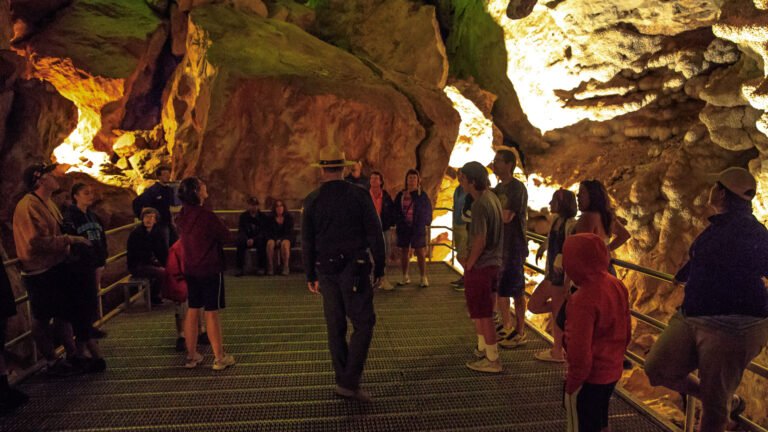
Mammoth Cave is one of the most fascinating natural wonders in the world. It’s not just a hole in the ground but a massive underground labyrinth filled with mysterious tunnels, impressive rock formations, and ancient history. For centuries, it has drawn explorers, scientists, and adventurers eager to uncover its secrets.
This article explores the incredible story of Mammoth Cavern, how it formed, its geological beauty, its role in history, and what makes it one of the most extraordinary underground places on Earth.
What Is Mammoth Cave?
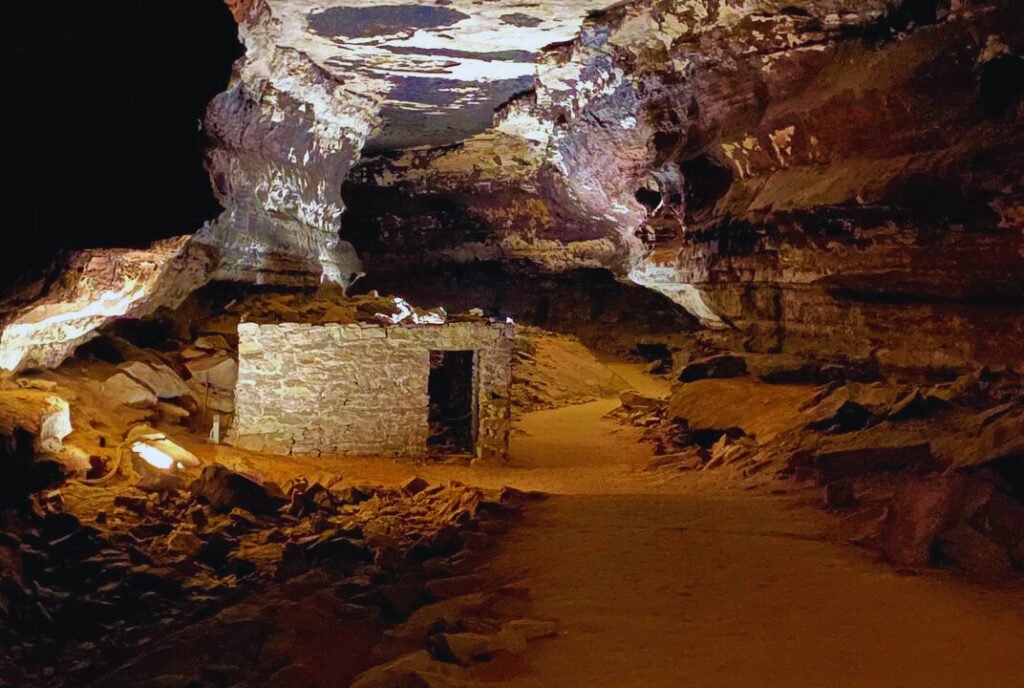
Mammoth Cave is known as the world’s longest cave system, stretching for hundreds of miles beneath the surface of Kentucky, USA. What makes it truly special is not only its length but also its complex network of passages, chambers, and unique geological features.
The cave has been explored for more than 200 years, and yet new tunnels and passages are still being discovered today. Scientists believe that there may be hundreds of additional miles yet to be mapped.
The word “Mammoth” doesn’t refer to the prehistoric animal but instead describes the cave’s enormous size. It is, quite literally, mammoth in scale.
How Was Mammoth Cave Formed?
The creation of Mammoth Cavern began millions of years ago through a natural process known as limestone dissolution. When rainwater mixed with carbon dioxide from the atmosphere, it formed a weak acid. Over time, this acidic water seeped through cracks in the limestone bedrock, slowly dissolving it and expanding the cracks into large tunnels and chambers.
This process took millions of years. As underground rivers flowed through these spaces, they continued shaping the cave into the complex system we see today.
Even now, water continues to carve out new passages, reminding us that this Cave is still a living and evolving part of the Earth’s geology.
The Geological Beauty of Mammoth Cave
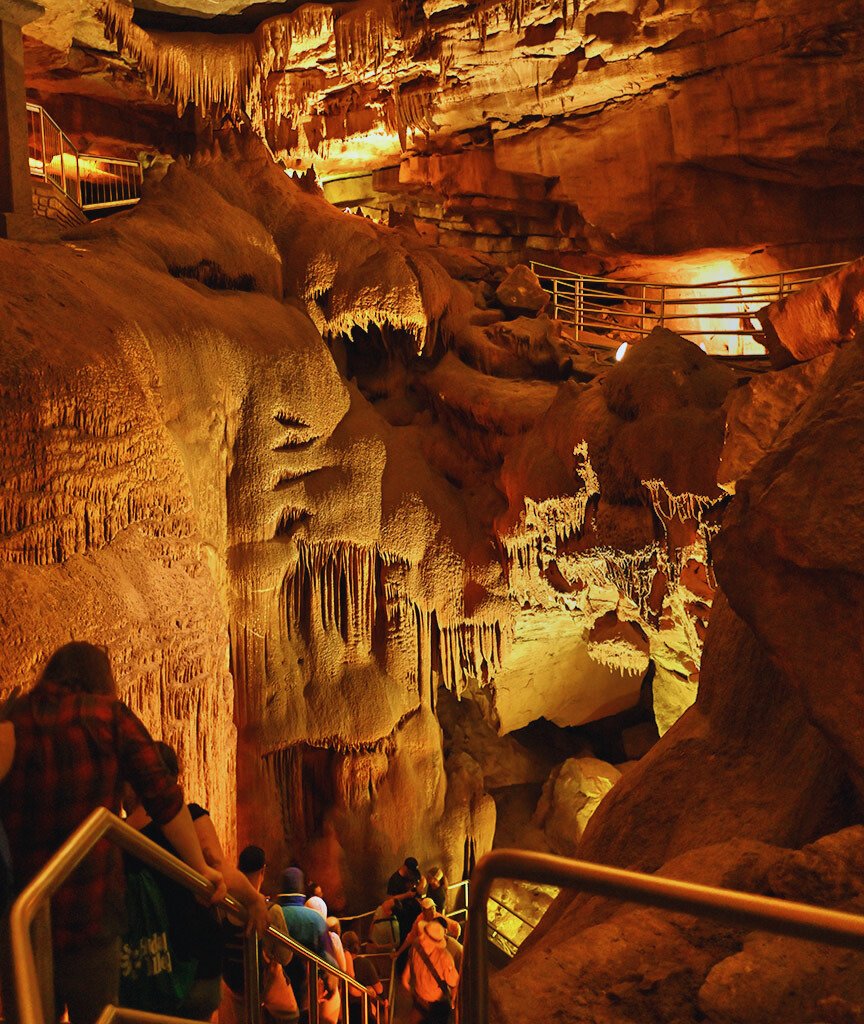
One of the most striking features of this Cave is its stunning variety of formations. The walls and ceilings are covered with natural sculptures created by minerals over countless years.
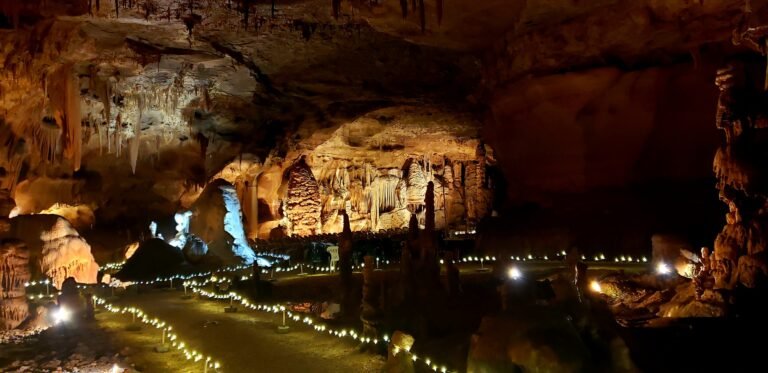
Stalactites hang from the ceiling like icicles, while stalagmites rise from the ground. In some areas, these formations meet to form columns that look like stone pillars in an ancient temple. Flowstone formations, created by minerals left behind by dripping water, shine with an almost glassy texture when light hits them.
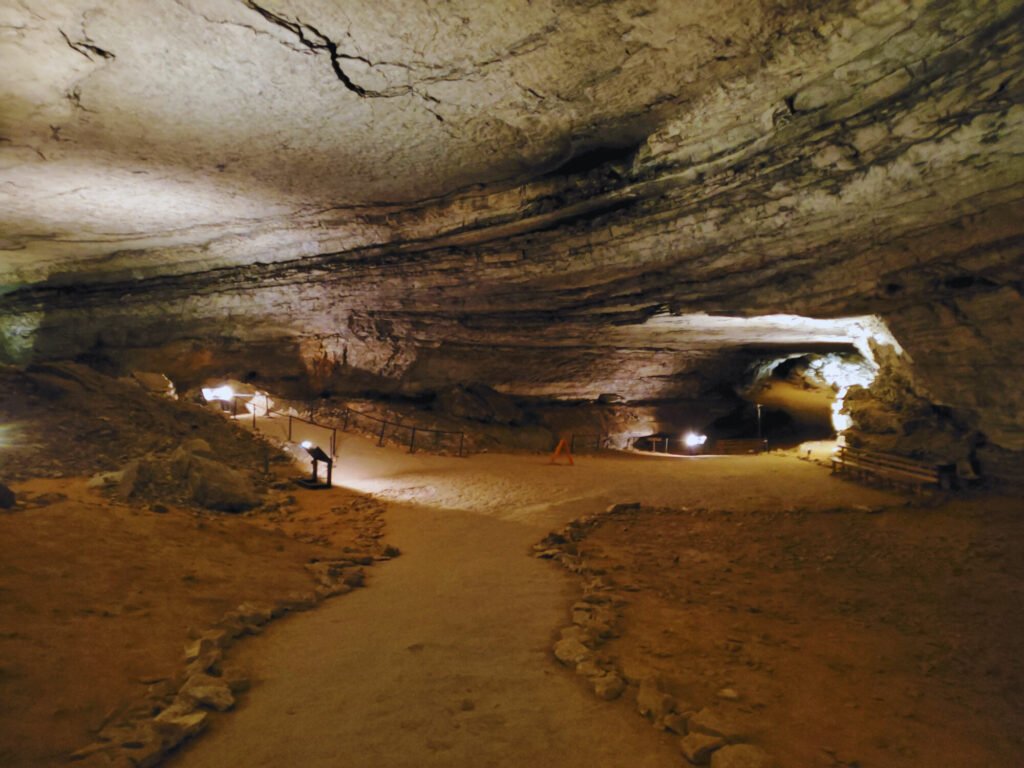
Each chamber in this Cave tells a different story. Some are narrow and winding, while others open into vast rooms large enough to fit entire buildings.
Early Discoveries and Human Connection
Mammoth Cavern has a long and fascinating human history. Evidence shows that Native Americans explored the cave thousands of years ago, long before European settlers arrived. Archaeologists have found ancient torches, tools, and even mummified remains deep within its passages.
In the early 19th century, settlers began exploring Mammoth more extensively. Local explorers mapped the passages by torchlight and began offering tours to curious visitors. Some of these early guides were enslaved African Americans who became skilled cave explorers, such as Stephen Bishop, one of the most famous early guides. His maps and discoveries helped reveal the true size and complexity of the cave.
Unique Ecosystem Inside Mammoth Cave
Despite being underground, This Cave is alive with creatures that have adapted to its dark and quiet environment.
Blind fish, eyeless shrimp, and tiny insects live in the underground rivers and pools. These animals have evolved over thousands of years to survive without light, developing heightened senses to detect food and movement.
Bats are another important part of the Mammoth ecosystem. They use the cave’s stable temperatures to rest and raise their young. The health of these bat colonies helps scientists monitor the cave’s environmental balance.
The cave’s ecosystem is fragile, and every visitor’s footsteps can have an impact. That’s why modern explorers and scientists work hard to protect it from pollution and human interference.
Mammoth Cave and Scientific Research
Beyond tourism and exploration, Mammoth is also a natural laboratory for scientists. Researchers study their geology, hydrology, and biology to learn more about how caves form and how underground ecosystems work.
Because of its size and diversity, This Cave offers unique opportunities for studying groundwater systems, mineral deposits, and ancient fossils. Some scientists also study microorganisms found deep in the cave that can survive in extreme conditions—offering clues about how life might exist on other planets.
The cave’s constant temperature, humidity, and isolation make it an excellent location for long-term environmental studies.
Exploring the Underground World
Exploring This Cave is like stepping into another world. Its size and variety make it ideal for every kind of visitor—from casual tourists to expert cavers.
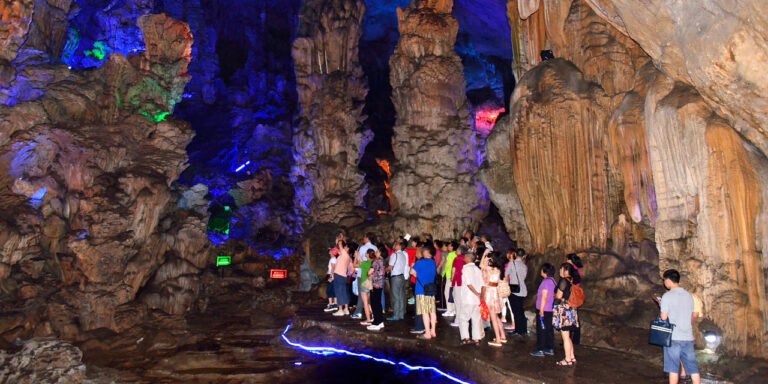
Visitors can walk through enormous chambers, climb narrow passages, and see incredible rock formations that have taken millions of years to form. Some sections of the cave are lighted for easy access, while others remain wild and challenging for experienced explorers.
Each passage reveals something new: a hidden waterfall, a natural bridge, or a chamber filled with glimmering minerals. The cave’s silence, broken only by the sound of dripping water, gives visitors a feeling of awe and peace that few places on Earth can match.
Myths and Legends Surrounding Mammoth Cavern
Over the years, many stories and legends have grown around Mammoth. Early visitors often described it as mysterious and even haunted because of its dark, endless tunnels.
Some tales speak of explorers who got lost deep inside, never to return. Others claim to have heard strange echoes or whispers from the shadows. These stories add to the sense of wonder and respect people feel when they enter such a vast and ancient place.
While these legends might not be true, they reflect the cave’s power to spark imagination and curiosity.
The Importance of Cave Conservation
Caves like Mammoth are irreplaceable parts of our planet’s natural history. They take millions of years to form, but can be damaged in just moments by careless human activity.
Conservation efforts focus on limiting pollution, controlling visitor access, and protecting cave wildlife. Even small actions—like touching formations or leaving litter—can permanently alter a cave’s delicate ecosystem.
Organizations and scientists around the world are working together to study and preserve the Mammoth for future generations. Education and awareness are key to ensuring that this underground wonder remains unspoiled.
Why Mammoth Cave Is a Wonder of the World
Mammoth is not just a geological formation—it’s a window into the planet’s deep history. It tells the story of how Earth’s forces shape the land over time and how life adapts to even the most extreme environments.
Its vastness, beauty, and mystery make it one of the most captivating places on Earth. Whether you are a geologist, an adventurer, or simply a lover of nature, Mammoth Cavern has something that speaks to the explorer within all of us.
When you enter its tunnels, you are not just walking through stone—you’re walking through time itself.
Frequently Asked Questions (FAQ)
- What is Mammoth Cavern known for?
This Cave is known for being the world’s longest cave system, with hundreds of miles of interconnected passages filled with unique rock formations and underground rivers. - How old is Mammoth Cavern?
This Cave began forming over 10 million years ago through the natural process of limestone dissolution by acidic water. - Are there animals inside Mammoth Cavern?
Yes. This is home to several species adapted to darkness, including blind fish, bats, and small insects that thrive in its underground ecosystem. - Who first explored Mammoth Cavern?
Native Americans explored the cave thousands of years ago, but detailed exploration began in the early 1800s by settlers and guides like Stephen Bishop. - Why is it called Mammoth Cavern?
The term “Mammoth” refers to its enormous size, not to the prehistoric animal. It’s called Mammoth Cave because of its massive and extensive underground network.
Final Thoughts
Mammoth Cavern is more than a natural wonder—it’s a living, breathing reminder of Earth’s power and mystery. Every tunnel and chamber tells a story that spans millions of years.
Its endless passages, fragile formations, and unique life forms make it one of the planet’s most extraordinary treasures. Protecting and understanding this underground world ensures that future generations can experience the same sense of wonder and connection that humans have felt here for centuries.
For more information about rivers, caves, and parks, visit thecavee.com.