Cave Inside: Explore the Hidden Wonders Underground
Cave Inside
Exploring a cave inside the earth feels like entering another world. Hidden beneath the surface are chambers, tunnels, rivers, and formations that have taken millions of years to shape. The quiet, the mystery, and the raw beauty of these natural structures make every cave a fascinating destination for adventurers and nature lovers. This article explores what makes the inside of caves so special, how caves are formed, what you can find in them, and some of the most famous ones worth visiting.
Understanding What’s Inside a Cave
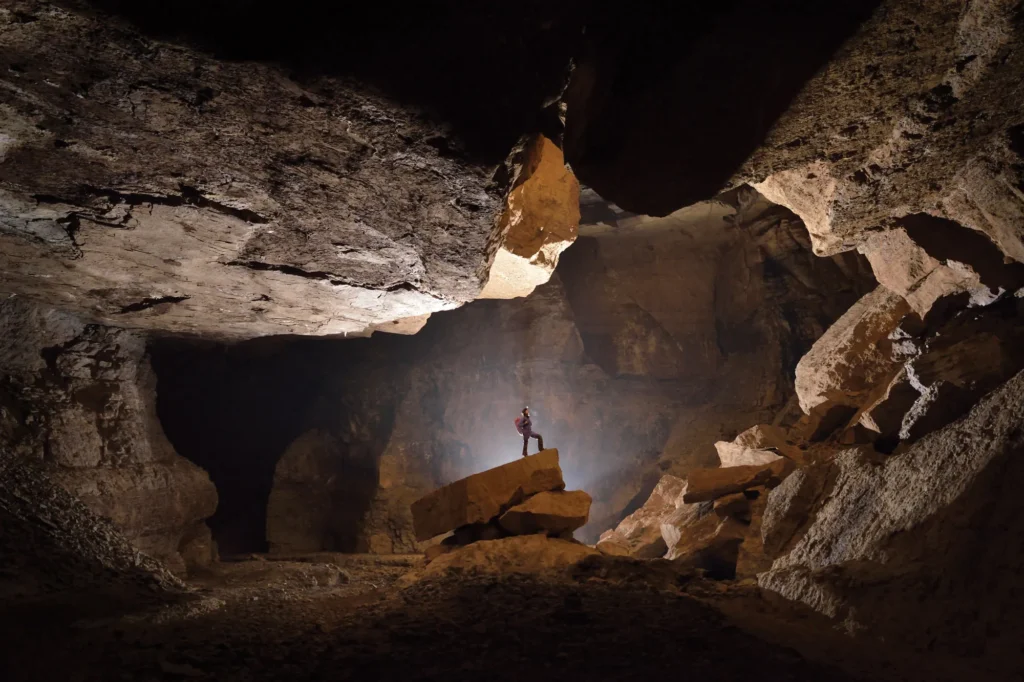
A cave inside the earth is a natural underground space large enough for humans to enter. Caves can form in various types of rock, but limestone caves are the most common. Over thousands of years, water seeps through cracks in the rock, slowly dissolving it and creating hollow chambers. These hollow spaces continue to grow and connect, forming an intricate underground system that we call a cave.
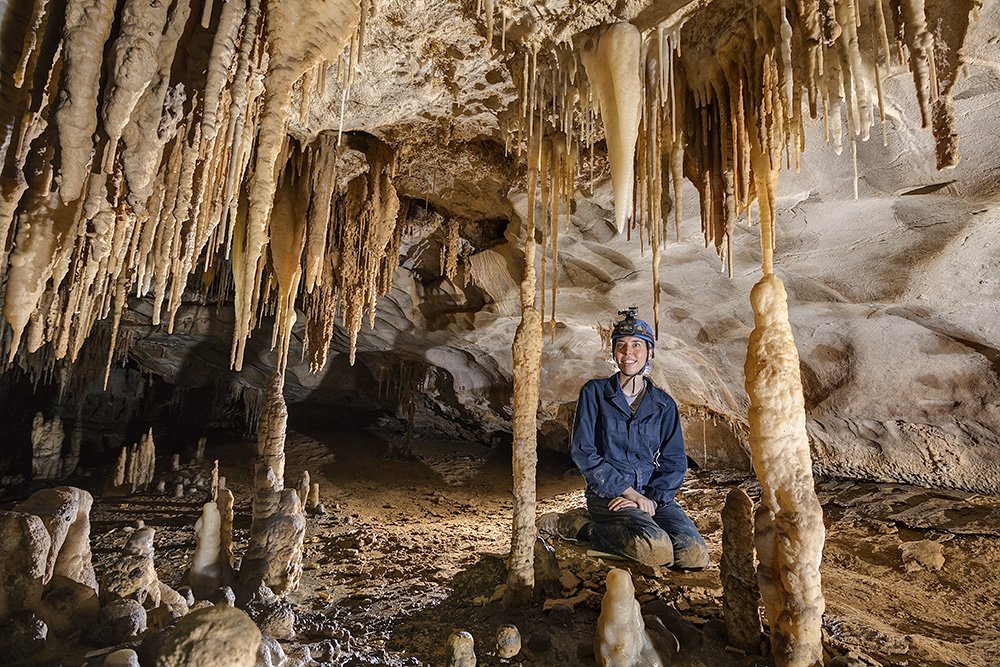
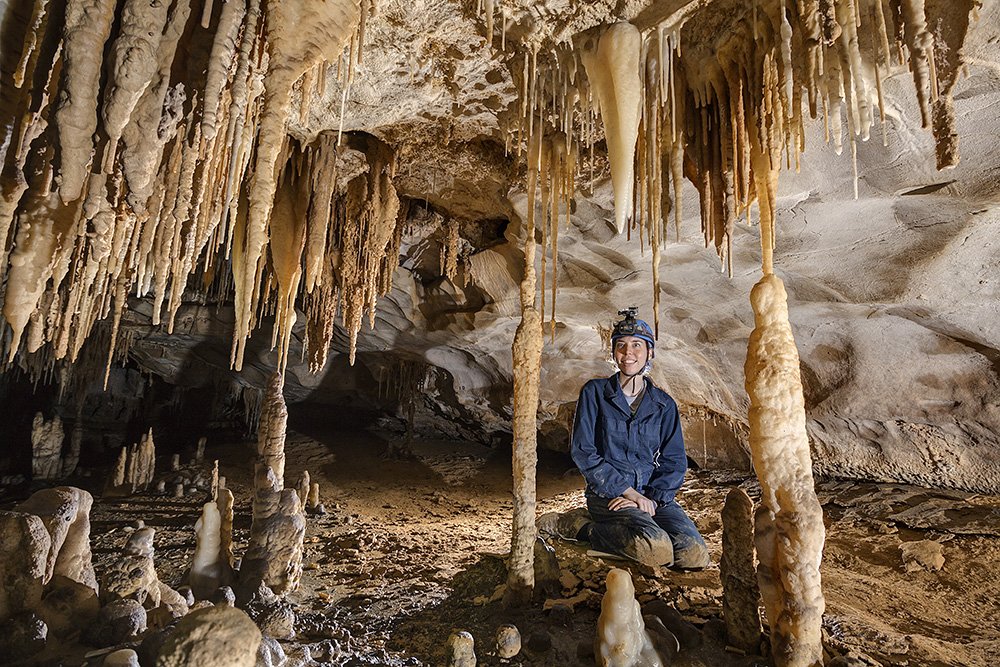
Inside these caves, nature creates spectacular sights — stalactites hang from the ceiling like icicles, while stalagmites rise from the ground. Some caves have underground rivers, shimmering pools, or even rare minerals that glow in the dark.
The Formation of Caves Inside the Earth
The process of cave formation is called speleogenesis. It usually begins when rainwater absorbs carbon dioxide from the atmosphere and soil, forming a weak acid. This acidic water seeps into the ground, slowly dissolving limestone or other soluble rocks. Over time, this creates cavities that expand into tunnels and chambers.
In volcanic regions, caves can also form when lava flows cool at the surface while molten rock continues to move beneath. When the molten lava drains away, it leaves behind long, tube-like structures known as lava tubes. These are also a type of cave from inside the earth.
What You Can Find Inside a Cave
The cave from inside can be both beautiful and surprising. Some caves are full of delicate formations, while others contain underground lakes, fossils, or even ancient human remains. Here are a few features commonly found inside caves:
- Stalactites and stalagmites
- Flowstones, created by mineral deposits
- Underground rivers and waterfalls
- Bats and other cave-dwelling animals
- Rare minerals and crystal formations
Exploring these features can feel like stepping into a natural museum, one built entirely by time and water.
Famous Caves Around the World
Caves exist all over the world, and each one has something unique to offer. Here are some of the most famous examples of what you can find when you explore inside’s caves in the earth.
Mammoth Cave, Kentucky
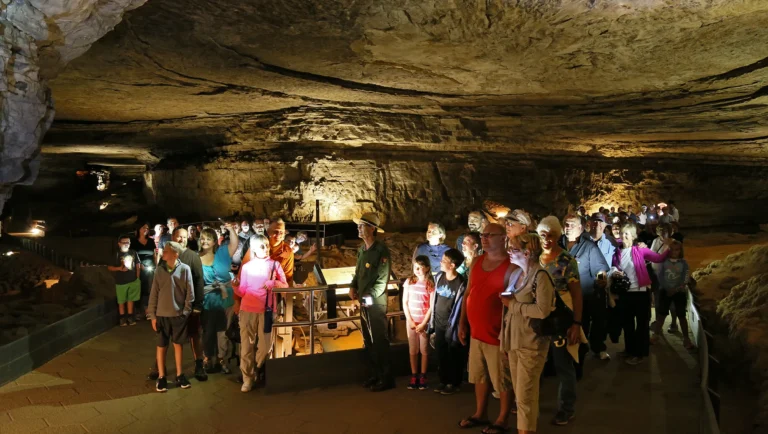
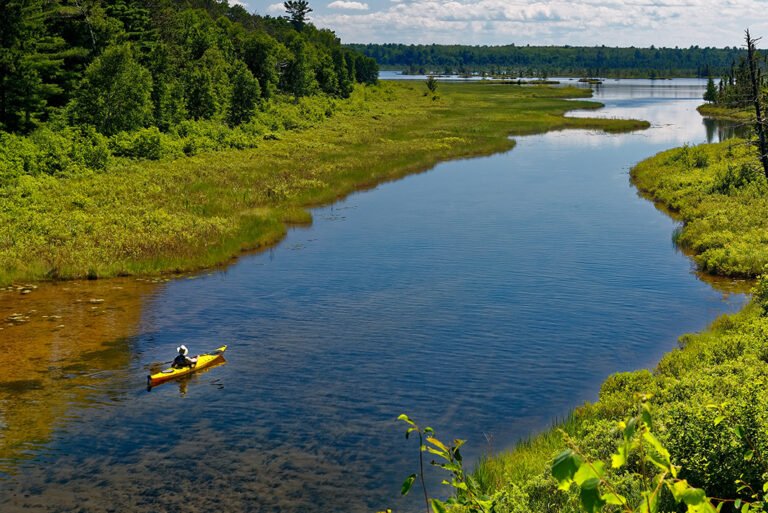
Mammoth Cave in Kentucky is the longest cave system in the world, stretching for more than 400 miles. It features endless tunnels, large chambers, and fascinating rock formations. Visitors can take guided tours to explore different parts of the cave. And also Kayak River adventures offer the perfect mix of excitement and serenity, letting you paddle through scenic landscapes and hidden waterways. Discover the best river kayaking spots and tips for an unforgettable outdoor experience.
Carlsbad Caverns, New Mexico
Carlsbad Caverns is known for its massive underground chambers and stunning limestone formations. One of its largest rooms, the Big Room, is so huge that it could fit multiple football fields inside.
Waitomo Caves, New Zealand
Waitomo caves are famous for their glowing worms that light up the ceiling like stars. Visitors can take a boat ride through the cave and witness a surreal, glowing landscape.
Reed Flute Cave, China
This cave is known for its colourful lights and ancient inscriptions. The natural limestone formations are illuminated, creating an incredible visual display that attracts millions of visitors every year.
Cave Exploration and Safety
Exploring the cave from inside, the earth can be an unforgettable experience, but it also requires preparation and caution. Caves are often dark, slippery, and uneven, so proper gear and guidance are essential.
If you’re planning to explore a cave, always:
- Go with a guide or an experienced group
- Carry reliable lighting and extra batteries
- Wear sturdy shoes with a good grip
- Bring water and safety gear
- Respect the cave — don’t touch formations or disturb wildlife
Even though caves seem tough and ancient, their delicate formations can easily be damaged by human touch or movement.
The Beauty of Cave Kayaking
Cave kayaking is one of the most thrilling ways to explore underground waterways. In places like Kentucky and Thailand, adventurers paddle through dark tunnels illuminated only by their headlamps. The sound of dripping water and the echo of paddles make it an almost meditative experience.
Cave kayaking gives a completely new perspective on what’s inside’s cave. You can see the reflections of stalactites in the still water and feel the cool air around you. It’s an adventure that combines nature, exploration, and tranquility.
Life Inside a Cave
While most people think caves are lifeless, they are actually home to unique ecosystems. Many animals, such as bats, blind fish, and insects, have adapted to live in total darkness. These creatures often have no eyes or pigmentation because they don’t need them in the pitch-black environment.
Scientists study these animals to learn about evolution and how life adapts to extreme conditions. Caves can also preserve fossils and artifacts, giving us a glimpse into ancient human life.
The Mystery and Science of Caves
Inside’s cave, the earth continues to fascinate scientists, historians, and travellers. Geologists study caves to understand the planet’s history, while archaeologists uncover evidence of early human life. Caves also help us understand climate change since the minerals inside preserve data about ancient weather patterns.
For visitors, caves are more than just scientific sites — they’re a place to connect with the earth on a deeper level. The silence, the cool air, and the ancient formations remind us how powerful and patient nature truly is.
Best Places to See a Cave Inside the U.S.
The United States is home to hundreds of caves worth visiting. Here are a few of the most popular ones for travellers:
- Mammoth Cave in Kentucky
- Carlsbad Caverns in New Mexico
- Wind Cave in South Dakota
- Jewel Cave in South Dakota
- Lava Beds National Monument in California
Each of these destinations offers guided tours, educational exhibits, and safe exploration experiences for visitors of all ages.
Preserving Caves for the Future
Caves are fragile environments that take thousands of years to form. Even a single footprint or fingerprint can damage delicate mineral growth. That’s why cave conservation is crucial. Many national parks and organizations work to protect these spaces by limiting access, providing guided tours, and educating visitors.
By respecting these natural wonders, we can ensure that future generations will have the chance to experience the same beauty and mystery that we enjoy today.
FAQ
1. How are caves formed?
Caves are formed through natural processes like erosion, volcanic activity, or chemical reactions that dissolve rock over thousands of years. Most caves form in limestone as water slowly wears away the rock.
2. Can you go kayaking inside’s cave?
Yes, cave kayaking is a growing adventure activity in places like Kentucky, Thailand, and New Zealand. It’s safe when done with proper gear and professional guidance.
3. Are caves dangerous to explore?
Cave exploration can be safe if you follow rules, go with a guide, and use the right equipment. However, caves can be dark, slippery, and unpredictable, so caution is always needed.
4. What should you wear inside‘s cave?
Wear comfortable, moisture-wicking clothes and sturdy shoes with good traction. Bring a helmet, flashlight, and gloves for extra protection.
5. Why are caves important?
Caves help scientists study geology, climate, and history. They also provide habitats for unique wildlife and offer incredible recreational experiences for people.
Conclusion
A cave inside the earth is more than just a space underground — it’s a living record of time, water, and geology. From breathtaking formations to hidden rivers, every cave holds its own mystery and beauty. Whether you’re exploring the vast tunnels of Mammoth Cave, kayaking through a glowing cavern, or simply admiring a limestone chamber, you’re witnessing nature’s masterpiece. For more exciting information about the cave, you can explore the cave.
The magic of an inside reminds us that some of the world’s most stunning landscapes are not above us, but deep beneath our feet.