Nutty Putty Cave Incident: The Tragic True Story
Nutty Putty Cave Incident
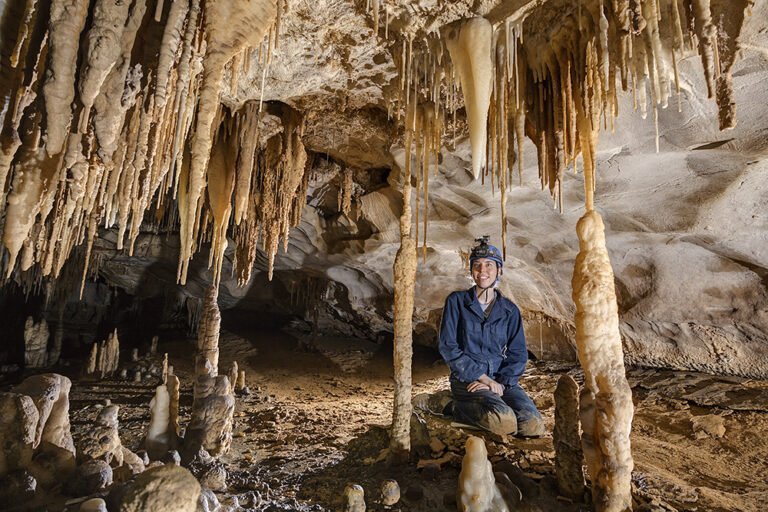
The Nutty Putty Cave incident remains one of the most tragic and unforgettable stories in cave exploration history. This heartbreaking event, which took place in Utah, not only shocked the world but also served as a powerful reminder of the dangers hidden beneath the surface of the earth. Today, the story of the Nutty Putty Cave continues to fascinate explorers and caution adventure seekers about the importance of safety in caving.
What Is the Nutty Putty Cave?
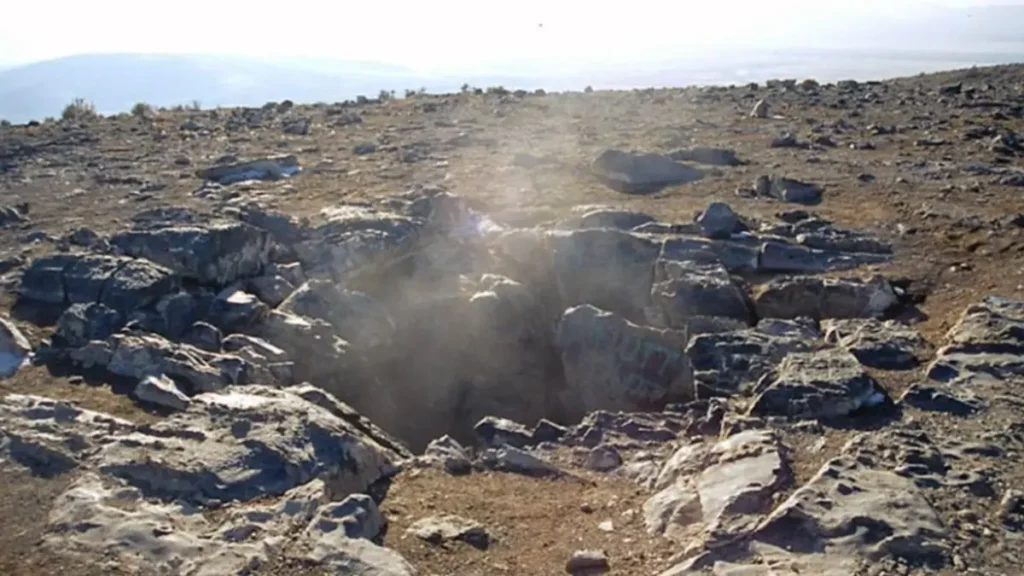
The Nutty Putty Cave is a small hydrothermal cave located near Utah Lake, west of Utah County in the United States. It was discovered in 1960 by Dale Green, a local caver who named it “Nutty Putty” because of its clay-like texture that felt similar to modelling putty.
The cave became a popular destination for both amateur and experienced spelunkers because of its narrow passages and winding tunnels. However, Nutty Putty Cave was also known for being extremely tight and challenging to navigate. Many of its passages required crawling or squeezing through narrow openings barely large enough for a human body.
The Night of the Nutty Putty Cave Incident
The tragic Nutty Putty Cave incident occurred on November 24, 2009. John Edward Jones, a 26-year-old medical student, entered the cave with his brother, Josh Jones, and a group of friends and family members. The group planned a fun adventure before Thanksgiving, but what started as an exciting exploration turned into a devastating accident.
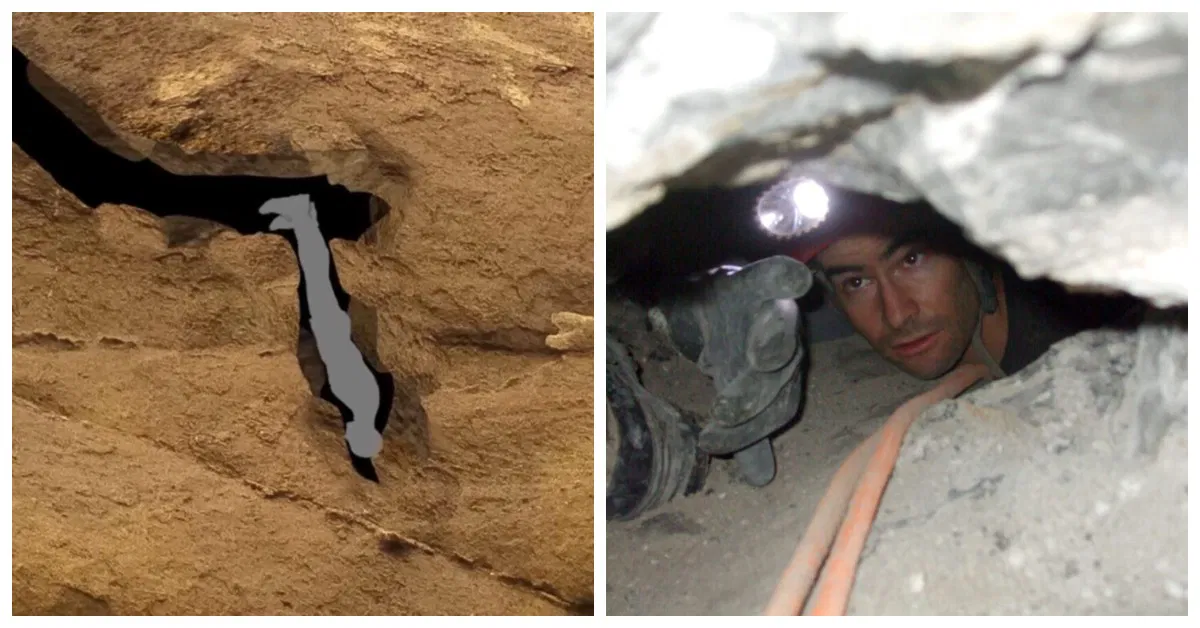
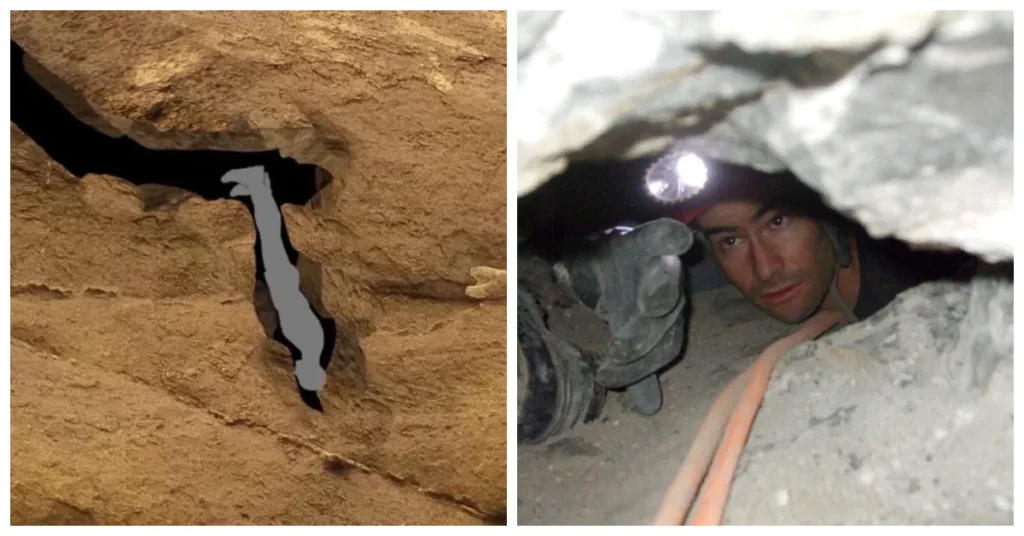
John had experience with caving, but Nutty Putty Cave was different. It was full of small, twisting tunnels with very little room to move. Around 8:45 p.m., John entered a narrow passage he believed to be part of the main route, known as the “Birth Canal.” Unfortunately, he had taken a wrong turn into an uncharted area.
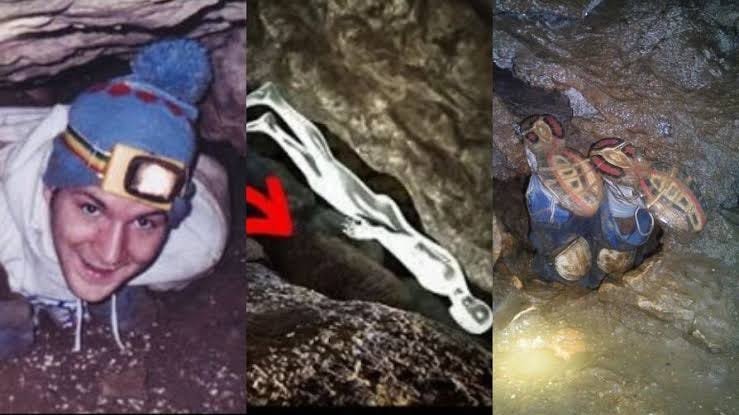
As he squeezed deeper into the passage, it became even tighter until he could no longer move forward or backwards. His position, head-first and upside down, made it nearly impossible to breathe properly or escape on his own.
Rescue Efforts Begin
Once John’s group realized he was trapped, they immediately called for help. Within hours, rescuers arrived at the scene. Dozens of experts from Utah County Search and Rescue began working through the night to reach him.
The rescue was extremely difficult. The cave’s passages were so narrow that rescuers couldn’t bring in heavy equipment. They had to crawl, twist, and squeeze through tight spaces to reach John. When they finally got to him, he was trapped more than 400 feet inside the cave and stuck in a section barely 18 inches wide and 10 inches high.
Rescuers worked tirelessly to pull him out using a pulley system. At one point, they managed to lift John several feet upward, giving everyone hope. But then, disaster struck — the rope system failed, causing him to slip back into the same position.
The Fight Against Time
As the hours passed, John’s condition worsened. Being upside down for a long period caused pressure to build in his body, making it difficult for his heart to pump blood properly. The rescue team brought him food, water, and even tried to comfort him by talking and praying with him. His wife, Emily, who was pregnant with their second child at the time, waited anxiously outside the cave.
Despite the rescuers’ best efforts, the situation became more dangerous. The tunnels were too narrow to manoeuvre effectively, and the risk of collapse increased with every attempt to pull John out.
The Tragic End
After more than 27 hours of nonstop rescue efforts, John Edward Jones tragically passed away in the cave. His exact cause of death was attributed to cardiac arrest brought on by the stress and the physical strain of being trapped upside down.
The news devastated his family, the rescue team, and the entire community. It was a moment that left a lasting mark on Utah’s caving history.
Why the Nutty Putty Cave Was Closed
Following the tragic incident, officials made the difficult decision to close the Nutty Putty Cave permanently. The site was sealed with concrete in December 2009, just a few weeks after the accident. John’s body was never recovered, and he remains entombed inside the cave to this day.
The closure was not only out of respect for John and his family but also for public safety. Before the 2009 tragedy, several other cavers had become trapped in the Nutty Putty Cave but were successfully rescued. It was clear that the cave posed serious risks to explorers due to its narrow and unpredictable structure.
Lessons from the Nutty Putty Cave Incident
The Nutty Putty Cave incident serves as a powerful reminder of how dangerous cave exploration can be, even for experienced adventurers. It highlights the importance of proper planning, safety measures, and situational awareness when entering tight or uncharted spaces.
Rescue teams around the world studied the incident to improve their techniques and safety protocols for future emergencies. Many caving organizations now use the Nutty Putty tragedy as a teaching case to help prevent similar accidents.
The Legacy of John Edward Jones
John Edward Jones was remembered as a kind, intelligent, and loving man devoted to his family and faith. His story touched millions of people around the world and inspired both sadness and admiration for the bravery he showed during his final hours.
Today, visitors cannot enter the Nutty Putty Cave, but a memorial plaque stands near the site to honour John’s memory. Many people visit to pay their respects and reflect on the fragile balance between adventure and safety.
The Structure of Nutty Putty Cave
Before it was sealed, Nutty Putty Cave was approximately 1,400 feet long, consisting of tight passageways and chambers with colourful names like “The Scout Trap,” “The Big Slide,” and “The Maze.” Some areas were only accessible by crawling on hands and knees, while others required advanced climbing skills.
Because of its size and shape, the cave was considered a “beginner-friendly” location. Still, the unpredictable turns and squeezes often led to dangerous situations — a misconception that made it even riskier.
What Makes the Nutty Putty Cave So Dangerous
The danger of Nutty Putty Cave came from its combination of narrow tunnels, unstable clay-like walls, and limited room for movement. Once a person entered a tight space, there was very little chance to turn around or adjust position.
In John’s case, gravity made the situation worse. Being trapped head-first increased blood pressure in the brain and chest while restricting oxygen flow. Even with rescue equipment, the design of the cave made it nearly impossible to pull him out safely.
Caving Safety Tips Inspired by the Incident
The Nutty Putty Cave incident changed the way many people approach caving. Here are some essential safety tips for those who plan to explore caves safely:
- Never explore unknown caves without a guide or map.
- Always inform someone of your exact location and estimated return time.
- Use proper gear — helmets, lights, gloves, and sturdy clothing.
- Avoid entering tight spaces where you cannot easily back out.
- Stay calm and communicate clearly in emergencies.
- Respect warning signs and closure notices — they exist for your safety.
The Emotional Impact of the Nutty Putty Cave Story
The story of John Jones continues to move people years later. Documentaries, articles, and podcasts have covered his story, bringing global attention to caving safety. The tragedy also influenced local authorities to re-evaluate access to other risky cave systems across the United States.
John’s family has expressed hope that his story will inspire others to be more careful, appreciate life, and take every adventure with respect for nature’s power.
FAQ
1. Where is the Nutty Putty Cave located?
Nutty Putty Cave is located near Utah Lake, about 55 miles southwest of Salt Lake City, Utah, in Utah County.
2. Why was the Nutty Putty Cave closed?
The cave was permanently sealed in 2009 after the tragic death of John Edward Jones. Officials closed it to prevent future accidents and out of respect for his family.
3. Can you visit the Nutty Putty Cave today?
No. The cave is permanently closed, and access is prohibited. A memorial plaque marks the site for those who wish to pay their respects.
4. Who discovered the Nutty Putty Cave?
The cave was discovered in 1960 by Dale Green, a local caver who explored and documented its passages.
5. What lessons were learned from the Nutty Putty Cave incident?
The tragedy emphasized the importance of proper safety, communication, and professional guidance during cave explorations. It also led to stricter safety measures for recreational caving.
Conclusion
The Nutty Putty Cave incident remains one of the most emotional and unforgettable stories in the world of cave exploration. It serves as both a tribute to human courage and a warning about the dangers that come with pushing beyond safe limits.
While the cave now rests sealed forever, its story continues to teach valuable lessons about respect, preparation, and the unpredictable beauty of nature. John Edward Jones’s legacy endures not just as a memory of tragedy but as a reminder of how precious every moment of life truly is.