
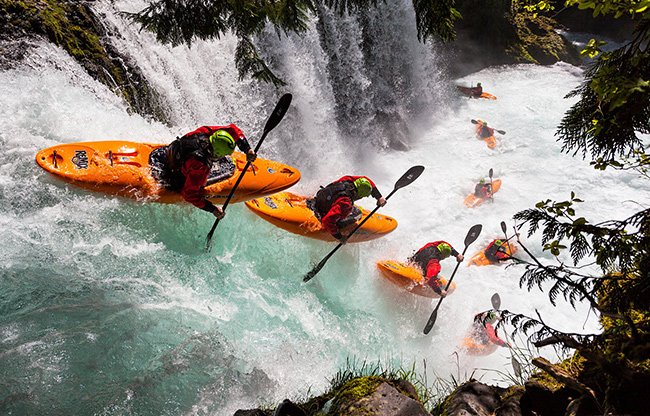
River Kayak Adventures: Explore Nature’s Flow and Freedom
River Kayak
Kayaking is one of the most enjoyable and peaceful ways to explore nature. A river kayak adventure combines excitement, exercise, and stunning scenery all in one. Whether you’re gliding through calm water or paddling down a rushing river, the experience connects you deeply with the outdoors. River kayaking is perfect for people of all ages, and it’s easy to learn once you understand the basics.
This guide will help you understand what river kayaking is, what equipment you need, where to go, and how to stay safe while having fun on the water.
What Is a River Kayak?
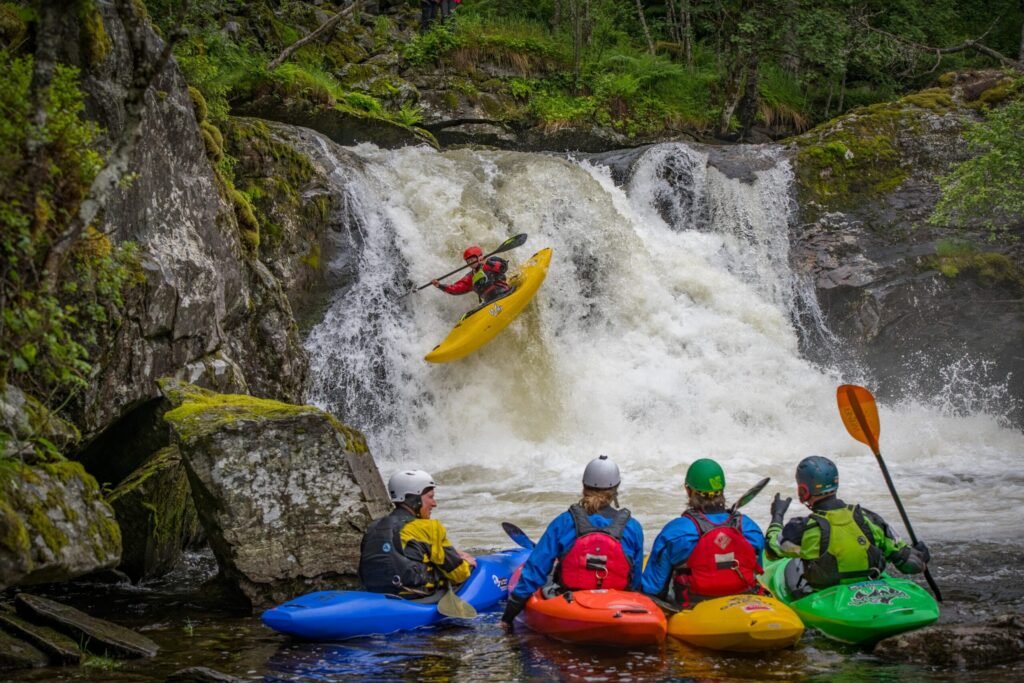
A river kayak is a specially designed boat that allows you to navigate rivers of all types—from slow-moving streams to fast-flowing rapids. Unlike sea kayaks, river kayaks are shorter and more maneuverable. This makes it easier for paddlers to turn quickly, avoid obstacles, and handle tight corners.
River kayaks come in different styles based on your kayaking goals. Some are made for relaxing paddles on flat water, while others are built for thrilling whitewater adventures. Regardless of the type, every river kayak offers a unique way to experience nature and stay active outdoors.
Types of River Kayaks
There isn’t just one type of river kayak. Each design serves a specific purpose. Here are the main types you’ll come across:
1. Recreational River Kayak
These are perfect for beginners. They are wide, stable, and easy to handle on calm rivers. Recreational kayaks are usually made of durable plastic, making them great for casual weekend paddles or short river trips.
2. Whitewater Kayak
If you love adventure and excitement, a whitewater kayak is your best choice. It’s smaller and shaped to handle the power of moving water. These kayaks are used on rivers with rapids and obstacles that challenge even experienced paddlers.
3. Touring or Crossover Kayak
Touring kayaks are longer and built for distance. They work well on wide rivers or lakes and often have extra storage space for gear. Crossover kayaks combine the features of recreational and whitewater types, making them versatile for different water conditions.
Essential Gear for River Kayaking
Before heading out, it’s important to have the right gear. Safety and comfort depend on your preparation. Here’s what every river kayaker should bring:
- Personal flotation device (PFD) – Always wear a life jacket made for kayaking.
- Helmet – Especially important for whitewater kayaking, where rocks are present.
- Paddle – Choose one suited to your height and the width of your kayak.
- Dry bag – Keeps essentials like your phone, wallet, and keys safe from water.
- Spray skirt – Keeps water out of your kayak, particularly in rough rivers.
- Water shoes or sandals – Protect your feet and help with grip when getting in or out.
- Whistle or signalling device – Helpful in case of emergency.
Proper gear can make the difference between a great day and a stressful one.
Best Places for River Kayak Adventures
There are thousands of beautiful rivers across the United States for kayaking. Some are calm and scenic, while others offer high-energy whitewater experiences.
Colorado River, Arizona and Nevada
The Colorado River offers a mix of calm stretches and thrilling rapids. Kayakers can enjoy incredible canyon views and crystal-clear waters.
Suwannee River, Florida
This river flows through peaceful forests and offers calm paddling with plenty of wildlife sightings. It’s ideal for beginners.
Snake River, Wyoming
Located near the Grand Teton National Park, the Snake River gives paddlers dramatic mountain views and both calm and challenging waters.
New River, West Virginia
Known for its whitewater sections, the New River attracts adventure seekers looking for excitement and speed.
River Kayak Safety Tips
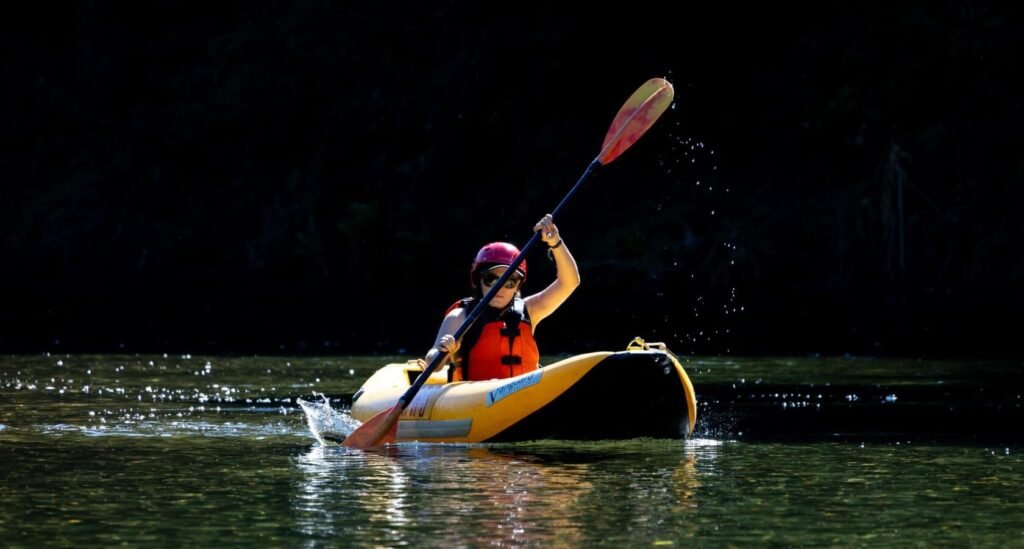
Safety is the most important part of river kayaking. Even if you’re an experienced paddler, it’s crucial to follow basic safety rules.
- Check the weather forecast before you go. Avoid strong winds or heavy rain.
- Always wear a life jacket, no matter how calm the river seems.
- Don’t kayak alone—having a partner makes the trip safer and more enjoyable.
- Know your route and check for any obstacles like rocks or low bridges.
- Stay hydrated and bring snacks for longer trips.
- Respect wildlife and avoid disturbing the natural habitat.
By taking these simple precautions, you can enjoy your river kayak adventure safely.
River Kayak for Beginners
If you’re new to kayaking, start small. Choose a calm river or lake with little current. Practice paddling, steering, and balancing before moving on to more challenging waters.
Many parks and outdoor centres offer kayaking lessons for beginners. These classes teach the basics—like how to hold a paddle, how to get in and out of the kayak, and what to do if you tip over. Learning from professionals gives you confidence and skills that last a lifetime.
River Kayak Tours
Guided river kayak tours are a great way to explore new areas without worrying about logistics. Expert guides lead the way, provide equipment, and ensure everyone stays safe. These tours often include information about local wildlife, geology, and history.
Whether you’re kayaking through peaceful rivers in Kentucky or exploring desert canyons in Arizona, tours offer unforgettable experiences for all skill levels.
River Kayak vs. Sea Kayak
While they may look similar, river and sea kayaks serve different purposes. River kayaks are shorter and easier to turn. Sea kayaks are longer and designed for speed and straight-line travel. If you’re mostly paddling in rivers, a shorter kayak gives you better control and flexibility.
River Kayaking in Different Seasons
Each season brings its own kayaking charm.
- Spring: Rivers are fuller, making it perfect for whitewater kayaking.
- Summer: Warm weather and calmer conditions attract beginners and families.
- Fall: Cooler temperatures and colourful trees make for scenic trips.
- Winter: Only experienced kayakers should attempt cold-weather kayaking, and always with the right gear.
No matter the season, dressing appropriately and knowing your limits are key to staying safe and comfortable.
River Kayak Camping Trips
For those who want to make kayaking a multi-day adventure, river kayak camping is an exciting option. Many rivers have designated campsites along the shore. You can paddle during the day and camp under the stars at night.
Pack lightweight gear and waterproof bags, and remember to leave no trace behind. River kayak camping allows you to fully disconnect from daily life and enjoy nature at its best.
Environmental Impact and Conservation
Rivers are delicate ecosystems that support countless species. Kayakers play a role in protecting them. Avoid littering, use eco-friendly sunscreen, and respect all wildlife. Many kayaking groups also organize river clean-ups and awareness campaigns to help preserve waterways for future generations.
Being mindful of your impact ensures that these natural wonders remain beautiful and healthy for years to come.
Health Benefits of River Kayaking
River kayaking isn’t just fun—it’s also great for your health. Paddling works your arms, shoulders, and core muscles while improving your cardiovascular fitness. It’s also a fantastic stress reliever. The peaceful motion of the water, combined with fresh air and nature sounds, has a calming effect on the mind.
Regular kayaking can improve mental focus, balance, and endurance. It’s one of those rare sports that’s both relaxing and energising.
FAQs About River Kayaking
1. What type of kayak is best for rivers?
A recreational or crossover kayak is ideal for most rivers. They’re stable and easy to control, making them great for beginners and intermediate paddlers.
2. Do I need a permit to kayak on a river?
Some rivers require permits, especially in state or national parks. Always check local regulations before launching.
3. Is river kayaking safe for beginners?
Yes, as long as you choose calm waters and wear proper safety gear. Beginners should avoid fast-moving or high-water rivers.
4. What should I wear when river kayaking?
Wear quick-drying clothes, water shoes, and a life jacket. In colder conditions, a wetsuit or dry suit helps keep you warm.
5. Can I kayak alone?
It’s always safer to kayak with a friend or group, especially if you’re new to the sport or exploring an unfamiliar river.
Final Thoughts
A river kayak adventure is one of the best ways to experience the beauty and power of nature. From quiet streams to exciting rapids, every river offers a new story. Whether you’re looking for peace, fitness, or thrill, river kayaking has something for everyone.
So grab your paddle, put on your life jacket, and get ready to explore the world from a whole new perspective. The river awaits.