Jewel Cave National Monument Guide
Jewel Cave National Monument
Nestled in the Black Hills of South Dakota, the Jewel Cave National Monument is one of the most fascinating underground wonders in the United States. Known for its sparkling mineral formations and immense size, it offers a breathtaking look at nature’s artistry hidden deep beneath the Earth’s surface. The name “Jewel Cave” comes from the dazzling calcite crystals that line its walls, creating an appearance of glimmering jewels when light hits them.
This natural wonder attracts explorers, scientists, and nature lovers from around the world, eager to witness its beauty and geological mystery.
The History of Jewel Cave National Monument
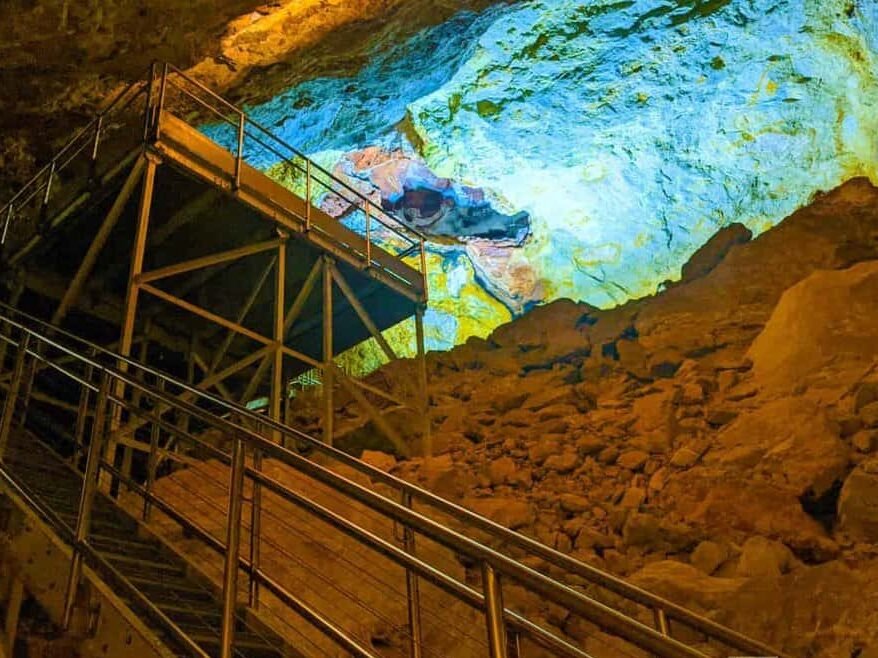
Jewel Cave was first discovered in 1900 by two local prospectors, Frank and Albert Michaud. While searching for gold, they stumbled upon a small opening that led into a dark, sparkling chamber filled with crystal formations. The Michaud brothers were amazed by what they saw and decided to open the cave to the public, building wooden walkways and charging visitors a small fee to explore.
Although the early business venture didn’t thrive, their discovery caught the attention of scientists and geologists. In 1908, President Theodore Roosevelt officially declared it a national monument, recognizing its unique geological significance. Since then, Jewel Cave National Monument has become a protected site under the National Park Service.
If you’re interested in more fascinating underground stories, read about the tragic yet unforgettable Nutty Putty Cave incident, one of the most talked-about cave explorations in history.
The Natural Beauty of Jewel Cave
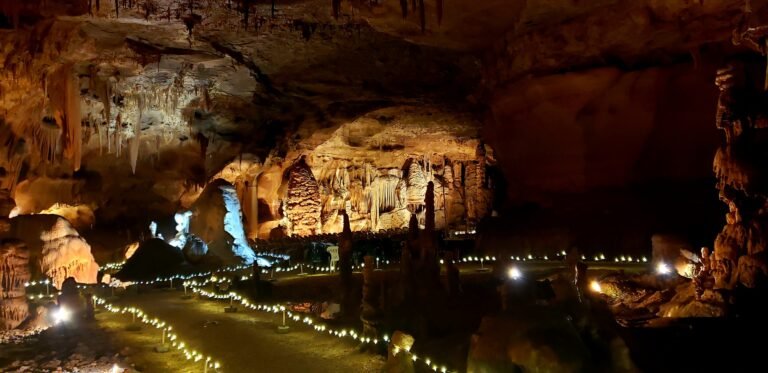
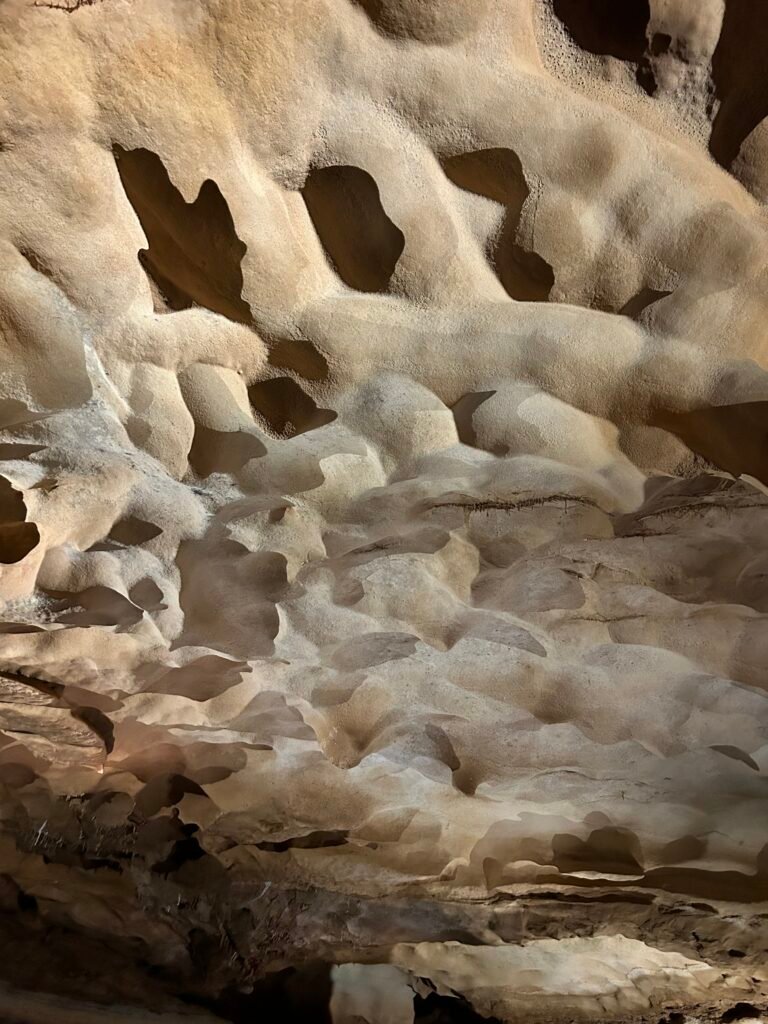
Jewel Cave National Monument lives up to its name. Inside, the cave walls are covered with calcite crystals, known as spar, that reflect light beautifully, creating a shimmering effect. These crystals have formed over millions of years, slowly building up as mineral-rich water dripped and deposited layers of calcite.
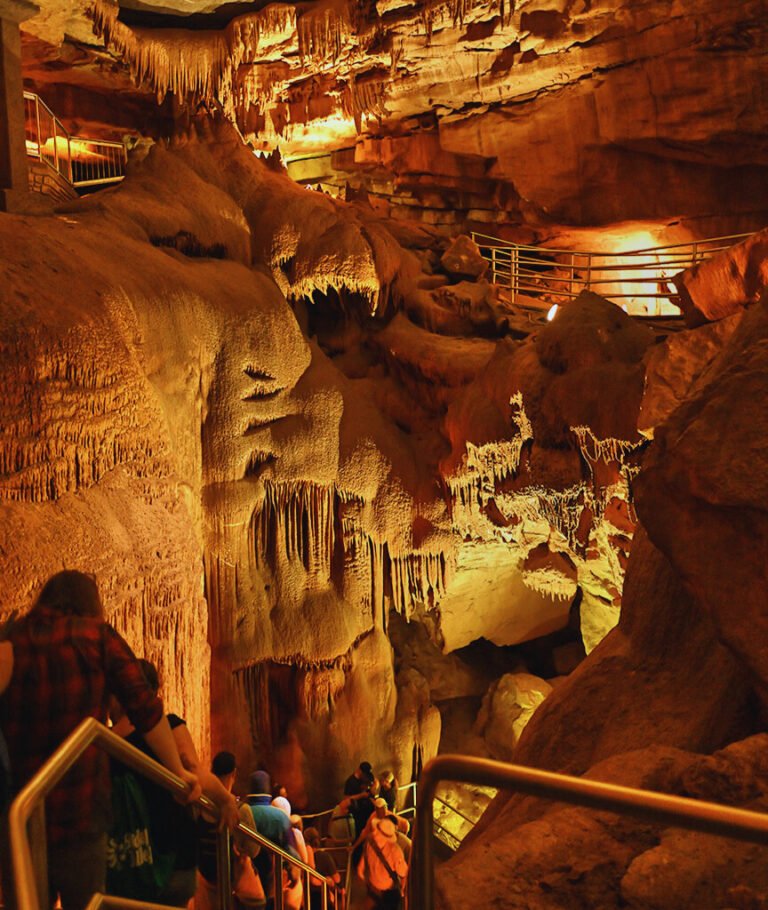
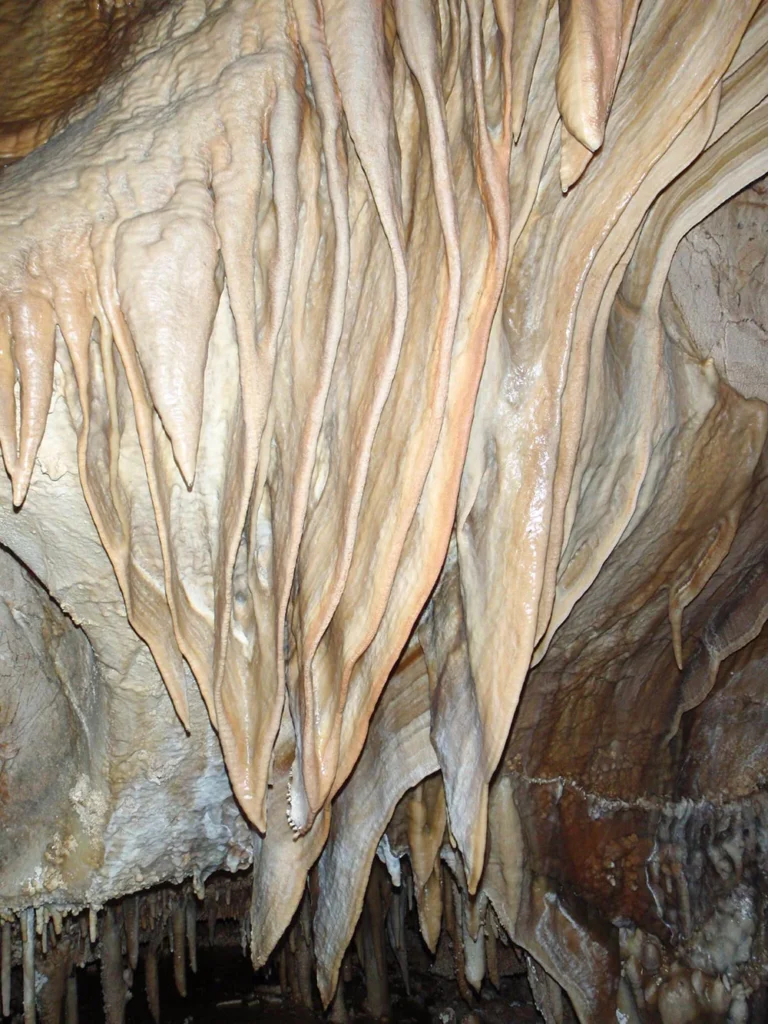
Aside from the calcite, you’ll also find rare cave formations such as draperies, stalactites, stalagmites, and flowstone. Each shape tells a story of time, pressure, and water flow beneath the Earth’s surface. Some chambers even have delicate formations like gypsum needles and frostwork, which add to the cave’s unique charm. Explore more caves like the glacier cave.
Above ground, the surrounding area of Jewel Cave National Monument is equally captivating. The monument is located within the Black Hills National Forest, surrounded by pine trees, wildflowers, and scenic trails that reflect the rugged beauty of South Dakota.
Exploring the Underground World
Jewel Cave is one of the longest caves in the world, with more than 210 miles of mapped passages—and new sections continue to be discovered. The cave system twists, turns, and stretches through multiple levels, forming a complex maze of chambers and tunnels.
The temperature inside the cave stays around 49°F (9°C) year-round, making it a cool escape during hot summers. Because of the constant temperature and humidity, the environment supports fragile ecosystems, including unique microorganisms that can’t survive anywhere else.
Scientists and cave explorers continue to study the cave’s geology, biology, and hydrology. Research inside Jewel Cave has contributed to a better understanding of how caves form and how underground ecosystems function.
Above-Ground Beauty and Nature
While the underground world is mesmerizing, the surface area of Jewel Cave National Monument is equally impressive. Spanning over 1,200 acres, the park is home to rolling hills, meadows, and forests filled with diverse wildlife.
Visitors often spot deer, foxes, and various bird species, making it a great place for nature photography and wildlife observation. The area also offers several hiking trails that let you experience the Black Hills’ peaceful beauty.
The Roof Trail and Canyons Trail are two popular hikes in the area. The Roof Trail is an easy loop that starts near the visitor center and provides stunning views of the surrounding forest. The Canyons Trail is longer and more rugged, taking hikers through scenic canyons and limestone formations. Both trails provide an excellent opportunity to enjoy the natural landscape above the cave.
Geological Significance of Jewel Cave
Jewel Cave National Monument is a living geological museum. The cave is primarily made of limestone, formed over 300 million years ago during the Mississippian period when a shallow sea covered the area. Over time, water seeped into cracks in the limestone, dissolving rock and creating hollow spaces.
As groundwater carried dissolved minerals through these passages, the minerals began to deposit along cave walls, slowly building the glittering crystals seen today. This natural process continues even now, although at a pace so slow it’s nearly imperceptible.
Researchers study the formations to understand more about climate change, water movement, and the geological evolution of the region. Every formation inside Jewel Cave holds a clue to Earth’s long and complex history.
Protecting a Fragile Environment
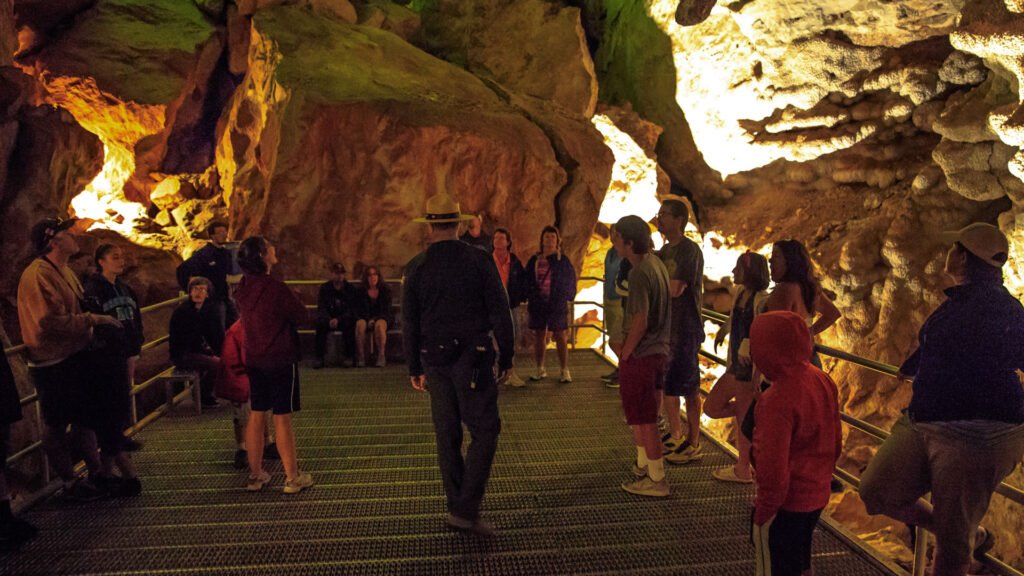
Preserving the natural beauty of Jewel Cave is one of the National Park Service’s highest priorities. The underground ecosystem is extremely delicate. Even small disturbances—like touching formations or introducing outside materials—can permanently damage them.
Efforts to protect Jewel Cave include limiting access to certain areas, using environmentally safe lighting, and closely monitoring air quality. Scientists also track humidity and temperature levels to ensure the cave’s natural balance remains undisturbed.
Visitors are encouraged to follow strict guidelines to help maintain the cave’s pristine condition. This includes avoiding litter, not touching formations, and staying on designated paths. Conservation education is a key part of every visit, reminding everyone that caves are living systems worth protecting.
Wildlife Around Jewel Cave National Monument
Jewel Cave isn’t just about rocks and minerals—it’s also part of a thriving ecosystem. The forest surrounding the monument provides shelter for animals like mule deer, elk, bobcats, and coyotes. During the spring and summer months, meadows come alive with colorful wildflowers and buzzing pollinators.
Bird watchers can find species such as mountain bluebirds, woodpeckers, and nuthatches. Bats also call Jewel Cave home, especially during the warmer seasons when they roost in the cave’s chambers. To protect them, specific areas of the cave remain off-limits to the public.
The mix of underground and above-ground habitats makes Jewel Cave National Monument a unique sanctuary for both geology and wildlife enthusiasts.
Best Time to Visit Jewel Cave National Monument
The best time to visit Jewel Cave National Monument depends on your preferences. Spring and summer offer pleasant weather for hiking and exploring the above-ground trails. Wildflowers bloom during these months, and wildlife is active.
Autumn brings beautiful foliage across the Black Hills, painting the landscape in shades of gold and red. Winter, while colder, gives visitors a quiet and peaceful experience, with fewer crowds and snow-covered scenery adding to the area’s charm.
No matter the season, Jewel Cave’s underground beauty remains constant—always cool, mysterious, and awe-inspiring.
The Cultural Importance of Jewel Cave
Jewel Cave National Monument is more than a geological site—it’s part of America’s cultural and scientific heritage. Native American tribes once lived in the surrounding region, and the cave may have held spiritual or symbolic significance for them.
The continued exploration of Jewel Cave also represents human curiosity and the desire to understand the natural world. Modern-day cavers and scientists carry on that tradition, mapping new sections and uncovering hidden passages. Each discovery adds another layer to the story of one of the world’s most remarkable caves.
Educational Opportunities
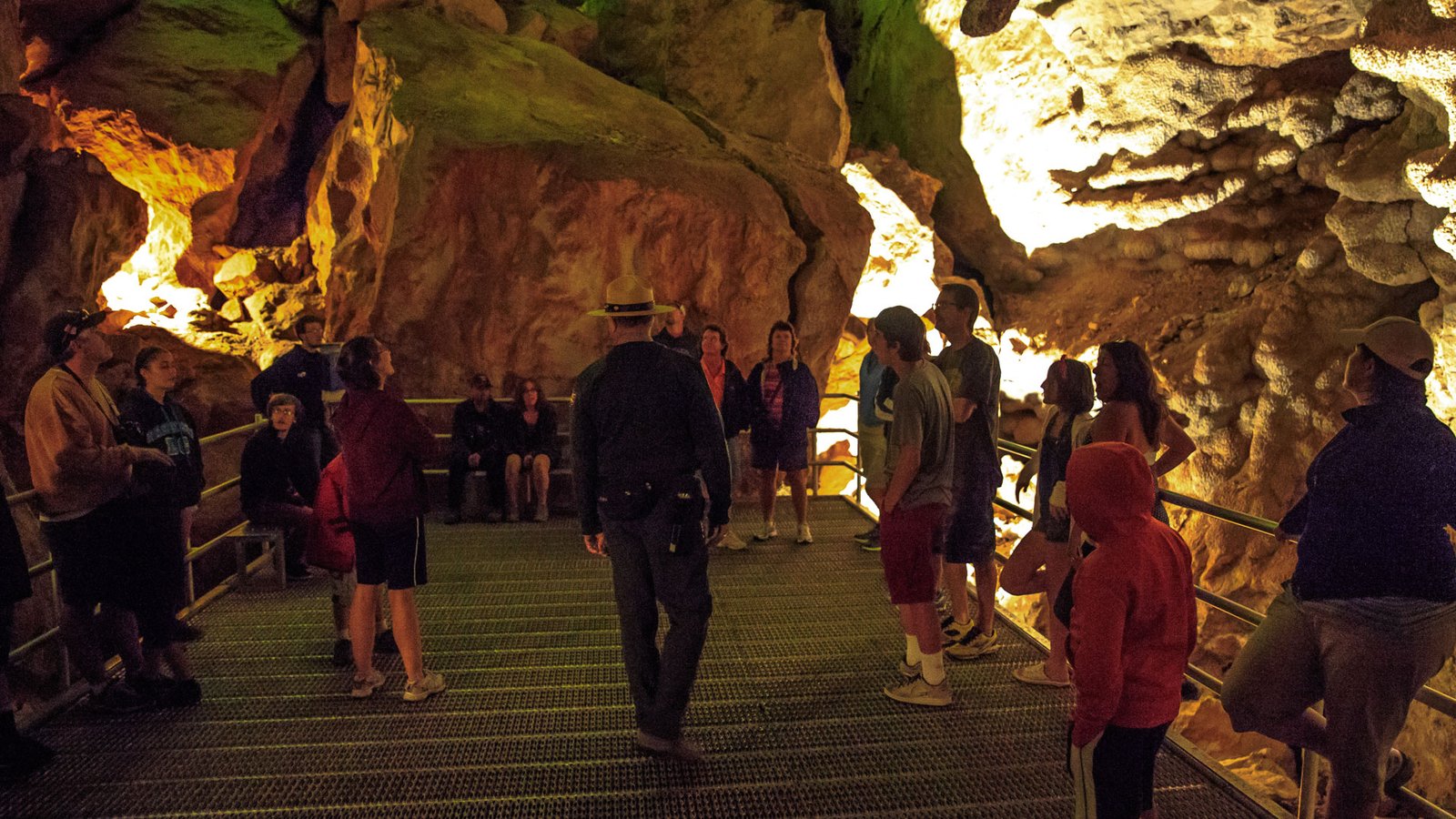
Jewel Cave National Monument also serves as an outdoor classroom for students, geologists, and researchers. Educational programs focus on topics like geology, biology, conservation, and earth sciences. Park rangers often work with schools and universities to encourage curiosity about nature and environmental protection.
Interactive exhibits at the visitor center help people understand how caves form and why protecting them matters. The monument’s focus on education ensures that future generations can appreciate and preserve this natural wonder.
Why Jewel Cave Is So Special
Every cave has its unique personality, but Jewel Cave stands out for its sheer size, beauty, and scientific importance. It’s a place where time slows down, and nature’s creativity takes center stage. The shimmering crystals, ancient formations, and quiet stillness offer a humbling reminder of Earth’s power and mystery.
For travelers, Jewel Cave National Monument is more than a destination—it’s an experience that connects them to the natural world in a profound way. Whether you’re a geologist, photographer, or simply a lover of nature, this hidden treasure in South Dakota will leave a lasting impression.
FAQ
1. Where is Jewel Cave National Monument located?
Jewel Cave National Monument is located in the Black Hills region of southwestern South Dakota, near the town of Custer.
2. How deep is Jewel Cave?
Jewel Cave extends hundreds of feet below the surface, with a network of passages stretching over 210 miles, making it one of the longest caves in the world.
3. Can visitors explore Jewel Cave year-round?
Yes, the cave is open year-round, though access may vary by season. The visitor center and surface trails are typically accessible in all weather conditions.
4. What makes Jewel Cave unique?
Its stunning calcite crystal formations, vast size, and ongoing exploration make Jewel Cave one of the most remarkable natural monuments in the United States.
5. Is Jewel Cave safe to visit?
Yes, Jewel Cave is well-maintained and safe for visitors. The National Park Service ensures that all areas open to the public are secure and environmentally protected.
Conclusion
Jewel Cave National Monument stands as a testament to the beauty and mystery of the natural world. Its glittering crystals, complex passageways, and surrounding wilderness make it a destination unlike any other. Whether you’re drawn to geology, nature, or simply the thrill of discovery, Jewel Cave offers an unforgettable glimpse into Earth’s hidden depths.
A visit to Jewel Cave National Monument isn’t just a trip underground—it’s a journey into time itself, where nature’s quiet magic continues to shine. Visit thecavee for more information about caves.