Caverns: Nature’s Hidden Underground Wonders
Caverns are one of nature’s most fascinating creations—hidden worlds carved deep into the Earth over millions of years. These underground chambers hold geological secrets, breathtaking rock formations, and a sense of mystery that has intrigued explorers for centuries. Visiting a cavern is like stepping into another realm where time stands still and nature reveals its artistic beauty in stone.
This article explores how cavern form, their natural beauty, famous examples, and why visiting them should be on everyone’s travel list.

What Are Cavern?
A cavern is a large underground chamber formed through natural processes, typically by the slow action of water dissolving limestone or other soluble rocks. Over thousands or even millions of years, this erosion process creates vast spaces filled with tunnels, domes, and passageways.
Caverns are different from caves mainly in size—while all cavern are caves, not all caves are large enough to be called cavern. The term “cavern” usually refers to expansive, multi-chambered formations that often extend for miles underground.
How Cavern Form
The formation of a cavern begins with rainwater. When rain falls, it absorbs carbon dioxide from the atmosphere and soil, becoming slightly acidic. As this acidic water seeps through cracks in limestone, it slowly dissolves the rock, enlarging the cracks over time.
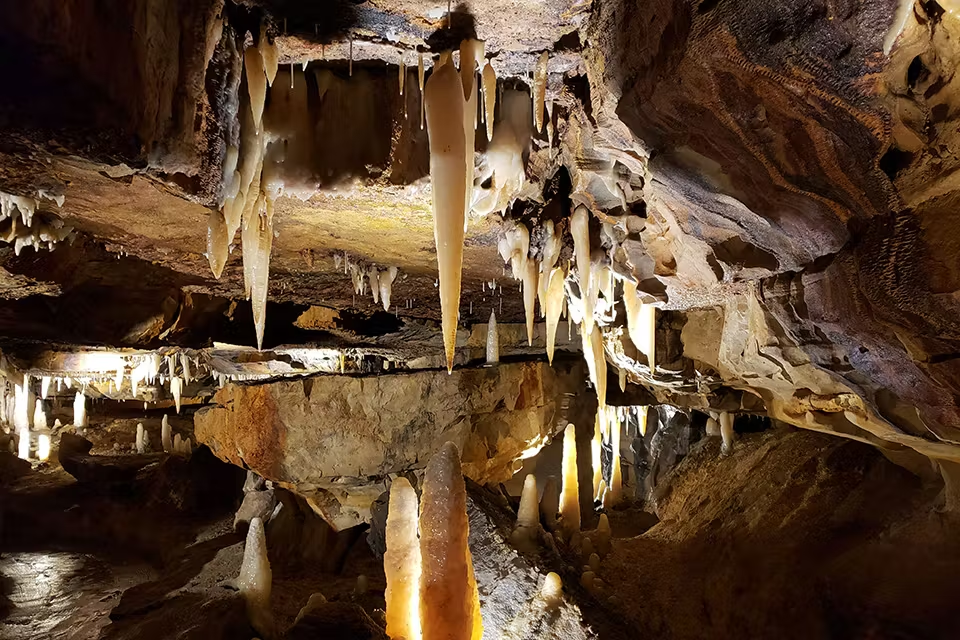
This process continues for ages, creating vast underground voids and tunnels. Stalactites, stalagmites, columns, and flowstones begin to form as minerals deposit from dripping water inside the cavern, creating stunning natural sculptures.
The result is a spectacular underground landscape filled with shimmering walls, crystal formations, and intricate textures that tell a story millions of years in the making.
The Beauty of Caverns
Inside a cavern, every surface is a work of natural art. The most famous features include:
- Stalactites: Pointed formations hanging from the ceiling, formed by dripping mineral-rich water.
- Stalagmites: Rising formations growing upward from the floor, created by mineral deposits from dripping water.
- Columns: When a stalactite and a stalagmite meet, they form a solid column.
- Flowstones: Smooth, sheet-like deposits of minerals that look like frozen waterfalls.
The temperature inside cavern usually remains constant throughout the year, often cool and slightly humid, making them pleasant to explore even during hot summer months.
Famous Caverns Around the World
Across the globe, there are countless caverns worth visiting, each with its own unique beauty and history.
- Mammoth Cave, Kentucky (USA):
Known as the world’s longest cave system, Mammoth Cave stretches for over 400 miles. It offers a fascinating look at underground ecosystems and stunning limestone formations. - Carlsbad Cavern, New Mexico (USA):
A UNESCO World Heritage Site, Carlsbad Cavern are famous for their massive chambers and the “Big Room,” one of the largest underground spaces in North America. - Postojna Cave, Slovenia:
This European marvel features a train ride that takes visitors deep into its intricate chambers filled with colourful formations. - Waitomo Glowworm Caves, New Zealand:
Known for glowing bioluminescent worms that light up the ceilings like stars, this cave offers one of the most magical experiences on Earth. - Jewel Cave, South Dakota (USA):
With sparkling calcite crystals and intricate tunnels, this cavern is the third-longest in the world and a favourite among explorers. - Luray caverns (USA):
If you’re planning a visit to Virginia, don’t miss Luray Caverns, one of the most spectacular underground wonders in the eastern United States.
Each of these cavern showcases the diversity and wonder of nature’s underground world.
Wildlife Inside Cavern
Although caverns seem isolated from the outside world, they are home to many forms of life. Unique species have adapted to the dark, damp environment over centuries.
Some of the most common creatures include:
- Bats: Many cavern systems serve as natural roosting sites for bats, which play a vital role in controlling insect populations.
- Cave Fish: These species have lost their eyesight and pigmentation due to living in total darkness.
- Insects and Spiders: Specialized species thrive in the humid underground environment, often depending on organic matter brought in by water or other animals.
These species, known as troglobites, show how life can adapt to even the most extreme conditions on Earth.
Exploring Caverns Safely
Exploring a cavern can be thrilling, but it’s important to take safety seriously. Natural caverns are often fragile environments, and their formations can take centuries to develop. To ensure a safe and respectful experience:
- Always take a guided tour. Professional guides know the terrain and help preserve the environment.
- Wear proper footwear. Cavern floors can be slippery and uneven.
- Avoid touching formations. Oils from human skin can damage delicate mineral deposits.
- Bring light sources if allowed. Some caverns are dimly lit, so headlamps can help you see clearly.
- Respect wildlife. Avoid disturbing bats or other creatures living inside.
By following these steps, visitors can enjoy a memorable and safe experience while protecting nature’s underground treasures.
The Science Behind Caverns
Geologists study caverns to understand how Earth’s landscapes evolve. The minerals found inside can reveal information about climate changes, water flow, and even the age of rock layers.
Cavern also play a crucial role in groundwater systems. Many aquifers—underground water reservoirs—flow through limestone formations, meaning cavern help store and filter freshwater supplies.
This makes them not only fascinating to explore but also vital to the planet’s natural processes.
Caverns as Tourist Attractions
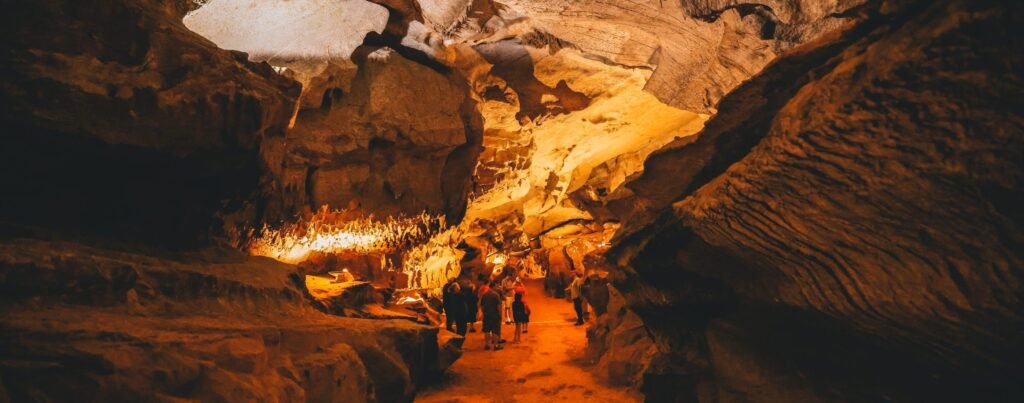
Around the world, many caverns are open to visitors, offering guided tours, educational exhibits, and even light shows that highlight their beauty. Some popular attractions include underground rivers, hiking paths, and photography opportunities.
Visiting a cavern can be both educational and awe-inspiring. It’s a chance to witness the slow power of nature and learn how geological forces shape our world. Whether you’re an adventure seeker, nature lover, or photographer, cavern offer something unforgettable for everyone.
Why Visit Caverns?
There are several reasons why exploring a cavern is worth adding to your travel list:
- Natural Beauty: Experience breathtaking rock formations and crystal-like structures.
- Adventure: Discover hidden chambers and winding passages deep beneath the Earth.
- Education: Learn about geology, minerals, and ancient Earth history.
- Peace and Calm: Many visitors find the quiet, cool air of cavern relaxing and meditative.
From family trips to solo adventures, visiting cavern combines fun, learning, and nature in one remarkable experience.
Environmental Preservation
Cavern are delicate ecosystems that can be easily damaged by pollution or careless exploration. Many national parks and conservation organizations work to protect these underground spaces.
Tourism is carefully managed to ensure that visitors can enjoy these wonders without harming their natural balance. Respecting guidelines—such as staying on paths and avoiding littering—is essential for keeping cavern pristine for future generations.
FAQs About Cavern
1. What is the difference between a cave and a cavern?
A cavern is a large, multi-chambered cave formed by natural processes like the dissolution of limestone. All caverns are caves, but not all caves are large enough to be caverns.
2. How old are most caverns?
Many caverns are millions of years old, formed gradually by water erosion and mineral deposits over vast periods.
3. Can you visit cavern year-round?
Yes. Caverns usually maintain a constant temperature, making them ideal to visit in any season.
4. Are there any dangers in visiting cavern?
Natural hazards like slippery surfaces or tight passages can exist, which is why guided tours are recommended for safety.
5. What should you wear when exploring cavern?
Wear sturdy, non-slip shoes, comfortable clothing, and a light jacket, as most cavern are cool and damp inside.
Final Thoughts
Caverns are among the most awe-inspiring wonders of the natural world. Formed by the timeless work of water, rock, and minerals, they reveal the hidden power of Earth’s geology. Each visit offers a glimpse into a silent world of beauty and mystery, shaped over millions of years beneath our feet.
Whether you’re exploring the vast chambers of Mammoth Cave, marveling at the glowworms of Waitomo, or simply learning about these natural formations, cavern remind us how powerful and artistic nature can be.
So, next time you plan an adventure, consider going underground. You might discover not only the wonders of caverns but also a deeper appreciation for the Earth itself.