Lava Caves and Beyond: Exploring Earth’s Fiery Tunnels
Lava Caves
Hidden beneath the surface of our planet are incredible natural wonders formed by flowing molten rock — lava caverns. These fascinating underground formations tell a story of Earth’s fiery origins and display mesmerizing patterns of cooled lava, making them a must-see for adventurers, scientists, and nature lovers alike. Lava caverns, also known as lava tubes, are some of the most breathtaking geological formations, created when lava from volcanic eruptions flows beneath the surface and cools over time.
In this article, we’ll explore what lava cave are, how they form, the most famous ones like the Bend Lava Cave, and what makes these hidden places so special for exploration.
What Are Lava Caves?
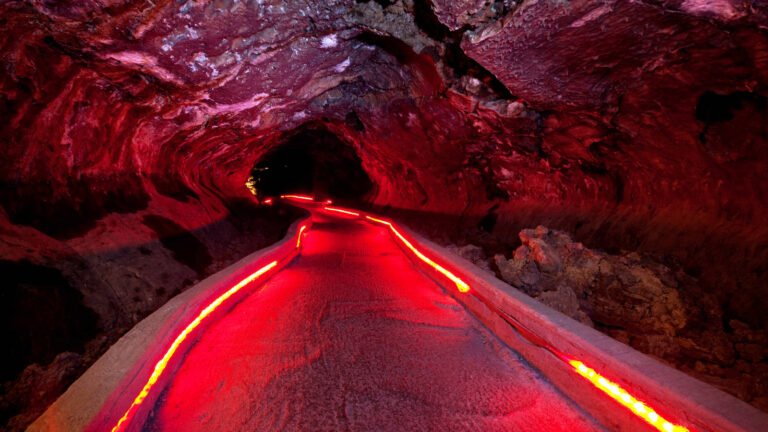
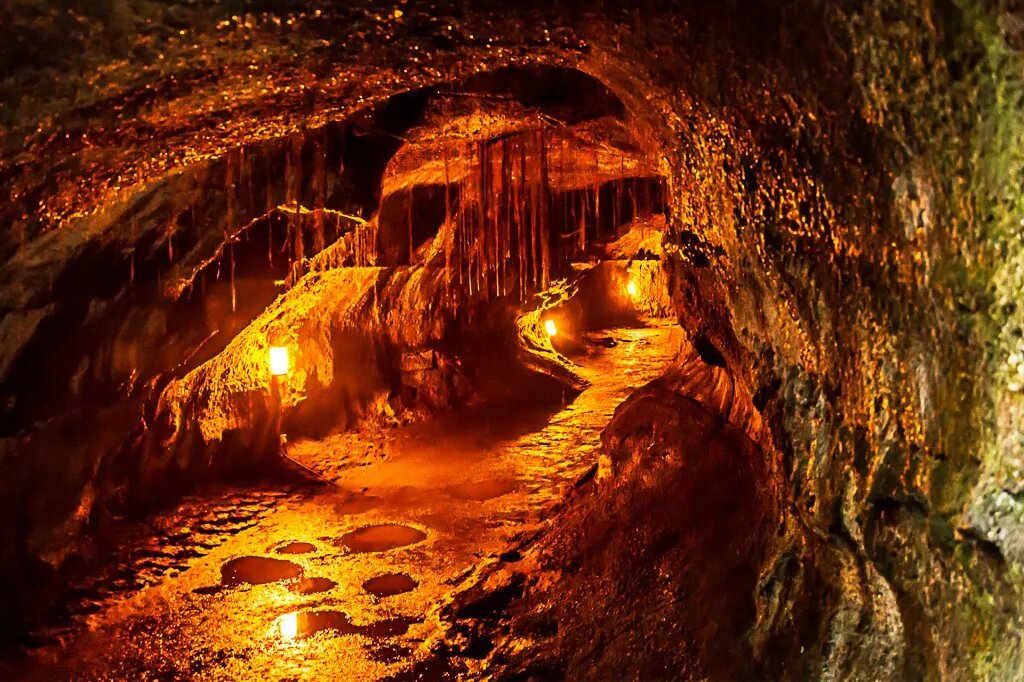
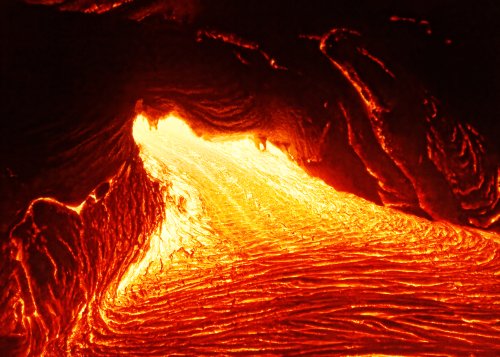
Lava caverns, or lava tubes, are formed during volcanic eruptions when molten lava flows from a volcano and the surface layer cools and hardens. Beneath this crust, hot lava continues to flow, creating hollow tunnels as it drains away. These tunnels, once empty, become lava caverns — remarkable underground corridors showcasing rippled walls, frozen drips, and unique mineral formations.
Unlike limestone cave formed by water erosion, lava caverns are created by heat and molten rock. This difference gives them a distinct appearance, with smoother walls and formations that often look like sculptures carved by fire.
How Lava Caves Are Formed
The process of lava cave formation begins during an active volcanic eruption. When lava streams down a slope, the outer layer is exposed to air and begins to cool faster than the inner flow. This hardened outer shell acts as an insulating roof while the molten lava continues to move beneath. Once the lava supply stops, the remaining molten rock drains out, leaving behind a hollow tunnel — a lava cave.
Over thousands of years, natural weathering and geological shifts may expand or collapse parts of these caves, adding to their beauty and mystery. Some lava caverns are small and narrow, while others stretch for miles beneath volcanic fields.
Bend Lava Caves: Oregon’s Underground Treasure
One of the most famous areas for exploring lava caverns in the United States is near Bend, Oregon. The Bend Lava Cave are part of the Newberry National Volcanic Monument, offering visitors a chance to step into the depths of an ancient lava tube.
The most well-known of these is the Lava River Cave, which extends nearly a mile underground. Discovered in 1889, it is Oregon’s longest continuous lava tube. Visitors can explore it through guided tours that reveal fascinating formations, such as lava benches and flow lines — evidence of the molten river that once rushed through the cave thousands of years ago.
The cave remains cool year-round, so explorers often bring jackets and flashlights to navigate the dark, chilly tunnels. The Bend Lava Cave give a glimpse into the geological history of Central Oregon and offer an unforgettable adventure into Earth’s volcanic past.
Notable Lava Caverns Around the World
While Bend Lava Cave is among the most famous in the U.S., lava caverns can be found across the globe in regions with volcanic activity. Some of the most remarkable examples include:
- Thurston Lava Tube, Hawaii – Located inside Hawaii Volcanoes National Park, this lava tube was formed by eruptions of Kilauea Volcano. Visitors can walk through the illuminated passage to experience the raw power of volcanic activity.
- Manjang Cave, South Korea – A UNESCO World Heritage site, this 5-mile-long lava tube on Jeju Island is one of the world’s longest and best-preserved. It features stunning lava stalactites and unique rock patterns.
- Ape Cave, Washington – Formed by lava flows from Mount St. Helens nearly 2,000 years ago, this cave system is one of the longest lava tubes in North America.
- Kazumura Cave, Hawaii – Measuring over 40 miles long, this is the world’s longest known lava tube, offering a labyrinth of passages with incredible formations.
Each of these caverns provides a unique look into how lava can shape the underground world in spectacular ways. Also visit the Luray Cavern.
Exploring Lava Cave Safely
Exploring lava cavern is an exciting adventure, but safety is essential. These caves can be dark, slippery, and cold, so preparation is key. Here are a few safety tips for visiting lava caverns:
- Bring proper lighting. Always carry at least two flashlights or headlamps with extra batteries.
- Wear sturdy footwear. The floor can be uneven and rocky.
- Dress in layers. Lava caverns often remain cool year-round, even in hot climates.
- Go with a guide. Many lava caverns require guided tours to ensure both safety and preservation.
- Never touch formations. Oils from human skin can damage delicate mineral surfaces.
Following these precautions ensures you can explore these natural wonders responsibly.
Lava Caves and Geology
Lava caves are not just beautiful; they hold immense geological importance. Scientists study these caverns to understand volcanic processes, lava flow dynamics, and even microbial life that survives in extreme environments. In fact, researchers believe studying lava caverns can help us understand similar formations on Mars and the Moon, where ancient volcanic activity once occurred.
Some lava tubes even host rare bacteria and fungi that thrive in low-light and mineral-rich conditions, contributing to scientific research in biology and astrobiology.
Lava Caverns in Popular Culture
Because of their mysterious and dramatic nature, lava caverns have captured the imagination of filmmakers and explorers alike. They have appeared in documentaries, adventure films, and travel shows as symbols of nature’s hidden power. Many travelers add them to their bucket lists because exploring a lava cave feels like stepping into another world — a world shaped by fire and time.
Best Time to Visit Lava Caverns
The ideal time to visit lava caverns depends on their location. For example, the Bend Lava Cave in Oregon are typically open to visitors from late spring through early fall, as the caverns close during winter months to protect bat populations. In tropical areas like Hawaii, lava tubes can be visited year-round, but it’s best to check local conditions and tour schedules before planning your trip. And also visit more caverns.
Lava Caverns and Conservation
Preserving lava cave is essential to maintaining their natural beauty and scientific value. Many caves are protected within national parks or monuments, which helps prevent damage from human activity. Visitors are encouraged to follow Leave No Trace principles — avoid littering, stay on marked paths, and respect wildlife that may inhabit these underground spaces.
Protecting lava cave ensures that future generations can experience and learn from these extraordinary formations.
Why Lava Caverns Are Worth Visiting
Lava cave offer a rare opportunity to experience the Earth from a completely different perspective. Walking through a lava tube means tracing the path of ancient molten rivers that once shaped our planet’s surface. Whether you’re an adventurer, photographer, or simply a lover of nature, exploring lava cave provides both thrill and education — a journey into the very core of Earth’s natural processes.
Frequently Asked Questions (FAQ)
What is a lava cave?
A lava cave, or lava tube, is a natural tunnel formed when flowing lava from a volcanic eruption cools on the surface while molten lava continues to flow underneath. Once the lava drains, it leaves behind a hollow passage.
Where are lava cave found?
Lava caverns are found in volcanic regions around the world, including Hawaii, Oregon, Iceland, South Korea, and the Canary Islands.
Can I visit lava caverns?
Yes, many lava caverns are open to the public and can be explored through guided tours, such as the Lava River Cave in Oregon or the Thurston Lava Tube in Hawaii.
Are lava caverns safe?
They are safe when explored with proper precautions. Always use a guide if available and carry reliable lighting.
How old are lava cave?
The age of lava cave varies depending on when the volcanic activity occurred. Some are thousands of years old, while others may have formed in recent centuries.
Conclusion
Lava cave are among the planet’s most spectacular natural wonders — shaped by the fiery force of volcanoes and cooled into intricate underground worlds. From the Bend Lava Cave in Oregon to the vast lava tubes of Hawaii and South Korea, these caves invite you to explore Earth’s geological history in a truly unforgettable way. Whether you seek adventure, education, or awe, a journey into a lava cave promises all three.