Reed Flute Cave, Guilin: A Colorful Underground World in China
Introduction:
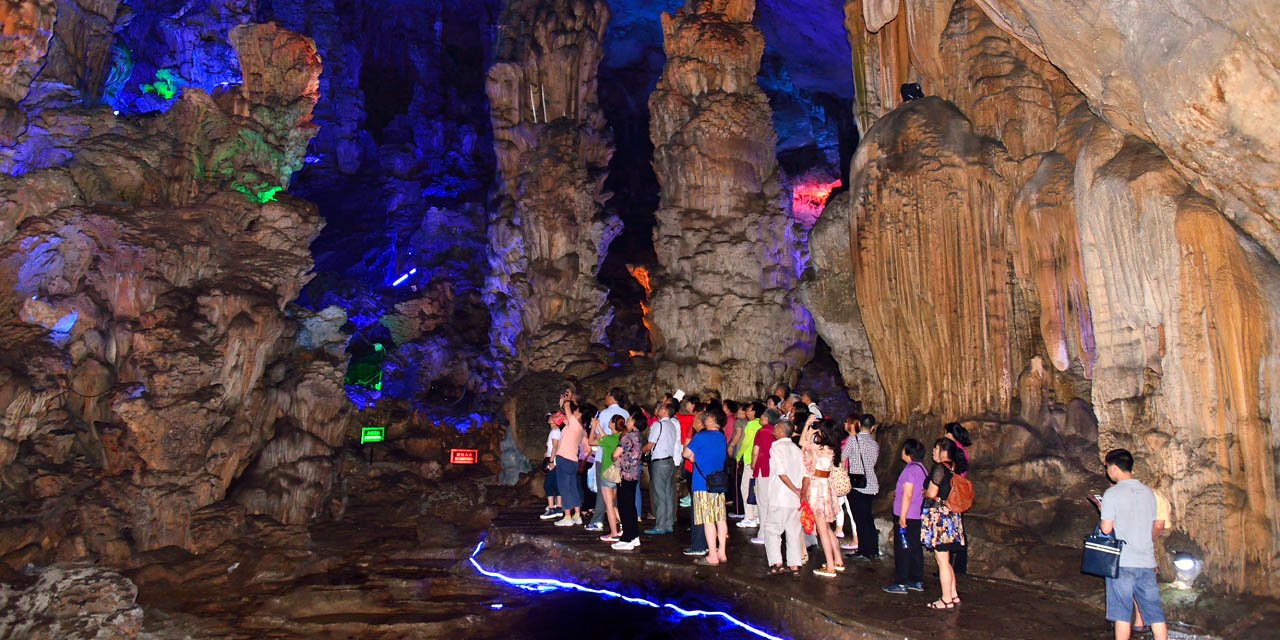
Reed Flute Cave is one of the most famous natural attractions in Guilin, China. Known for its stunning limestone formations, colorful lighting displays, and long history, it has become a must-see destination for travelers from around the world. The cave is believed to be over 180 million years old, shaped by water erosion that created stalactites, stalagmites, stone columns, and other dramatic formations over time. Today, it is not only a geological wonder but also a cultural experience, offering visitors a chance to explore ancient inscriptions and local legends connected to the site.
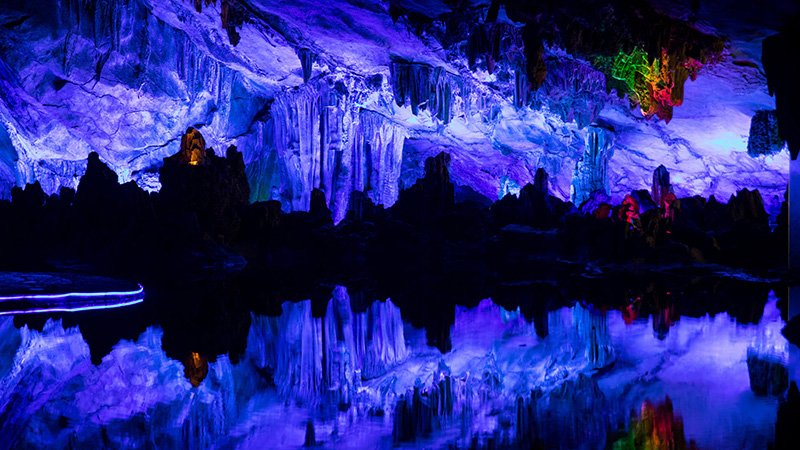
Located just a short distance from downtown Guilin, Reed Flute Cave is easy to reach and accessible for travelers of all ages. The cave stretches about 240 meters long and takes nearly an hour to walk through, depending on how much time is spent observing the formations. What makes it even more enchanting is the colorful lighting system installed to highlight the shapes and textures of the natural sculptures. These lights create a dreamlike atmosphere that transforms the cave into what many call a fairy-tale world underground.
The History of Reed Flute Cave
The name Reed Flute Cave comes from reed plants that grow near its entrance. These reeds were once used to make simple flutes, which is how the cave got its name. In ancient times, the cave served as a place of shelter and inspiration. Over 70 inscriptions from the Tang Dynasty can be seen carved into the cave walls, dating back more than 1,000 years. These inscriptions are considered valuable historical records, offering insight into Guilin’s culture and the travelers who once discovered and admired the cave.
During World War II, locals used Reed Flute Cave for protection during bombings, which adds another layer of history to the site. After the war, the cave became more widely known and eventually developed into a protected tourist attraction. Today, it is maintained carefully to preserve its natural beauty while allowing visitors to explore safely.
Spectacular Rock Formations and Lighting Displays
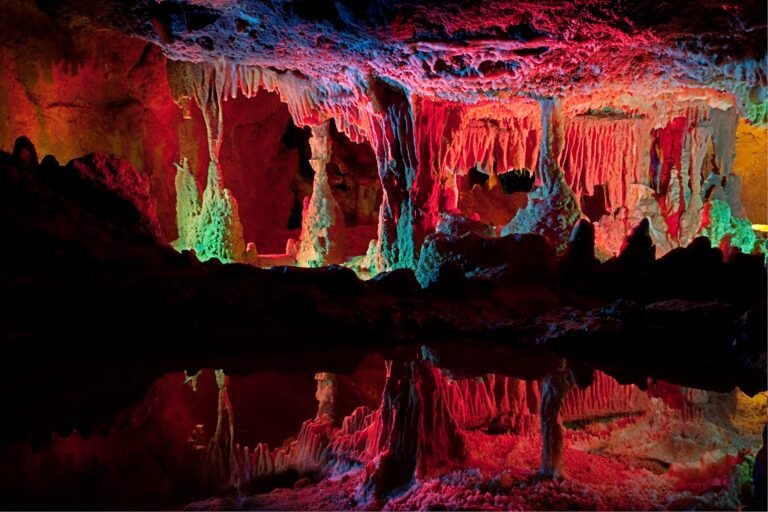
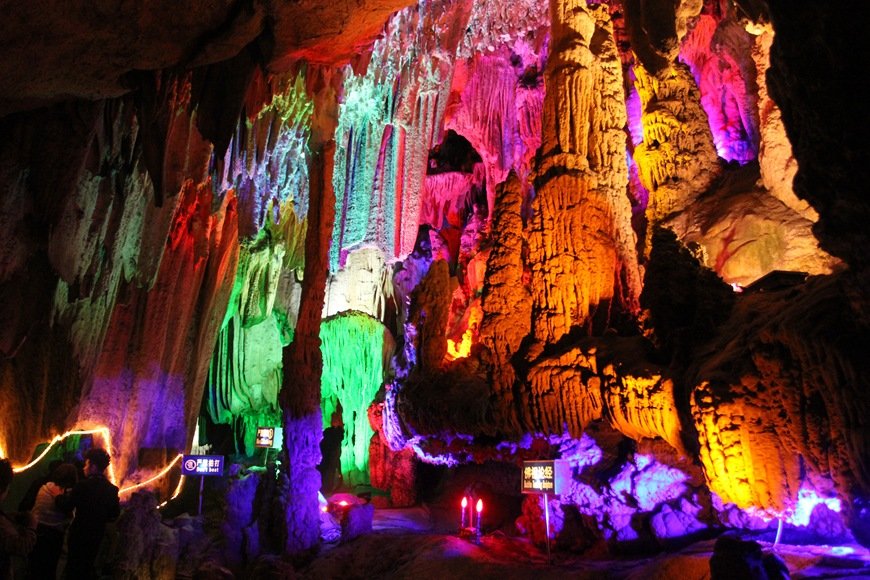
One of the most captivating features of Reed Flute Cave is the variety of rock formations inside. Over millions of years, dripping water containing minerals formed stalactites hanging from the ceiling and stalagmites rising from the ground. Some of the formations join together to form tall stone pillars. Others resemble animals, plants, mountains, or even city skylines, depending on how you look at them.
Tour guides often point out formations with names based on their shapes, such as the Crystal Palace, the Dragon Pagoda, and the Statue of Liberty. These names help visitors connect imagination with the natural formations, making the experience more interactive and engaging.
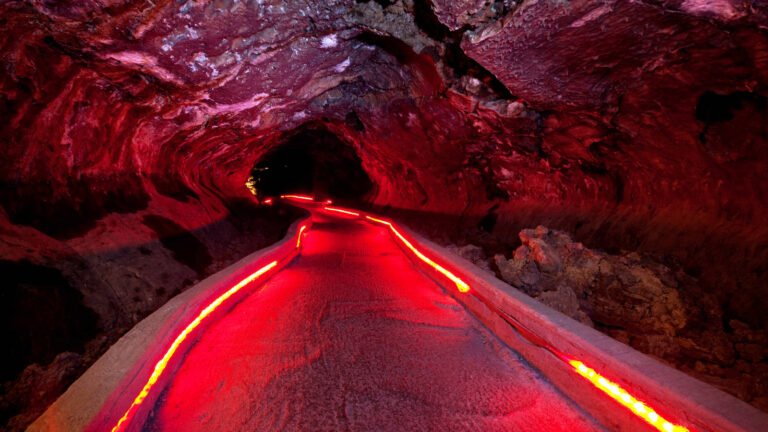
The lighting system plays an essential role in showcasing the beauty of Reed Flute Cave. Soft, multicolored lights shine on the stone surfaces, enhancing their textures and creating reflections in pools of water. The lights are carefully positioned to emphasize depth and space, making the cave feel larger and more dramatic. The effect is breathtaking and gives the cave its unique identity among other limestone caves around the world.
Visitor Experience and Travel Information
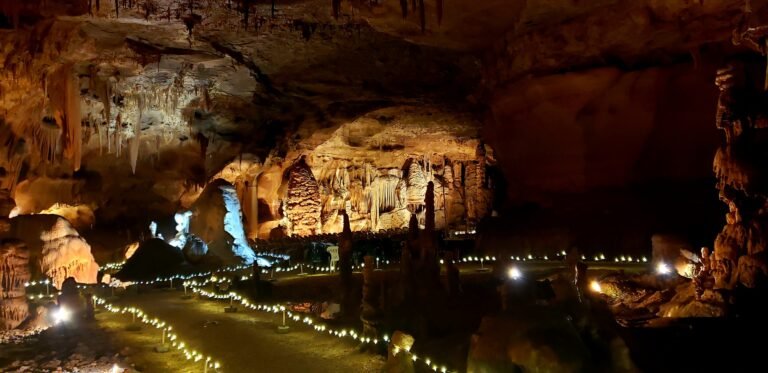
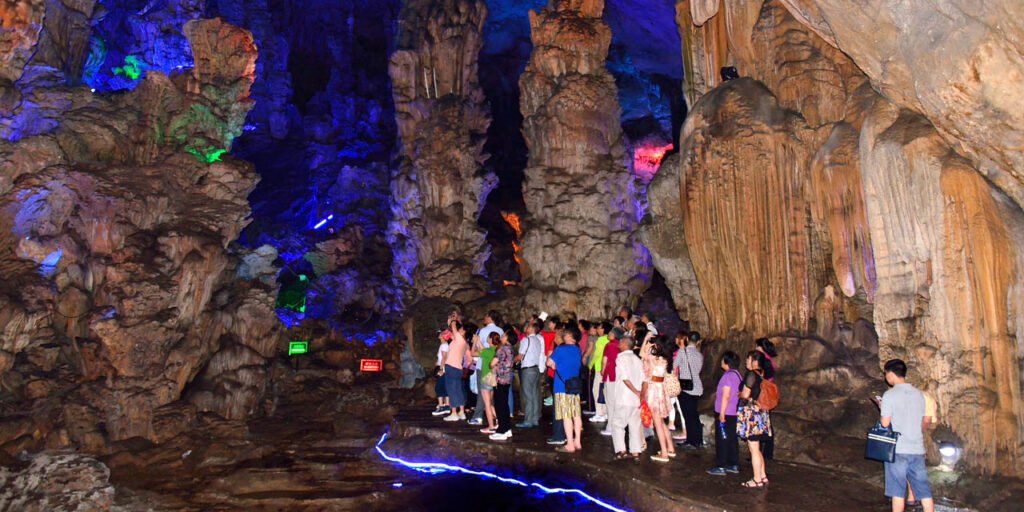
Visiting Reed Flute Cave is a comfortable experience, as the pathways inside are well-built and clearly marked. The cave remains cool and slightly humid year-round, which can feel refreshing during warm seasons. The tour is usually done on foot and does not require special equipment. Most visitors take a guided tour to learn stories and facts about the cave, but self-guided visits are also possible.
The best time to visit Reed Flute Cave is during the early morning or later afternoon to avoid peak tourist crowds. Weekdays are usually less busy compared to weekends and holidays. Photography is allowed, but some areas may require visitors to avoid using flash to protect the natural formations.
Cultural Significance and Local Legends
Reed Flute Cave is not only a natural wonder but also part of Guilin’s cultural identity. Local legends describe the cave as a hidden palace of dragons and spirits. These stories were passed down through generations and continue to shape how the cave is perceived today. Some believe that the cave was discovered by farmers who followed escaping goats into the mountain, while others claim ancient poets and scholars visited the cave searching for artistic inspiration.
The Chinese have long considered Guilin’s landscape one of the most beautiful in the country, often expressed in the phrase, “Guilin’s scenery is the best under heaven.” Reed Flute Cave stands as one of the highlights of this scenic region, drawing visitors who appreciate both nature and history. There are more beautiful caverns like Luray Cavern. You can visit for more fun and enjoyment.
Tips for Travellers
• Wear comfortable walking shoes, as the cave path can be slightly uneven.
• Bring a light jacket, as the cave may feel cool even in summer.
• Take your time to observe shapes and reflections for the best experience.
• If traveling with children, stay close, as some areas are dimly lit.
Reed Flute Cave (FAQ)
Is Reed Flute Cave suitable for children and elderly visitors?
Yes, Reed Flute Cave is accessible for most visitors. The pathways are stable, and guided tours can help ensure safety. However, those with mobility concerns should move slowly and use handrails where necessary.
How long does a visit to Reed Flute Cave take?
Most visits last around 45 minutes to one hour, depending on the pace and how much time you spend taking photos.
Can I take pictures inside the cave?
Yes, photography is allowed, and the cave is very photogenic. Just be mindful of signs asking visitors to avoid flash in certain areas.