The Washington DC Museum of Natural History
Introduction:
The Washington, DC Museum of Natural History is one of the most visited cultural institutions in the United States. Known for its fascinating exhibits, scientific research, and family-friendly attractions, the museum welcomes millions of guests every year. From dinosaur skeletons and gemstones to ocean life and ancient human history, it offers a journey through time and nature like no other. This guide explores exhibits, tickets, opening hours, maps, popular collections, and everything you need for a great visit.
The Importance of This National Museum
This iconic natural science centre is part of the Smithsonian Institution and is dedicated to exploring the world around us. With countless scientific collections and interactive displays, the museum inspires curiosity among children, students, and adults. Whether you love fossils, wildlife, minerals, or anthropology, every section of this historic building has something incredible to offer.
The History Behind the Institution
Long before it became the Washington, DC, Museum of Natural History, plans for a national science hub were already in motion. The museum officially opened in 1910 and has since expanded into one of the largest research centres in the world. Scientists here work in fields such as biology, palaeontology, botany, environmental science, and archaeology. Visitors not only enjoy stunning exhibits but also learn from real scientific discoveries.
What to Expect Inside the Museum
Inside, guests can explore permanent exhibits, rotating displays, and hands-on educational sections. Families love the interactive areas where children can touch fossils, watch live demonstrations, or speak with experts through special programs. The atmosphere is both informative and exciting, making it ideal for both short visits and full-day trips.
The Hall of Fossils and Dinosaurs
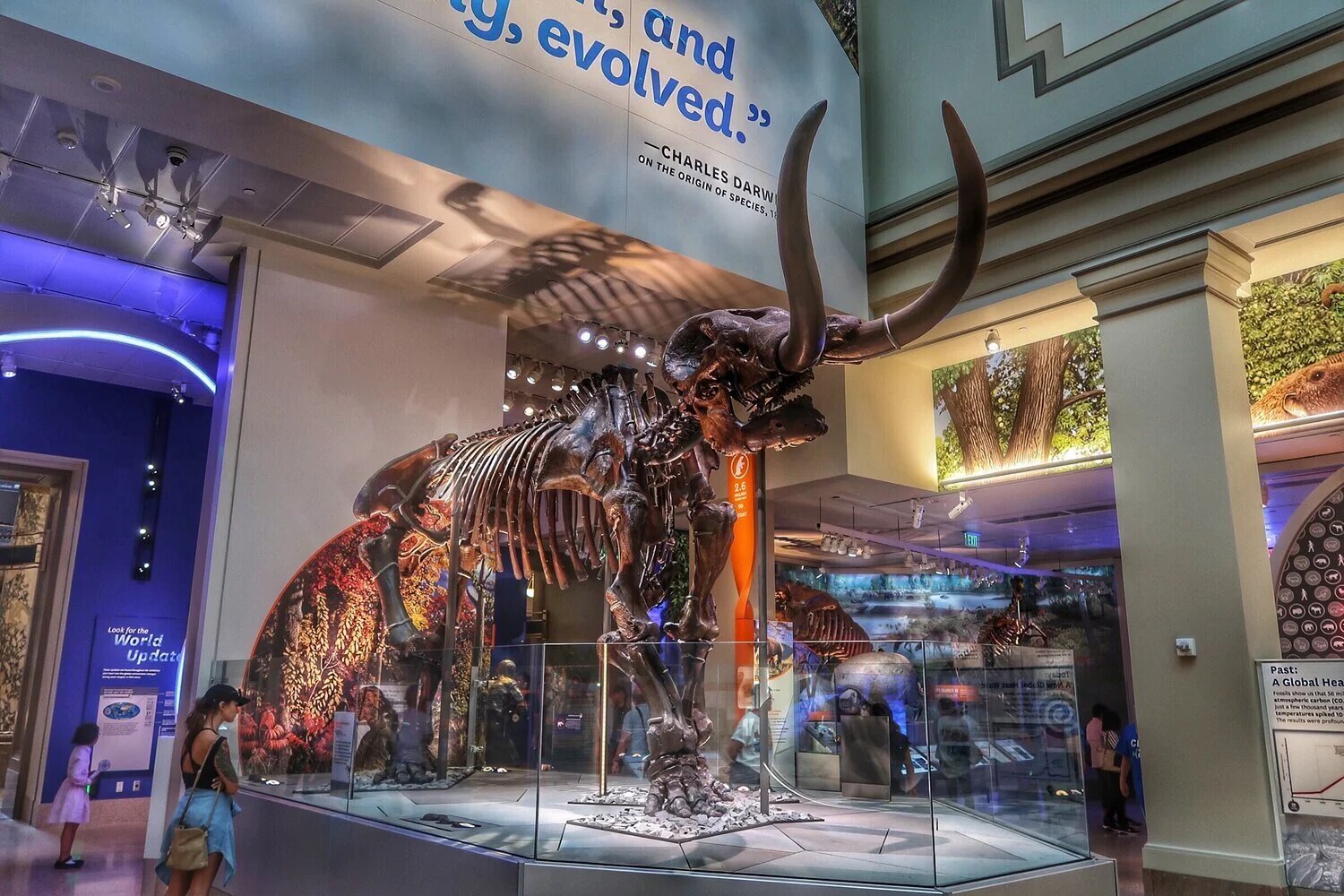
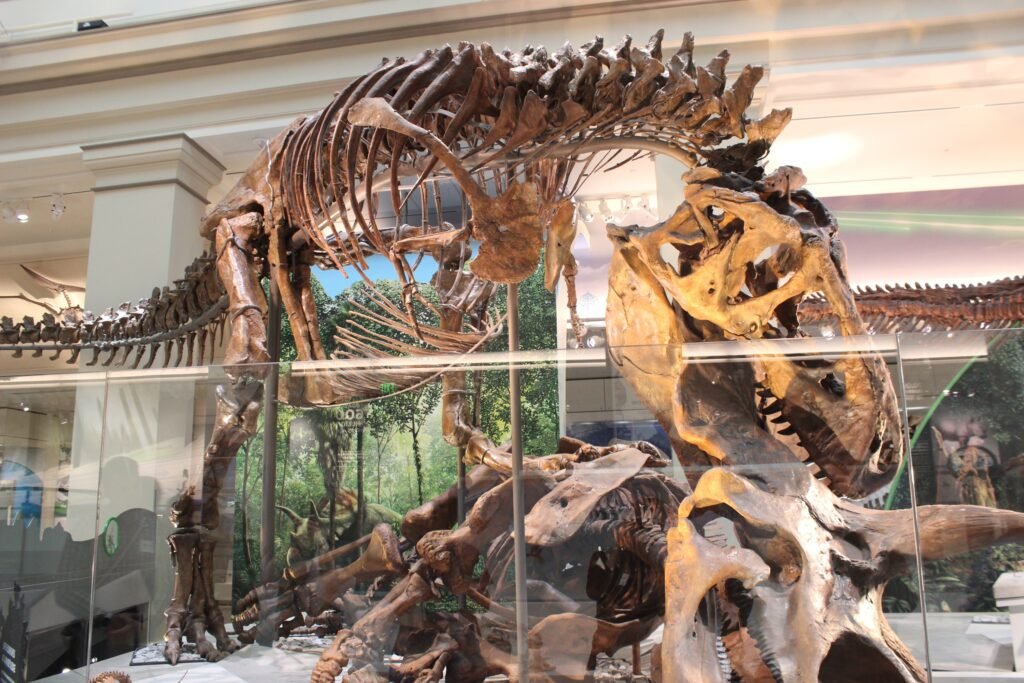
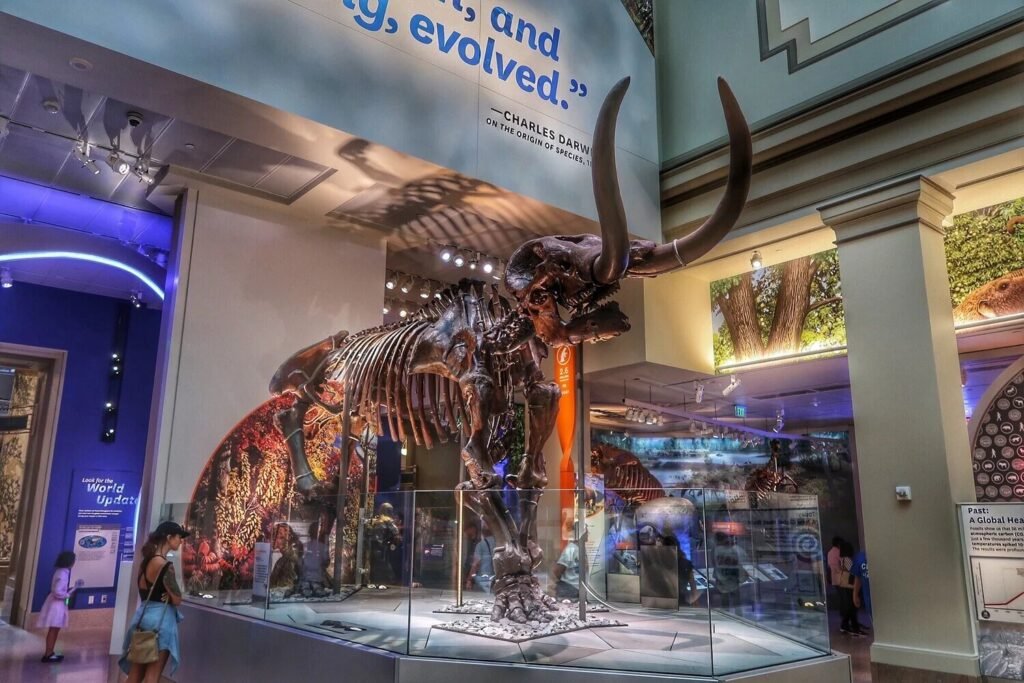
One of the most popular attractions is the fossil hall, featuring impressive dinosaur skeletons and prehistoric creatures. Visitors can walk through millions of years of Earth’s history, meet the towering Tyrannosaurus rex, and explore displays that show how ancient ecosystems evolved. Detailed panels explain extinction events, Earth changes, and the story of life before humans.
Gems and Minerals Exhibit
Another major highlight is the world-famous gem collection. The exhibit includes rare gemstones, sparkling minerals, meteorites, and geological treasures from around the world. The Hope Diamond is the centrepiece and draws thousands of curious visitors. This section provides a deep look at how crystals form, how gems are mined, and why certain stones are so valuable.
Ocean Hall
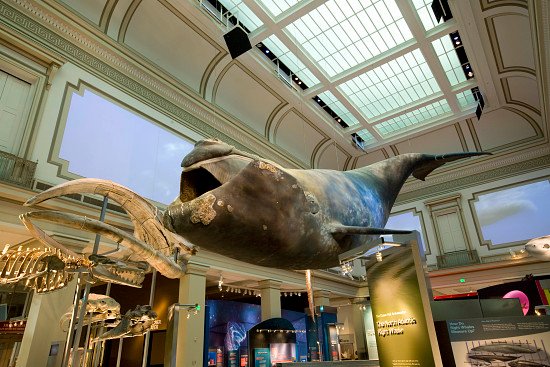
The ocean exhibit brings visitors face-to-face with giant squids, whale models, deep-sea creatures, coral reefs, and marine ecosystems. Through digital screens and life-sized displays, guests can learn about ocean conservation, endangered species, and underwater environments. It is one of the best areas in the museum for families because of its large, visually rich exhibits.
Hall of Human Origins
This area focuses on the story of humanity, exploring evolution, migration, early societies, and cultural development. Visitors can see ancient skulls, reconstructed early human species, and detailed timelines explaining how humans changed over thousands of years.
Live Butterfly Pavilion
The Butterfly Pavilion is a beautiful, peaceful space filled with exotic butterflies from around the globe. Guests can walk through a warm habitat where butterflies fly freely, land on plants, and sometimes even land on visitors. Though this area may require an entry fee, it is worth the experience, especially for nature lovers.
Museum Hours and Opening Times
This Smithsonian treasure typically opens daily, except on major holidays. Operating hours usually range from morning to early evening. Seasonal hours may change, so checking the official schedule before visiting is recommended. Morning hours tend to be less crowded, making it easier to explore the exhibits peacefully.
Tickets and Entry Information
Entry to most Smithsonian museums is free, including this premier natural science centre. Some special exhibits, such as the Butterfly Pavilion or IMAX theatre, may require a paid ticket. Families, students, and large groups can benefit from early planning to avoid long lines. Since general entry is free, it is one of the best attractions for budget-friendly travel in Washington, DC.
Museum Maps and Navigation
The museum is large, so visitors often use maps or digital guides to navigate. A map helps guests locate famous exhibits like dinosaurs, ocean life, gems, and anthropology sections. Museum maps are available at the entrance, on the website, and sometimes through QR codes displayed throughout the building. Planning your route can save time and ensure you don’t miss key highlights.
Educational Programs and Workshops
The institution hosts many educational programs for schools, homeschool groups, families, and adults. These include guided tours, science workshops, temporary exhibits, and seasonal events. Teachers often bring students for hands-on science learning, making it a powerful educational resource.
The Smithsonian Natural Science Hub
While the Washington DC Museum of Natural History is the official name, many locals and travellers refer to it as the Smithsonian natural science museum or the National Natural History Centre. This research and educational hub offers extensive collections that help scientists understand biodiversity, geology, climate, and anthropology.
Food and Amenities
The museum includes cafés, rest areas, restrooms, gift shops, and family-friendly seating areas. Guests can enjoy meals or snacks throughout the day, and the gift shop offers science-themed souvenirs, books, toys, and minerals.
Accessibility and Guest Services
The building is wheelchair-friendly, with elevators, ramps, accessible restrooms, and helpful staff. Services are available for guests with disabilities, including audio tours and assistance tools. These improvements make the museum inclusive for every visitor.
Why This Smithsonian Museum Is a Must-Visit
This legendary science institution stands out for its educational value, world-class exhibits, and free entry. Whether you’re interested in dinosaurs, the natural world, gemstones, evolution, or scientific discoveries, the museum offers unforgettable experiences. Families, tourists, students, and researchers all find something exciting here.
Final Thoughts
The Washington, DC, Museum of Natural History remains one of the greatest places to explore science, history, and the natural world. Its massive exhibits, interactive programs, and world-leading research make it an essential destination for anyone visiting the capital. With free admission, family-friendly features, and endless learning opportunities, it continues to inspire millions every year.
(FAQ)
Is the museum free?
Yes, general admission is free for all visitors.
What is the most famous exhibit?
The Hope Diamond and the dinosaur hall are among the most popular attractions.
Are guided tours available?
Yes, but availability varies. Visitors should check the schedule in advance.
Does the museum have food options?
Yes, cafés and snack areas are available inside
How long does a visit take?
Most visitors spend 2 to 4 hours, but science lovers may stay all day.
Do I need tickets for special exhibits?
Some special areas, like the Butterfly Pavilion, may require paid tickets.