Nile River: Location, History, Length & Interesting Facts (Easy Guide 2025)
Introduction
The Nile River is one of the most famous rivers on the planet. It is known for its long history, its connection with Ancient Egypt, and its role in supporting millions of people in Africa. For thousands of years, the Nile has been called the “Gift of Life” because it made it possible for humans to farm, travel, and build civilizations in places that were otherwise deserts.
In this complete and simple guide, you will learn everything about the Nile River—its location, history, importance, countries it flows through, wildlife, tourism, fun facts, and much more.
1. What Is The Nile River?
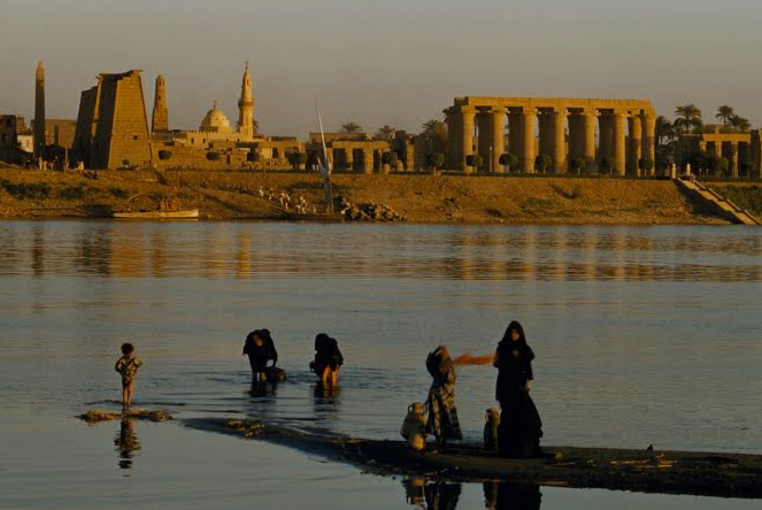
The Nile River is one of the longest rivers in the world, stretching across thousands of kilometers in Africa. It flows from the central and eastern regions of Africa all the way to the Mediterranean Sea in the north.
Geographers and historians believe that the Nile River played a major role in the growth of ancient civilizations, especially the Egyptian Civilization, one of the oldest in the world.
2. How Long Is the Nile River?
The Nile River is about:
6,650 kilometers (4,130 miles) long
This makes it one of the top two longest rivers on Earth, competing with the Amazon River in South America.
3. Where Does The Nile River Flow?
The Nile River flows through 11 African countries, making it one of the most international rivers in the world.
Countries The Nile Passes Through:
- Uganda
- Kenya
- Tanzania
- Rwanda
- Burundi
- South Sudan
- Sudan
- Ethiopia
- Eritrea
- Democratic Republic of Congo
- Egypt
Finally, it ends in the Mediterranean Sea.
This long journey is what makes the river so important for millions of people.
4. Sources Of The Nile River
The Nile River has two main branches or sources:
A. White Nile
- Starts from Lake Victoria in Uganda
- Longest branch of the Nile
- Known for calm, steady flow
B. Blue Nile
- Starts from Lake Tana in Ethiopia
- Brings most of the water and nutrients
- Powerful and fast
Both rivers meet in Khartoum, Sudan, creating the main Nile River that flows into Egypt.
5. Why Is The Nile River Important?
The Nile River is extremely important for several reasons. It supports life, agriculture, economy, and culture.
A. Source Of Fresh Water
Many African countries depend on the Nile for:
- Drinking water
- Household use
- Farming
Without the Nile, millions of people in Egypt and Sudan would not have enough water.
B. Agriculture
The Nile has been a rich farming spot for thousands of years. When it floods, it leaves behind fertile soil that helps grow crops like:
- Wheat
- Corn
- Rice
- Sugarcane
- Vegetables
Even today, most of Egypt’s farms are near the Nile.
C. Transportation
The river works like a natural highway. Boats carry:
- People
- Food
- Goods
- Building materials
In ancient times, this made Egypt a major trading center.
D. Electricity
The Nile is used to generate hydroelectric power in dams, such as:
- Aswan High Dam (Egypt)
- Roseires Dam (Sudan)
E. Tourism
Millions of tourists visit Nile attractions every year, including:
- Nile cruises
- Ancient temples
- Pyramids
- Museums
- Resorts
Tourism helps local economies grow.
6. The Nile River In Ancient Egypt
The Nile is deeply connected to ancient Egyptian life and religion.
A. Farming And Survival
Ancient Egyptians depended completely on the Nile’s floods. The fertile soil helped them grow food in the desert.
B. Religion
Egyptians believed the Nile was a gift from their gods. They worshipped Hapi, the god of the Nile.
C. Building Pyramids
Large stones were transported through the Nile, making it easier to build pyramids and temples.
D. Settlements
Almost all ancient cities were built along the Nile because it provided:
- Water
- Food
- Transport
- Safety
Without the Nile, Egypt would not have existed.
7. Wildlife In The Nile River
The Nile is home to a variety of animals.
A. Nile Crocodile
One of the largest and most dangerous reptiles in the world.
B. Fish
The river contains more than 100 species of fish, including:
- Nile perch
- Catfish
- Tilapia
C. Birds
Common birds around the Nile include:
- Herons
- Flamingos
- Eagles
- Ducks
D. Hippos
Found in some areas, especially near Uganda and South Sudan.
The river supports a full ecosystem of plants and animals.
8. Famous Cities Along the Nile
The Nile River passes through several important cities:
1. Cairo (Egypt)
Capital city with museums, pyramids, and modern life.
2. Luxor (Egypt)
Home to temples and the Valley of the Kings.
3. Aswan (Egypt)
Famous for its dam and beautiful river views.
4. Khartoum (Sudan)
Where the White and Blue Nile meet.
5. Jinja (Uganda)
Close to Lake Victoria, a major Nile source.
These cities heavily depend on the Nile for daily life.
9. The Nile River Delta
The Nile Delta is where the river meets the Mediterranean Sea. It is one of the most fertile areas in the world.
It supports:
- Farming
- Fishing
- Villages
- Wildlife
Most of Egypt’s population lives around the delta.
10. Modern Uses of the Nile River
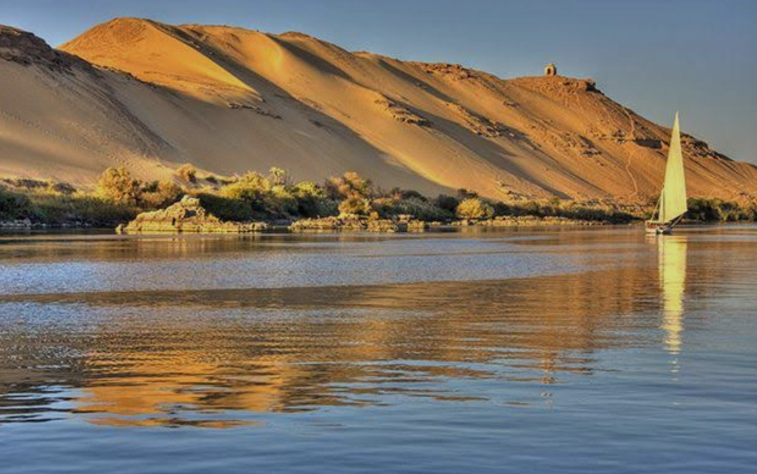
Even today, the Nile is vital for Africa.
A. Drinking Water
More than 300 million people depend on the Nile.
B. Farming And Food Supply
Irrigation systems use Nile water to produce crops for local and international markets.
C. Dams And Hydropower
Dams on the Nile produce electricity for:
- Homes
- Businesses
- Factories
D. Travel And Tourism
Cruise ships travel from Luxor to Aswan every day, attracting tourists worldwide.
11. Challenges Faced By The Nile River
Though important, the Nile faces environmental problems.
A. Pollution
Caused by:
- Plastic waste
- Factories
- Sewage
- Agriculture chemicals
B. Overuse Of Water
Countries use more water than the river naturally produces.
C. Climate Change
Changing rainfall patterns affect:
- River flow
- Floods
- Drought
D. Dam Conflicts
Countries often disagree on how dams affect water flow.
These challenges need strong cooperation to solve.
12. Interesting Facts About the Nile River
Here are some fun and surprising facts:
- The Nile is over 7,000 years old.
- Ancient Egyptians used the river to predict seasons.
- The pyramids are located near the Nile.
- The river flows from south to north, which is rare.
- Hippos and crocodiles still live in the river.
- The Nile Delta is one of the world’s biggest deltas.
- Many ancient stories and legends mention the Nile.
13. Why The Nile River Will Always Be Important
Even after thousands of years, the Nile remains a lifeline for:
- Farmers
- Fishermen
- Students
- Tourists
- Governments
- Wildlife
Without the Nile, life in Egypt and Sudan would be extremely difficult.
Conclusion
The Nile River is a natural wonder that has shaped history, culture, and human life for thousands of years. From ancient Egypt to modern African nations, the river continues to provide water, food, electricity, transportation, and beauty. Its importance will never end, and protecting it is essential for the future.
This complete guide gives you everything you need to know about the Nile—from its history to its wildlife and future challenges. The river remains a symbol of life, nature, and civilization.
Want more interesting facts like this? Check out our full guide on TheCavee.com — updated daily with fresh, easy-to-read content.