
Rock Climbing: A Complete Guide for Beginners and Enthusiasts
Introduction:
Rock climbing used to be a specialist outdoor pastime, but now it’s a popular fitness exercise that people of all ages love. This activity is a blend of physical difficulty, mental focus, and pure fun. It can be done in crowded cities at indoor gyms or outside on natural cliffs and boulders. Whether you are curious about trying an indoor wall for the first time or comparing bouldering with rope-based styles, this guide will walk you through everything you need to know in clear, easy American English.
Understanding the Sport of Vertical Climbing
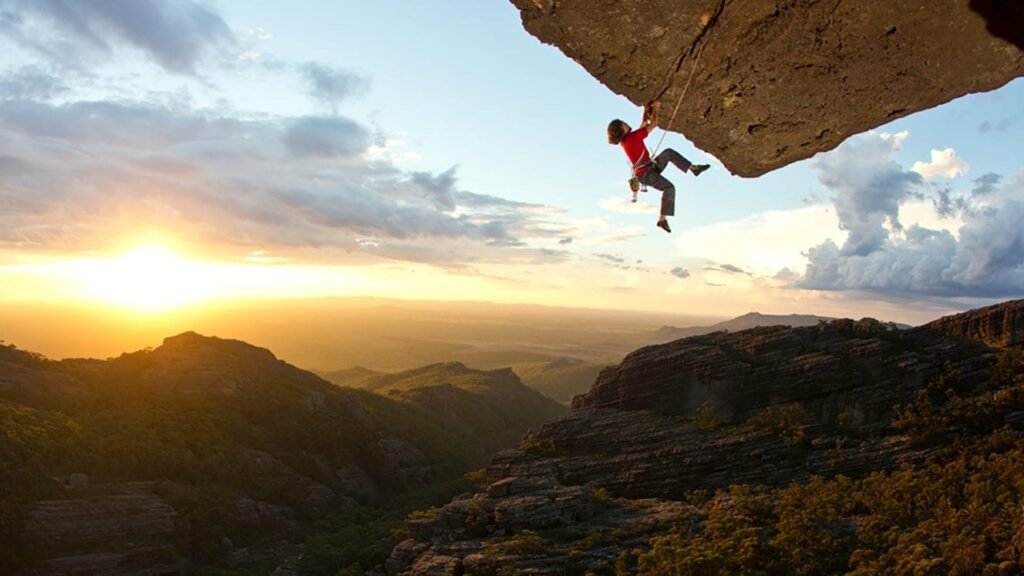
At its core, this activity is about moving your body upward using strength, balance, and problem-solving skills. Climbers use their hands and feet to navigate routes, often called problems or lines, that vary in difficulty. Unlike many traditional workouts, it engages the whole body while also requiring concentration and strategy.
People are drawn to this sport because it feels more like play than exercise. Each route is a puzzle, and reaching the top delivers a sense of achievement that few workouts can match. It is also highly adaptable, making it suitable for kids, adults, beginners, and elite athletes alike.
Indoor Rock Climbing Wall: A Safe Way to Start
An indoor climbing wall is often the first step for beginners. These artificial walls are designed to simulate natural rock surfaces while offering a controlled and safe environment. Holds are color-coded, allowing climbers to follow specific routes based on skill level.
Indoor walls are popular because they remove many of the risks associated with outdoor ascents. There is no concern about weather, loose rock, or remote locations. Most facilities provide padded flooring or harness systems, making falls safer and less intimidating. This makes indoor walls ideal for learning basic techniques such as foot placement, grip control, and body positioning.
Indoor Rock Climb: Why It’s So Popular
Indoor facilities have exploded in popularity, especially in urban areas. Gyms offer climate-controlled environments, professional instruction, and social settings that make the sport approachable. Many people discover climbing as a fun alternative to traditional gym workouts like treadmills or weightlifting.
Another reason for its growth is accessibility. You do not need expensive gear to start, as most gyms offer rentals. Routes are frequently changed, so climbers always face new challenges. This variety keeps workouts fresh and prevents boredom, which is a major reason people stick with the sport long-term.
Indoor Rock Climbing Near Me: How to Find the Best Gym
Searching for indoor climbing near me usually leads to several local gym options, especially in larger cities. When choosing a facility, think about things like cleanliness, staff knowledge, route variety, and safety standards.
Gyms that are good for beginners usually offer intro classes, belay training, and easy-to-understand grading systems. Reading online reviews and visiting during off-peak hours can help you understand the atmosphere. If you’re new and feeling hesitant, a friendly community and helpful staff can make a big difference.
Rock Climbing Wall for Kids: Building Confidence Early
A climbing wall for kids is designed with safety and fun in mind. These walls are usually shorter, feature larger holds, and include softer landing areas. Many gyms also run youth programs, birthday parties, and summer camps focused on climbing-based activities.
This sport helps children build strength, coordination, and confidence while improving problem-solving skills in a positive environment.
Rock Climbing Gym: What to Expect Inside
A modern climbing gym is much more than walls and ropes. Most facilities include bouldering areas, top-rope and lead sections, training boards, and fitness spaces. Some even offer yoga classes and cafés.
These gyms are also social spaces where climbers exchange tips, support one another, and build friendships. New participants often find the atmosphere welcoming rather than competitive, which makes learning more enjoyable.
Rock Climbing Near Me: Outdoor vs Indoor Options
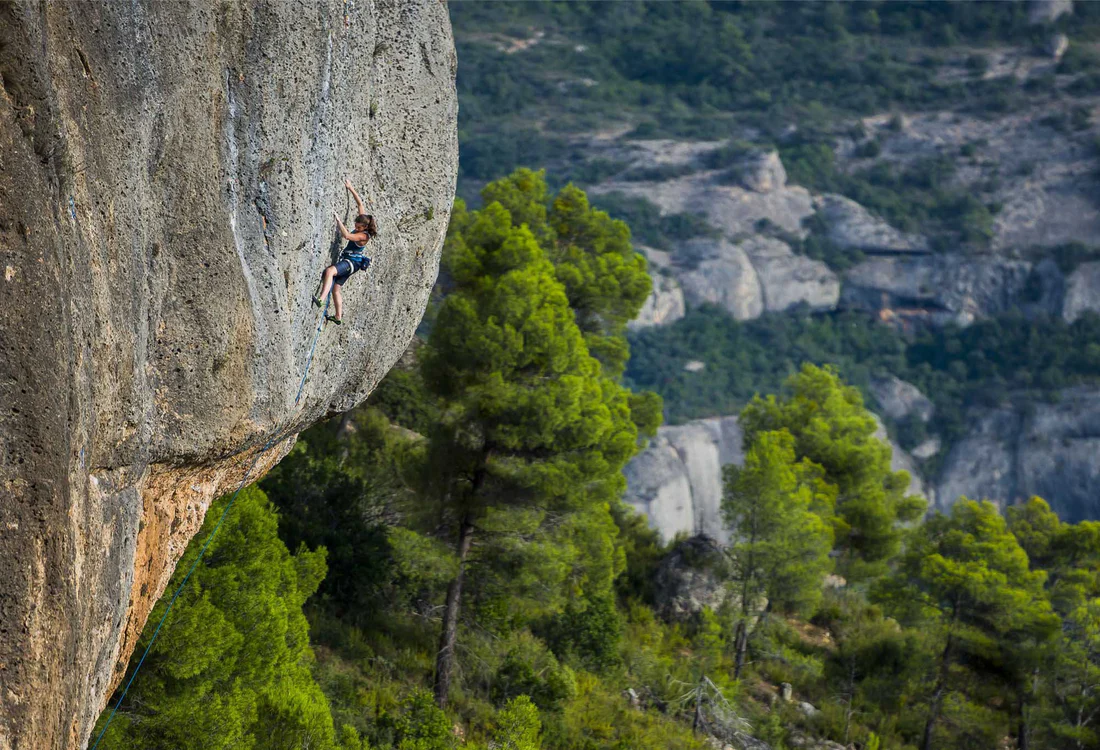
When people search for climbing near me, they may find both indoor facilities and outdoor locations. Outdoor ascents allow climbers to connect with nature and experience real rock features that artificial walls cannot fully replicate. However, they require more gear, experience, and planning.
Beginners are usually encouraged to start indoors, where instruction and safety systems are readily available. As skills improve, many climbers transition outdoors with experienced partners or guided programs. Both options offer unique benefits, and many enthusiasts enjoy a mix of the two.

Mad Rock Climb: Gear and Innovation
Mad Rock Climb is a well-known brand in the climb world, recognized for producing innovative and affordable gear. From shoes to harnesses and chalk bags, the company focuses on accessibility without compromising performance.
Quality equipment plays an important role in comfort and safety. Well-fitted shoes improve precision, while reliable harnesses and ropes build confidence. Brands like Mad Rock have helped lower the barrier to entry for beginners.
Bouldering vs Rock Climbing: Key Differences Explained
Many newcomers ask about the difference between bouldering and rope-based climbing. Bouldering involves shorter walls without ropes, using thick mats for protection. Routes are often more powerful and technical, focusing on short sequences of movement.
Rope-based styles involve taller walls, harnesses, and belay systems, placing greater emphasis on endurance and route reading. Both approaches have unique challenges, and many climbers enjoy switching between them depending on goals and energy levels.
Physical and Mental Benefits of Climbing
This activity provides a full-body workout that engages arms, legs, core, and back muscles. Unlike repetitive exercises, it requires constant movement adjustment, which improves balance and coordination. Over time, participants notice gains in strength, flexibility, and stamina.
Mentally, climbing promotes focus and problem-solving. Each route requires planning and adaptability, helping reduce stress and improve concentration. Many people describe it as a form of moving meditation. Also visit Stone Mountain for more adventure.
Essential Gear for Beginners
Getting started does not require much equipment. Most beginners need shoes, a harness, and chalk. Shoes should fit snugly without causing pain, as precision matters more than comfort.
Gyms typically provide ropes and safety systems, keeping initial costs low. As interest grows, many climbers choose to invest in personal gear for hygiene and convenience.
Safety Tips Every Beginner Should Know
Safety is a critical part of climbing. Learning proper falling techniques, checking harnesses, and understanding belay systems are essential. Most gyms require safety orientations before independent use.
Listening to instructors, warming up properly, and knowing personal limits help prevent injuries. Progressing gradually is key, as overexertion is a common beginner mistake.
Training and Improving Your Skills
Improvement comes with patience and consistent practice. Beginners should focus on technique rather than raw strength, learning efficient footwork and balance. Observing experienced climbers and asking questions can speed up progress.
Structured training routines that include grip strength and flexibility work help climbers advance safely. In the early stages, consistency matters more than intensity.
The Social Side of the Climbing Community
One of the most rewarding aspects of this sport is the community. Gyms frequently host events, competitions, and social nights that bring people together. Participants tend to be supportive and encouraging at all levels.
This welcoming culture helps newcomers feel comfortable and motivated. Many long-term friendships begin on the wall, making the experience more meaningful than a solo workout.
Conclusion
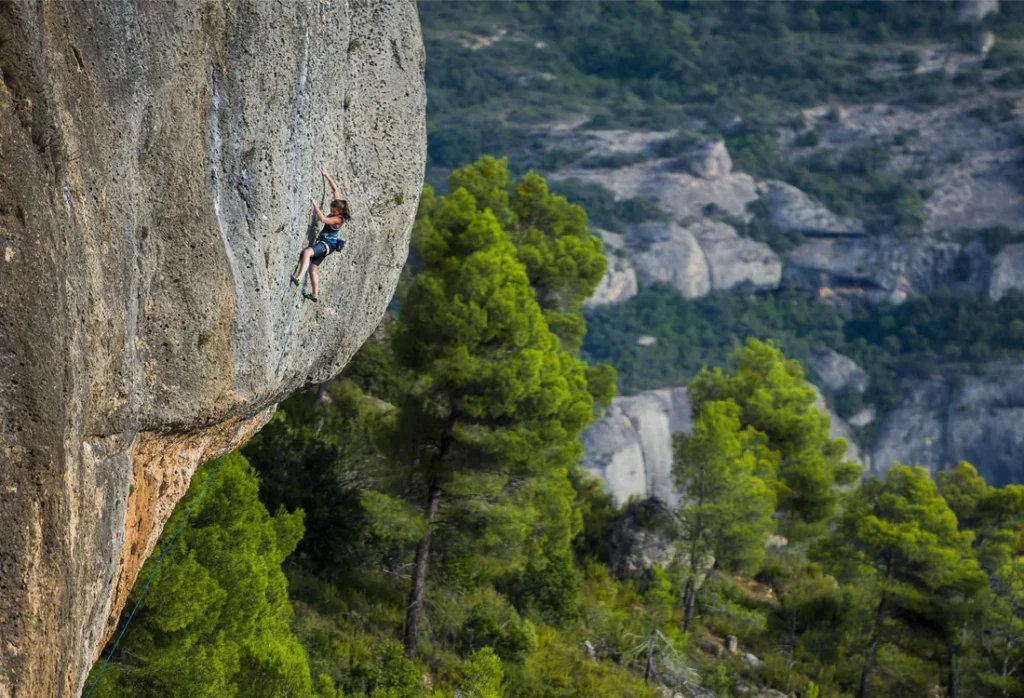
Rock climb combines physical fitness, enjoyment, and mental challenge into a single activity. Whether you prefer indoor walls, gym sessions, or comparing bouldering with rope-based styles, there is something for everyone. With accessible facilities, supportive communities, and endless routes to explore, it is easy to see why so many people discover this sport and keep coming back.
Frequently Asked Questions
Is climbing suitable for beginners?
Yes, most gyms are beginner-friendly and offer lessons, rental gear, and easy routes.
Do I need to be strong to start?
No, technique and balance matter more than strength, which develops naturally.
Is it safe for kids?
Yes, with supervision and age-appropriate areas, it is safe and beneficial.
How often should beginners train?
Two to three sessions per week are ideal for steady progress.
What is the difference between bouldering and rope-based climbing?
Bouldering uses shorter walls without ropes, while rope systems involve taller walls with harnesses and belay devices.
Visit thecavee.com for more nature things.