Mount Hood: Oregon’s Iconic Peak and Cultural Heart
Introduction:
Rising dramatically above northern Oregon, Mount Hood stands as one of the most recognizable natural landmarks in the Pacific Northwest. We see it not just as a mountain, but as a living symbol of adventure, resilience, and regional pride. Snow-capped for most of the year, this volcanic peak shapes the climate, culture, and economy of the surrounding region. From outdoor recreation to education, healthcare, and tourism, the influence of this mountain reaches far beyond its slopes.
This towering presence attracts climbers, skiers, photographers, families, and road-trip travelers alike. Some come for adrenaline-filled winter sports, others for peaceful forest hikes or scenic viewpoints that feel almost unreal. We also recognize its deeper role in local life, supporting communities, colleges, medical centers, and cultural venues that carry its name with pride. Understanding this destination means looking at both its natural beauty and its human connections.
In this guide, we explore every significant aspect of the area, from geography and weather to recreation, infrastructure, and community life. Whether planning a visit or simply wanting to understand why this peak holds such importance, this detailed overview delivers a complete picture in clear, approachable language.
Mount Hood, Oregon: A Symbol of the Pacific Northwest
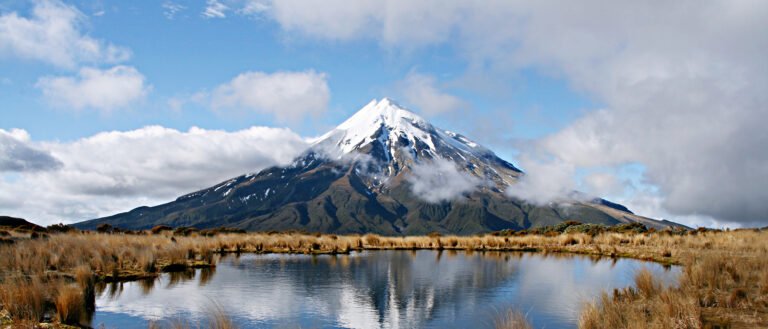
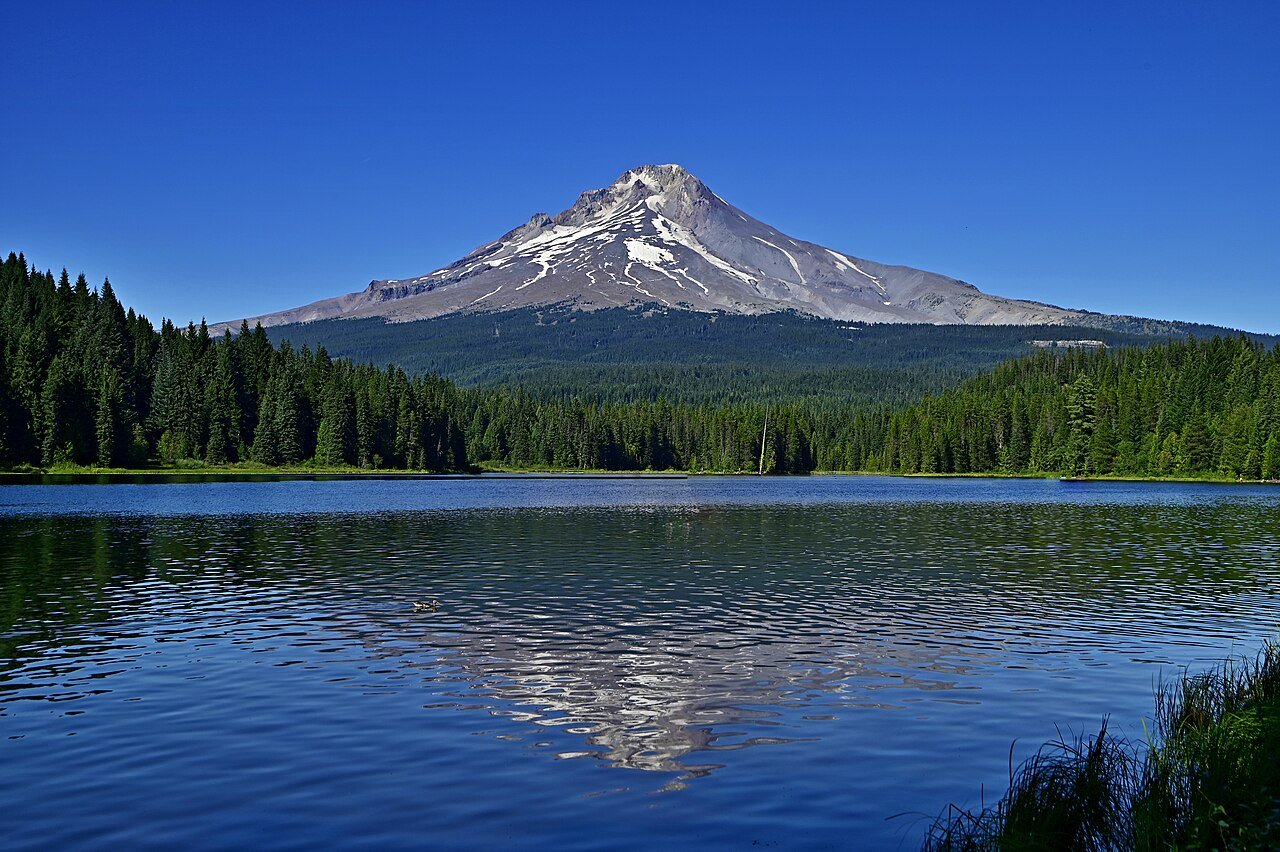
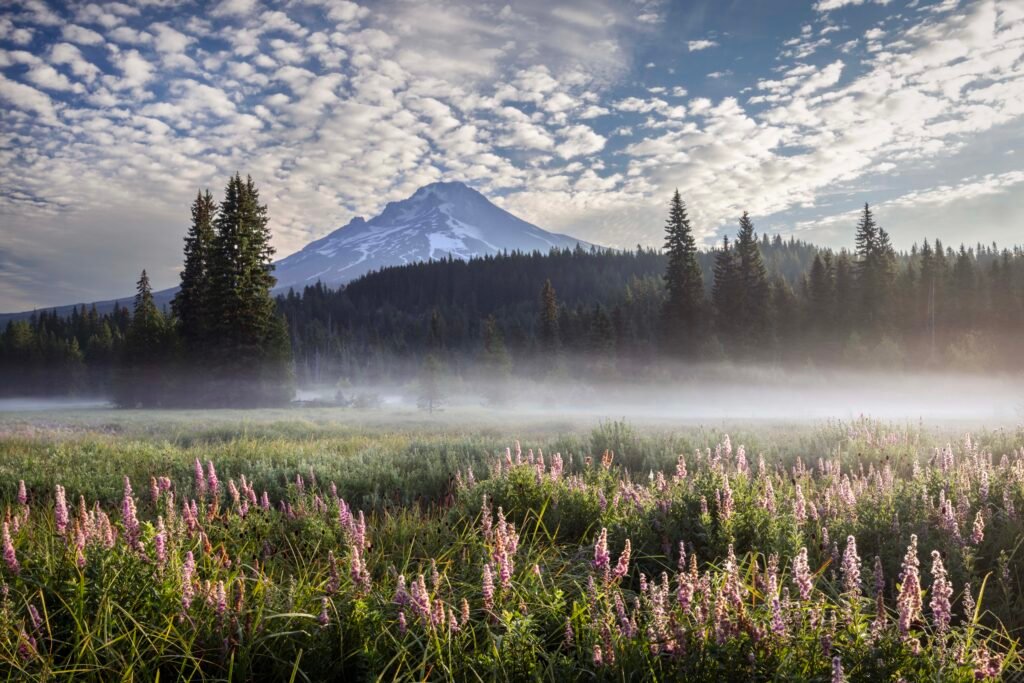
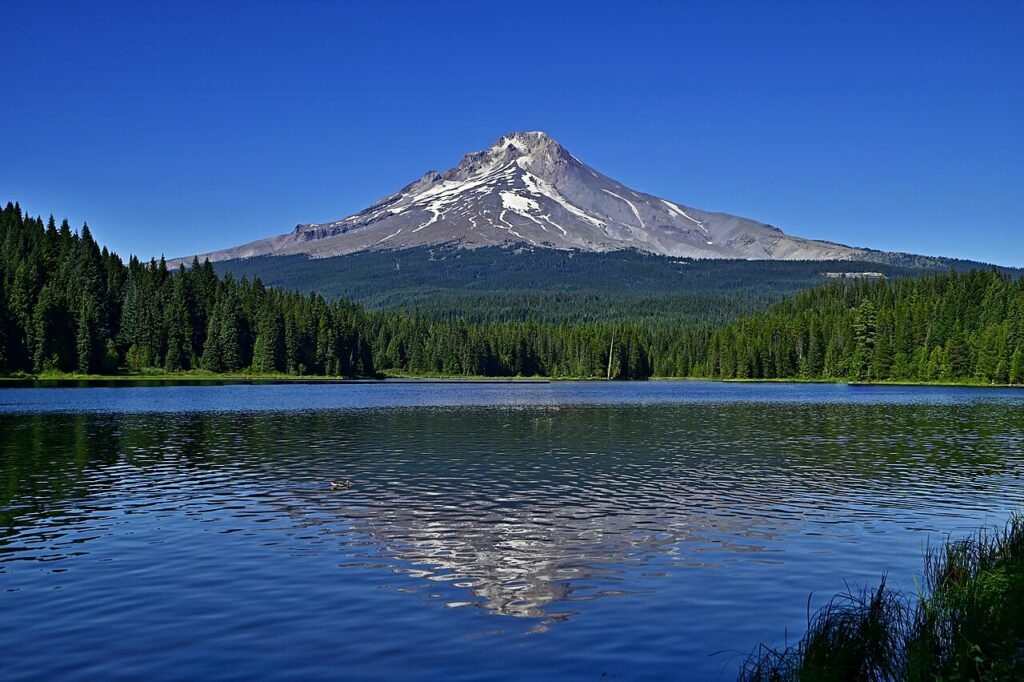
People frequently picture a lone snow-covered peak surrounded by evergreen forests when they think about Oregon’s landscape. That picture is from Mount Hood, Oregon, which is a key component of the state’s identity. This stratovolcano, which is a member of the Cascade Range and is situated in the state’s northern section, acts as a visual anchor for the area. It is visible from Portland on clear days, serving as a reminder of nature’s ever-present presence to both locals and tourists.
Oregon’s outdoor culture heavily relies on the mountains. We connect it with mountaineering, skiing, hiking, and beautiful drives that feature alpine meadows and deep forests. Rivers that sustain ecosystems and agriculture far downstream are fed by its glaciers. At the same time, the mountain’s surroundings have developed into a network of tiny communities and leisure destinations that depend on tourism and seasonal tourists.
This mountain has cultural importance in addition to recreational value. The mountain has long been revered by indigenous communities, who incorporate it into myths and customs that precede contemporary colonization. Today, that heritage is combined with new applications to create a location where nature, history, and contemporary living come together. This harmony contributes to the mountain’s potent representation of the spirit of the Pacific Northwest.
Where Is Mount Hood Located
The accessibility and attractiveness of this landmark peak can be explained by knowing its physical location. It is one of the most accessible central mountains in the United States, situated roughly 50 miles east of Portland. Easy day getaways, weekend excursions, and year-round travel without lengthy travel times are made possible by this location’s proximity to a major urban city.
The mountain is located in north-central Oregon and is encircled by rivers, forests, and small towns that act as entry points for tourists. The area is seamlessly connected by highways and picturesque byways, providing travelers with a variety of routes based on the weather and season. Because ski resorts and local businesses are so important, winter access is kept up.
The mountain is situated at a climate crossroads due to its location. While eastern regions are dryer, western slopes receive a lot of rain and snowfall. Because of this contrast, tourists can enjoy a variety of landscapes in a comparatively short area without having to drive far.
Height of Mount Hood, Oregon
Standing at 11,249 feet above sea level, the height of Mount Hood, Oregon, makes it the tallest peak in the state. This elevation gives it a Mount Hood, located in Oregon, which is the state’s highest mountain, rising 11,249 feet above sea level. Its year-round snowcap is a result of this elevation, which also lends it an imposing presence. We observe how this height affects everything from climbing challenges to weather patterns and even the availability of water for nearby areas.
The Cascade Range was formed over millions of years by volcanic activity, which is responsible for the mountain’s height. It is still closely watched and stable for recreation, even though it is likely active. The difficulty of reaching the peak, which calls for technical expertise, the right gear, and consideration for quickly shifting conditions, attracts climbers.
Elevation has modest effects on tourists as well. Visibility can vary in a matter of minutes, weather can change rapidly, and temperatures can drop dramatically as altitude rises. Because of this, even seasoned adventurers must prepare. The mountain’s character is defined by its height, which is more than just a number. Everyone who walks on its slopes must respect the mountain.
Mount Hood Weather
Weather conditions around the mountain are as dynamic as the terrain itself. We experience long, snowy winters, mild springs, dry summers, and crisp autumns, each offering its own appeal. World-class skiing and snowboarding are made possible by the considerable snowfall that occurs during the winter. Hiking paths, wildflowers, and photo-friendly blue sky are all revealed in the summer.
The weather can change quickly due to the elevation. Storms can form suddenly, and sunny mornings might give way to overcast afternoons. Before leaving, we encourage travelers to review forecasts and keep an eye on real-time updates thoroughly. This unpredictability contributes to the mountain’s excitement, but it also highlights how important planning is.
Road access, trail conditions, and available activities are all impacted by seasonal weather patterns. Flexible plans, layered clothes, and snow chains are frequently required. Respecting the mountain’s climate allows tourists to have memorable and safe experiences all year long.
Mount Hood National Forest
Surrounding the mountain is a vast protected area known as the Mount Hood National Forest, covering more than one million acres of land. We see this forest as the true backbone of outdoor recreation in northern Oregon. Alpine lakes, rivers, waterfalls, old-growth woods, and hundreds of miles of hiking, biking, horseback riding, and snowshoeing paths can all be found there. In addition to providing a natural buffer that protects wildlife habitats, the forest enables people to enjoy nature responsibly.
The forest’s environmental variety is astounding. Dense Douglas fir and western hemlock can be found at lower levels, whereas hardy, wind-and snow-adapted plants can be found in alpine settings at higher elevations. Sightings of wildlife, including deer, elk, black bears, and numerous bird species, are frequent. Additionally, these ecosystems are essential for managing water since they supply rivers that sustain cities and farmland.
Conservation and recreation are carefully matched. Trailheads, picnic spaces, and campgrounds are kept up to lessen their adverse effects on the environment. We gain from this careful management since it guarantees that the same pristine landscapes will be enjoyed by future generations. Going to the forest is about more than simply having fun; it’s about realizing the responsibility that comes with having access to such a remarkable natural resource.
Mount Hood Meadows
Mount Hood Meadows, a sizable ski and entertainment area renowned for its broad terrain and contemporary amenities, is one of the most well-liked locations on the mountain. We acknowledge that it is a significant contributor to winter tourism, drawing snowboarders and skiers from all across the area. It serves both novices and pros with its numerous lifts, diverse runs, and consistent snowfall.
The region is a hive of activity in the winter. Even first-time visitors can access it thanks to lessons, rentals, and dining alternatives. The terrain becomes a high-altitude playground for trekking and tourism during the warmer months. The vibrant meadows created by wildflower blossoms are a world away from the bustle of the metropolis.
This sector stands out for its emphasis on guest experience and sustainability. The goal of infrastructure upgrades is to increase comfort and safety while lessening the impact on the environment. We see it as an example of how, in a delicate alpine environment, enjoyment and environmental management may successfully coexist.
Mount Hood Meadows Camera
Live video feeds are now a vital resource for tourists organizing mountain vacations. The Mount Hood Meadows camera system offers images of visibility, weather, and snow conditions in real time. We depend on these cameras to help us make wise judgments, particularly in the winter when things might shift drastically.
There are several uses for these cameras. Photographers keep an eye on lighting conditions, motorists evaluate road safety, while skiers check for snowfall and crowd levels. Seeing the current state of affairs lowers uncertainty and enhances general safety. Additionally, it helps control expectations by making sure guests are ready for what lies ahead.
The cameras provide something more subdued than just functionality. Even from a distance, they offer a link to the mountain. The mountain’s importance as a continual presence in local life is reinforced by the expectation and appreciation created by seeing clouds drift over ridges or new snow cover the slopes.
Mount Hood Ski Bowl
Mount Hood Ski Bowl, which is well-known for its night skiing, is another popular winter destination. In contrast to larger ski areas, we consider it to be a family-friendly resort with a unique vibe. Illummountains offer a distinctive experience that appeals to both locals and tourists by allowing people to ski after dusk.
Snow tubing is another aspect of the resort that makes it accessible to anyone who want to have fun in the winter but are not skilled skiers. In the summer, Ski Bowl becomes an adventure park featuring chairlift rides, zip lines, and alpine slides. Its popularity is increased by its year-round adaptability.
The friendly atmosphere is the most notable feature. Because the emphasis is on enjoyment rather than exclusivity, families, school groups, and casual tourists frequently choose it. It is essential for bringing mountain activity to younger generations in a laid-back and friendly manner.
Mount Hood View Points
Scenic viewpoints around the mountain offer some of the most breathtaking vistas in Oregon. We value these locations for their accessibility and visual impact. Many are reachable by car, making them perfect for travelers who want memorable views without strenuous hikes.
These vantage spots offer expansive views of far-off peaks, valleys, and woods. Because the environment is transformed into layers of color and shadow by shifting light, sunrises and sunsets are especially spectacular. In order to get famous shots, photographers frequently schedule their vacations around these times.
Beyond aesthetics, these viewpoints encourage reflection. Standing above the landscape offers perspective, reminding us of the scale and complexity of the natural world. They are places where people pause, breathe, and reconnect with something larger than themselves.
Mount Hood Railroad
The Mount Hood Railroad offers a different way to experience the region, blending history with scenic travel. We see this heritage railway as both an attraction and a living reminder of the area’s logging and transportation past. The route winds through forests, farmland, and small towns, offering views that are not accessible by road.
Passengers enjoy themed excursions, seasonal events, and narrated journeys that highlight local history. The relaxed pace allows travarea’sto absorb the scenery without the distractions of driving. This makes it especially appealing to families and visitors seeking a slower, more immersive experience.
The railroad also supports local tourism by connecting visitors to nearby attractions and communities. It demonstrates how historical infrastructure can be repurposed to serve modern needs while preserving cultural heritage.
Mount Hood Golf Course
A unique high-altitude experience can be had playing golf close to the mountain. Every round at the Mount Hood golf course is unforgettable because it blends difficult play with breathtaking scenery. We like how the course incorporates natural elements without dominating them.
The golf calendar is influenced by seasonal factors, with summer months seeing the most play due to the pleasant weather and unobstructed views. Players must modify their tactics and club choices as a result of elevation variations, which make the game more challenging.
The course also serves as a social hub, bringing together locals and visitors in a relaxed outdoor setting. It highlights how recreation around the mountain extends beyond winter sports, offering something for every interest.
Mount Hood Village
Mount Hood Village acts as a gateway community for visitors exploring the area. It is a convenient base offering lodging, dining, and essential services. Its location allows easy access to ski areas, trails, and scenic drives.
The community has a relaxed, friendly vibe. Lodges provide tourists looking for close access to outdoor activities, while restaurants specialize in comfort cuisine and regional specialties. This combination promotes return visits and longer stays.
Seasonal celebrations and community events give tourists a taste of local life instead of just a tourist experience. First impressions of the area are greatly influenced by the village.
Legacy Mount Hood Medical Center
Healthcare access is an often-overlooked but vital aspect of regional infrastructure. Legacy Mount Hood Medical Center provides essential medical services to the surrounding communities. We recognize its importance not only for residents but also for visitors engaging in outdoor activities.
The facility offers emergency care, specialized services, and ongoing community health programs. Its presence ensures that high-quality medical support is available close to recreational areas, enhancing overall safety.
Beyond clinical care, the center contributes to employment and economic stability in the region. It stands as a reminder that thriving communities require more than natural beauty alone.
Mount Hood Community College
Mount Hood Community College is an important institution in the area, and education is crucial to community growth. In our opinion, it serves as a link between workforce demands and education by providing programs that complement regional businesses.
Academic degrees, technical training, and chances for further study are all offered by the college. Because of its accessibility, students from a variety of backgrounds benefit, boosting the local labor and economy.
Another feature is the involvement of the community. The college’s events, workshops, and cultural initiatives enhance the neighborhood, transforming education from an isolated institution into a shared communal asset.
Mount Hood Theater, Gresham, Oregon
Gresham’s cultural aspect is embodied by the Mount Hood OregonTheater. We see it as a location that unites community events, music, and the arts under one roof. Live music performances, movie screenings, and local shows are all examples of performances.
Larger venues frequently lack the intimate feel that the theater’s historic charm brings. It promotes regional artists and draws in traveling performers, fostering a thriving cultural landscape.
Cultural venues like this theater counterbalance the area’s emphasis on the outdoors and remind people that fostering good communities requires both creativity and expression in addition to recreation.
Mount Hood National Park: Clarifying the Name
Contrary to popular belief, Mount Hood National Park does not exist. Because the region is a national forest, it can be used for a variety of purposes, such as resource management, conservation, and enjoyment. This distinction, in our opinion, is crucial to comprehending land management.
Access and allowed activities in national forests are different from those in national parks. This adaptability preserves environmental protections while supporting a variety of uses. Local communities are also able to interact economically with the land thanks to it.
Visitors can better appreciate the region’s unique balance between accessibility and preservation by being aware of its distinction.
Frequently Asked Questions
Is the mountain active?
The volcano is considered potentially active but is closely monitored and currently safe for recreation.
Can beginners hike on the mountain?
Lower-elevation trails are suitable for beginners, while summit climbs require experience and preparation.
When is the best time to visit?
Winter is ideal for snow sports, while summer offers hiking, sightseeing, and mild weather.
Are there family-friendly activities?
Yes, including snow tubing, scenic rail rides, golf, and village attractions.
Do I need permits to visit?
Some areas require parking permits or recreation passes, depending on location and activity.
Visit thecavee.com for more interesting facts about mountains.