Liffey River Ireland – The Heart of Dublin’s History and Culture
Introduction
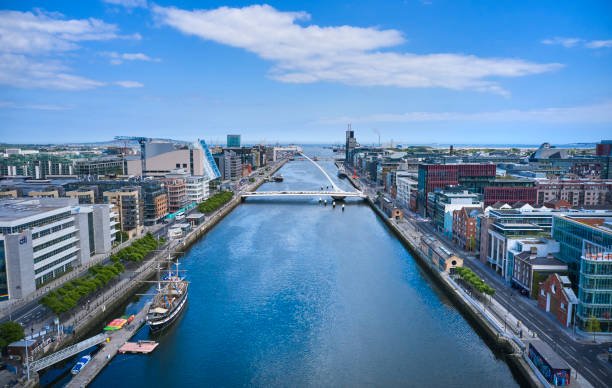
The Liffey River Ireland is one of the most iconic waterways in the country, flowing through the heart of Dublin and shaping the city’s identity for centuries. More than just a river, it represents history, commerce, literature, architecture, and daily life in Ireland’s capital. From ancient settlements to modern waterfront developments, this river has been a witness to Ireland’s transformation across generations.
This in-depth guide explores its origins, historical significance, famous landmarks, tourism value, environmental role, and why it remains one of Ireland’s most treasured natural features.
Origins and Geographic Journey of the River
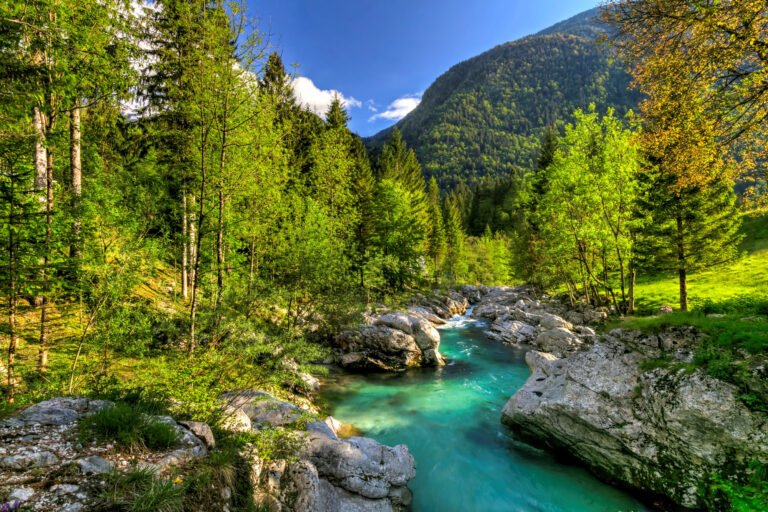
The river rises in the Wicklow Mountains, often called the Garden of Ireland. It flows westward through scenic valleys before turning north and entering Dublin, eventually meeting the Irish Sea at Dublin Bay.
Spanning approximately 125 kilometers, it passes through both rural countryside and urban landscapes. Along the way, it provides water resources, supports ecosystems, and offers breathtaking natural scenery.
Historical Importance in Irish Development
Since ancient times, the river has been central to settlement, trade, and transportation. Early communities relied on it for fishing, fresh water, and farming. Later, it became a major trade route for merchants, with goods imported and exported.
During medieval times, Dublin developed as a port city along its banks, strengthening economic and cultural ties with Britain and continental Europe. Over time, industries, docks, and bridges emerged, shaping the city’s commercial growth.
The Role of the River in Dublin’s Identity
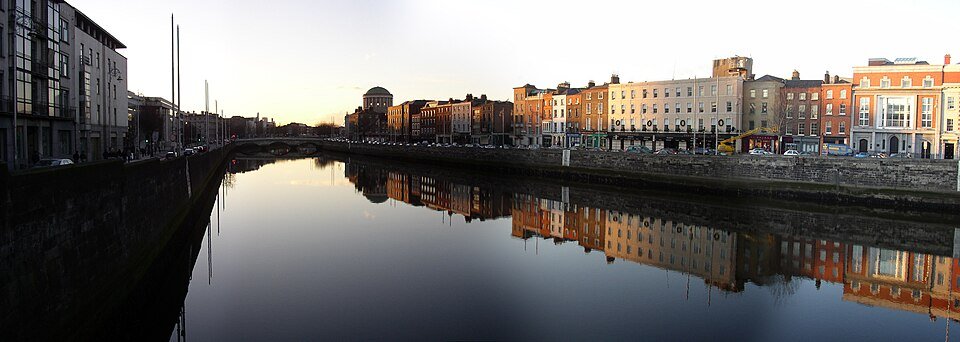
The river divides Dublin into two distinct sides: the Northside and the Southside. Each side developed unique cultural characteristics, neighborhoods, and traditions, contributing to the city’s diverse personality.
From historic pubs and markets to theaters and art districts, both sides of the city owe much of their layout and development to the presence of this waterway.
Famous Bridges Crossing the River
Dublin is known for its beautiful bridges, many of which span the river and serve as landmarks in their own right.
Notable bridges include:
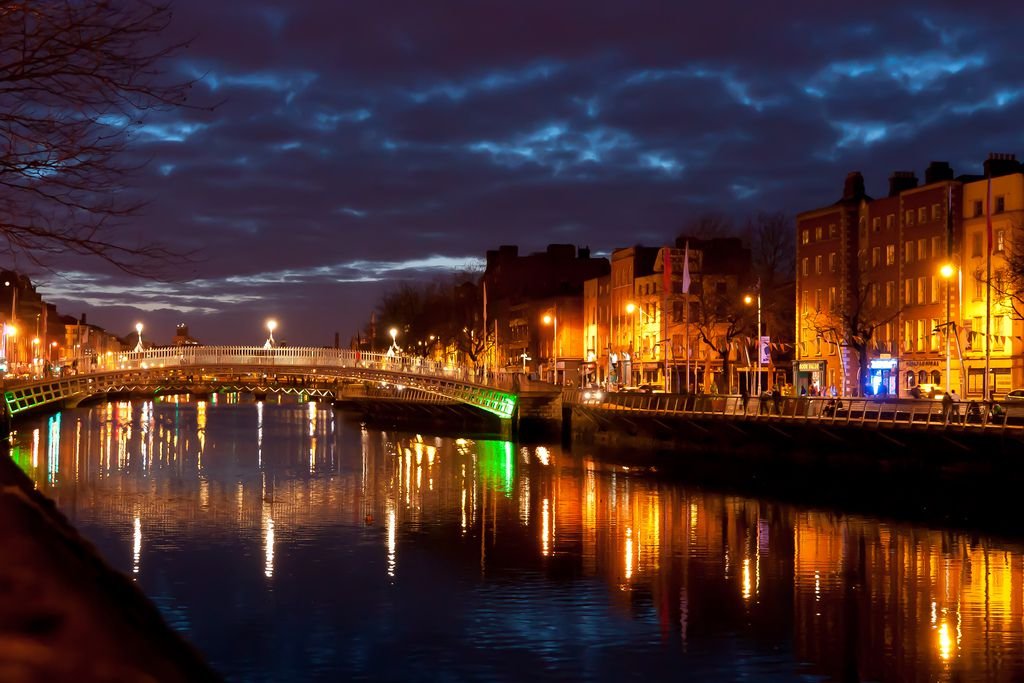
- Ha’penny Bridge, famous for its elegant pedestrian design
- O’Connell Bridge, one of the widest bridges in Europe
- Samuel Beckett Bridge, a modern architectural masterpiece
These bridges symbolize Dublin’s blend of historic charm and contemporary innovation.
Cultural and Literary Connections
Irish writers, poets, and artists have long drawn inspiration from the river. James Joyce, one of Ireland’s greatest literary figures, referenced it in his works, capturing the daily rhythm of Dublin life.
Music, paintings, folklore, and local storytelling continue to celebrate their presence. Festivals and public events along the waterfront reflect its enduring cultural influence.
Waterfront Attractions and Things to Do
Visitors can enjoy numerous activities along the riverbanks, making it a popular destination for both tourists and locals.
Popular experiences include:
- Walking along scenic quays
- Exploring Temple Bar’s lively streets
- Dining at riverside restaurants
- Taking boat tours through central Dublin
- Enjoying street performances and art installations
The area offers a perfect mix of relaxation, entertainment, and exploration.
Economic Impact and Urban Development
The river has played a key role in Dublin’s economic growth. Historically, docks and shipping routes fueled trade and employment. In modern times, redevelopment projects have transformed old docklands into thriving business and residential districts.
Technology companies, financial firms, and creative hubs now line parts of the waterfront, reflecting Dublin’s evolution into a global economic center.
Environmental Importance and Wildlife
Beyond its cultural value, the river supports diverse ecosystems. Fish species such as salmon and trout thrive in its waters, while birds and other wildlife inhabit surrounding wetlands and green spaces.
Environmental protection initiatives focus on maintaining water quality, restoring habitats, and promoting sustainable urban planning to preserve natural biodiversity.
Best Times to Visit and Seasonal Highlights
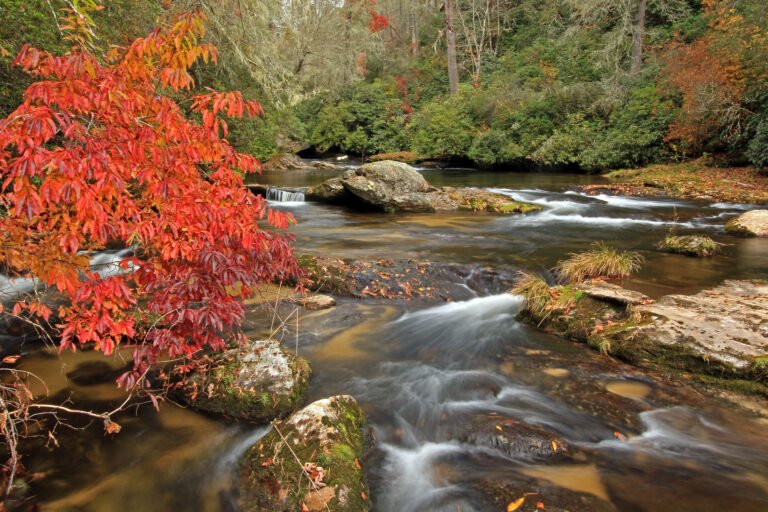
Spring and summer are ideal for riverside walks, outdoor festivals, and boat rides. Autumn offers scenic foliage and quieter surroundings, while winter brings festive lights and seasonal markets along the waterfront.
Each season presents a unique atmosphere, making the river an appealing destination year-round.
Photography and Scenic Viewpoints
Photographers will find countless opportunities to capture stunning shots along the river. Sunrise reflections, illuminated bridges at night, historic facades, and lively street scenes provide endless creative inspiration.
Some of the best photo spots include Ha’penny Bridge, Docklands, and riverside parks.
Nearby Attractions and Landmarks
Travelers can explore many top Dublin attractions within walking distance of the river.
Highlights include:
- Trinity College and the Book of Kells
- Dublin Castle
- Guinness Storehouse
- Grafton Street shopping district
- St. Stephen’s Green
These landmarks enhance the river’s role as a central gateway to the city’s cultural treasures.
Boat Tours and Water Activities
Boat tours offer a relaxing and informative way to experience the city from a new perspective. Visitors can learn about historical events, architecture, and famous figures as they cruise through downtown Dublin.
Kayaking and small craft tours are also available for adventure seekers looking to explore beyond standard sightseeing routes.
Local Food, Cafés, and Riverside Dining
The waterfront hosts a variety of dining options, from traditional Irish pubs to modern restaurants. Visitors can enjoy classic dishes such as fish and chips, Irish stew, soda bread, and seafood specialties while taking in scenic river views.
Street food vendors and café terraces create a lively social atmosphere throughout the day.
Travel Tips for Visitors
Travelers should wear comfortable walking shoes, as much of the best sightseeing occurs on foot. Public transportation, including buses and trams, makes navigating Dublin easy.
Booking accommodations near the river provides convenient access to major attractions and scenic strolls. For more interesting adventure, visit Tara River Canyon.
Conservation and Future Sustainability
Local authorities and environmental organizations work to protect the river through pollution control, green initiatives, and community education programs.
Plans focus on sustainable waterfront development, improved pedestrian access, and eco-friendly tourism to ensure long-term preservation.
Why the River Remains a Must-See Destination
This historic waterway continues to symbolize Dublin’s resilience, creativity, and cultural pride. It offers visitors a unique blend of history, nature, architecture, and modern city life, making it one of Ireland’s most captivating attractions.
Whether exploring its bridges, enjoying riverside dining, or learning about its past, travelers will find a meaningful and memorable experience along its banks.
Conclusion
The Liffey River in Ireland stands as a powerful symbol of Dublin’s heritage and progress. From its scenic origins in the Wicklow Mountains to its lively presence in the capital, it connects history, culture, commerce, and community.
With stunning landmarks, rich storytelling, diverse activities, and ongoing conservation efforts, this remarkable river continues to shape Ireland’s identity and inspire visitors from around the world.
FAQs
How long is the Liffey River in Ireland?
It stretches approximately 125 kilometers from the Wicklow Mountains to Dublin Bay.
What are the best activities along the river?
Walking tours, photography, boat rides, dining, and exploring nearby landmarks are popular activities.
Is the river suitable for boat tours?
Yes, guided boat tours operate through central Dublin and provide historical insights.
When is the best time to visit Dublin’s waterfront?
Spring and summer offer the best weather, though each season has a unique appeal.
Are there conservation programs protecting the Liffey River Ireland?
Yes, environmental initiatives focus on water quality, wildlife protection, and sustainable development.
For more river travel guides and adventure inspiration, visit thecavee.com.