Mount Taranaki, New Zealand – A Complete Travel and Adventure Guide
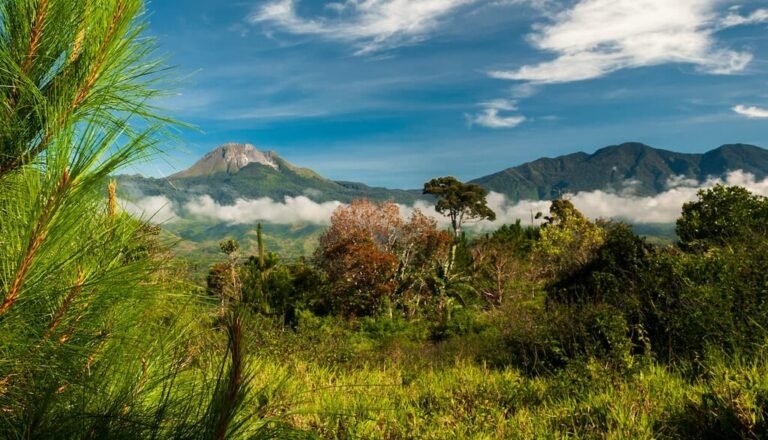
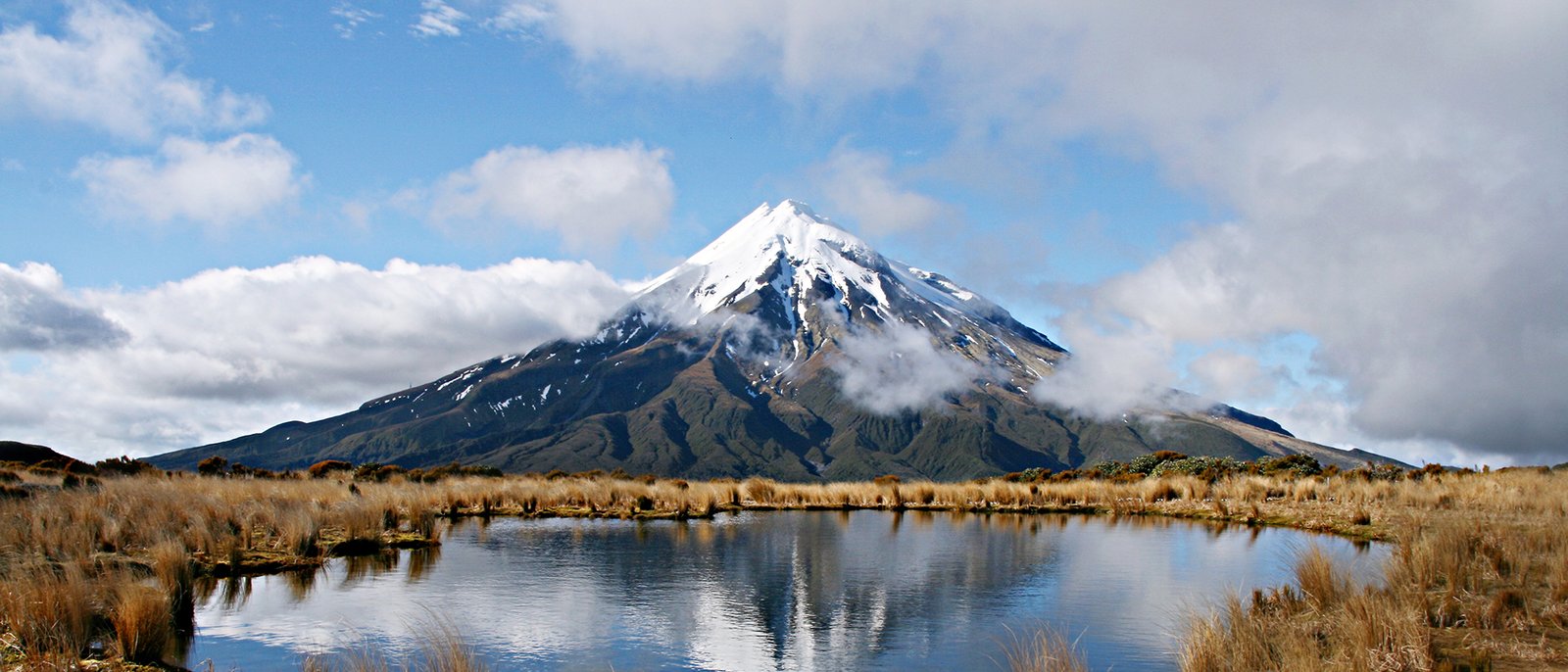
Mount Taranaki is one of New Zealand’s most striking natural landmarks, famous for its near-perfect cone shape, lush rainforest surroundings, and dramatic volcanic landscape. Rising from the Taranaki region on the North Island, this iconic mountain attracts hikers, photographers, nature lovers, and adventure seekers from around the world.
This guide covers everything you need to know, from hiking routes and weather conditions to height details, scenic viewpoints, wildlife, cultural significance, and travel tips. Whether you are planning a challenging summit climb or a relaxed nature escape, this article will help you experience the best of this spectacular destination.
Geographic Location and Landscape
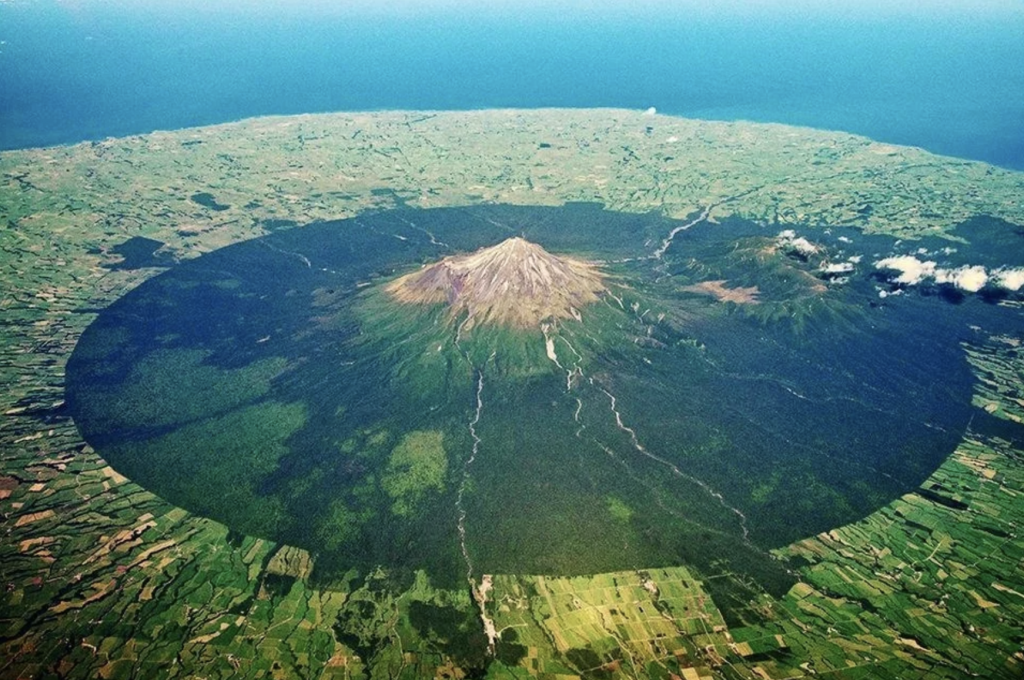
The mountain is located in Egmont National Park (now known as Te Papakura o Taranaki), on the west coast of New Zealand’s North Island. The park protects dense native rainforest, alpine terrain, waterfalls, and volcanic features that surround the peak.
Since this summit is isolated, unlike many mountain ranges, it forms a striking silhouette that is visible for miles. On clear days, it looks like a perfectly symmetrical pyramid rising from green farmland and forest.
Geological Origins and Volcanic History
This peak is a dormant stratovolcano formed over thousands of years through volcanic eruptions and lava flows. While it has not erupted in centuries, it remains geologically active and closely monitored.
The volcanic soil in the surrounding region makes the land highly fertile, supporting rich plant life and agriculture. The mountain’s geological history also contributes to its steep slopes, rocky ridges, and rugged summit.
Cultural and Spiritual Significance
For Māori communities, this mountain holds deep cultural, spiritual, and historical meaning. It is considered an ancestral landmark and a symbol of identity for local iwi (tribes).
Many stories, legends, and traditions are associated with the mountain, emphasising respect for the land. Visitors are encouraged to treat the area with care and cultural sensitivity, honouring its sacred importance.
Mount Taranaki Height
Mount Taranaki’s height is approximately 2,518 meters (8,261 feet), making it one of the tallest peaks on the North Island. Its elevation provides breathtaking panoramic views across the coastline, surrounding plains, and distant mountain ranges.
Because of its steep gradient, the ascent feels more challenging than many mountains of similar height. Climbers should be physically prepared and equipped for changing conditions.
Mount Taranaki Hike
Mount Taranaki hike options range from easy forest walks to demanding summit climbs. The most popular route is the Summit Track, which takes hikers from the visitor centre to the peak.
This hike typically takes 6 to 8 hours round trip and includes steep rock scrambling, loose gravel sections, and exposed ridges. It is recommended only for experienced hikers with proper gear.
For those seeking easier adventures, there are shorter trails around the mountain, such as:
- The Pouakai Circuit
- The Around the Mountain Track
- Dawson Falls walking trails
- Forest and waterfall routes
Each trail offers unique scenery, from dense rainforest to alpine landscapes and reflective tarns.
Mount Taranaki Weather
Mount Taranaki’s weather can change rapidly, even within a single day. Conditions at the base can be sunny while the summit experiences strong winds, cold temperatures, or cloud cover.
Typical weather patterns include:
- Warm, mild summers with occasional rain
- Cool, crisp autumns with vibrant foliage
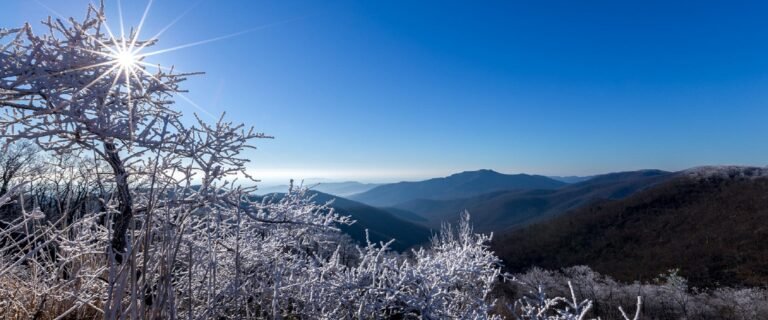
- Cold winters with snow and icy trails
- Variable spring weather with strong winds
Hikers should always check forecasts before starting their trip and carry waterproof clothing, warm layers, and emergency supplies.
Best Time to Visit
The best time to visit is during late spring through early autumn, when trails are more accessible, and weather conditions are generally stable.
- Summer is ideal for hiking and photography
- Autumn offers fewer crowds and golden scenery
- Winter attracts mountaineers and snow sports enthusiasts, but requires technical skills.
- Early morning visits often provide the clearest skies and the most dramatic lighting.
If you like adventure trips, then you can also visit the Verzasca River in Switzerland.
Scenic Views and Photography Opportunities
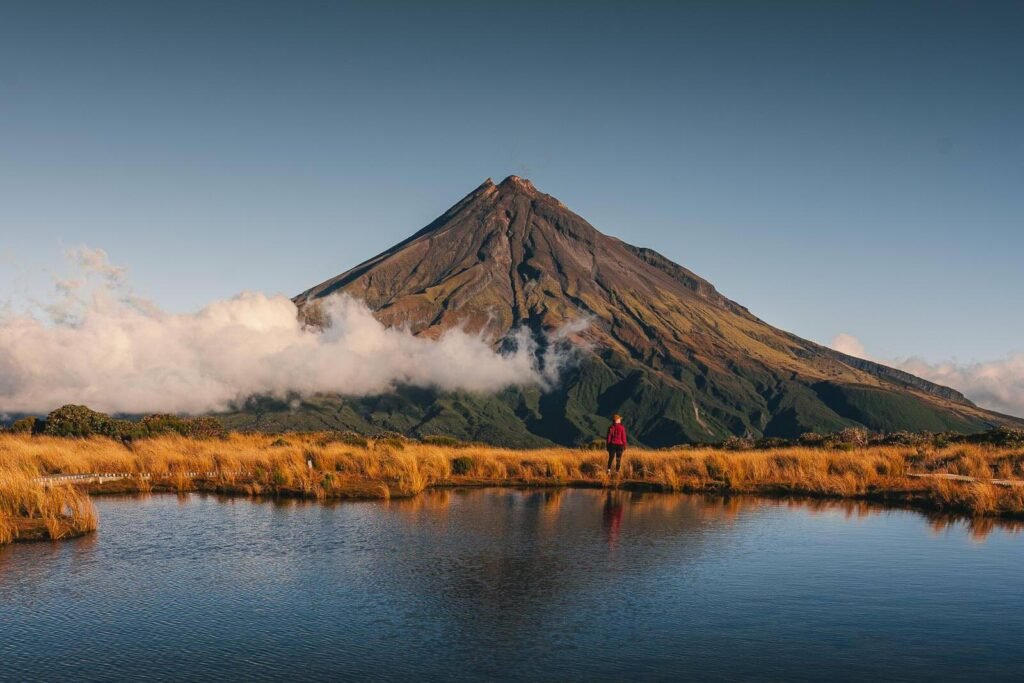
This mountain is one of the most photogenic peaks in New Zealand. Its symmetrical cone, reflected in alpine tarns and framed by lush greenery, creates unforgettable views.
Top photography spots include:
- Pouakai Tarn for mirror reflections
- Dawson Falls area
- Summit ridges for sunrise views
- Forest viewpoints along hiking trails
Drone photography is restricted in some areas, so visitors should follow park regulations.
Wildlife and Natural Environment
Egmont National Park protects diverse ecosystems, from lowland rainforest to alpine shrubland. Visitors may encounter native bird species such as tūī, bellbirds, and fantails.
The forest is rich in ferns, mosses, and ancient trees, offering a peaceful, immersive nature experience. Conservation efforts help protect these fragile ecosystems.
Adventure Activities Around the Mountain
Beyond hiking, the region offers many outdoor adventures.
Popular activities include:
- Trail running and mountain biking
- Rock climbing and scrambling
- Camping in alpine huts
- Nature photography and birdwatching
- Winter mountaineering and snow trekking
Adventure seekers will find plenty of ways to explore both the mountain and its surrounding landscapes.
Nearby Attractions and Places to Explore
Visitors can extend their trip by exploring nearby destinations such as:
- New Plymouth for coastal walks, cafes, and art galleries
- Surf beaches along the Taranaki coastline
- Waterfalls and scenic drives in the national park
- Local farms and botanical gardens
These attractions make the region ideal for multi-day travel.
Travel Tips for Visitors
Wear sturdy hiking boots and layered clothing
Start hikes early to avoid afternoon weather changes
Bring enough water, snacks, and navigation tools
Avoid climbing in poor weather or low visibility
Respect wildlife and cultural sites
Stay on marked trails to protect fragile terrain
Good preparation ensures a safe and enjoyable visit.
Safety Considerations
The mountain’s steep slopes, loose rocks, and unpredictable weather can pose risks. Rescue operations are difficult in remote alpine areas, so hikers should honestly assess their skill level.
Guided tours are recommended for inexperienced climbers or first-time visitors.
Sustainable Tourism and Conservation
Protecting the natural beauty of this area is a priority for park authorities and local communities. Encourage visitors to follow Leave No Trace principles, avoid littering, and support eco-friendly tourism services.
Sustainable travel helps preserve this environment for future generations.
Why This Mountain Belongs on Your Bucket List
This peak offers a rare combination of natural beauty, adventure, cultural depth, and solitude. Its dramatic shape, changing weather, scenic hiking trails, and peaceful forests make it one of the most memorable destinations in New Zealand.
Whether you are seeking a challenging climb, breathtaking photography, or a quiet escape into nature, this destination promises an unforgettable experience.
Conclusion
Mount Taranaki stands as one of New Zealand’s most iconic and awe-inspiring natural wonders. With its striking shape, rich cultural heritage, diverse hiking trails, and breathtaking scenery, it appeals to travellers of all interests. From exploring forest paths to tackling the summit, every visit offers new perspectives and lasting memories.
For nature lovers, adventure seekers, and travel enthusiasts, this mountain is a destination that truly deserves a place on your bucket list.
FAQs
How difficult is the Mount Taranaki hike?
The summit hike is challenging and best suited for experienced hikers due to steep terrain and changing weather.
What is the Mount Taranaki height?
The mountain stands at approximately 2,518 meters above sea level.
What is Mount Taranaki’s weather like throughout the year?
Weather varies by season and altitude, ranging from warm summer days to snowy winter conditions at the summit.
Is it safe to climb the mountain without a guide?
Though guided expeditions are advised for safety, experienced hikers can ascend on their own in favourable weather.
Are there easier trails for beginners?
Yes, there are multiple scenic and beginner-friendly walking tracks around the mountain and forest areas.
For more mountain travel guides and adventure inspiration, visit thecavee.com.