Mount Apo Philippines: The Complete Travel & Adventure Guide
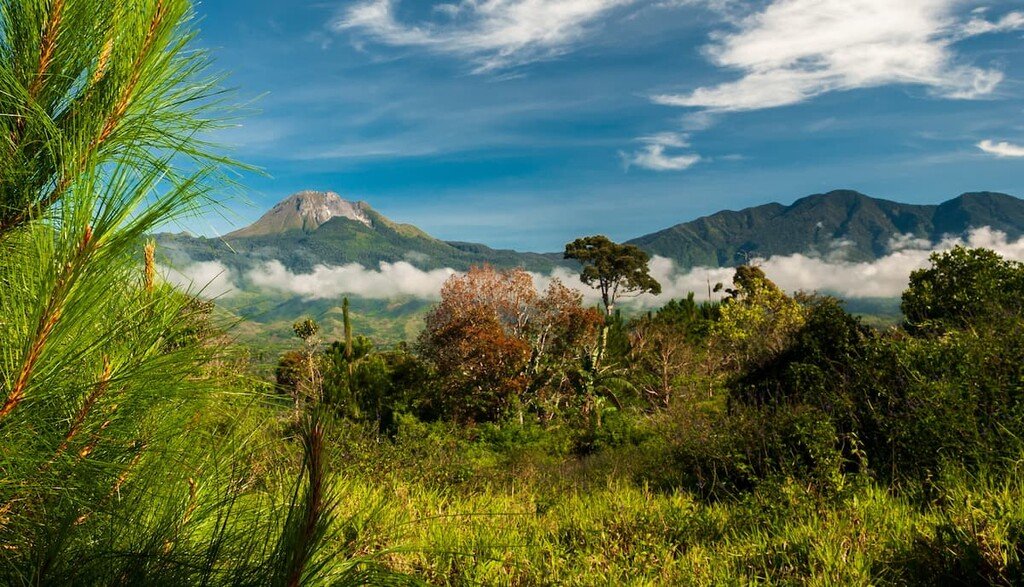
Rising proudly as the highest peak in the Philippines, Mount Apo is a legendary destination for hikers, nature lovers, and adventure seekers. Known for its dramatic landscapes, rich biodiversity, and cultural significance, this iconic mountain attracts travelers from around the world. From misty forests and volcanic terrain to rare wildlife and breathtaking summit views, this natural wonder offers an unforgettable outdoor experience.
Located in Mindanao, the mountain is surrounded by scenic provinces and protected areas that preserve its ecological beauty. Whether you are planning a hike, researching its location, or simply admiring its photos, this guide covers everything you need to know.
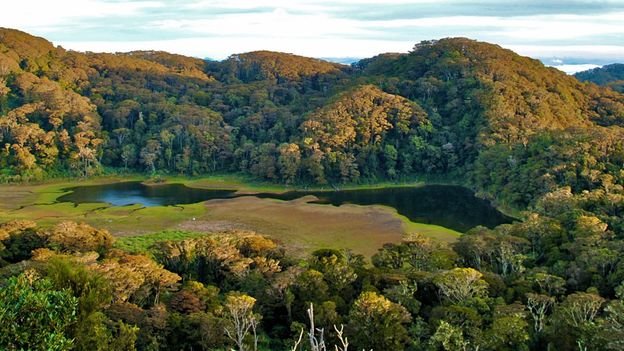
Mount Apo, Davao del Sur
The mountain is partly located in Davao del Sur, one of the most important provinces in Mindanao. This area serves as a key access point for climbers and tourists heading to the summit. Many hiking trails begin in Davao del Sur, offering varying levels of difficulty suitable for beginners and experienced mountaineers.
The province provides essential services, including transportation, tour guides, lodging, and equipment rentals. Local communities also benefit from eco-tourism, creating a sustainable link between nature conservation and economic development.
Davao Mount Apo
Davao City is one of the main gateways to the mountain. Travelers typically fly into Davao International Airport before continuing their journey to nearby trailheads. The city offers comfortable accommodations, restaurants, and travel services that make trip planning easier.
Davao also hosts environmental programs focused on preserving the mountain’s forests, wildlife, and water sources. Visitors are encouraged to follow responsible tourism practices while exploring the area.
Mount Apo, Davao, Philippines
In the Philippines, this peak stands out not only for its height but also for its cultural and ecological importance. Indigenous tribes such as the Bagobo, Manobo, and Ata consider the mountain sacred, believing it to be the home of spirits and ancestral guardians.
Local folklore, traditions, and rituals are deeply tied to the mountain, adding a spiritual dimension to its natural beauty. Respect for local culture and heritage is essential for anyone visiting the region.
Mount Apo in Mindanao
As the tallest mountain in Mindanao, this landmark plays a vital role in the island’s ecosystem. Its forests act as a natural water reservoir, feeding rivers and supporting agricultural communities. The mountain also serves as a habitat for endangered species, including the Philippine eagle.
Mindanao’s diverse climate and geography make this area a hotspot for biodiversity, with unique plants and animals found nowhere else in the world.
Mount Apo Location
The mountain spans the borders of Davao del Sur, Davao City, and North Cotabato. Its strategic location makes it accessible from multiple regions, with various trail systems leading to different entry points.
Key access routes include:
- Kidapawan City (North Cotabato)
- Davao City
- Santa Cruz (Davao del Sur)
Each route offers different scenery, terrain difficulty, and travel time, allowing climbers to choose based on their preferences and experience level.
Mount Apo Picture
Photographers and travelers are drawn to the mountain’s stunning scenery. From sunrise above the clouds to panoramic summit views, every angle offers breathtaking photo opportunities.
Popular photo subjects include:
- Mossy forests and ancient trees
- Sulfur vents and volcanic rock formations
- Rare wildlife and native birds
- Golden sunsets and star-filled night skies
Capturing these moments helps raise awareness of conservation and inspires others to appreciate the mountain’s natural beauty.
Mount Apo National Park
The mountain is protected under Mount Apo Natural Park, a conservation area dedicated to preserving its ecosystems. The park spans thousands of hectares and shelters forests, rivers, waterfalls, and wildlife.
Key features of the national park include:
- Endangered species protection
- Reforestation projects
- Regulated hiking permits
- Environmental education programs
Visitors must secure permits before entering the park to help control environmental impact and ensure safety. Also visit Mount Taranaki for more adventures.
Mount Apo Natural Park
Mount Apo Natural Park is one of the most biologically rich areas in the Philippines. It hosts over a thousand plant species, including orchids, pitcher plants, and ancient hardwood trees.
Wildlife found in the park includes:
- Philippine eagle
- Flying lemurs
- Deer and wild boar
- Unique reptile and amphibian species
The park also plays a crucial role in regulating the climate and storing carbon, making its conservation globally important.
Hiking Trails and Trekking Routes
There are several established hiking routes leading to the summit, each offering a unique adventure.
Popular trails include:
- Kidapawan Trail (easier, beginner-friendly)
- Kapatagan Trail (scenic with rolling grasslands)
- Bansalan Trail (challenging and remote)
Most hikes take 2 to 4 days, depending on the route and pace. Guided climbs are highly recommended for safety and navigation.
Difficulty Level and Best Time to Climb
Climbing the mountain ranges from moderate to difficult due to steep slopes, altitude changes, and unpredictable weather. Beginners can still attempt the climb with proper preparation and a licensed guide.
The best time to visit is during the dry season, from March to May, when weather conditions are more stable, and trails are safer.
Avoid climbing during the rainy season due to landslides, slippery terrain, and poor visibility.
Wildlife and Biodiversity
The mountain is famous for its rich biodiversity. It is one of the last strongholds of the Philippine eagle, the country’s national bird.
Other notable species include:
- Long-tailed macaques
- Hornbills and parrots
- Rare orchids and medicinal plants
Because of its ecological importance, hunting and wildlife disturbance are strictly prohibited.
Cultural and Spiritual Significance
For centuries, indigenous communities have regarded the mountain as sacred. Rituals and ceremonies are sometimes performed to honor ancestral spirits and protect the land.
Visitors should respect local traditions by:
- Avoiding littering
- Following park rules
- Respecting sacred sites
Learning about local culture adds deeper meaning to the travel experience.
Camping and Accommodation Options
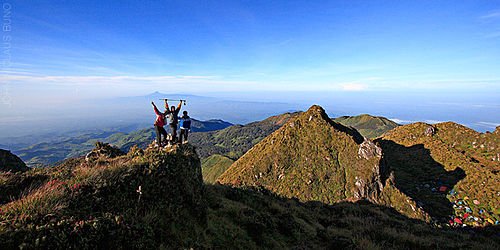
Climbers usually camp at designated campsites along the trail. These areas provide basic facilities but require hikers to bring essential gear.
Nearby towns offer hotels, guesthouses, and eco-lodges for travelers who prefer more comfort before or after their hike.
Safety Tips for Climbers
To ensure a safe journey, climbers should:
- Secure permits in advance
- Hire accredited local guides
- Bring proper hiking gear
- Carry enough water and food
- Monitor weather updates
- Follow Leave No Trace principles
Emergency rescue teams are available, but preparation remains the best safety measure.
Travel Tips for International Visitors
International travelers should:
- Fly into Davao City
- Arrange transport to the trailheads
- Book licensed guides in advance
- Check visa and travel requirements
- Respect local customs and environmental regulations
Travel insurance is recommended, especially for high-altitude hiking activities.
Environmental Conservation Efforts
Local organizations and government agencies actively protect the mountain through:
- Anti-logging campaigns
- Wildlife protection programs
- Sustainable tourism initiatives
- Community-based conservation
Tourists play an important role by practicing eco-friendly travel and supporting conservation projects.
Why This Mountain Is a Must-Visit Destination
This destination combines adventure, culture, nature, and breathtaking scenery into one unforgettable experience. Whether you hike to the summit or admire its landscapes from afar, the mountain represents the beauty and resilience of the Philippines’ natural heritage.
Frequently Asked Questions
What is the height of Mount Apo?
It stands at approximately 2,954 meters, making it the highest mountain in the Philippines.
Is it safe to hike Mount Apo?
Yes, as long as climbers follow safety rules, secure permits, and hike with licensed guides.
How long does it take to climb the mountain?
Most climbs take 2 to 4 days, depending on the trail and hiking pace.
Do I need a permit to climb?
Yes, permits from Mount Apo Natural Park authorities are required.
What wildlife can the Park authorities protect?
What wildlife can be seen on the mountain?
You may encounter rare birds, orchids, mammals, and the famous Philippine eagle.
When is the best season to visit?
The dry season from March to May is the best time for hiking and sightseeing.
For more mountain travel guides and adventure inspiration, visit thecavee.com.