Mount Elbrus Russia Travel Guide: Europe’s Highest Mountain
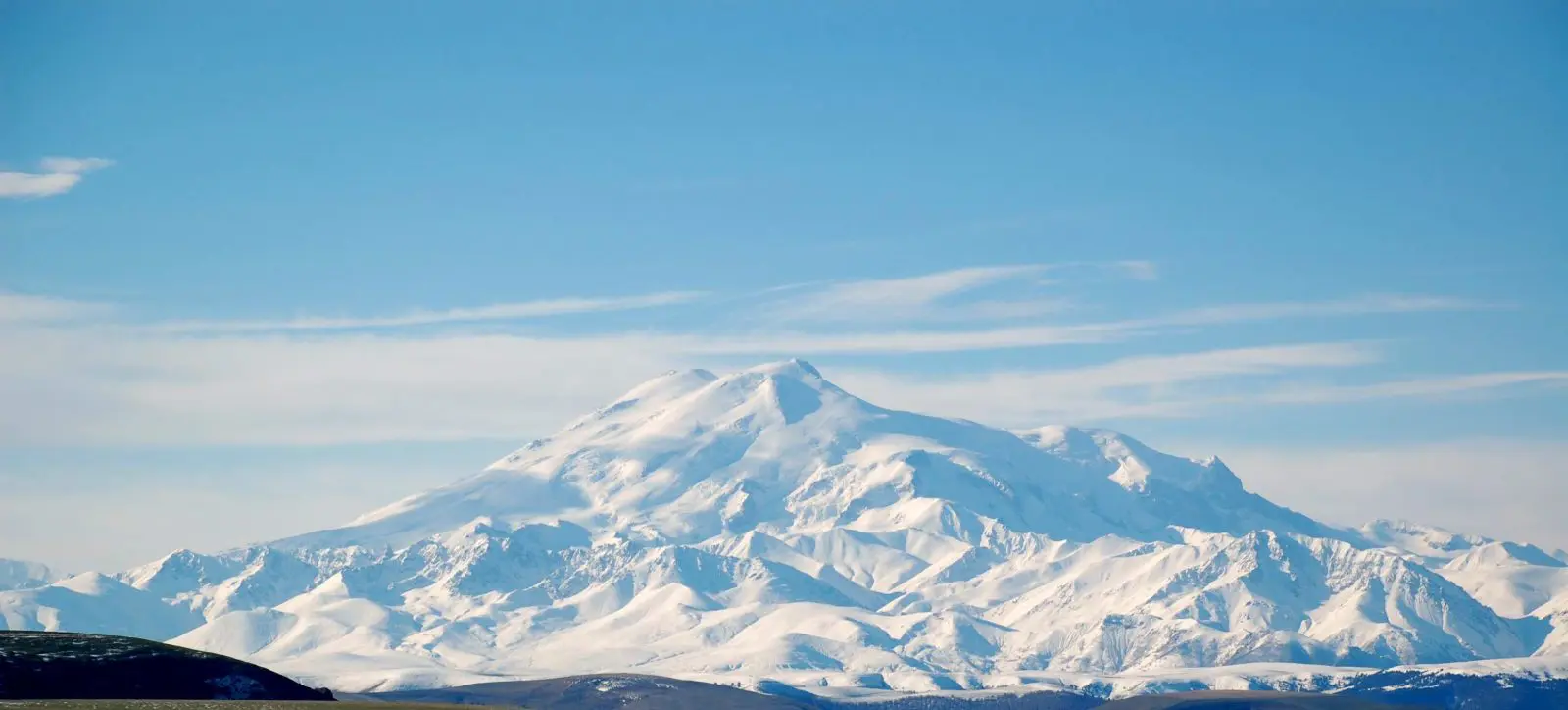
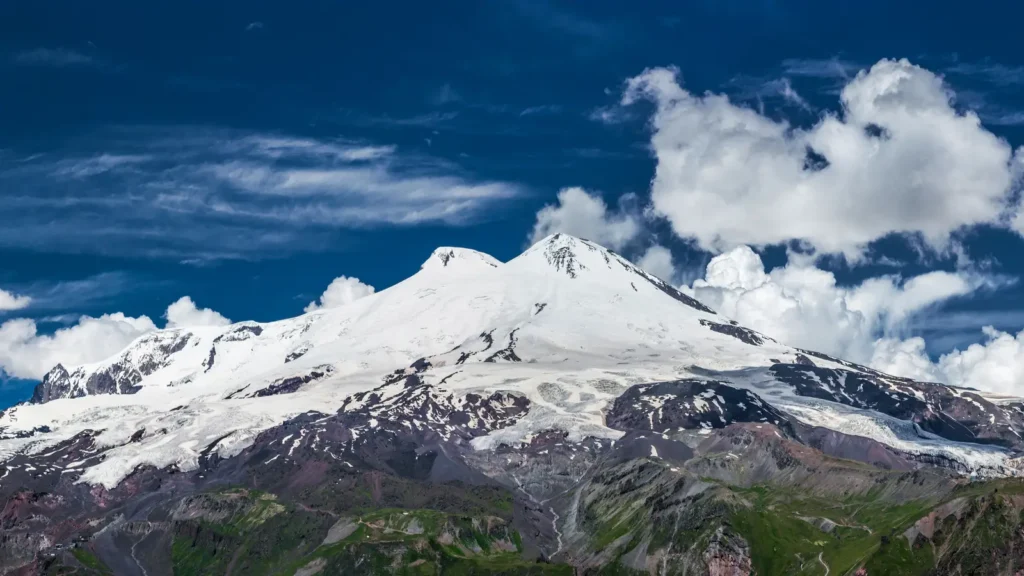
Mount Elbrus in Russia is the tallest mountain in Europe and one of the most famous peaks in the Caucasus Mountains. Known for its twin volcanic summits, dramatic glaciers, and alpine scenery, it attracts climbers, adventure travelers, photographers, and nature lovers worldwide. Whether you are planning a summit climb or want to admire its majestic beauty, this guide covers everything you need to know, from geography and height to travel tips and safety advice.
This iconic mountain, located in southern Russia near the Georgian border, holds a special place in geography, mountaineering history, and local culture. Its snow-covered slopes and wide panoramic views make it one of the most photographed peaks in Eastern Europe.
Mount Elbrus Height
Mount Elbrus is approximately 5,642 meters (18,510 feet) high, making it the highest mountain in Europe. It rises higher than Mont Blanc in the Alps and stands among the famous Seven Summits, a list of the tallest mountains on each continent.
The mountain has two peaks:
- West Peak: 5,642 meters
- East Peak: 5,621 meters
Although both peaks are impressive, most climbers aim for the West Peak, which is slightly higher and more popular.
Mount Elbrus, Russia Map and Location
The Mount Elbrus map shows the mountain in the western Caucasus region, close to the border between Russia and Georgia. It lies within the Republic of Kabardino-Balkaria and forms part of the Greater Caucasus Mountain Range.
Its strategic location makes it accessible from major Russian cities, including Moscow and Mineralnye Vody. The surrounding region features alpine valleys, glaciers, mountain rivers, and scenic villages that add to the overall travel experience.
Geological History and Formation
This peak is actually a dormant stratovolcano formed over millions of years. While it has not erupted in recorded history, volcanic activity shaped its conical form and contributed to the fertile soils in the surrounding valleys.
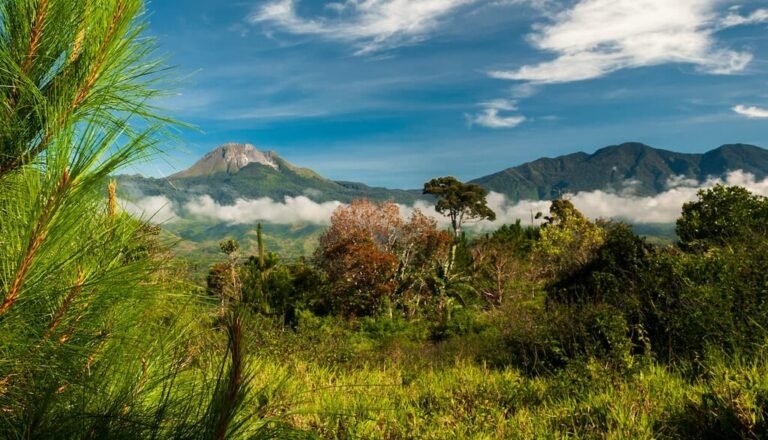
Glaciers continue to shape the landscape, carving deep valleys and feeding rivers that flow into the Caspian and Black Seas. Also visit Mount Apo for more fun.
Why Mount Elbrus Is Famous
Mount Elbrus is famous for several reasons:
- It is Europe’s highest peak
- It is part of the Seven Summits challenge
- It offers one of the more accessible high-altitude climbs
- It features dramatic glaciers and panoramic views
- It has cultural and historical significance in the Caucasus region
Its combination of altitude, accessibility, and scenic beauty makes it popular among both beginner and experienced climbers.
Mountaineering and Climbing Routes
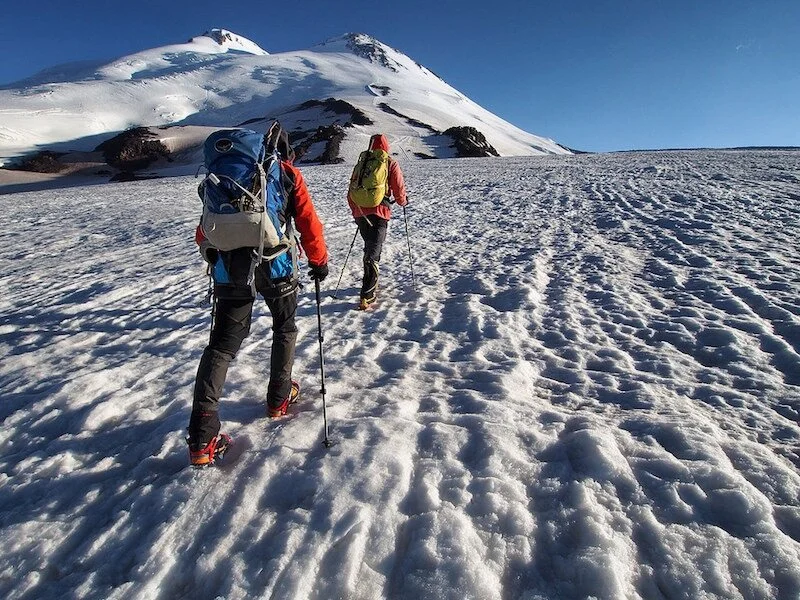
Climbing this mountain is considered one of the more approachable high-altitude expeditions, but it still requires preparation, fitness, and respect for mountain conditions.
Popular climbing routes include:
- South Route (most common and easiest)
- North Route (more remote and challenging)
- East Route (less traveled)
- West Route (technical and demanding)
The South Route features cable cars, huts, and marked trails, making it suitable for climbers with limited technical experience.
Difficulty Level and Required Skills
Although it is often described as one of the easier Seven Summits, the climb still involves:
- High altitude
- Cold temperatures
- Glacier travel
- Physical endurance
- Risk of altitude sickness
Climbers should train beforehand and consider hiring certified guides for safety.
Best Time to Visit and Climb
The best time to visit and climb is typically between May and September. During these months, weather conditions are more stable, and access routes remain open.
Seasonal conditions:
- Spring: Snowy but manageable
- Summer: Peak climbing season with the best weather
- Autumn: Cooler temperatures, fewer climbers
- Winter: Extremely cold, suitable only for expert climbers
Summer is the most recommended season for first-time climbers.
Weather Conditions and Climate
Weather conditions can change rapidly at high altitudes. Even during summer, temperatures can drop below freezing near the summit.
Common climate features include:
- Strong winds
- Sudden snowstorms
- Intense sun exposure
- Rapid temperature shifts
Checking forecasts and preparing proper gear is essential for a safe experience.
Travel Guide: How to Reach the Mountain
Travelers usually fly into Mineralnye Vody Airport, then drive to nearby towns such as Terskol or Azau.
Typical travel route:
- Fly to Mineralnye Vody
- Transfer to Baksan Valley
- Drive to Terskol or Azau
- Use cable cars or hiking trails to reach base camps
Accommodation options range from budget hostels to mountain lodges and alpine huts.
Mount Elbrus National Park and Natural Beauty
The surrounding region includes protected areas rich in biodiversity. Wildlife includes mountain goats, foxes, birds of prey, and rare alpine plant species.
Nature lovers can enjoy:
- Glacier viewpoints
- Alpine meadows
- Waterfalls
- Scenic hiking trails
- Photography opportunities
The landscape changes dramatically with altitude, creating diverse ecosystems.
Cultural and Historical Significance
The mountain holds deep cultural importance among local ethnic groups. Legends, folklore, and traditional stories surround its origins and mystical presence.
Historically, it has played a role in exploration, military strategy, and scientific research. Today, it symbolizes adventure, resilience, and natural grandeur.
Photography and Scenic Viewpoints
Photographers love capturing sunrise and sunset over the snow-covered slopes. Some of the best viewpoints include:
- Azau Plateau
- Garabashi Huts
- Summit ridge
- Surrounding valleys
Drone photography is popular but subject to local regulations.
Safety Tips for Climbers and Travelers
Safety is essential when visiting high-altitude environments. Important tips include:
- Acclimatize gradually
- Stay hydrated
- Wear layered clothing
- Monitor weather forecasts
- Hire experienced guides
- Avoid overexertion
Altitude sickness is a common risk, so recognizing symptoms early can prevent serious complications.
Cost and Budget Planning
Costs vary depending on travel style, season, and services chosen.
Estimated expenses include:
- Flights
- Local transportation
- Accommodation
- Guide services
- Gear rental
- Park permits
Budget travelers can reduce costs by booking in advance and joining group expeditions.
Alternative Activities Beyond Climbing
Not everyone visits to climb. Other activities include:
- Scenic hiking
- Snowboarding and skiing
- Nature tours
- Cultural village visits
- Relaxing in mountain lodges
The region offers a balanced mix of adventure and relaxation.
Travel Tips for First-Time Visitors
Helpful tips include:
- Pack thermal clothing
- Bring sunscreen and sunglasses
- Learn basic Russian phrases
- Exchange currency in advance
- Respect local customs
Planning ensures a smoother and more enjoyable trip.
Environmental Responsibility and Conservation
Visitors should follow responsible travel practices such as:
- Avoiding litter
- Respecting wildlife
- Supporting eco-friendly tour operators
- Staying on marked trails
Preserving the environment ensures future generations can enjoy this natural wonder.
Conclusion
Mount Elbrus in Russia is one of the most iconic mountains in Europe, offering breathtaking scenery, mountaineering opportunities, and cultural richness. From its towering height and glacial landscapes to its adventurous climbing routes and natural parks, this mountain provides a memorable experience for travelers of all types. Whether you seek a summit challenge, scenic photography, or a peaceful mountain escape, this destination delivers a perfect blend of adventure and beauty.
FAQs
Where is Mount Elbrus located?
It is located in the Caucasus region of southern Russia near the Georgian border.
How high is Mount Elbrus?
Its highest peak rises to approximately 5,642 meters above sea level.
Is Mount Elbrus difficult to climb?
It is considered one of the easier Seven Summits, but it still requires preparation and fitness.
What is the best season to visit?
Late spring to early autumn offers the best weather and climbing conditions.
Do I need a guide to climb Mount Elbrus?
While not mandatory, hiring a professional guide is strongly recommended for safety.
For more mountain travel guides and adventure inspiration, visit thecavee.com.