Carlsbad Caverns: Nature’s Underground Masterpiece
Introduction
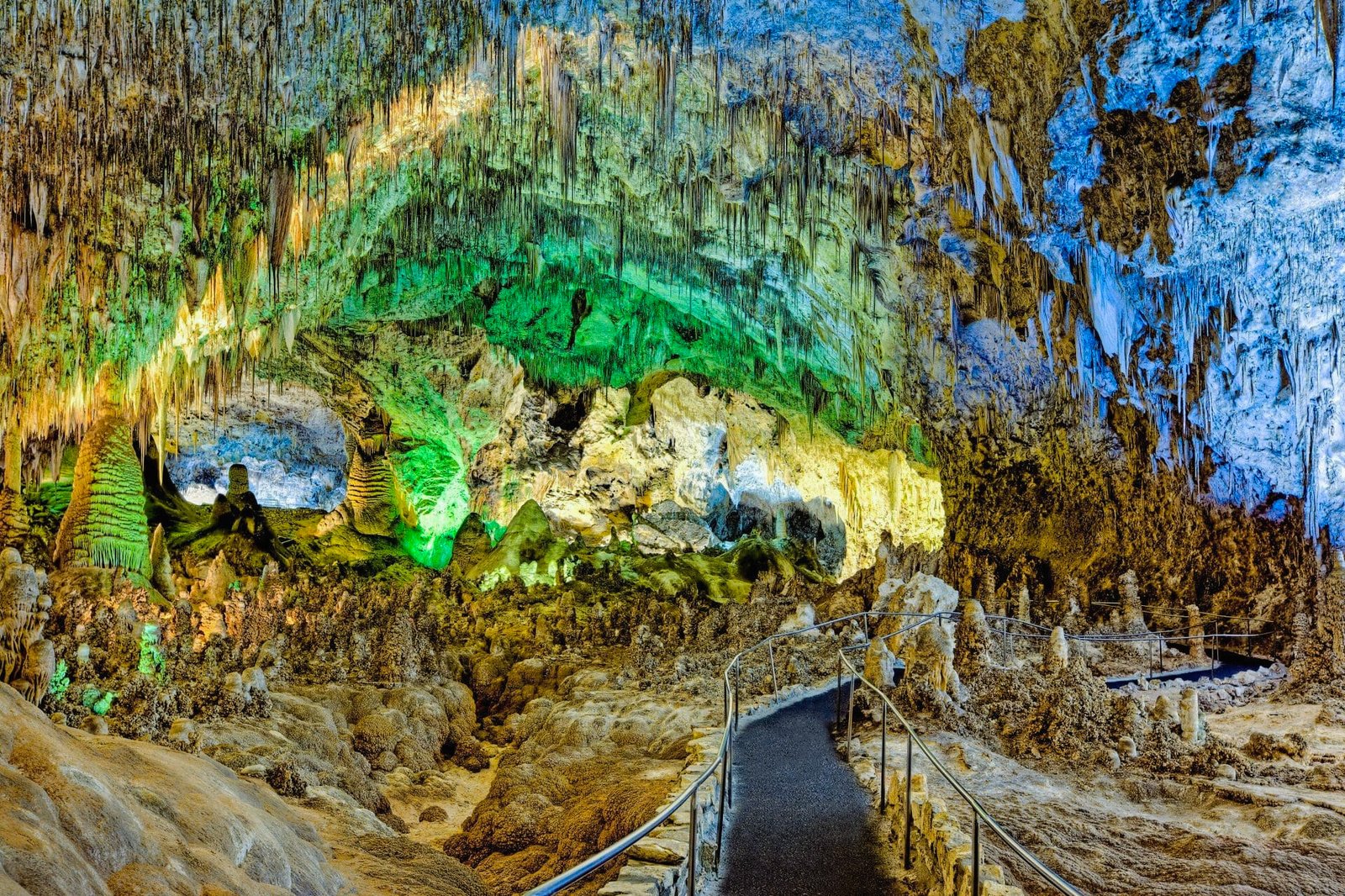
Deep beneath the rugged desert of southeastern New Mexico lies one of America’s most mesmerizing natural wonders — Carlsbad Caverns. Known for its breathtaking limestone formations and vast underground chambers, this site attracts travellers, geologists, and nature lovers from around the world.
Designated as a UNESCO World Heritage Site, Carlsbad Caverns National Park preserves a network of more than 119 caves, offering visitors a window into the Earth’s ancient history. Whether you come to see the famous bat flight or wander through the silent beauty of the Big Room, this underground world promises an experience like no other.
1. The Discovery of Carlsbad Caverns
1.1 Jim White’s Curiosity
The story of Carlsbad Caverns began in the late 1890s with a young cowboy named Jim White. While riding across the Chihuahuan Desert, he spotted what looked like a black cloud rising from the ground. As he rode closer, he realized it wasn’t smoke — it was a swarm of bats flying out of a cave.
Fascinated, White returned the next day with homemade torches and ropes to explore. What he discovered beneath the Earth’s surface would later become one of the most spectacular cave systems in the world.
1.2 From Curiosity to National Treasure
Jim White spent years exploring and mapping the cave’s passages, naming formations like the “Rock of Ages.” His stories drew tourists, photographers, and scientists. Eventually, in 1930, the U.S. government declared the area Carlsbad Caverns National Park, ensuring its protection for future generations.
2. The Geology of Carlsbad Caverns
2.1 How the Caverns Were Formed
Millions of years ago, the region was part of an ancient sea. Layers of limestone built up over time, and as the sea receded, sulfuric acid from underground gas deposits began dissolving the limestone. This slow chemical process carved out the intricate chambers and tunnels we see today.
2.2 Stunning Formations Inside
Inside the caverns, visitors encounter dazzling structures like:
- Stalactites hanging from the ceiling
- Stalagmites rising from the floor
- Columns where both meet
- Draperies, flowstones, and soda straws form delicate shapes
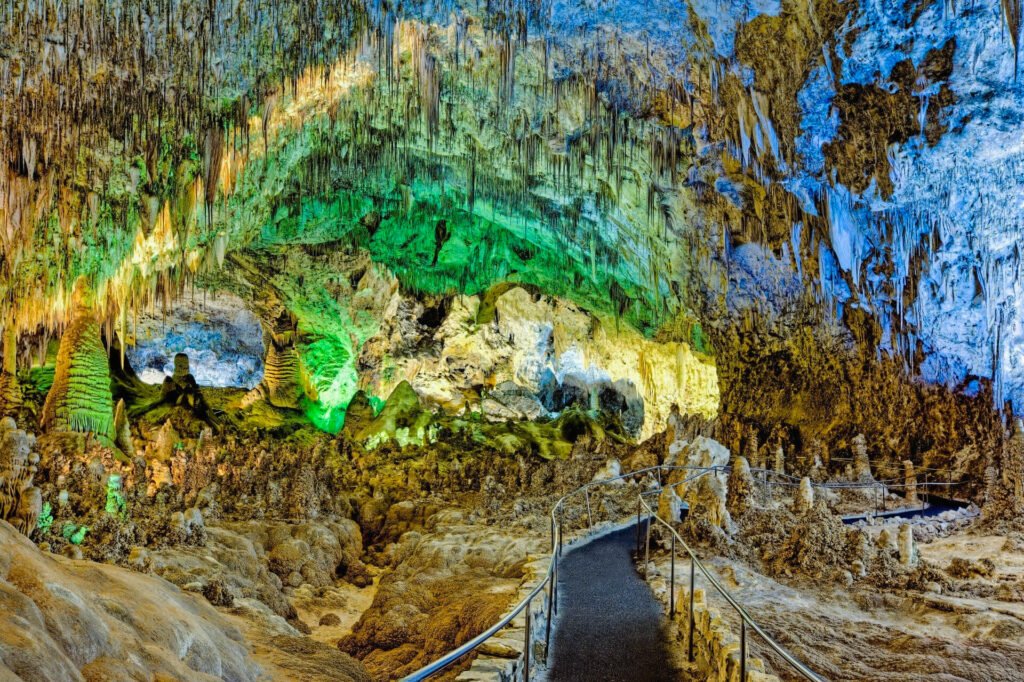
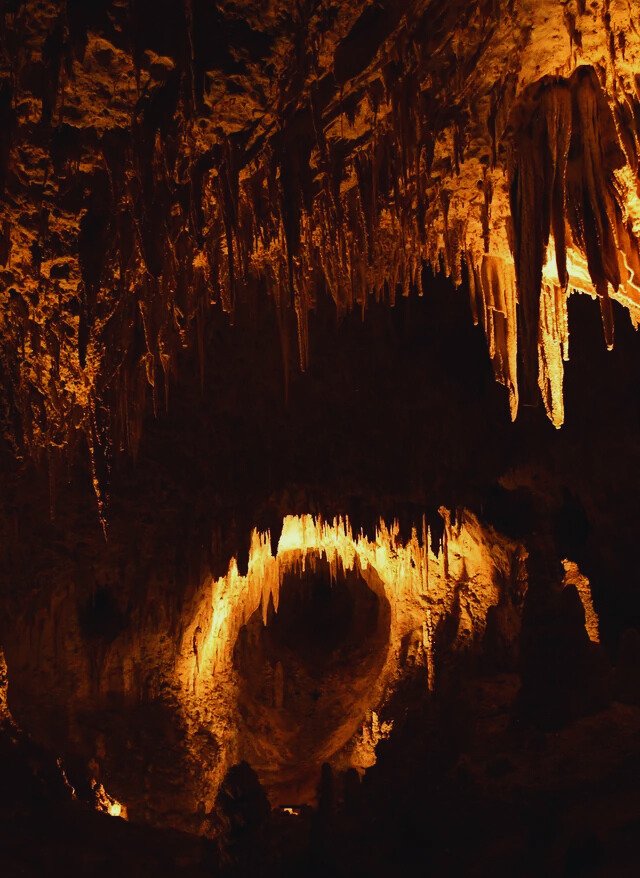
These natural formations, created drop by drop over millions of years, make Carlsbad Caverns a true geological wonder.
3. Exploring the Carlsbad Caverns
3.1 The Natural Entrance
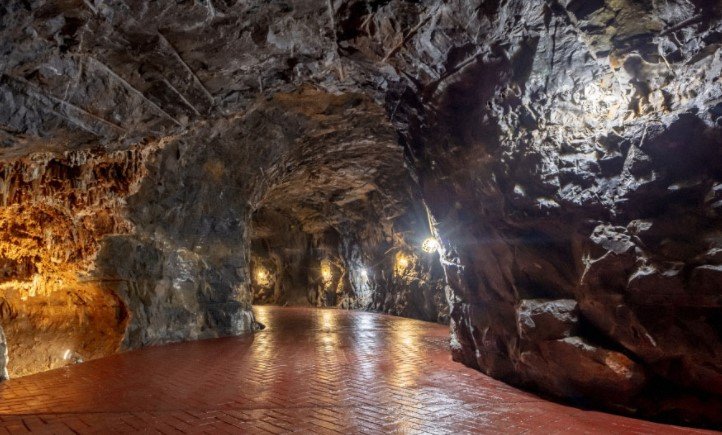
One of the most famous routes is the Natural Entrance Trail, a steep one-mile path that descends more than 750 feet underground. As daylight fades, you walk into a cool, mysterious darkness lit only by soft, glowing lights that highlight the stunning formations.
3.2 The Big Room
The Big Room is the heart of Carlsbad Caverns — a chamber so large it could fit six football fields. Visitors are amazed by massive columns, towering stalagmites, and landmarks like the Hall of Giants, Bottomless Pit, and Rock of Ages.
3.3 Ranger-Guided Tours
For deeper exploration, park rangers lead guided tours through unique areas such as:
- King’s Palace – rich in colourful mineral deposits
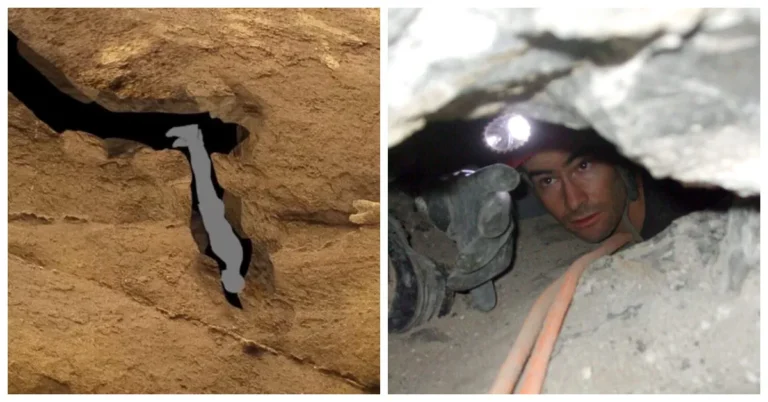
- Spider Cave – a tight, adventurous crawl
- Left Hand Tunnel – a lantern-lit journey into history
Each tour reveals a different side of this underground masterpiece.
4. The Bat Flight at Carlsbad Caverns
4.1 The Evening Spectacle
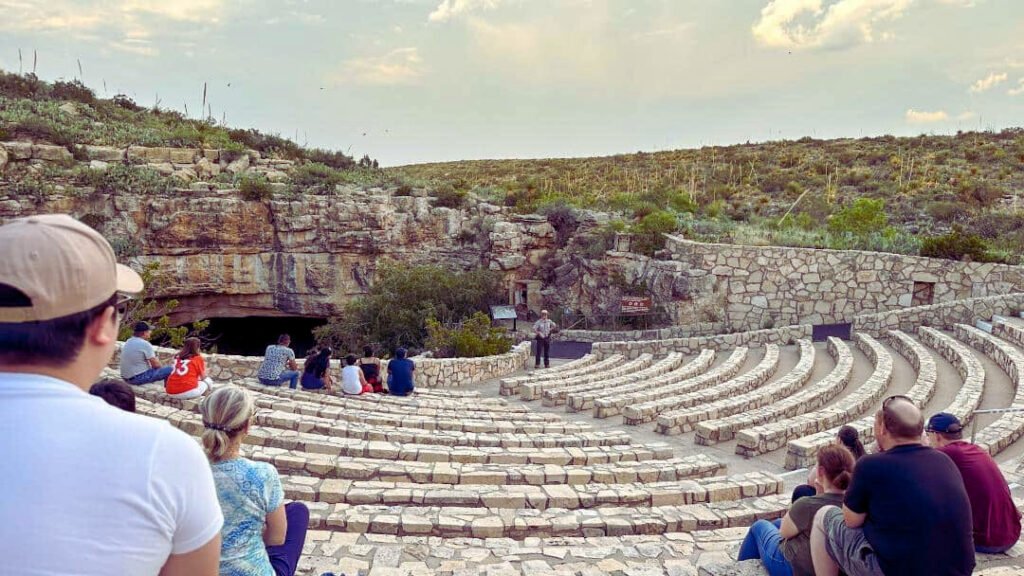
Every summer evening, thousands of Mexican free-tailed bats exit the cave in a swirling, cloud-like formation. This bat flight is one of the most iconic natural events in Carlsbad Caverns National Park.
Visitors gather at the Bat Flight Amphitheatre to witness the bats take to the skies at dusk. Rangers provide educational talks, making it both a fascinating and family-friendly experience.
4.2 The Role of Bats
Bats are vital for the ecosystem — they control insect populations and help pollinate plants. Watching them soar into the twilight sky reminds visitors of nature’s delicate balance.
5. Why Is Carlsbad Caverns Closed?
At times, visitors search online asking, “Why is Carlsbad Caverns closed?” The good news is that Carlsbad Caverns National Park is rarely closed, but temporary shutdowns can happen for several reasons:
- Weather Conditions – Heavy rain or flash floods can make roads unsafe.
- Maintenance or Safety Inspections – The National Park Service occasionally closes certain areas for infrastructure repairs or to improve visitor safety.
- Government Shutdowns – Like other U.S. national parks, it may close temporarily during federal budget impasses.
- Wildlife Protection – Specific sections may be restricted to protect bat habitats during sensitive seasons.
Before visiting, it’s best to check the official National Park Service website or visitor hotline for the most up-to-date information on operating hours and closures.
6. The Viral Story of “Cheetos Carlsbad Caverns”
You may have seen the phrase “Cheetos Carlsbad Caverns” trending on social media — but what does it mean?
This quirky phrase became popular after a marketing campaign and several viral memes linked the bright orange Cheetos dust (cheese powder) to the colourful mineral formations inside the cave. People jokingly compared the glowing formations in the Big Room to Cheetos or cheese-coated walls.
While it’s just a funny internet trend, it brought renewed attention to Carlsbad Caverns among younger audiences. Many visitors even began sharing “Cheetos cave selfies” online — of course, without touching or damaging any natural formations.
It’s a perfect example of how a viral moment can spark new curiosity about one of America’s most beautiful natural landmarks.
7. Above-Ground Adventures
7.1 Carlsbad Caverns National Park
Beyond the caves, Carlsbad Caverns National Park spans over 46,000 acres of desert terrain. It’s part of the Guadalupe Mountains, offering stunning views, hiking trails, and wildlife spotting opportunities.
Popular trails include:
- Guadalupe Ridge Trail – challenging but scenic
- Rattlesnake Canyon Trail – for experienced hikers
7.2 Visitor Centre Experience
Before exploring the caves, stop at the Visitor Centre, where you’ll find maps, history exhibits, and interactive displays about cave formation. There’s also a café, souvenir shop, and a short film introducing the geology of the caverns.
8. Science, Preservation, and Research
8.1 A Living Laboratory
Scientists call Carlsbad Caverns a “living cave” because its formations continue to grow. Research here helps experts understand cave ecosystems, mineral development, and even microbial life that could inspire medical breakthroughs.
8.2 Protecting the Caverns
The National Park Service has strict conservation rules. Touching the formations, leaving trash, or straying off the path can damage the cave’s fragile environment. Rangers work hard to preserve the caverns so they remain untouched for future generations.
9. Cultural and Educational Significance
9.1 Inspiration for Generations
Carlsbad Caverns has inspired countless photographers, filmmakers, and scientists. Its surreal beauty has even influenced NASA researchers studying caves on Mars, as the formations mimic potential alien terrains.
9.2 Educational Programs
Schools often bring students here to learn about geology, biology, and environmental science. These educational tours encourage young explorers to appreciate the natural world and its conservation.
10. Best Time to Visit Carlsbad Caverns
10.1 Seasonal Highlights
The park is open year-round, but spring (March–May) and fall (September–November) are the best times to visit due to mild temperatures and smaller crowds.
If you want to witness the bat flight, visit between May and October — the bats’ active season.
10.2 Visitor Tips
- Wear comfortable walking shoes.
- Bring a light jacket — cave temperatures stay around 56°F (13°C).
- Carry water, especially for hikes in the desert.
- Book guided tours early, as spots can fill up quickly.
11. Fun Facts About Carlsbad Caverns
- The Big Room is large enough to fit six football fields.
- Over 119 caves exist within the park’s boundaries.
- Some formations grow less than an inch every 100 years.
- The caverns were first photographed by Ray V. Davis in 1915.
- Jim White used to name formations after religious hymns like “Rock of Ages.”
12. Why You Should Visit Carlsbad Caverns
12.1 A Journey Through Time
Exploring Carlsbad Caverns is like travelling back millions of years. The silence, the cool air, and the shimmering mineral walls tell the story of Earth’s natural history.
12.2 A Mix of Adventure and Learning
Whether you’re a thrill-seeker, scientist, or nature lover, the park offers something for everyone — adventure, knowledge, and peace.
12.3 A Place of Wonder
Standing deep underground, surrounded by formations shaped by time and water, visitors often feel humbled by nature’s creativity and power.
Conclusion
Carlsbad Caverns isn’t just a destination — it’s an experience that blends mystery, science, and natural art. From its discovery by Jim White to its status as a global landmark, it continues to fascinate millions of visitors each year.
Whether you’re exploring the Big Room, witnessing the bat flight, or laughing about the Cheetos Carlsbad Caverns meme, one thing is certain: this underground world is a timeless reminder of nature’s beauty and strength.
So, pack your curiosity, grab your camera, and get ready to explore one of Earth’s greatest underground treasures — the legendary Carlsbad Caverns.