Cave: Nature’s Secret Beauty
Introduction
Caves have fascinated humans for centuries. They are nature’s hidden rooms, carved by time, water, and rock. Whether found deep underground or behind waterfalls, each cave tells a story millions of years in the making. From adventure seekers to scientists, caves attract people from all over the world for their beauty, mystery, and natural history.
What Is a Cave?
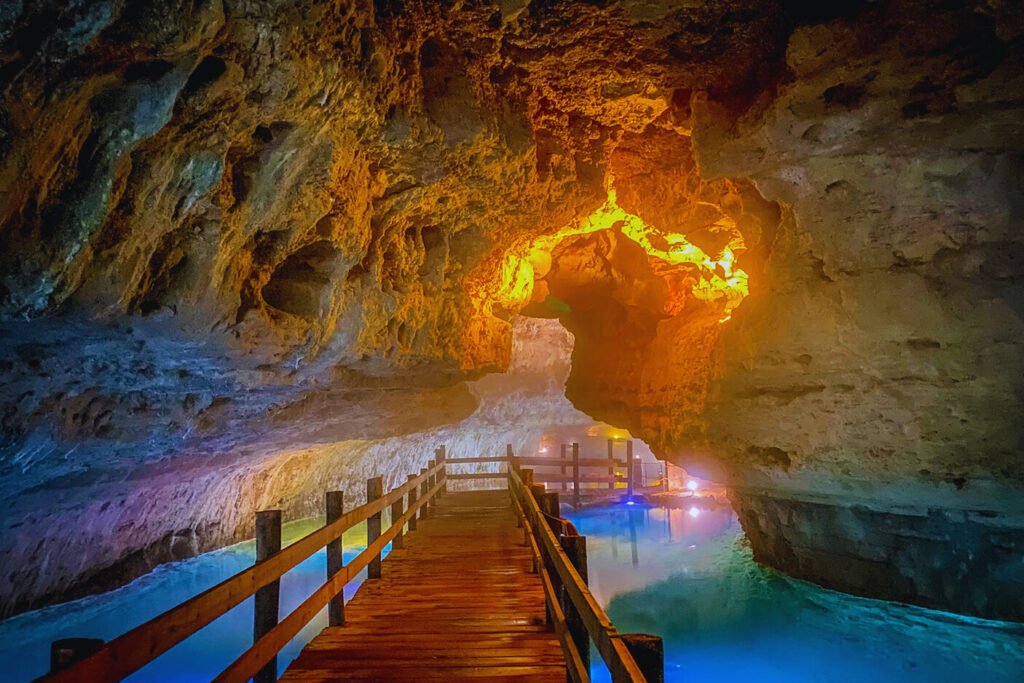
A cave is a natural underground space large enough for a person to enter. Most caves form in limestone rock through a process called chemical weathering, where water and carbon dioxide dissolve the stone over time. However, some caves form through volcanic activity, erosion, or the movement of glaciers.
Caves are found on every continent and come in different sizes and shapes. Some stretch for miles, while others are small, hidden chambers that can barely fit one person.
Types of Caves
Caves can be classified into several types based on how they were formed. Understanding the types of caves helps explorers and geologists appreciate how diverse these natural wonders can be.
Solution Caves
These are the most common caves, formed in limestone by water mixed with carbon dioxide. As the slightly acidic water seeps into cracks, it slowly dissolves the rock, creating hollow spaces that grow into large chambers. Famous examples include Mammoth Cave in Kentucky and Carlsbad Caverns in New Mexico.
Lava Caves
Also known as lava tubes, these caves form when molten lava flows beneath the surface of a volcano. As the outer layer cools and hardens, the inner lava continues to flow, leaving behind a hollow tunnel. Kazumura Cave in Hawaii is one of the world’s longest lava tubes.
Sea Caves
Waves constantly pound against coastal cliffs, slowly carving out caves over thousands of years. These are known as sea caves. They often have stunning entrances and are popular among kayakers and photographers. Examples include the Blue Grotto in Italy and the Sea Lion Caves in Oregon.
Glacier Caves
When melting water flows through or under glaciers, it forms glacier caves. Their shimmering blue walls make them some of the most beautiful natural sights on Earth. The Eisriesenwelt Ice Cave in Austria is one of the largest of its kind.
Erosion Caves
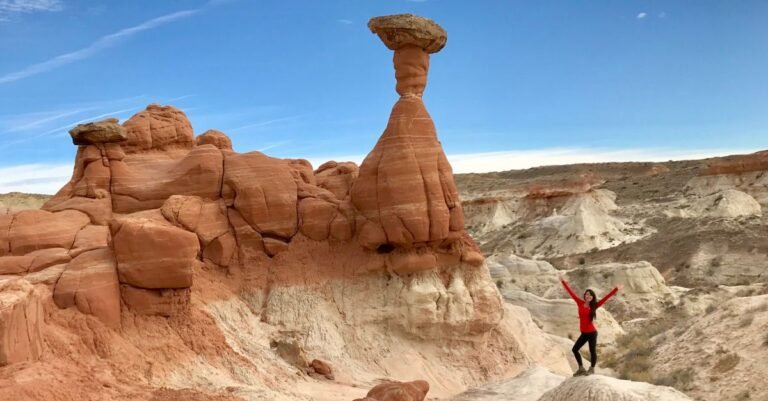
Wind and rain can erode soft rocks such as sandstone, forming erosion caves. Though smaller than solution caves, they offer fascinating formations and are easier to access.
What Makes Caves So Special?
Every cave is like a time capsule. Inside, you’ll find formations and fossils that tell the story of Earth’s ancient past.
Unique Formations
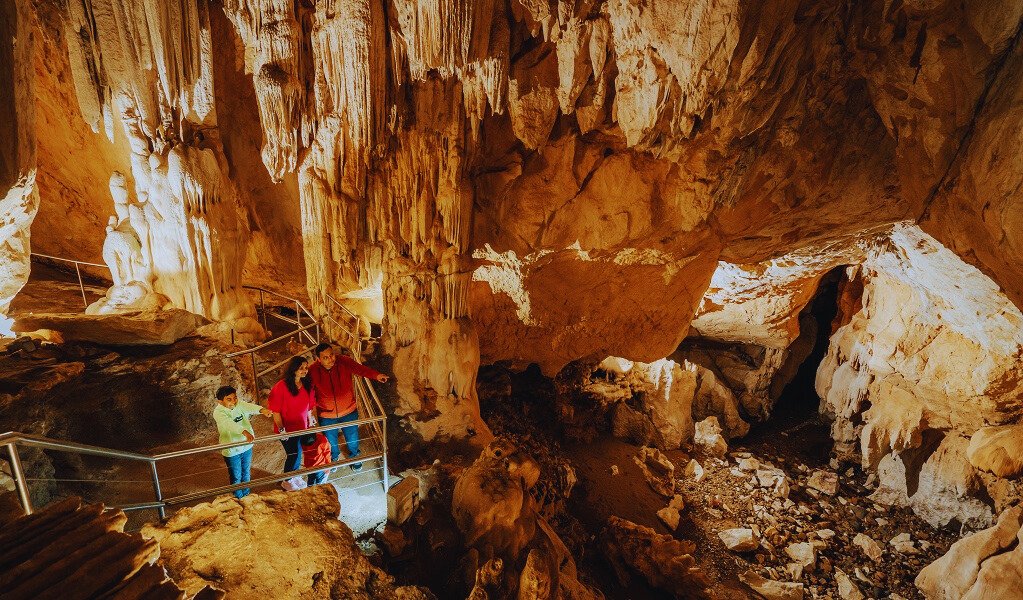
Caves are famous for their stunning stalactites, which hang from the ceiling, and stalagmites, which grow from the ground. Over thousands of years, minerals in dripping water build these natural sculptures. When they meet, they form columns that look like marble pillars in a grand palace.
Amazing Wildlife
Caves are home to many creatures that can’t survive anywhere else. Bats, blind fish, and insects have adapted to total darkness. These species are vital to the cave ecosystem and to the balance of nature outside as well.
Scientific Discoveries
Caves preserve fossils, ancient bones, and even prehistoric paintings. Archaeologists have found some of humanity’s earliest art inside caves like Lascaux Cave in France, dating back over 17,000 years.
Exploring a Cave: What You Need to Know
Exploring a cave is one of the most thrilling outdoor adventures. However, it requires caution, preparation, and respect for nature.
Safety Gear
Always carry a helmet with a light, extra batteries, gloves, and sturdy shoes. Caves are dark, slippery, and often filled with uneven surfaces. A guide is recommended for beginners.
Plan Ahead
Some caves are open to the public with marked paths and lights, while others require special permission. Always check local regulations before visiting.
Respect the Environment
Never touch cave formations—they grow very slowly, and the oils on your hands can damage them. Leave no litter and avoid loud noises to protect cave wildlife.
Famous Caves Around the World
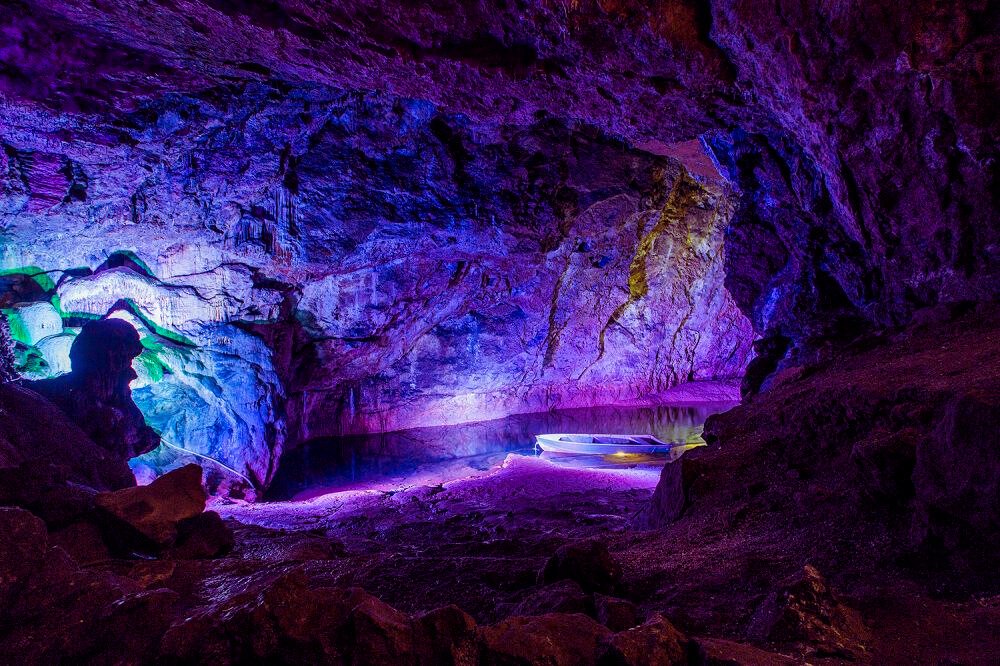
Caves exist in nearly every country, each offering a glimpse into the planet’s ancient past. Here are some of the world’s most famous and beautiful caves:
Mammoth Cave, USA
Located in Kentucky, Mammoth Cave is the world’s longest known cave system, stretching over 400 miles. It’s a UNESCO World Heritage Site and offers guided tours for visitors of all ages.
Carlsbad Caverns, USA
Found in New Mexico, Carlsbad Caverns features massive underground chambers and incredible formations. The Big Room is so large that it could fit several football fields inside.
Waitomo Glowworm Caves, New Zealand
These caves are illuminated by thousands of glowing worms that create a magical blue light. It’s one of the most photographed caves in the world.
Son Doong Cave, Vietnam
Currently, the largest cave on Earth, Son Doong, has its own jungle, river, and weather system inside. It’s so big that a Boeing 747 could fit through some of its chambers.
Postojna Cave, Slovenia
This stunning cave is famous for its underground train tour and impressive formations that attract millions of tourists every year.
Why Caves Are Perfect for Adventure and Photography
Caves are a dream destination for adventurers and photographers. With their dramatic lighting, rare minerals, and unique rock formations, they offer endless opportunities for breathtaking photos. Many travel bloggers and explorers visit caves to document the beauty of nature’s hidden worlds.
If you’re planning to photograph a cave, use a tripod, low ISO, and long exposure settings to capture the magic of the dimly lit chambers.
Caves in Culture and Mythology
Throughout history, caves have appeared in myths, religions, and legends. Ancient people often viewed them as gateways to the spiritual world. In Greek mythology, caves were seen as entrances to the underworld. In Buddhism and Hinduism, monks meditated in caves for peace and enlightenment.
Even today, many cultures see caves as sacred or mysterious places that connect the human world with the divine.
The Future of Caving and Conservation
Caves are delicate ecosystems, and human activity can easily damage them. Pollution, vandalism, and excessive tourism threaten many cave systems around the world.
National parks and conservation groups are working to protect caves by limiting visitor numbers, promoting responsible tourism, and studying how to preserve fragile formations.
When you visit a cave, remember you are stepping into a natural wonder that took millions of years to form. Please treat it with care so future generations can experience its beauty too.
Final Thoughts
Caves are among Earth’s most mysterious and awe-inspiring creations. Whether you visit a small local cave or a world-famous one like Carlsbad Caverns or Son Doong, each offers a chance to step into the heart of our planet’s history.
Exploring a cave is more than an adventure—it’s a journey into nature’s artistry, shaped by time, water, and rock. So, grab your flashlight, respect the Earth beneath your feet, and experience the hidden wonders that lie beneath the surface.