Chattooga River Rafting Guide & Outdoor Adventures
Introduction:
One of the most famous free-flowing rivers in the Southeast is the Chattooga River, which flows through unspoiled wilderness along the boundary between Georgia and South Carolina. This picturesque canal offers a unique combination of adventure, seclusion, and natural beauty. It is well-known for its unspoiled forests, spectacular gorges, and exhilarating rapids. The area is still astonishingly pristine since the Wild and Scenic Rivers Act protects it. This guide includes all the information you need to arrange a rafting vacation, hiking activity, or tranquil retreat in a riverfront lodge.
Chattooga River Location
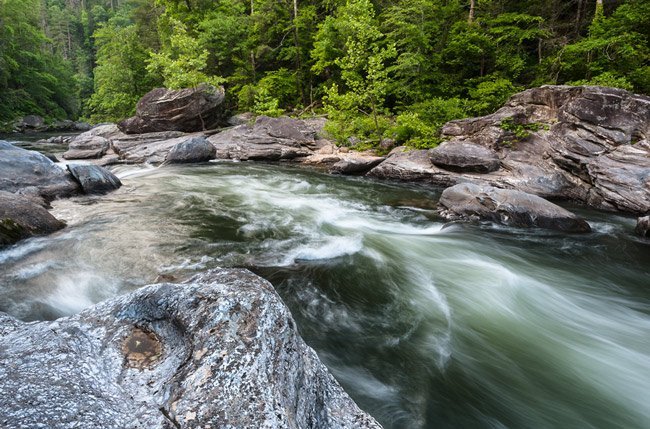
The river forms a natural border between Georgia and South Carolina as it flows southward from its source high in North Carolina’s Blue Ridge Mountains. It eventually becomes a part of the greater Savannah River basin by joining Lake Tugaloo. One of the reasons the area has remained so wild is because of its distant position. Steep canyon walls, dense hardwood forests, and limited road access keep development to a minimum.
The U.S. Forest Service usually maintains designated put-in stations and trailheads for visitors to access the river.
Natural History and Scenic Value
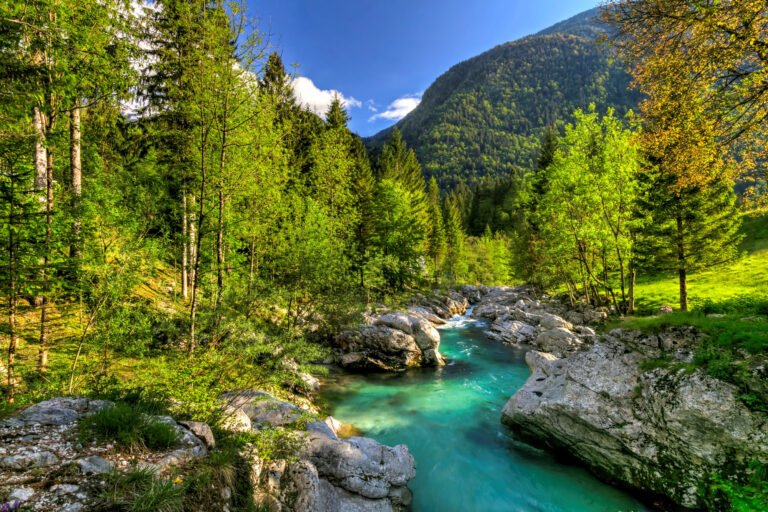
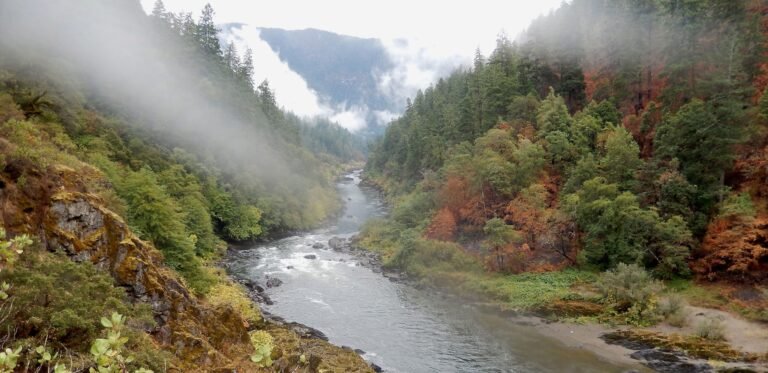
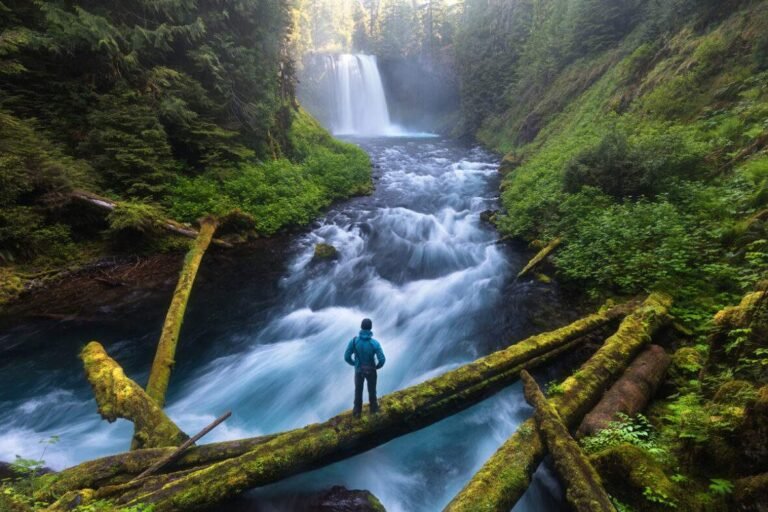
The wildlife of the surrounding watershed is abundant. The banks are lined with ancient hemlocks, oak woods, and rhododendron thickets. The protected ecology is home to migrating birds, black bears, and river otters. Towering rock formations and tumbling tributaries enhance the spectacular landscape. Early in the morning, mist frequently rises from the river, producing a serene ambiance that seems very different from modern life.
Chattooga River Rafting
The most well-known activity on this river system is rafting, which draws paddlers from all across the nation. Each part of the waterway offers varying degrees of scenery and hardship. The upper sections are calmer and ideal for scenic floats and beginner paddlers. The terrain steepens as the river flows downstream, creating intense rapids and technical difficulties for seasoned explorers. For anyone seeking professional guidance and additional security, guided tours are offered.
White Water Rafting Chattooga
In the world of whitewater aficionados, this location is legendary. It is one of the most difficult rafting rivers in the Southeast, with Class IV and Class V rapids in some places. Since melting and rainfall raise water levels, spring is the best time of year for high-adrenaline runs. Rapids get stronger, faster, and more technical during this period. The more difficult parts should only be attempted by guided groups or experienced rafters because circumstances might change rapidly.
Chattooga River Rafting Experience
Here, rafting is much more than just having fun. Paddlers travel through silent areas between rapids, where the only noises are the rushing water and the creatures of the forest. Half-day excursions and multi-day trips with riverfront camping are both possible. Outfitters improve the whole experience by supplying gear, safety instructions, and local expertise. Commercial rafting is strictly regulated to maintain the river’s natural state because it is protected.
Hiking Trails Along the River
The river is flanked by several hiking routes that provide access to remote swimming places and breathtaking views. One of the most well-known is the Chattooga River Trail, which winds through miles of rugged terrain and dense woodland. Seasonal wildflowers, sweeping views of the gorge, and sporadic wildlife sightings are the rewards for hikers. Both novice hikers and seasoned travellers can enjoy the moderate to challenging trails.
Fishing Opportunities
The river’s outstanding trout fishing attracts anglers. Particularly in the upper portions, rainbow and brown trout thrive in the cold, clear water. To preserve healthy fish populations, many anglers engage in catch-and-release fly fishing. Section-specific fishing regulations differ, so it’s crucial to confirm local laws before putting out a line.
Chattooga River Lodge Options
There are luxurious wilderness lodges and primitive cabins along the river. With fireplaces, views of the forest, and convenient access to outdoor activities, many lodging options are made to blend in with the surrounding environment. Visitors can take advantage of peaceful evenings and early mornings in the company of nature by staying near the river. Some lodges also partner with rafting outfitters, making trip planning easier. It is advised to make reservations, particularly during the busiest rafting season.
Camping Near the River
One of the best ways to enjoy the isolation of the region is to camp. For those who want total immersion in nature, there are both basic backcountry locations and constructed campgrounds with basic amenities. Campers should adhere to the Leave No Trace philosophy and be ready for limited amenities. Visitors must store food properly to avoid wildlife encounters, and officials frequently ban fires during dry conditions.
Best Time to Visit
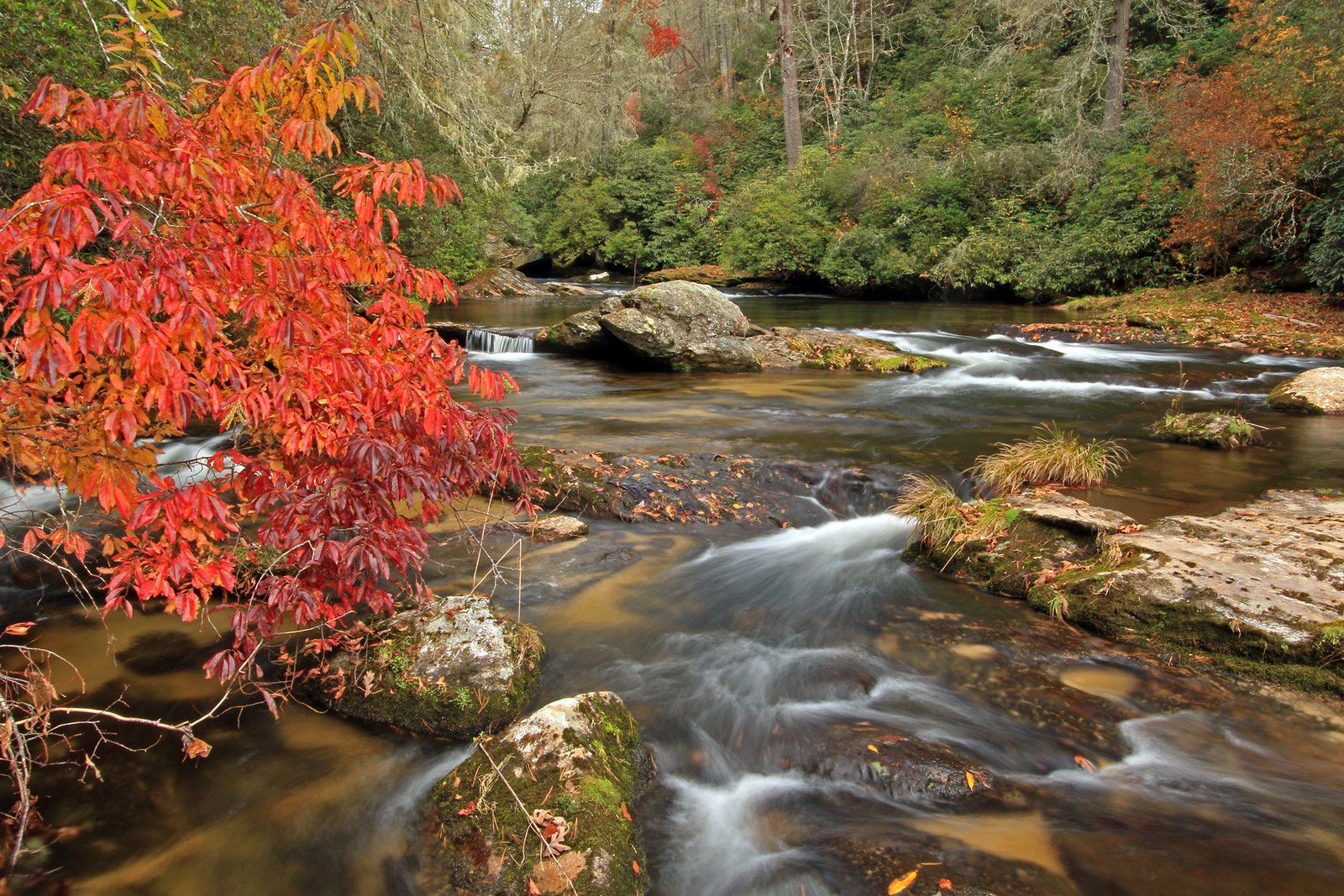
Spring and early summer are ideal for rafting due to higher water levels. Fall is perfect for hiking and photography, with cooler temperatures and colorful foliage.
Summer offers warm weather for swimming and fishing, though water levels may be lower. Winter visits are quieter and peaceful, but some access points may be limited.
Conservation and River Protection
The river’s designation as a Wild and Scenic River ensures long-term protection from dams and overdevelopment. Conservation efforts focus on preserving water quality, wildlife habitat, and natural flow patterns.
Visitors play a key role in conservation by respecting regulations, minimizing impact, and supporting responsible outfitters and local communities.
Photography and Scenic Views
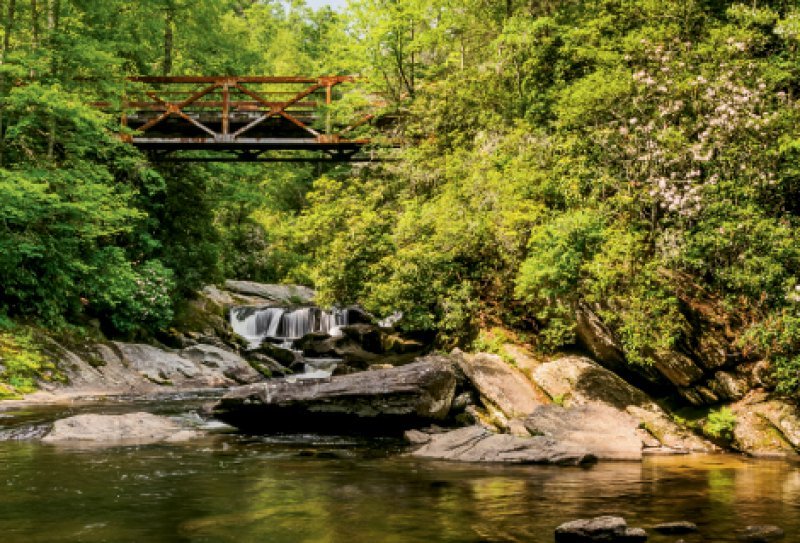
Photographers are drawn to the dramatic contrasts of light and shadow created by steep canyon walls. Early mornings and late afternoons provide the best lighting for capturing reflections, rapids, and forest textures.
Waterfalls along tributary streams add extra photographic interest, especially after rainfall.
Safety Tips for Visitors
River conditions can change rapidly due to the weather. Always verify water levels and predictions before organising any activity. When visiting distant locations, make sure you have the right equipment, follow route signs, and let someone know what you want to do. Guides recommend guided excursions for novice rafters.
Frequently Asked Questions
Where is the Chattooga River located?
It flows along the Georgia–South Carolina border, beginning in North Carolina.
Is the river suitable for beginners?
Some upper sections are beginner-friendly, while lower sections require advanced skills.
Are guided rafting trips available?
Yes, licensed outfitters offer guided trips for various skill levels.
Can you camp near the river?
Yes, both developed and primitive camping options are available.
Is the area protected?
The government designated it as a Wild and Scenic River to preserve its natural state to preserve its natural state.
Conclusion
With its powerful rapids, untouched forests, and deep cultural significance, the Chattooga River stands as one of the most remarkable outdoor destinations in the southeastern United States. Whether you’re chasing adventure or seeking solitude, this wild waterway delivers an unforgettable experience rooted in nature and preservation.
For more information about caves and rivers click on thecavee.com.