Dordogne River France: Southwest France’s Most Scenic Waterway
The Dordogne River in France is one of the most beautiful and historically rich waterways in Europe. Flowing through the heart of southwest France, this river winds past medieval villages, dramatic limestone cliffs, ancient castles, and rolling countryside. It offers travelers a rare mix of outdoor adventure, cultural heritage, and peaceful rural charm.
Stretching roughly 300 miles, this river begins in the volcanic highlands of the Massif Central and eventually meets the Garonne near Bordeaux, forming the Gironde Estuary. Along the way, it shapes landscapes that feel almost untouched by time.
Whether you are planning a relaxing cruise, an active kayaking trip, or a countryside road adventure, this guide covers everything you need to know about visiting this iconic French destination.
Dordogne River Valley, France
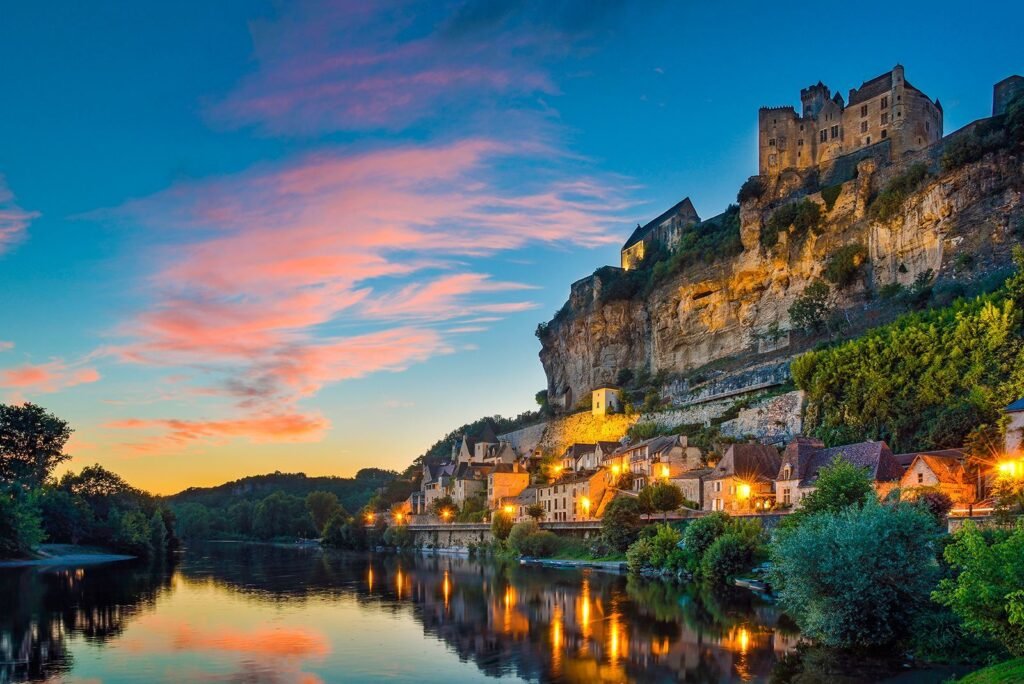
The Dordogne River valley in France is often described as one of the most picturesque regions in the country. The valley is known for its honey-colored stone villages, cliffside fortresses, vineyards, and prehistoric cave art.
This region stretches across departments like Dordogne and Lot, with towns that look like they belong in a storybook. The valley’s gentle curves create fertile farmland and scenic overlooks that attract photographers, hikers, and history lovers alike.
Some of the most famous villages along the valley include:
- Beynac-et-Cazenac
- La Roque-Gageac
- Domme
- Castelnaud-la-Chapelle
Each village offers panoramic views of the surrounding countryside and the winding water below. Traditional markets, local cheeses, foie gras, walnuts, and regional wines give visitors a true taste of rural France.
The valley is also part of a UNESCO Biosphere Reserve, highlighting its ecological importance. Limestone cliffs shelter rare bird species, while forests and meadows create diverse habitats.
History and Cultural Heritage Along the River
Few rivers in Europe hold as much history as this one. The region has been inhabited since prehistoric times. Some of the world’s oldest cave paintings are found in this area, including the famous Lascaux caves.
During the Middle Ages, the valley became a strategic battleground in the Hundred Years’ War between French and English forces. This explains the large number of castles lining the cliffs.
Impressive fortresses like Château de Beynac and Château de Castelnaud stand as reminders of medieval power struggles. These castles now welcome visitors who want to explore towers, defensive walls, and breathtaking viewpoints.
The area is also known for Romanesque churches, stone bridges, and traditional farmhouses built from local limestone.
Dordogne River Cruises
Dordogne River cruises offer one of the most relaxing ways to experience the region. Unlike larger European river systems, this waterway feels intimate and peaceful.
There are two main types of cruises:
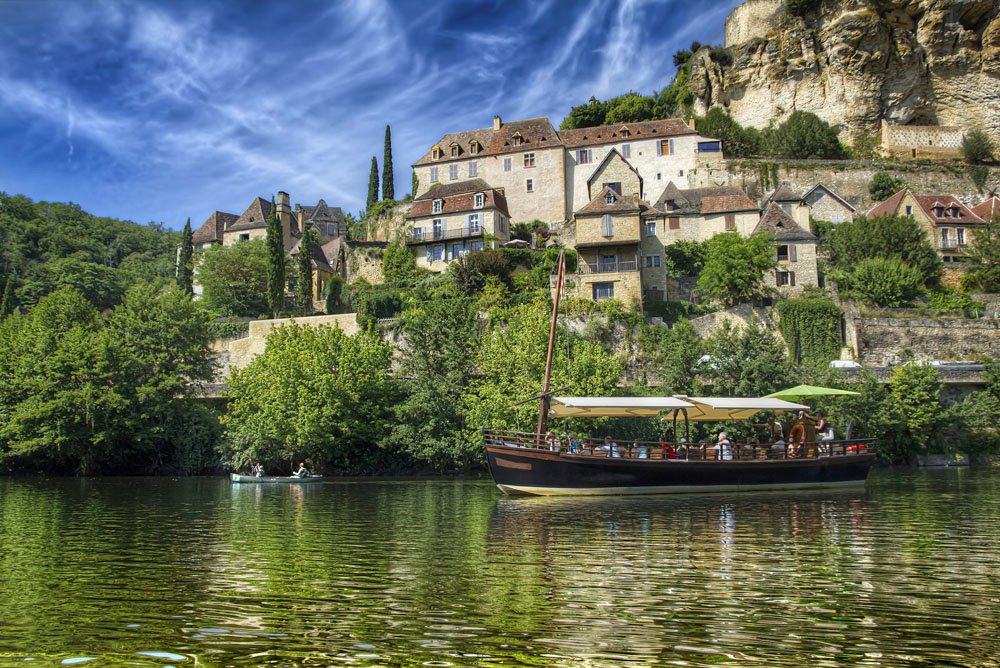
Traditional flat-bottomed boats called gabares operate along the Dordogne River near La Roque-Gageac and Beynac. These guided tours explain local history as you glide past castles and cliffs.
Luxury river cruises, often connected with Bordeaux itineraries, combine wine tasting, gourmet dining, and cultural excursions. These cruises typically include stops at vineyards, medieval towns, and historical landmarks.
Short scenic cruises last around one hour, making them perfect for families. Longer itineraries can extend over several days, combining countryside exploration with culinary experiences.
The calm water and slow pace allow travelers to truly appreciate the beauty of the surrounding cliffs and green hills.
Dordogne River Kayaking
Dordogne River kayaking is one of the most popular activities in the region. The gentle current and clear water make it ideal for beginners and experienced paddlers alike.
Kayak rental companies operate in towns like Vitrac, Carsac, and Beynac. Visitors can choose routes ranging from a few miles to full-day adventures.
One of the most scenic sections runs between Carsac and Beynac. Along this stretch, paddlers pass beneath towering castles and dramatic limestone walls. Sandy riverbanks provide perfect picnic stops.
Summer months offer warm weather and safe water levels, though spring can bring stronger currents due to rainfall. Life jackets are mandatory and provided by rental companies.
Kayaking here combines light adventure with unmatched scenery. Floating quietly along the water gives a unique perspective of the valley’s architecture and nature.
Dordogne River Map and Geography
A map of the Dordogne River reveals how it begins in the Massif Central mountains. It forms from the meeting of two smaller rivers before flowing westward.
Major towns along the route include:
- Argentat
- Souillac
- Sarlat-la-Canéda (nearby)
- Bergerac
Near Bordeaux, the river merges with the Garonne to create the Gironde Estuary, which opens into the Atlantic Ocean.
The upper sections are narrower and more rugged, while the lower stretches widen and pass through vineyard-covered hills.
Travelers using a map will notice how many medieval villages sit on elevated cliffs. These strategic locations once protected residents from invasions and flooding.
For visitors planning road trips, following the river by car allows access to scenic viewpoints and hidden countryside routes.
Best Towns to Visit Along the Waterway
Sarlat-la-Canéda is often considered the cultural heart of the region. Its cobblestone streets and preserved medieval buildings create a timeless atmosphere.
Beynac-et-Cazenac offers dramatic views of the castle perched above the river bend.
La Roque-Gageac sits between cliff walls and the riverbank, with narrow streets and exotic gardens.
Bergerac is known for wine production and charming old-town squares.
Each town offers markets, cafés, and artisan shops that showcase local traditions.
Outdoor Activities and Adventure Travel
Beyond kayaking, the region offers hiking, cycling, rock climbing, and hot air balloon rides.
Hiking trails follow cliff edges and pass through walnut groves and forests. Cyclists can use converted railway paths for scenic countryside rides.
Hot air balloon flights offer panoramic views at sunrise, revealing the river’s winding curves below.
Fishing is also popular, with species like pike and carp found in its waters. Also visit Mount Assiniboine for more activities and fun.
Food and Wine of the Dordogne Valley
Southwest France is famous for rich, hearty cuisine. Visitors can enjoy duck confit, truffles, foie gras, and walnut-based desserts.
Bergerac wines pair beautifully with regional dishes. Local markets are filled with fresh produce, cheeses, and baked goods.
Dining along the river often includes terrace seating with sunset views.
Best Time to Visit the Region
Spring and early summer bring blooming wildflowers and mild temperatures.
July and August are popular for kayaking and outdoor festivals, but can be busy.
Autumn offers the grape harvest season and vibrant foliage.
Winter is quieter, ideal for travelers seeking peaceful village experiences.
Dordogne River, France for Families
Families love this destination for its safe kayaking routes, castle tours, and open countryside.
Many villages host seasonal festivals and markets that entertain children and adults alike.
Outdoor picnics along sandy banks make for simple, memorable experiences.
Photography and Scenic Viewpoints
Golden hour light enhances limestone cliffs and castle towers.
Top viewpoints include Domme’s panoramic terrace and the Beynac castle overlook.
Early morning mist over the water creates dramatic images for photographers.
Travel Tips for Visiting the Dordogne Region
Renting a car is highly recommended for exploring smaller villages.
Book kayak rentals and accommodations early during the summer months.
Comfortable walking shoes are essential for cobbled streets.
Learn a few French phrases for a more authentic local experience.
How to Reach the Dordogne River France
The nearest major airport is in Bordeaux. From there, trains and car rentals provide access to the valley.
Driving from Paris takes about five hours.
Regional trains connect major towns, but rural areas require private transport.
Sustainable Tourism and Conservation
The river is protected as part of a biosphere reserve.
Visitors are encouraged to avoid littering and respect wildlife habitats.
Local businesses promote eco-friendly practices and sustainable tourism initiatives.
Frequently Asked Questions
Where is the Dordogne River France located?
It flows through southwest France, beginning in the Massif Central and joining the Garonne near Bordeaux.
Is kayaking suitable for beginners?
Yes, the calm current and clear water make it ideal for beginners, especially in summer.
What are the best towns to visit?
Sarlat-la-Canéda, Beynac-et-Cazenac, La Roque-Gageac, and Bergerac are top choices.
When is the best time to visit?
Late spring and early autumn offer pleasant weather and fewer crowds.
Are river cruises available year-round?
Most cruises operate from spring through early fall.
The Dordogne River in France offers a perfect balance of natural beauty, medieval history, culinary excellence, and outdoor adventure. From scenic cruises to peaceful kayaking routes, every stretch of this waterway tells a story. The surrounding valley invites travelers to slow down, explore charming villages, and experience authentic French countryside life.
Whether you are seeking romance, adventure, or cultural discovery, this iconic river region delivers unforgettable memories in every season. For the full guide, visit thecavee.com.