Drina River: A Complete Guide to the Balkans’ Emerald Waterway
The Drina River is one of the most beautiful and culturally significant rivers in Southeast Europe. Flowing between Bosnia and Herzegovina and Serbia, this emerald-green waterway winds through deep canyons, forested mountains, and historic towns. It serves as a natural border between the two countries for much of its journey, shaping landscapes and local traditions for centuries.
Known for its crystal-clear water and dramatic scenery, this Balkan river attracts adventure seekers, photographers, and travelers searching for authentic destinations away from heavy tourist crowds. From white-water rafting to peaceful lakeside villages, this region offers a perfect balance of nature, history, and culture.
Where Is the Drina River Located?
This river forms at the confluence of the Tara and Piva rivers in the mountainous border region of Montenegro and Bosnia and Herzegovina. From there, it flows north for roughly 215 miles before joining the Sava River near Serbia’s city of Sremska Rača.
The waterway acts as a natural boundary between Bosnia and Serbia for most of its course. The surrounding terrain includes dense forests, limestone cliffs, and national parks, making it one of the most scenic river systems in the Balkans.
Major towns along its route include:
- Foča
- Višegrad
- Bajina Bašta
- Zvornik
Each town offers unique cultural landmarks and access to outdoor activities.
Drina River Valley and Scenic Landscapes
The Drina River valley is famous for its dramatic landscapes. Steep mountains rise above narrow gorges, creating postcard-worthy views in every direction. The upper sections feature wild rapids and untouched forests, while the lower stretches widen into calmer waters and artificial lakes.
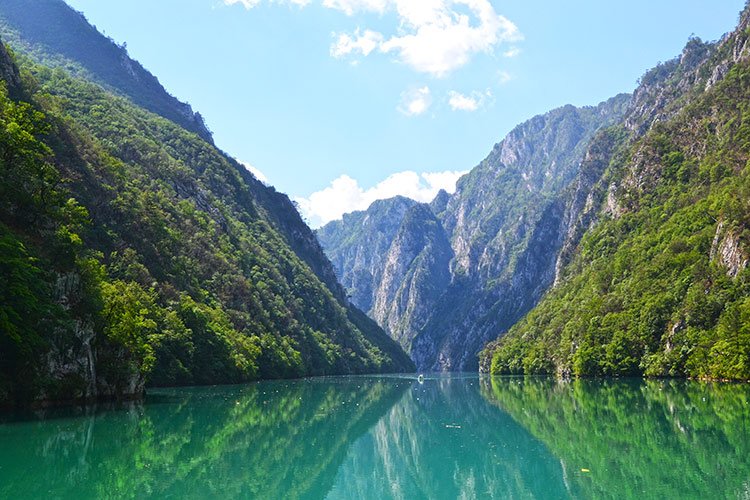
Perućac Lake, formed by a hydroelectric dam near Bajina Bašta, offers peaceful scenery and boating opportunities. The surrounding Tara National Park in Serbia protects rare plant species and wildlife, including brown bears and golden eagles.
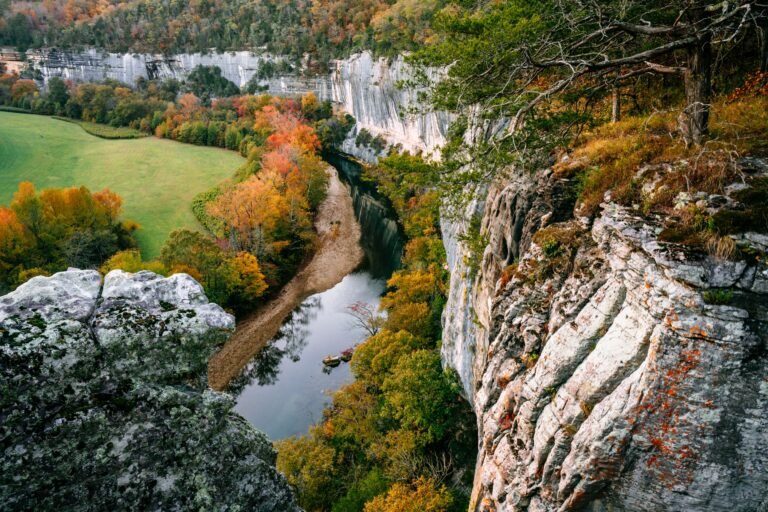
Autumn is particularly beautiful here, as forests turn shades of red, orange, and gold. Spring brings wildflowers and strong river currents from melting snow in the mountains.
History and Cultural Significance
This Balkan waterway has played an important role in regional history for centuries. It has served as both a border and a bridge between cultures, empires, and communities.
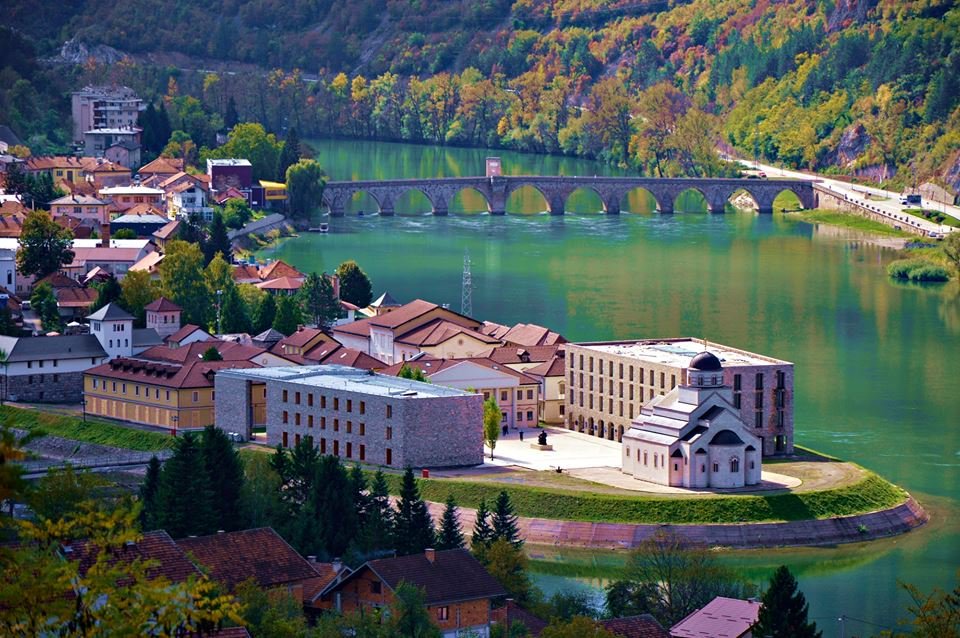
One of the most iconic landmarks along the river is the Mehmed Paša Sokolović Bridge in Višegrad. Built during the Ottoman period in the 16th century, this architectural masterpiece is now a UNESCO World Heritage Site.
The bridge gained international fame through the novel “The Bridge on the Drina” by Ivo Andrić, a Nobel Prize-winning author. The story reflects the region’s complex history and the river’s role in connecting different civilizations.
Throughout history, the valley has witnessed periods of peace, trade, and conflict. Today, it stands as a symbol of cultural coexistence and resilience.
Drina River Rafting and White-Water Adventure
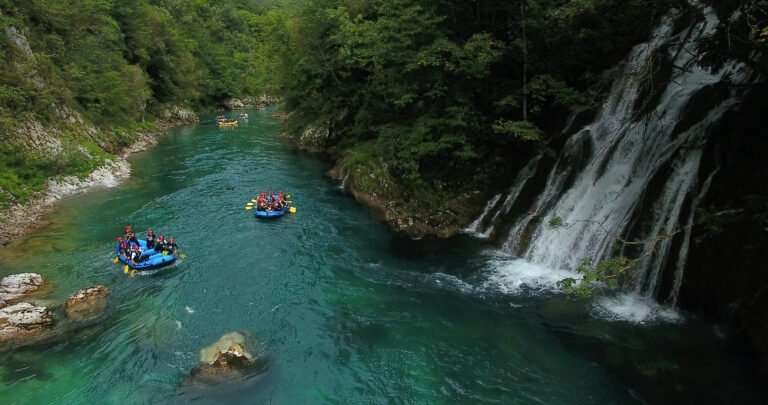
Drina River rafting is one of the top adventure activities in the Balkans. The upper sections near Foča offer exciting rapids suitable for both beginners and experienced rafters.
The Tara River, which forms part of the same watershed, is also famous for white-water experiences. Together, these waterways create one of Europe’s best rafting destinations.
Rafting tours usually run from May to September, when water levels are ideal. Professional guides provide safety equipment and instructions, making it accessible even for first-time adventurers.
The combination of thrilling rapids and untouched mountain scenery makes rafting here an unforgettable experience.
Kayaking and Canoeing Opportunities
For those seeking a calmer experience, kayaking along the middle and lower stretches provides stunning views without intense rapids.
Perućac Lake is especially popular for canoeing and paddleboarding. The still water reflects the surrounding forests and cliffs, creating perfect photo opportunities.
Kayakers often paddle past small wooden houses perched above the water, adding charm to the journey. Also, visit the Dordogne River for more fun and adventure.
Fishing Along the Drina River
Fishing is a major attraction in this region. The clean, oxygen-rich water supports a variety of fish species, including:
- Huchen (Danube salmon)
- Brown trout
- Grayling
- Carp
Anglers from across Europe visit this destination for fly fishing and sport fishing. Strict regulations help maintain fish populations and protect the ecosystem.
Spring and early summer are considered prime fishing seasons.
Drina River House on the Rock
One of the most photographed spots in Serbia is a tiny wooden house built on a rock in the middle of the river near Bajina Bašta. Originally constructed by local swimmers in 1968 as a resting place, it has survived floods and storms for decades.
This small cabin has become an Instagram-famous landmark, symbolizing creativity and harmony with nature.
Visitors can view it from the riverbank or while kayaking nearby.
National Parks and Protected Areas
The river flows through areas rich in biodiversity. Tara National Park in Serbia is home to rare Serbian spruce trees and diverse wildlife.
On the Bosnian side, Sutjeska National Park offers hiking trails, glacial lakes, and dense forests.
These parks promote eco-tourism and protect fragile ecosystems. Hiking, birdwatching, and nature photography are popular activities.
Best Time to Visit the Drina River
The best time to explore this region depends on your interests.
- Spring brings strong currents, ideal for rafting.
- Summer offers warm weather for kayaking, swimming, and camping.
- Autumn provides colorful landscapes and fewer tourists.
- Winter is quieter but beautiful, especially in snow-covered mountain areas.
Local Cuisine and Balkan Hospitality
Traveling along this river also means enjoying authentic Balkan cuisine.
Traditional dishes include grilled meats, fresh river fish, cheese pies, and hearty stews. Riverside restaurants often serve freshly caught trout paired with local bread and salads.
Homemade rakija, a traditional fruit brandy, is commonly offered as a welcome drink.
Visitors frequently comment on the warm hospitality of local communities.
Hiking and Outdoor Adventures
The surrounding mountains offer numerous hiking trails with panoramic viewpoints. Popular routes lead to Banjska Stena viewpoint in Tara National Park, which overlooks Perućac Lake.
Cycling routes follow scenic country roads, while camping areas let visitors stay close to nature.
Adventure tourism is growing in the region, but it remains less crowded than many European destinations.
Cultural Events and Festivals
During summer, local festivals celebrate music, food, and river traditions. Rafting competitions and cultural fairs attract both locals and tourists.
These events offer a chance to experience authentic Balkan culture and meet friendly residents.
Travel Tips for Visiting the Drina River
- Bring cash, as smaller villages may not accept cards.
- Renting a car is recommended for exploring remote areas.
- Book rafting tours in advance during peak summer months.
- Respect local regulations when fishing or camping.
Frequently Asked Questions
Where does the Drina River start and end?
It begins at the confluence of the Tara and Piva rivers and flows north until it joins the Sava River.
Is rafting suitable for beginners?
Yes, guided tours provide safety equipment and instructions, making it suitable for most skill levels.
What is the famous house on the rock?
It is a small wooden cabin built in 1968 near Bajina Bašta, now a popular photo spot.
Which countries does the river flow through?
It forms much of the border between Bosnia and Herzegovina and Serbia.
When is the best time to visit?
Late spring through early autumn offers the best weather and outdoor conditions.
Conclusion
The Drina River is more than just a geographical feature. It is a living symbol of Balkan history, culture, and natural beauty. From white-water rafting adventures to peaceful lakeside sunsets, every stretch of this emerald waterway offers something unique.
Whether you are seeking adventure, cultural exploration, or scenic relaxation, this remarkable river region delivers unforgettable experiences in one of Europe’s most underrated destinations.
Whether you are seeking romance, adventure, or cultural discovery, this iconic river region delivers unforgettable memories in every season. For the full guide, visit thecavee.com.