Glacier Caves: Nature’s Hidden Ice Wonders
Introduction
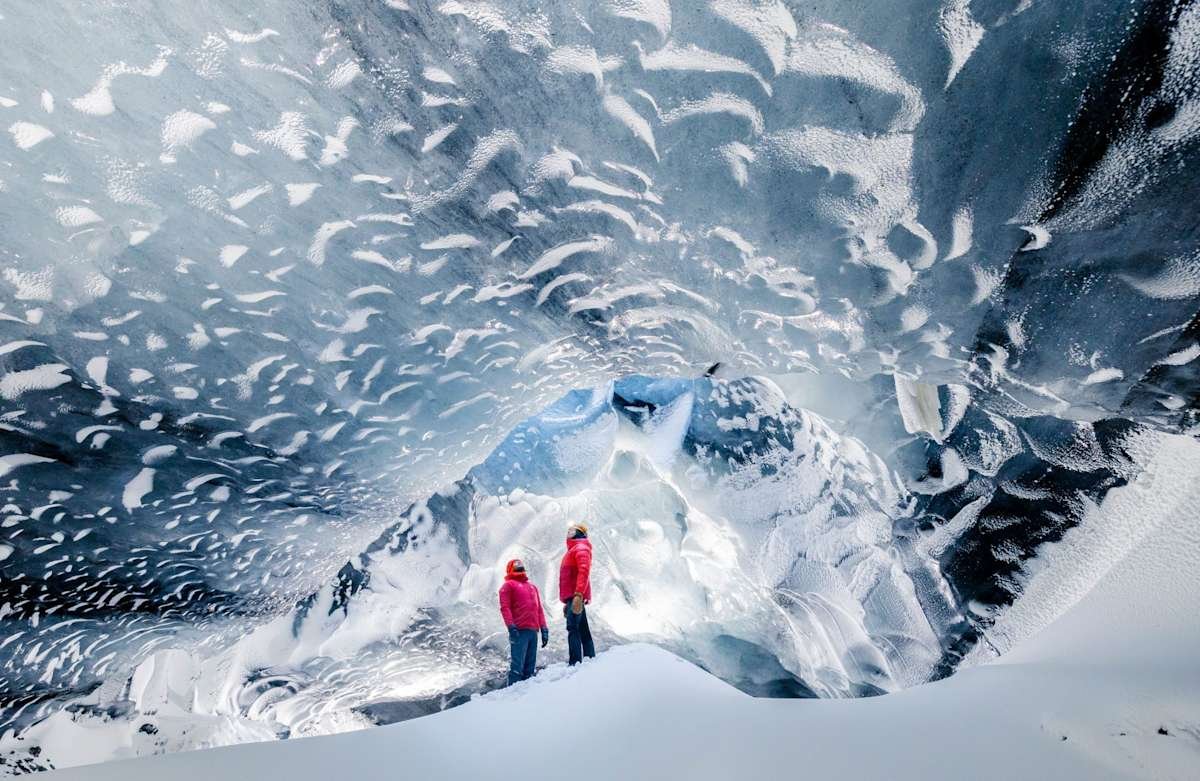
Glacier caves are some of the most breathtaking and mysterious formations found on Earth. Hidden deep within frozen landscapes, these icy tunnels and chambers form when melting water carves through glaciers. They create shimmering blue corridors, crystal ceilings, and surreal ice sculptures that seem like something out of a dream.
For travelers, scientists, and photographers alike, caves represent both beauty and fragility — a glimpse into a world constantly changing with the planet’s climate. In this article, we’ll explore what caves are, how they form, where you can find them, and why they’re such an important part of our natural world.
What Are Glacier Caves?
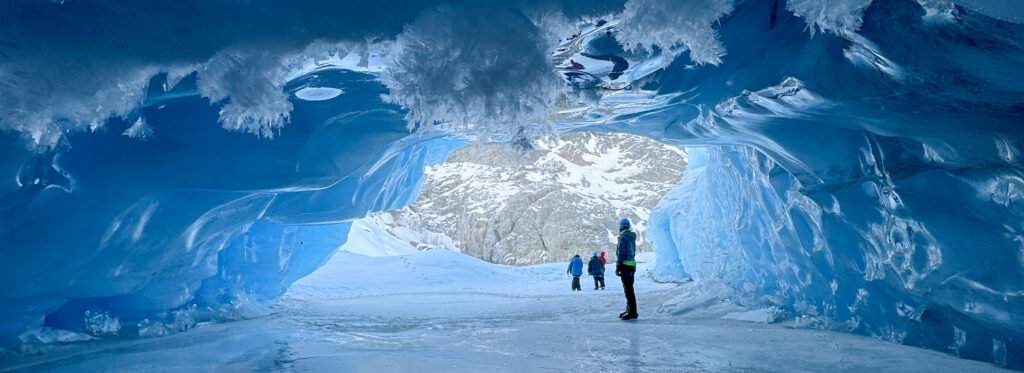
A glacier cave is a natural ice tunnel or hollow space that forms within a glacier or at its base. These caves are often called ice caves, but technically, an ice cave can also form in rock and contain ice. A glacier cave, however, is specifically carved from the ice of the glacier itself.
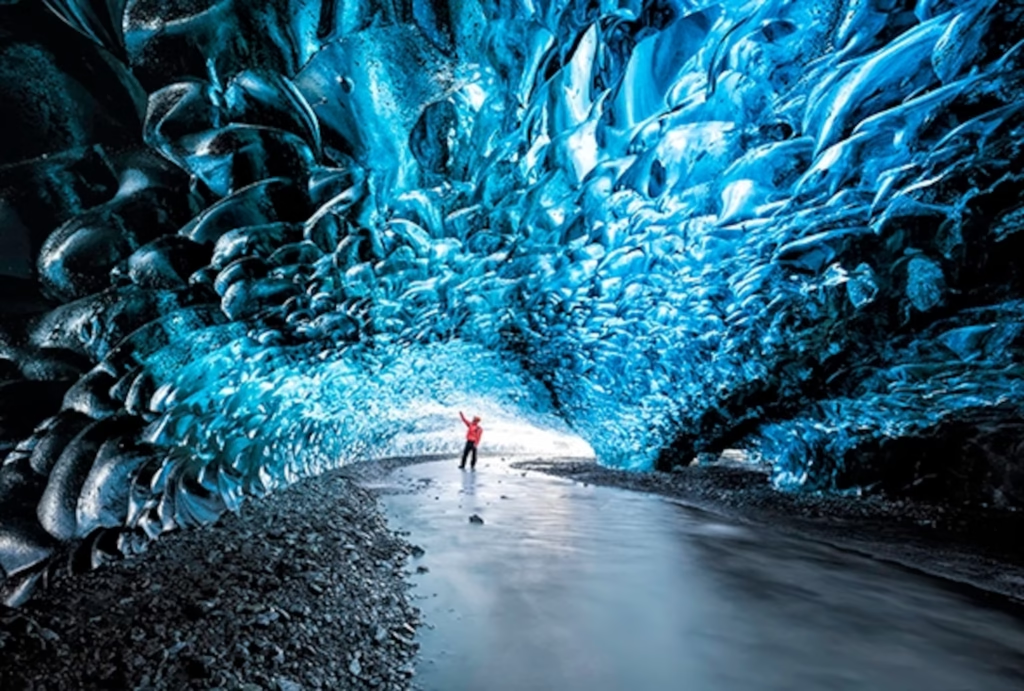
They can vary greatly in size, from small passageways just a few feet wide to enormous tunnels stretching for hundreds of meters. The walls of the glacier cave can appear blue, white, or even turquoise, depending on how light interacts with the compressed ice.
How Glacier Cave Form
Glacier cave are created by meltwater. During warmer months, surface water from melting snow and ice seeps into cracks and crevices of a glacier. This water flows through the glacier, slowly melting and eroding the ice to create tunnels and chambers.
Over time, these tunnels can grow larger as more water flows through them. When the water exits at the glacier’s base, it can leave behind a network of passageways that look like a frozen maze.
Because glaciers are constantly moving and melting, glacier cave are temporary structures. They may shift, collapse, or disappear entirely within a single season. This constant change makes each glacier cave unique and short-lived.
The Stunning Blue Light Inside Glacier Cave
One of the most magical things about the glacier cave is its incredible blue color. The blue light happens because ice absorbs every color in the light spectrum except blue. The deeper the light travels through the ice, the more intense the blue becomes.
When you step inside a glacier cave, it often feels like entering another world — a glowing blue tunnel of pure frozen beauty. Photographers and explorers from around the world travel to these caves to capture that breathtaking color.
Famous Glacier Caves Around the World
1. Vatnajökull Ice Cave, Iceland
One of the most famous glacier cave is found inside the Vatnajökull Glacier in Iceland. It’s the largest glacier in Europe and home to several stunning ice caves that appear each winter. These caves often change shape and location every year as the glacier melts and refreezes.
2. Mendenhall Glacier Cave, Alaska, USA
Located near Juneau, Alaska, the Mendenhall Glacier has long attracted adventurers and photographers. Its cave system glows a deep electric blue, creating a magical atmosphere. However, due to rapid melting and glacier retreat, many of these caves are unstable and constantly changing.
3. Eisriesenwelt, Austria
Although not technically a glacier cave, but rather an ice cave, Eisriesenwelt translates to “World of the Ice Giants.” It’s the largest ice cave on Earth, stretching over 26 miles (42 kilometers). It’s formed from limestone rock but filled with frozen formations created by water seeping through and freezing.
4. Fox Glacier and Franz Josef Glacier, New Zealand
In New Zealand’s South Island, both Fox Glacier and Franz Josef Glacier have incredible ice cave. These glaciers descend almost to sea level, which means visitors can experience glacier cave without traveling to extreme altitudes.
The Difference Between Ice Caves and Glacier Cave
While the terms are often used interchangeably, there’s a key difference:
- Glacier cave form within glaciers from melting ice.
- Ice caves form in rock but contain ice due to low temperatures.
In short, all caves are ice caves, but not all ice caves are glacier cave. The unique blue tunnels seen in many photos are caves made of pure ice shaped by meltwater.
Glacier Cave and Climate Change
Glacier cave are stunning, but they also tell a serious story about the planet’s changing climate. As global temperatures rise, glaciers around the world are retreating at alarming rates. This causes glacier cave to form more frequently — but also to collapse and vanish faster.
In places like Alaska and Iceland, once-stable caves have become too dangerous to enter because of melting. Scientists use glacier cave to study how ice behaves under changing temperatures and to track the effects of global warming.
Each year, new caves appear while old ones disappear — a powerful reminder that Earth’s climate is constantly shifting.
Exploring Glacier Caves: What You Should Know
Visiting a glacier cave can be one of the most unforgettable experiences of your life, but it also comes with risks. Here are some important things to keep in mind:
- Always go with a guide: Glacier cave can collapse unexpectedly, and the terrain is slippery and unstable. A professional guide knows the safest routes and current conditions.
- Go in winter: Glacier cave are usually safest during colder months when the ice is solid.
- Wear proper gear: Waterproof boots, helmets, crampons, and warm clothing are essential.
- Never go alone: Ice caves are unpredictable — it’s best to explore with experts and small groups.
How to Photograph Glacier Caves
Photographing glacier cave can be challenging because of the low light and reflective surfaces. Here are a few quick tips:
- Use a tripod to capture steady long-exposure shots.
- Bring a wide-angle lens to show the full scale of the cave.
- Adjust white balance to avoid overly blue tones.
- Capture both the details (patterns, textures) and the big picture (the size and shape of the cave).
The key is to let the natural beauty of the ice speak for itself.
The Science of Glacier Cave
Scientists study glacier cave not only for their beauty but for what they reveal about glacier dynamics. Inside these caves, researchers can observe how meltwater flows, how ice melts and reforms, and how air moves through the glacier.
Some caves even hold ancient air bubbles, providing clues about Earth’s past atmosphere and climate. By analyzing trapped air and ice layers, scientists can track carbon dioxide levels, temperature shifts, and volcanic activity going back thousands of years.
Preservation and Safety
Because glacier cave are temporary and fragile, preserving them means protecting the glaciers themselves. Reducing greenhouse gas emissions, minimizing pollution, and promoting responsible tourism all play a role in preserving these icy wonders for future generations.
Many national parks and governments now restrict access to glacier cave without guides to protect visitors and the environment.
Why Glacier Cave Matter
Glacier cave are more than just natural wonders — they’re living laboratories, climate indicators, and artistic masterpieces sculpted by nature. They remind us how interconnected water, temperature, and time are in shaping our planet.
Each glacier cave tells a story: one of transformation, resilience, and the delicate balance of Earth’s ecosystems. You can also visit the Postjona cave for more interesting stories and things.
Frequently Asked Questions (FAQ)
1. What is the difference between a glacier cave and an ice cave?
A glacier cave forms within the ice of a glacier, while an ice cave forms inside rock but contains ice. Glacier cave are made entirely of ice, carved by meltwater.
2. Where are the most famous glacier cave located?
Some of the most popular glacier cave are in Iceland (Vatnajökull Glacier), Alaska (Mendenhall Glacier), and New Zealand (Fox and Franz Josef Glaciers).
3. Are glacier cave dangerous?
Yes, glacier cave can be dangerous because they are unstable and can collapse without warning. Always explore with an experienced guide.
4. When is the best time to visit the glacier cave?
The best time is during winter when the temperatures are cold enough to keep the ice stable and safe for entry.
5. Can glacier cave disappear?
Yes. Glacier cave constantly change, melt, and collapse. Many last only a single season, while others can persist for years depending on climate conditions.
Conclusion
Glacier cave are among the most fascinating and visually stunning formations on Earth. These shimmering blue tunnels, carved by melting ice and time, invite us to explore the frozen heart of nature itself. But as global temperatures rise, their existence becomes more fragile.
Whether you’re an adventurer planning to visit one or simply someone who admires their beauty from afar, glacier cave remind us of the incredible — and impermanent — beauty of our planet.