Havasu Creek: Guide to Arizona’s Turquoise Desert Paradise
Introduction:
Havasu Creek, a Hidden blue-water oasis like this one, rarely surprises tourists with the stunning scenery, steep canyons, and red rock deserts that make Arizona famous. This breathtaking natural beauty is nestled deep within the Grand Canyon region and seems almost surreal. Adventurers from all over the globe go to the waterfalls, swimming holes, and picturesque paths that emerge as the turquoise water cascades down the cliffs.
For both inexperienced hikers and those with years of experience under their belts, this guide has you covered with detailed information on waterfalls, permits, optimal seasons, safety precautions, and nearby attractions.
Where Is Havasu Creek Located?
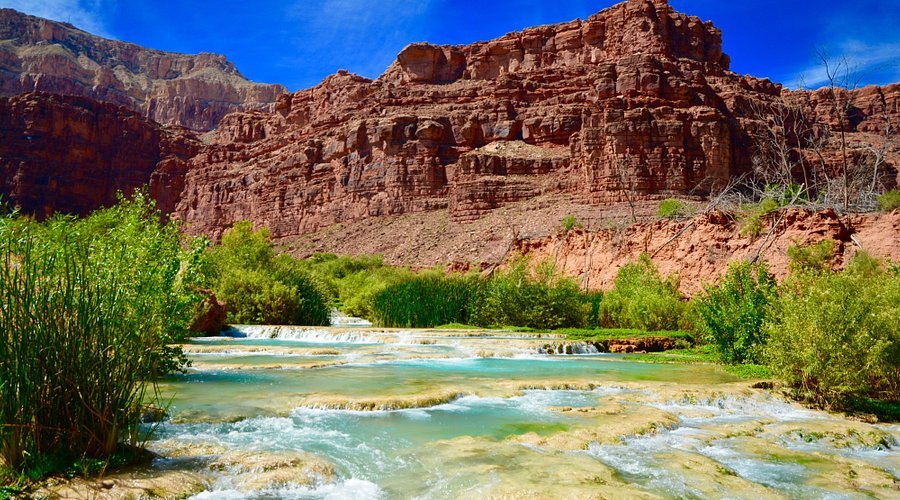
Located in northwest Arizona, on the Havasupai Indian Reservation, is this magnificent river. After winding its way through a secluded Grand Canyon tributary, it joins the Colorado River. There are strict regulations and limited access because the Havasupai Tribe is solely responsible for managing the area.
It requires some planning to get there, but the reward is a stunning view of the Southwest.
Why the Water Is So Blue
One of the most common questions travelers ask is why the water looks so vividly blue. The color comes from high levels of calcium carbonate and mineral content flowing from underground springs. It is the mineral-rich streambed that gives the water its distinctive turquoise hue when sunlight reflects off of it.
This water does not dry up during the dry months like many desert streams; it flows continuously, allowing the pools and waterfalls to be active all year.
How to Get There
Starting Point
The official trailhead, Hualapai Hilltop, is where the majority of people start their adventure. A lengthy climb or pack mule ride is necessary to reach the campground from there.
Hiking Distance
The hike to the main campground is about 10 miles one way. The trail descends steep switchbacks before leveling out through sandy canyon terrain.
Transportation Options
- Hiking on foot
- Pack mule service offered by the tribe
- Helicopter flights on select days, weather permitting
Planning is essential due to limited access and high demand.
Permits and Reservation Rules
Permits can only be acquired through the official Havasupai reservation system in order to access the region. No one is permitted to go on day outings anymore; everyone must spend the night at the lodge or campground.
Reservations typically fill up quickly—within a few hours of being available. It is recommended that travellers set aside several months and pay close attention to all official information.
Best Time to Visit
Spring
Mild temperatures and flowing waterfalls make spring one of the most popular seasons. Water levels are usually ideal for swimming and photography.
Summer
In addition to hotter weather, summer also brings warmer water. Flash flooding is a real possibility, and thunderstorms in the afternoon are also a possibility, so be careful.
Fall
Fall offers cooler weather and fewer crowds. Many consider this the best balance between comfort and scenery.
Winter
Visits in the winter are rare and infrequent. No changes to the water’s colour; nonetheless, cold weather is possible, and certain services may be down.
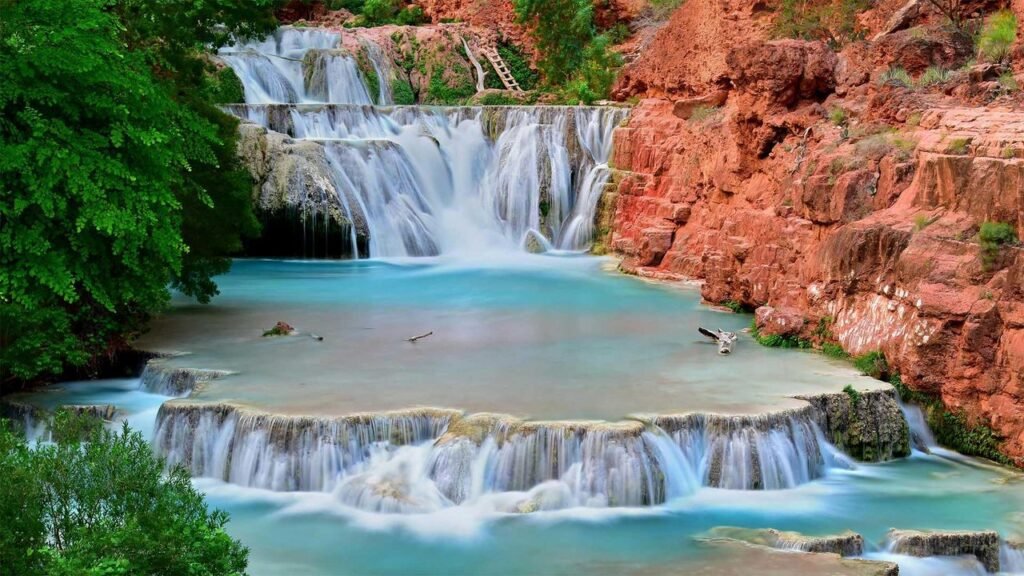
Famous Waterfalls You’ll See
Havasu Falls
This is the most photographed waterfall in the region. Its powerful flow and vibrant pools make it a must-see highlight.
Mooney Falls
Taller and more dramatic, this waterfall requires a steep descent involving chains and ladders. The view from below is unforgettable.
Beaver Falls
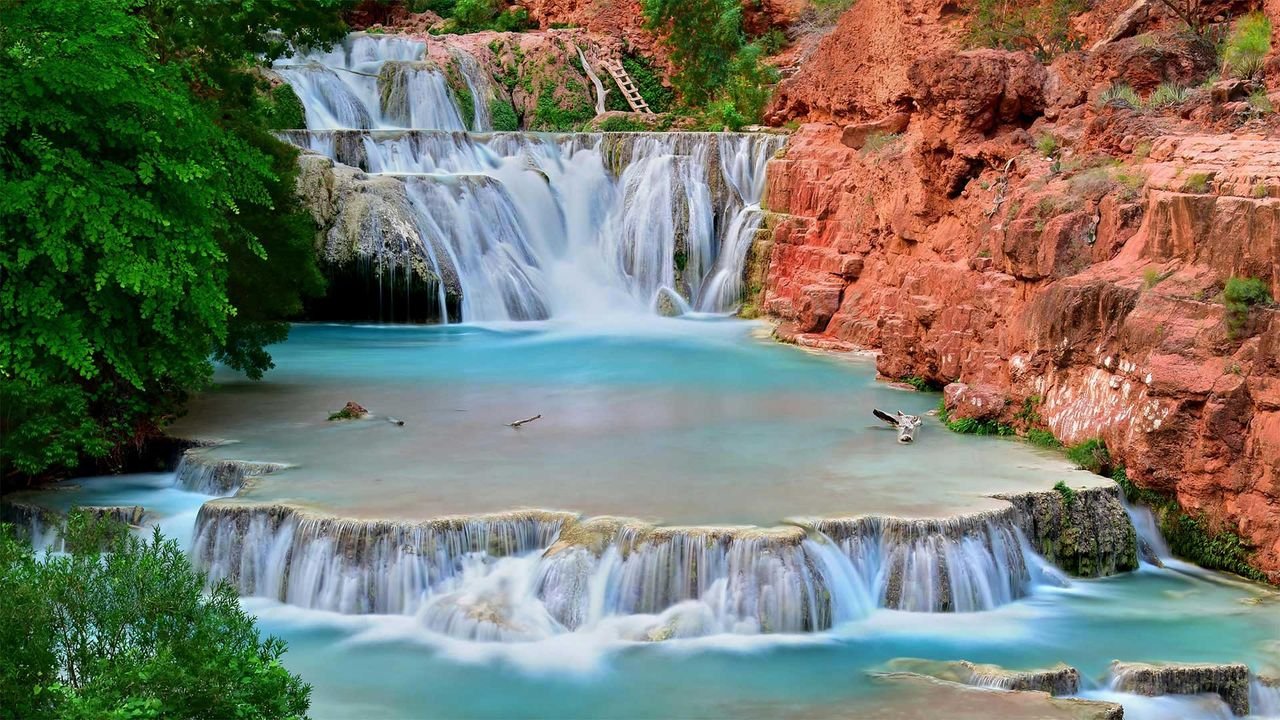
There are more peaceful places to swim at these tiered cascades, which are farther downstream and surrounded by green vegetation.
Swimming and Photography Tips
The water is consistently cool, and swimming is permitted in approved spots. Water shoes are a superior way to navigate on slick limestone terrain.
For photography:
- Early morning offers soft light and fewer people
- Overcast days enhance water color
- A polarizing filter helps reduce glare
Drones are strictly prohibited within the reservation.
Camping and Lodging Options
Campground
Along its one mile of waterfront, the main campground has picnic areas, flush toilets, and potable water. Priority will be given to those who arrive in the specified zone with their camping gear.
Lodge
For those who prefer indoor lodging, a small lodge is located in Supai Village. It offers basic amenities and is closer to the waterfalls.
Safety and Environmental Responsibility
This remote canyon environment demands respect and preparation.
Key safety tips:
- Carry enough water and electrolytes
- Avoid hiking during peak heat
- Watch weather forecasts for flash floods
- Pack out all trash
Protecting the fragile ecosystem ensures future generations can enjoy this place.
Nearby Attractions Worth Exploring
Supai Village
A small community where visitors can learn about Havasupai culture and traditions.
Grand Canyon Side Trails
Several lesser-known side trails offer dramatic canyon views with far fewer crowds than the main rim.
Colorado River Confluence
Experienced hikers can continue toward the point where the turquoise water meets the Colorado River.
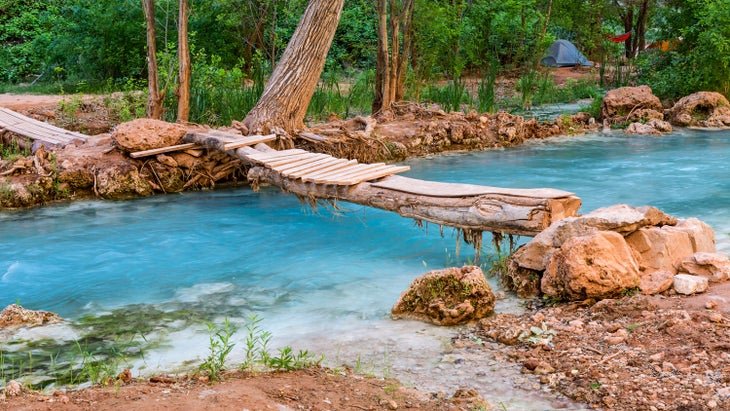
Why Havasu Creek Is Worth the Effort
There aren’t many locations in the US that combine cultural value, vibrant water colour, and arid geology. The reward is nearly unearthly, but the trip is difficult. This site, which has towering waterfalls and peaceful ponds nestled among the canyon walls, leaves a lasting effect on every visitor.
Frequently Asked Questions
Is Havasu Creek safe to swim in?
Yes, swimming is generally safe in designated areas. The water is calm and clear, but slippery rocks require caution.
How challenging is the hike?
The long walk can be taxing, particularly during warmer weather. Being somewhat fit and preparing are recommended.
Can children visit this location?
Children can visit, but parents should carefully consider hiking distance, heat, and terrain.
Are pets allowed?
Pets are not permitted within the reservation.
How many days should I plan?
Most visitors stay two to three nights to explore the waterfalls and surrounding trails fully.
Visit Thecavee.com for more information about rivers.