Kayaking & Canoeing: Differences, Tips, and Local Hotspots
Introduction
Paddling through the water offers a unique perspective on the natural world that few other activities can match. Whether you are gliding across a glassy lake at sunrise or navigating the churning white water of a mountain stream, the connection between the paddler and the environment is profound. This article explores the rich world of kayaking & canoeing, covering everything from the competitive aspects to the best ways to get started in your own neighborhood.
The Essence of Paddle Sports
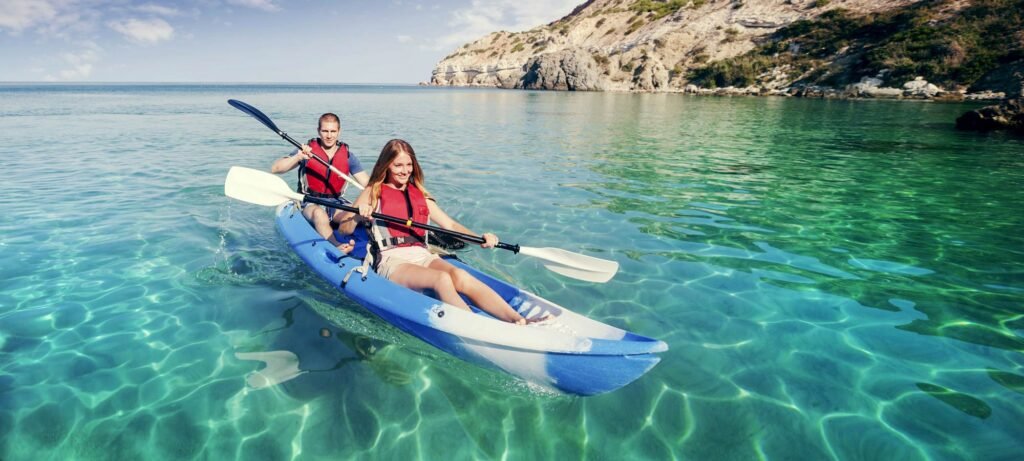
The history of these watercraft stretches back thousands of years. Early societies made boats for transportation, hunting, and fishing by hollowing out logs and stretching animal pelts over wooden frames. These antiquated ideas have since developed into high-performance machinery composed of Kevlar, polyethylene, and carbon fiber. The ability to go through the water silently with only human force is still the main draw.
These exercises give your entire body a workout. A correct stroke uses the back, legs, and core, even though it may appear like just the arms are working. In addition to the physical advantages, many devotees report that being on the water helps them think more clearly. It is difficult to find a peaceful experience in our hectic, modern lives, but the rhythmic action of the blade entering the water and the soft sound of the wake striking the hull provide it.
Kayaking & Canoeing Rafting
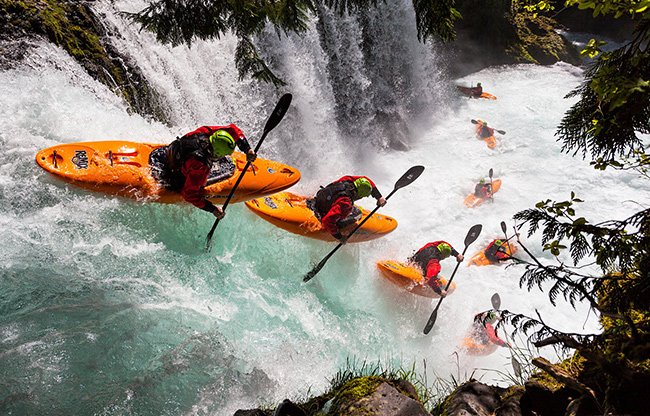
People frequently combine several paddling techniques when they think of river experiences. Nonetheless, a variety of river experiences are produced when traditional paddling and rafting are combined. A large, inflatable boat with multiple passengers using single-blade paddles is guided by a guide during rafting, which is typically a social activity. Stability and high-volume rapids are its intended uses.
Smaller personal watercraft, on the other hand, provide greater maneuverability and a closer relationship to the river’s surface. “Duckies,” which are inflatable kayaks, are widespread among explorers. With the autonomy of a smaller boat, these offer the stability of a raft. Whether it’s a tricky drop through a canyon or a family-friendly float, knowing the relationships between these various crafts enables adventurers to select the appropriate equipment for the particular kind of water they intend to face.
Kayaking & Canoeing and Rowing
It is a common mistake for newcomers to confuse paddling with rowing. The processes are entirely different, even though both entail using a wooden or plastic tool to move a boat across water. Oarlocks, which serve as a fulcrum, are used to secure the oars to the boat when rowing. The rower pulls the oars with all of their body weight while sitting with their back to the direction of travel.
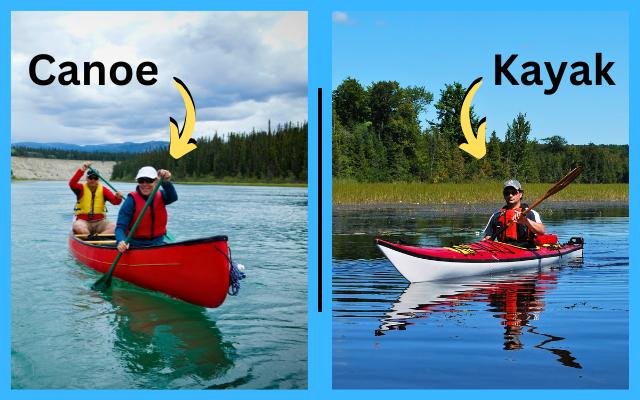
In contrast, paddling uses blades that are not fixed to the boat. Because they are facing forward, they have a far greater perspective of the landscape or impending obstacles. A canoe uses a single-bladed paddle, whereas a kayak uses a double-bladed paddle. A wider variety of technical movements, like pulls, pries, and braces, which are crucial for negotiating confined spaces or remaining upright in moving water, are made possible by the paddle’s freedom of movement.
Kayaking & Canoeing Difference
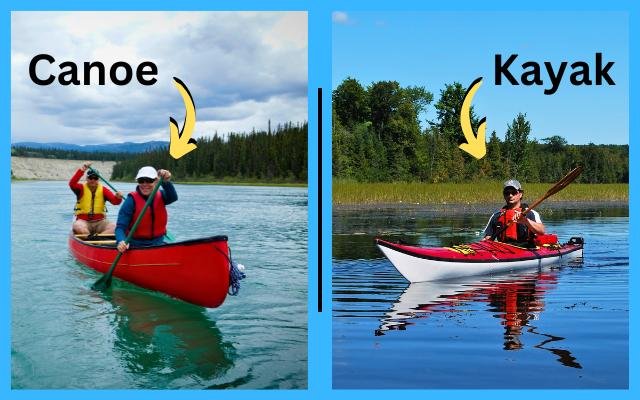
Understanding the distinction between these two primary forms of paddling is essential for any beginner. The most obvious difference is the seating position. In one, the participant usually sits with their legs out in front of them, low in the cockpit. In the other, the paddler kneels on the boat’s floor or sits on an elevated bench. The center of gravity and the boat’s reaction to variations in weight are altered by this posture variance.
The hull’s design differs as well. Typically, an open-top boat with high sides, a canoe, is perfect for transporting camping gear, equipment, or even a pet. It’s the water’s “pickup truck”… In order to shed water and glide swiftly over waves, a kayak is frequently enclosed with a deck. Both may be utilized on calm or choppy water, but their unique designs prioritize various things, such as storage capacity vs speed and agility.
Kayaking & Canoeing Game
The world of water sports provides a range of set tournaments and games for individuals who have a strong desire for competitiveness. The most popular is sprint racing, which consists of incredibly narrow, unstable boats racing at fast speeds across flat water. These athletes, who compete in distances ranging from 200 meters to many kilometers, have excellent balance and mighty power.
Canoe polo is another thrilling sport. Played on a field in open water or a swimming pool, this is a contact sport. Similar to water polo, two teams of five players each try to score goals with a ball while maneuvering their boats. It calls for cooperation and extraordinary boat handling abilities. Furthermore, slalom racing requires competitors to maneuver through a sequence of gates suspended over swift white water, where time and accuracy are more crucial than raw speed.
Kayaking & Canoeing Academy
Registration in a specialist academy is the ideal course of action if you are serious about developing your abilities. These places of learning offer organized classrooms supervised by qualified teachers. The fundamentals of water safety, how to get in and out of a boat without tipping, and the basic strokes required to turn or travel straight may all be taught to beginners.
More technical skills, like the “Eskimo roll,” which enables a paddler to straighten themself after capizing without abandoning the boat, may be the emphasis of advanced students in a professional school. Others might learn how to spot eddies, holes, and tongues in white water by studying river reading. Many academies also offer instructor certification programs for those who wish to turn their passion for the water into a career, ensuring that the next generation of paddlers is taught safely and effectively.
Kayaking & Canoeing Near Me
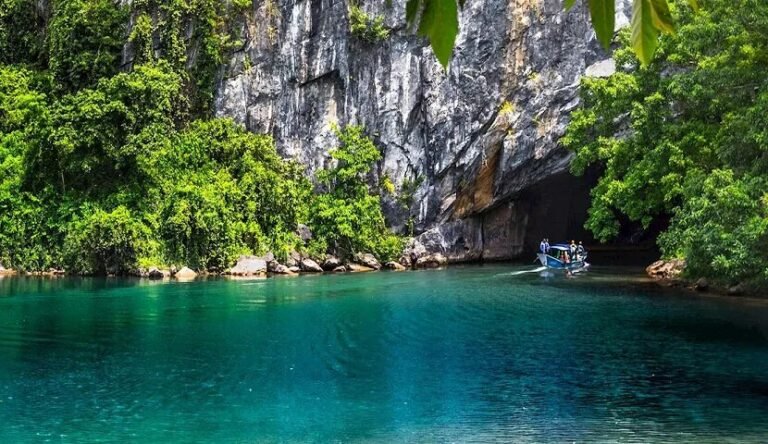
Finding a place to get on the water is easier than most people realize. Local launch sites and rental liveries are available in the majority of large cities that are close to rivers, lakes, or coastal regions. Hidden treasures, such as peaceful lagoons or protected estuaries ideal for a weekend getaway, can frequently be found by conducting a fast search for the parks and recreation departments i the area.
Essential Gear for the Water
Beyond the boat and the paddle, certain pieces of equipment are non-negotiable for safety and comfort. A high-quality personal flotation device (PFD) is the most essential item. Modern life jackets are designed specifically for paddlers, with large armholes that allow for a full range of motion. Even the most experienced swimmers should wear a PFD, as unexpected cold water or hidden underwater obstacles can quickly lead to dangerous situations.
Comfort on the water also depends on proper clothing. Synthetic fabrics that dry quickly are much better than cotton, which becomes heavy and cold when wet. In cooler temperatures, a wetsuit or drysuit might be necessary to protect against hypothermia. Other helpful accessories include a dry bag to keep your phone and snacks safe, a whistle for signaling, and a bilge pump or sponge to remove any water that splashes into the boat.
Environmental Stewardship
The health of our rivers is directly visible to paddlers. Because these boats make it possible to reach far-off places, devotees frequently have a strong sense of duty to protect the environment. In order to preserve the shoreline’s natural beauty for future generations to enjoy, many groups promote the “Leave No Trace” principle.
The longevity of the sport depends on the condition of the waterways. Problems, including chemical runoff, invasive species, and plastic pollution, impact the fauna that lives in the water. The paddling community contributes significantly to the preservation of the natural resources that enable their pastime by taking part in river cleanups and endorsing environmental laws.
Conclusion
The world of kayak ng & canoeing is vast and inclusive. From the nature lover wanting a peaceful morning of birdwatching to the thrill-seeker searching for the next big rapid, it has plenty to offer everyone. You may open a lifetime of adventure on the water by being aware of the equipment, being safe, nd being mindful of the environment. There is always something new to learn and a new world to discover, which is the finest thing about these hobbies.
Frequently Asked Questions
What is the best way for a total beginner to start?
Renting equipment at a quiet, nearby lake or slow-moving river is th safest and most fun way to get started. A quick 15-minute orientation is provided by many rental stores to show you the fundamentals. It is also strongly advised to enroll in a one-day introduction course taught by a local instructor or club.
Do I need to be a strong swimmer?
You should be able to tread water and feel at ease in the water, but you don’t have to be an Olympic swimmer. Above all, you should always wear a life jacket that fits properly since it will keep you floating if you fall in.
Can I go paddling alone?
Going with at least one other person is always safer, especially when you are first starting. If you decide to travel alone, always keep to familiar, low-risk waterways and let someone know your “float plan”—where you’re going and when you intend to return.
Is it an expensive hobby to get into?
It can be as cheap or expensive as you want. Renting is very affordable for occasional outings. If you decide o buy, used equipment is often available at a fraction of the cost of new gear. A basic setup, including a boat, paddle, and safety gear, can last for decades if properly mainta ned.
What is the age limit for these activities?
There is no strict age limit. Children as young as five or six can enjoy sitting in the middle of a stable boat, and many people continue paddling well into their eighties. It is a low-impact activity that can be adapted to almost any fitness level.
Visit thecavee.com for more fun.