Lava Beds National Monument: Hidden Wonders in California
Introduction:
Lava Beds National Monument, located in northern California, is one of the most fascinating places in the United States for nature lovers, adventure seekers, and history enthusiasts. Known for its impressive lava tube caves, rugged volcanic landscape, and deep cultural history, this monument offers an experience like no other. Whether you are hiking above the ground or crawling through ancient lava tubes below, Lava Beds Monument promises a unique glimpse into nature’s creative power.
The History of Lava Beds National Monument
The story of Lava Beds Monument begins more than half a million years ago when volcanic eruptions from the Medicine Lake Volcano shaped the area’s landscape. Over time, lava flows cooled and hardened, leaving behind hundreds of caves and tunnels. These natural formations became the foundation of what we now call Lava Beds Monument.
However, the site’s history extends beyond geology. This area was also home to the Modoc people for thousands of years. It became a key site during the Modoc War in the 1870s, a conflict between the Modoc tribe and the U.S. Army. Visitors can still see battlefields, fortifications, and historical markers that tell the story of this important part of Native American history.
Exploring Lava Beds National Monument Caves
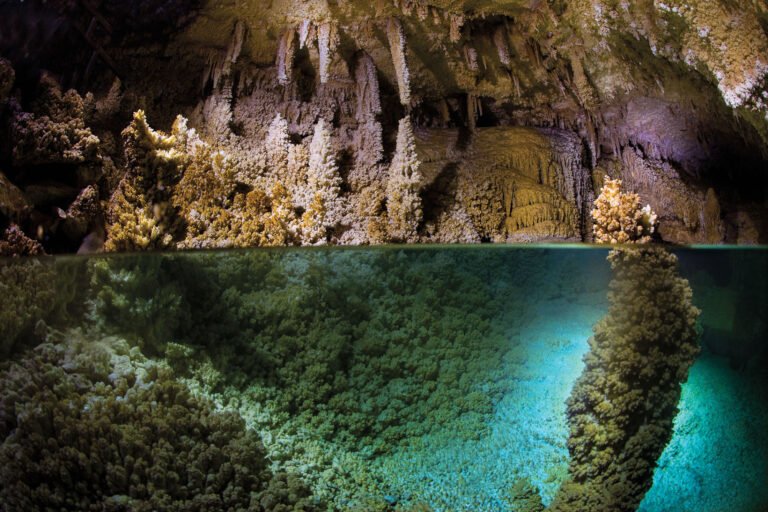
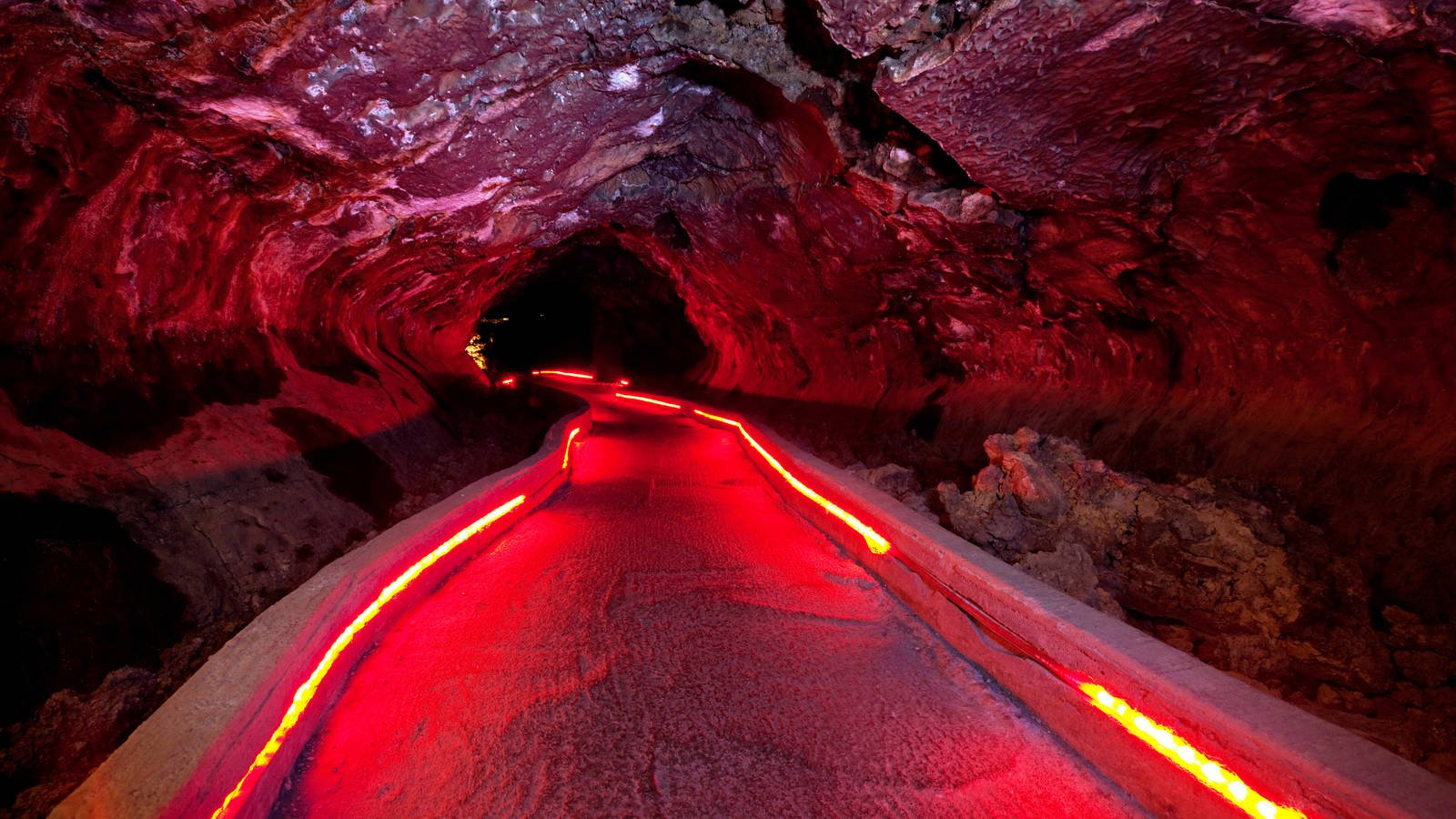
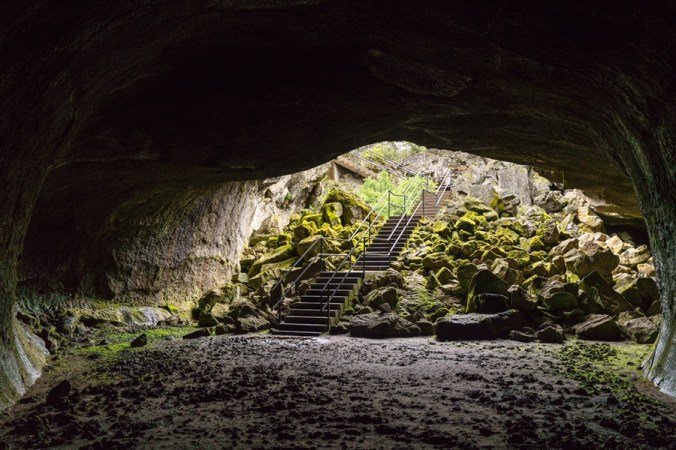
One of the main attractions of Lava Beds Monument is its extensive system of lava tube caves. The park features over 800 caves, each with unique shapes, sizes, and levels of difficulty. Some caves are easy to walk through, while others require helmets, flashlights, and crawling on hands and knees.
Among the most popular caves are:
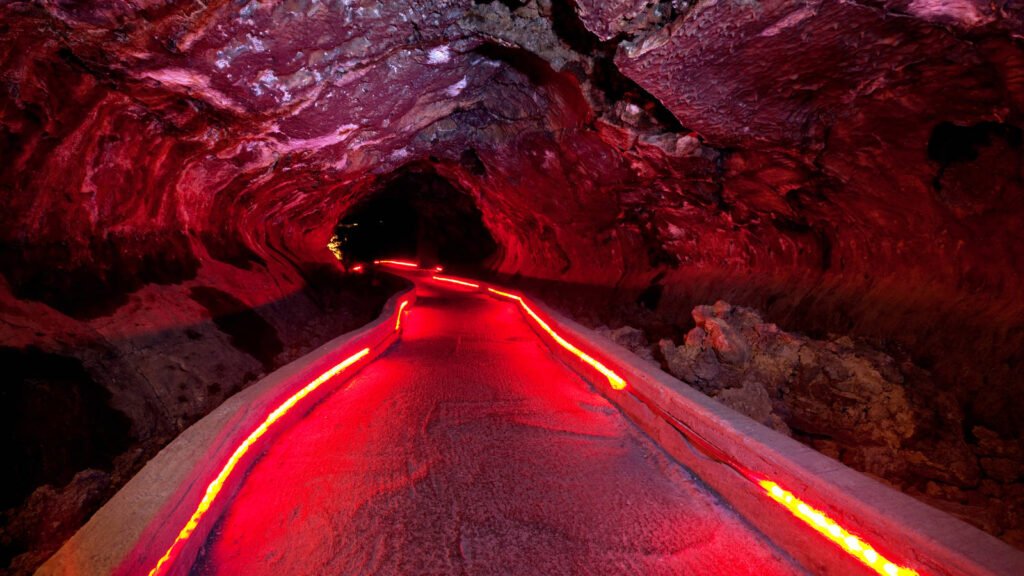
- Mushpot Cave: The only cave with lighting and interpretive displays, making it perfect for beginners and families.
- Skylight Cave: Known for the sunlight that beams through its ceiling openings, creating a magical glow.
- Catacombs Cave: A long and complex cave that challenges even the most experienced explorers.
- Golden Dome Cave: Famous for its shiny yellow bacterial coating that glimmers under light.
Visitors are advised to bring proper gear, such as helmets, gloves, and at least two reliable light sources. The National Park Service also encourages visitors to clean their gear before and after entering caves to prevent the spread of White-nose Syndrome, a fungal disease that affects bats.
Lava Beds Monument Geology
The geology of Lava Beds Monument is what makes it truly special. The park lies on the north flank of the massive Medicine Lake Volcano, one of the largest shield volcanoes in the Cascade Range. Lava flows from this volcano created the stunning formations we see today—long tubes, jagged rocks, and unique textures of basalt.
As the lava cooled, it formed different types of caves depending on the flow’s speed and direction. Some caves have smooth floors and ceilings, while others are rough and uneven. These formations give scientists valuable insight into volcanic activity and provide a rare opportunity for visitors to experience volcanic terrain up close.
Wildlife and Nature at Lava Beds Monument
While the underground world is what draws many visitors, the surface of Lava Beds Monument is equally impressive. The monument’s high desert environment supports a surprising variety of plants and animals. Sagebrush, juniper trees, and wildflowers add color to the landscape during spring and summer.
Wildlife includes mule deer, coyotes, badgers, and many bird species. Bats are particularly important here, as the caves serve as roosting and hibernation sites for several species. Observing these creatures adds another layer of wonder to your visit.
Modoc War Sites and Cultural Heritage
Lava Beds Monument is not just about nature—it is also a place of deep cultural and historical significance. The Modoc War (1872–1873) took place here, making it one of the most dramatic episodes in Native American history. The rugged terrain provided natural fortifications for the Modoc tribe, who defended their homeland against U.S. troops.
Visitors can walk through the Captain Jack’s Stronghold, the main Modoc defensive site. This area still feels powerful and emotional, serving as a reminder of courage and resilience. Interpretive signs help tell the story, and ranger-led tours offer deeper insights into the history and legacy of the Modoc people.
Lava Beds National Monument Hiking Trails
Above the caves, Lava Beds Monument offers miles of scenic hiking trails. Trails range from short, easy walks to longer, more challenging routes that pass through lava fields and offer stunning views of the surrounding mountains.
Popular trails include:
- Schonchin Butte Trail: A moderate hike leading to a fire lookout tower with panoramic views of the monument and Mount Shasta.
- Fleener Chimneys Trail: A short walk to ancient volcanic vents where lava once burst from the Earth.
- Captain Jack’s Stronghold Trail: A historical route through the Modoc War battlefield area.
Each trail offers a unique perspective on the monument’s volcanic features and its cultural landscape.
Visitor Center and Facilities
The Lava Bed National Monument Visitor Center, located near the southern entrance, is the perfect starting point for your adventure. Here, you can learn about the park’s history, geology, and wildlife through interactive exhibits. Rangers are available to provide cave maps, safety tips, and guidance on which caves are best suited for your experience level.
The visitor center also includes a bookstore, restrooms, and picnic areas. It’s recommended to check in here before exploring, as rangers can update you on cave closures, weather conditions, and safety advisories.
Lava Beds National Monument Camping
For those looking to extend their stay, the monument offers Indian Well Campground, located near the visitor center. This campground has about 40 sites suitable for tents and small RVs. The area is quiet, scenic, and ideal for stargazing thanks to the monument’s remote location and clear skies.
Camping in Lava Beds Monument allows you to experience the area’s solitude and beauty at night. With minimal light pollution, it’s one of the best places in California to view the Milky Way.
Lava Beds National Monument Weather
The weather at Lava Beds Monument can vary widely depending on the season. Summers are generally warm and dry, with daytime temperatures reaching into the 80s°F (27°C), while nights can be cool. Winters are cold, sometimes dropping below freezing, and occasional snow adds a peaceful beauty to the landscape.
Spring and fall are ideal times to visit, with comfortable temperatures and fewer crowds. However, since the park sits at a high elevation (around 4,000–5,000 feet), visitors should always come prepared for sudden weather changes.
And Massanutten, VA is also a beautiful mountain getaway in Virginia’s Shenandoah Valley, known for its year-round adventure, scenic beauty, and family-friendly attractions. From hiking and skiing to relaxing spas and local dining, Massanutten offers something for everyone.
Things to Know Before Visiting
Before planning your trip to Lava Bed National Monument, keep these tips in mind:
- Bring multiple flashlights and extra batteries for cave exploration.
- Wear sturdy shoes and long pants to protect against sharp rocks.
- Check for cave closures due to bat protection efforts.
- Bring plenty of water, as there are no restaurants or stores inside the monument.
- Stop at the visitor center for maps and the latest safety information.
Nearby Attractions
If you’re exploring northern California or southern Oregon, there are several attractions near Lava Bed Monument worth visiting. One highlight is Crater Lake National Park, about two hours north, known for its deep blue lake formed in a volcanic caldera. The nearby Tule Lake National Wildlife Refuge is also great for birdwatching and photography.
Preserving Lava Bed National Monument
Lava Bed Monument is a protected area managed by the National Park Service to preserve its geological, biological, and cultural features. Visitors are encouraged to explore responsibly by not touching cave formations, staying on trails, and following Leave No Trace principles. Every action helps protect this fragile environment for future generations.
Frequently Asked Questions (FAQ)
1. Where is Lava Beds Monument located?
Lava Beds Monument is in northeastern California, near the town of Tulelake and close to the Oregon border.
2. How many caves are in Lava Beds Monument?
There are more than 800 caves within the monument, making it one of the largest concentrations of lava tube caves in North America.
3. Do I need a permit to explore the caves?
No special permit is required for most caves, but you should check in at the visitor center for a free caving pass and current information on open caves.
4. Is camping allowed in Lava Beds?
Yes, Indian Well Campground offers campsites on a first-come, first-served basis near the visitor center.
5. What is the best time to visit Lava Beds National?
Spring and fall are the best times to visit due to mild temperatures and fewer visitors.
Final Thoughts
Lava Beds Monument is a hidden gem that showcases the incredible power of nature and the resilience of human history. With its lava tube caves, hiking trails, and cultural heritage, it’s a destination that appeals to adventurers, geologists, and history lovers alike. Visiting this monument is more than just a trip—it’s a journey through time, geology, and the depths of the Earth itself.
Want more information about caves? Visit Thecavee.com.