
McKenzie River Guide: Trail, Oregon, History & Scenic Wonders
Introduction:
Flowing through lush forests, volcanic landscapes, and vibrant communities, the McKenzie River is one of the most scenic waterways in the Pacific Northwest. Known for its crystal-clear water, outdoor recreation, and cultural influence, this river offers far more than just stunning views. From hiking trails and fishing spots to music, history, and cross-border connections, the region surrounding this river is rich in both nature and story.
This guide explores everything you need to know, from geography and recreation to culture and frequently asked questions, making it a complete resource for travelers and nature lovers.
McKenzie River Oregon
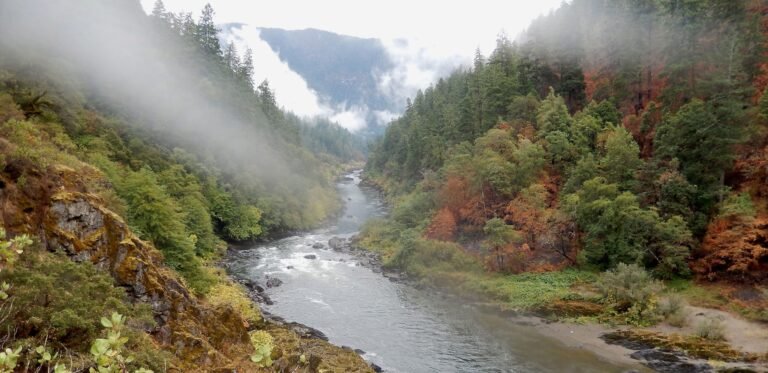
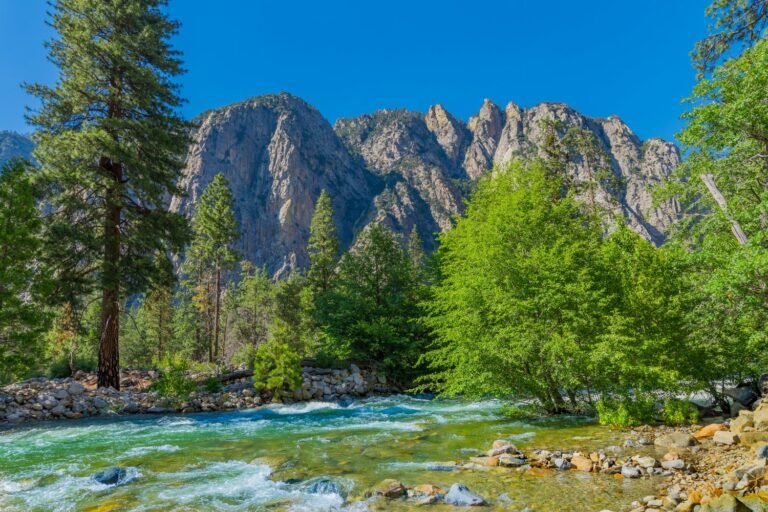
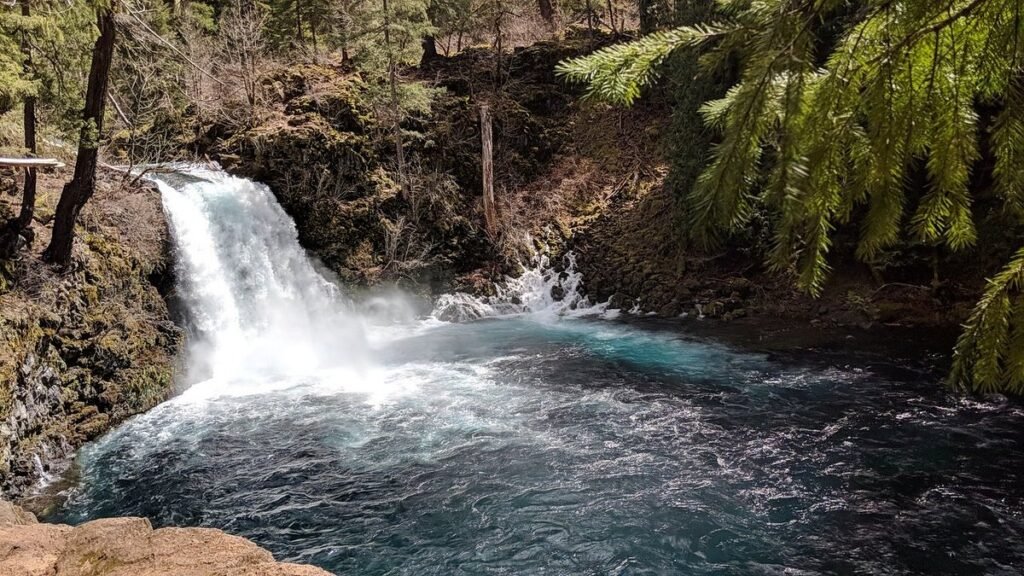
Located in western Oregon, the McKenzie River begins high in the Cascade Range and flows westward to join the Willamette River. This section of the waterway is especially famous for its turquoise color, which comes from underground springs and volcanic filtration.
The Oregon stretch is a favorite destination for fly fishing, kayaking, rafting, and wildlife viewing. Anglers travel from across the country to fish for rainbow trout, while photographers are drawn to the river’s striking clarity and forested banks.
Several small communities along the route rely on the river for tourism and recreation. Campgrounds, lodges, and scenic pullouts make it easy to enjoy the landscape without disturbing its natural balance.
McKenzie River Trail
One of Oregon’s most famous hiking and bike trails is the McKenzie River Trail. The trail goes through old-growth forests, lava fields, waterfalls, and deep green pools along the river for about 26 miles.
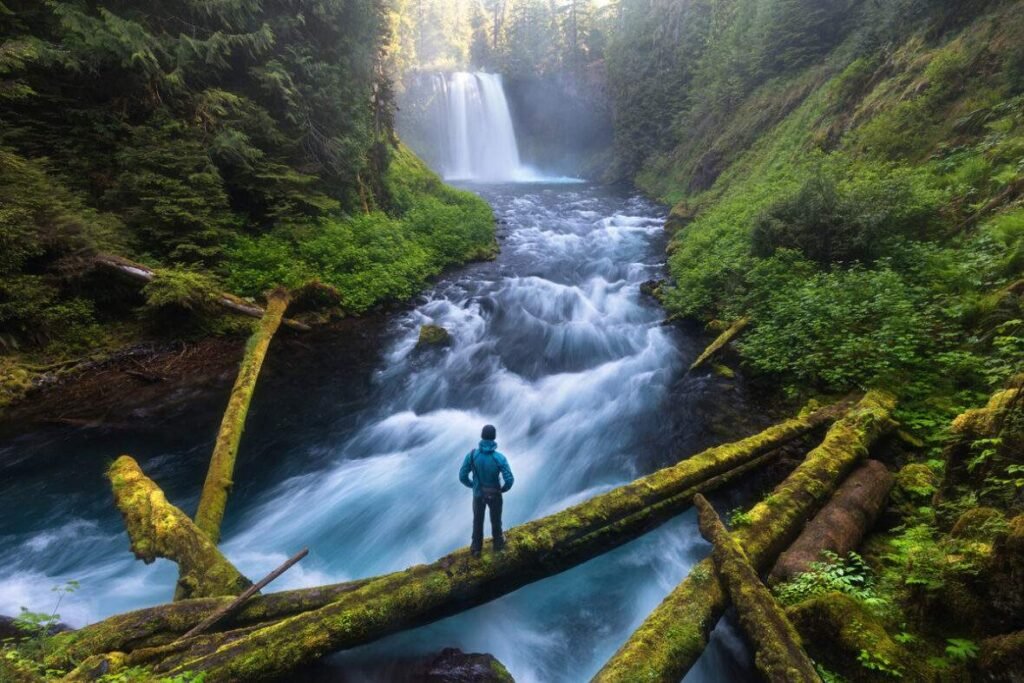
Hikers, trail runners, and mountain bikers all like this path since it has smooth ground and varying scenery. Highlights include Sahalie Falls, Koosah Falls, and Clear Lake, where the river originates from cold spring water beneath ancient lava.
The trail is well-maintained and accessible for most skill levels. Spring and early summer are wonderful, with wildflowers in bloom and waterfalls at full strength.
McKenzie River Canada
Most people know the McKenzie River from Oregon, but the name also comes up in Canada when talking about old exploration routes and naming practices in the area. In northern Canada, McKenzie is strongly linked to the Mackenzie River basin, which is one of North America’s biggest river systems.
The shared names come from early explorers and fur traders who had an impact on naming places across boundaries. Even if the Canadian connection isn’t direct, it shows how waterways changed trade, settlement, and cultural interchange over large areas.
This connection adds historical depth and highlights how river systems can be connected via human history and exploration, even if they are in different places.
Wildlife and Natural Environment
The river corridor supports a wide variety of wildlife, including bald eagles, osprey, river otters, deer, and black bears. The surrounding forests are dominated by Douglas fir, western red cedar, and bigleaf maple.
Because the water remains cold and clean year-round, it provides ideal conditions for aquatic life. Conservation efforts have played a significant role in preserving water quality, making this area a model for sustainable river management.
Visitors are encouraged to follow Leave No Trace principles to help protect the ecosystem for future generations.
McKenzie River Music and Cultural Influence
The McKenzie River has influenced artists, singers, and writers in addition to nature. Folk songs, local music festivals, and stories from the area typically use the river as a symbol of calm, movement, and connection.
There are monthly and community events in adjacent towns where music reflects the area. Acoustic folk, bluegrass, and Americana styles are popular. They sound like the rhythm of a river flowing, and life in the river’s effect on creativity illustrates that natural settings have just as much of an effect on culture as geography does.
Recreation and Outdoor Activities
Outdoor recreation is a significant draw in the region. Popular activities include:
- Fly fishing in clear spring-fed waters
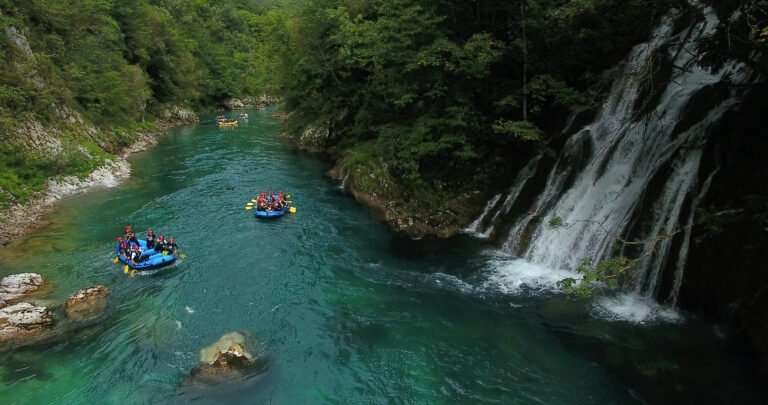
- Whitewater rafting on select stretches
- Kayaking and paddleboarding
- Camping along forested riverbanks
- Scenic driving along Highway 126
Each season offers a different experience. Summer is ideal for water activities, while fall brings colorful foliage and fewer crowds.
Why the River Matters
The McKenzie River plays a critical role in supplying drinking water to nearby communities, including Eugene. Its purity makes it one of the cleanest water sources in the region.
Balancing recreation, conservation, and resource management has been key to maintaining its health. Ongoing protection efforts ensure that the river remains both a natural treasure and a vital resource.
Travel Tips for Visitors
- Visit early in the morning to avoid crowds
- Stay on marked trails to protect vegetation
- Check weather conditions before hiking
- Respect fishing regulations
- Support local businesses and guides
These simple steps help preserve the area while enhancing your experience.
Frequently Asked Questions
Where does the McKenzie River start?
It begins at Clear Lake in the Cascade Mountains, fed by underground springs filtered through volcanic rock.
Is the McKenzie River safe for swimming?
Some areas are suitable in summer, but the water remains cold year-round, so caution is advised.
What is the best time to visit?
Late spring through early fall offers the best weather and trail access.
Is the McKenzie River Trail suitable for beginners?
Yes, many sections are suitable for beginners, though some parts are better for intermediate hikers and bikers.
Can you camp near the river?
Yes, there are several campgrounds and dispersed camping areas along the route.
Conclusion
The McKenzie River’s unmatched clarity, diverse range of recreational activities, and cultural influence make it one of the most breathtaking natural sites in the Pacific Northwest. This river offers an experience that will last long after you depart, whether you’re wandering by running water, enjoying the tranquil surroundings, or listening to regional music.
For more information about nature, caves, and rivers, visit thecavee.com.