Mount Charleston Nevada: A Complete Travel & Adventure Guide
Introduction:
Mount Charleston Nevada is one of the most fascinating and beautiful mountain destinations in the American Southwest. Rising above the desert heat of Las Vegas, this mountain oasis offers dramatic elevation changes, cool forests, scenic trails, snow-covered winters, and an unforgettable escape from city life. This location provides something for everyone, whether you want to hike, have a picnic, stay in a local lodge, or enjoy the fresh air and beautiful vistas.
This complete guide will tell you about the mountain’s weather, the best routes, places to stay (such as hotels and lodges), outdoor activities (like hiking and picnicking), and give you helpful travel advice to help you plan the perfect trip. By the time you finish reading, you’ll have a complete understanding of what makes this peak such a beloved destination.
Where Is Mount Charleston, Nevada?
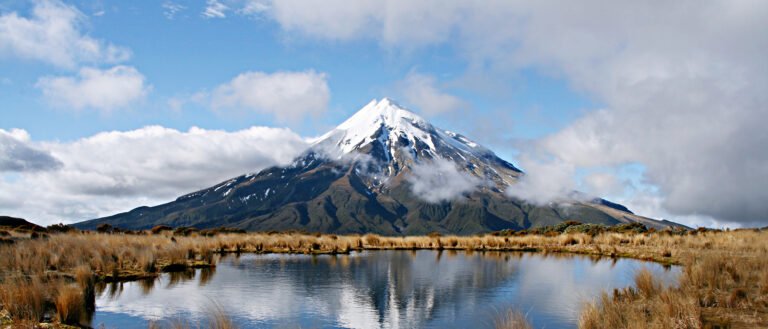
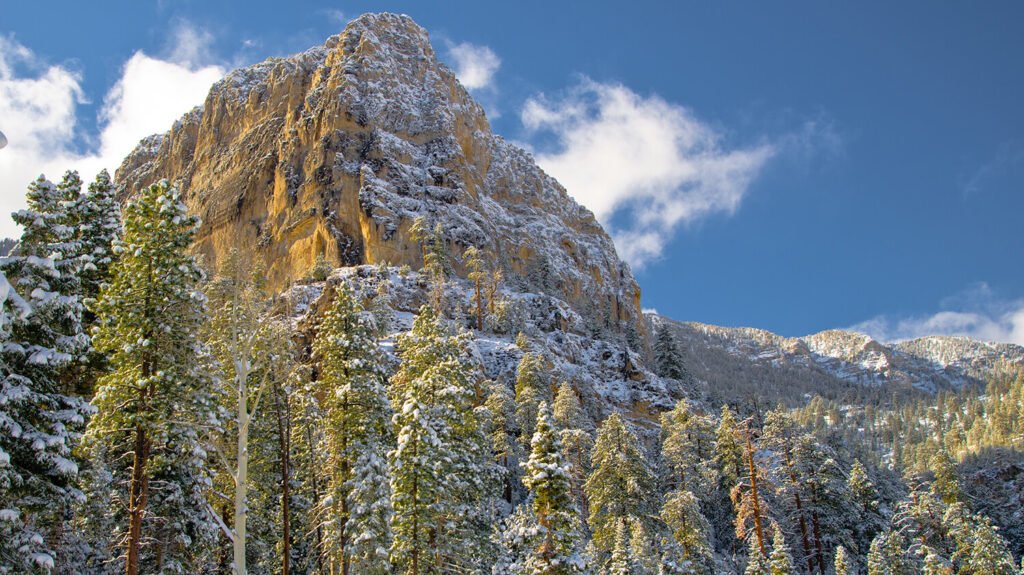
Located in the Spring Mountains National Recreation Area, this scenic peak tower sits northwest of Las Vegas, Nevada. It is part of a stunning alpine landscape that contrasts sharply with the Mojave Desert below. The drive from Las Vegas is relatively short — typically about one hour — making it a popular day trip and weekend getaway for residents and visitors alike.
Also known as the Charleston Peak area, it’s high elevation brings cool temperatures, pine forests, and occasional snow, even when the surrounding valley bakes in triple-digit heat. The region’s elevation gain is dramatic, climbing from less than 3,000 feet to more than 11,000 feet at the summit.
Weather at Mount Charleston, Nevada
One of the most remarkable things about this mountain is its weather. Because of the high elevation and proximity to desert terrain, conditions can change quickly and dramatically.
Summer Weather
In summer, temperatures on the valley floor can soar above 100 degrees. The alpine highlands are usually 30 to 40 degrees cooler than the plains. This difference in temperature draws in hikers, families, and picnickers who want to get away from the heat. During the day, temperatures in the upper elevations are usually lovely, ranging from 60 to 75 degrees. At night, it gets cooler.
Winter Weather
Winter transforms the region entirely. Snow accumulates at higher elevations, making this area a hotspot for snow enthusiasts from late fall through early spring. When it snows a lot, roads may close for a short time, so you need to plan if you want to o in the winter. Avalanche warnings can happen on high slopes, and storms that come early in the season can catch new tourists off guard. For travelers interested in iconic peaks and historic mountain railways, Mount Washington New Hampshire offers an unforgettable experience year-round.
Spring & Fall Weather
Mild temperatures and temperate weather in the spring and fall provide for some of the ideal times to explore the outdoors. In the spring, wildflowers bloom, and in the fall, the air is crisp, and the peaks are covered with early snow. Trail conditions change with the seasons, so hikers should check the weather before they go.
Mount Charleston, Nevada Trails: Hiking & Outdoor Routes
There are a lot of different types of trails around this mountain, from easy nature hikes to challenging climbs to the top. Each path has its own beautiful views, from shady woodlands and trickling waterfalls to wide-open views from high above the desert plain.
Cathedral Rock Trail
This is one of the shorter hikes in the area, but the views are still worth it. The trail goes through rocky ground and open forest. It’s an excellent way for new hikers to get started. Expect modest gradients and a few beautiful views.
Mary Jane Falls
This trail is popular for families and outdoor enthusiasts seeking dramatic payoff. The path goes up a steep but beautiful hill to a seasonal waterfall that flows over granite and limestone. The most significant time to view water flow is usually early spring, but it could be colder then.
South Loop Trail
This trail is more challenging and attracts experienced hikers. It gains elevation quickly and provides expansive views of both the alpine forest and the distant desert. Layers and hiking poles are recommended due to sudden wind changes and rocky sections.
Charleston Peak via South Loop
Charleston Peak is the highest point in the Spring Mountains and one of the most popular walks to the top. This challenging hike needs planning, lots of water, and an understanding of how altitude affects people. Experienced hikers generally start their hikes early in the morning so they can see the sunrise and escape thunderstorms in the afternoon.
Mount Charleston, Nevada Hotel Options
While many visitors stay in Las Vegas and take day trips, the area around the mountain also offers comfortable places to sleep and rest. Mountain lodging provides a quieter and calmer alternative to valley hotels.
Local Hotels & Motels
Several small hotels and motels are available near the base of the mountain. These properties deliver rustic charm, convenient access to trailheads and a peaceful atmosphere far from city lights. Many are family-friendly and offer amenities like free parking and easy shuttle access to nearby sites.
Luxury Mountain Accommodations
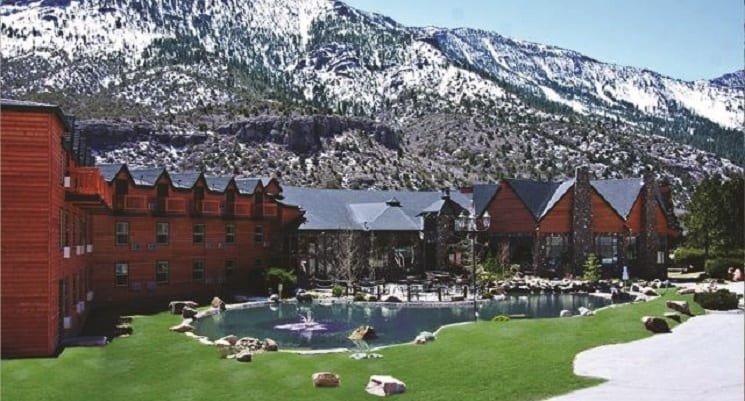
A few higher-end lodges and inns provide a more luxurious experience. Guests can enjoy spacious rooms, hot tubs, mountain views from balconies, and complimentary breakfasts. These options book quickly, especially in peak seasons like summer and fall.
Mount Charleston, Nevada Lodge Experiences
Lodges in the region enhance the mountain getaway experience with cosy interiors, fireplaces, and communal spaces where guests can relax after a day of adventure.
Rustic Mountain Lodge
Mountain lodges here often emphasise a back-to-nature feel, with wood beams, stone fireplaces, and panoramic views of surrounding peaks. Many travellers choose these stays to disconnect from the digital world and reconnect with nature.
Family-Friendly Lodges
Some lodges cater to families, offering larger rooms, game areas, and nearby picnic spots. These stays are great for extended weekend trips or summer vacations.
Pet-Friendly Lodging
Several local properties allow pets, making this destination ideal for travellers who want to explore with their furry companions. Always check pet policies and fees before booking.
Mount Charleston, Nevada Hiking: Trails for All Skill Levels
Hiking is one of the most popular activities in the area, and the diversity of trails means that visitors of all experience levels can find something enjoyable.
Easy Trails
Nature trails and short loops are perfect for casual walkers and families with children. These paths wind gently through shaded forests, offering opportunities to spot wildlife and listen to birdsong.
Moderate Trails
More moderate paths offer elevation gain and scenic overlooks without the high difficulty of summit hikes. These are great for intermediate hikers who want a good workout and memorable views without going too far into the backcountry.
Difficult Summit Hikes
Experienced hikers often set their sights on Charleston Peak itself. These routes demand physical fitness, careful planning, and respect for altitude effects. Trail markers, sturdy boots, plenty of water, and layered clothing are must-haves.
Safety Tips for Hiking
- Always check weather and trail conditions before starting.
- Bring plenty of water and snacks.
- Layer clothing to manage temperature swings.
- Inform someone of your plans and expected return time.
- Carry a small first-aid kit.
Mount Charleston, Nevada Scenic Drives and Picnic Spots
Not all adventure has to be on foot. Scenic drives meander through the national recreation area, offering overlooks, picnic areas, and access to trailheads.
Kyle Canyon Road
This scenic highway hugs the mountain slopes nd leads to several overlooks and picnic groves. Shaded spots under pine trees are perfect for family lunches or sunset picnics.
Picnic Areas With Views
Many designated picnic areas offer tables, barbecue pits, and restrooms. These spots are ideal for travellers who want slow-paced mountain enjoyment without committing to a long hike.
Wildlife and Natural Environment
The mountain environment supports a wide variety of plants and animals. Ponderosa pines, juniper trees, and wildflowers colour the landscape throughout spring and summer.
Wildlife includes deer, rabbits, hawks, and smaller mammals. Bear sightings are rare but possible, so food should always be appropriately stored and campsites cleaned after use.
Seasonal Travel Guide
Spring in the Mountains
Spring brings snowmelt at higher elevations, wildflower blooms, and mild temperatures. Trails may still be wet or muddy early in the season, so waterproof boots are wise.
Summer Escapes
Summer is the busiest season due to the cool temperatures. This makes the area an ideal escape from valley heat. Be aware of afternoon thunderstorms during the monsoon season.
Fall Co ors
Fall delivers crisp air and vibrant foliage. While not as dramatic as more northern forests, the seasonal shift makes this a popular time for scenic drives and photography.
Winter Wonderland
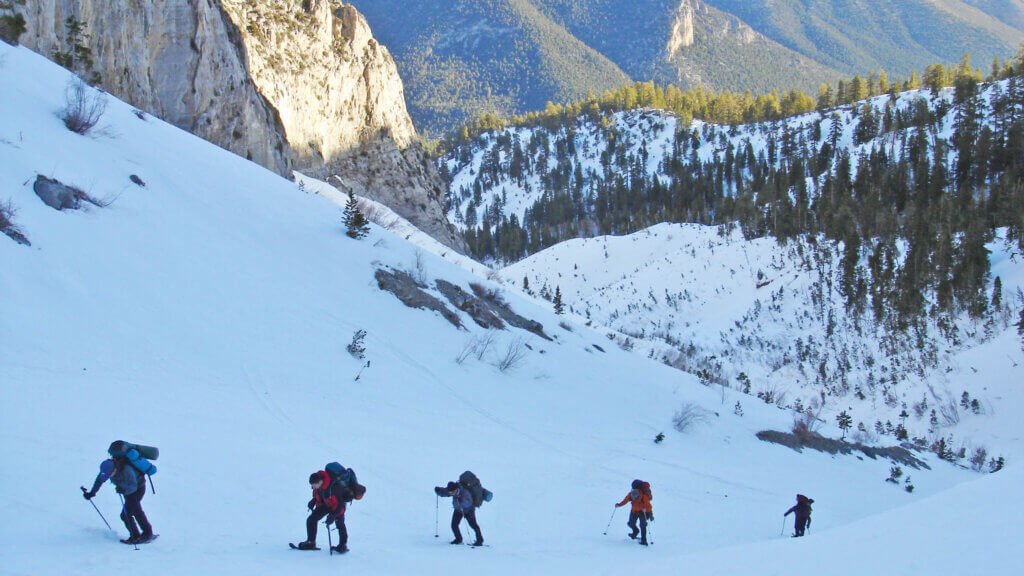
Winter blankets the mountain with snow and transforms many access roads into winter-only conditions. Snowshoeing, sledging, and photography are popular during these months.
Practical Travel Tips
Best Times to Visit
- For hikers and day trippers: late spring through early fall
- For snow activities: late fall through early spring
- For scenic foliage: mid-October to early November
Gear Essentials
- Sturdy hiking boots
- Layers for changing temperatures
- Plenty of water
- Sunscreen and hat
- Map or GPS
Accessibility and Parking
Trailheads and scenic spots typically have parking areas, but spaces fill quickly on weekends and holidays. Arrive early to secure a spot, especially in peak seasons.
Local Dining & Food Options
While the mountain itself has limited dining, nearby towns and lodges offer meals ranging from casual cafés to family-style restaurants. After a day of hiking, a hearty meal and a cool drink are welcome.
Cultural and Historical Highlights
The mountain area has cultural significance for local tribes and historic ties to early settlers in Nevada. Interpretive signs at various scenic points offer insight into geologic history, plant life, and the human stories of this majestic region.
Mount Charleston, Nevada Conservation & Respectful Travel
Visitors are encouraged to follow “Leave No Trace” principles that help protect the fragile mountain ecosystem. Staying on designated trails, carrying out trash, and minimising noise preserve this beautiful environment for future generations.
Conclusion
Mount Charleston, Nevada, is a remarkable destination that offers a stunning contrast to the surrounding desert world. It delivers cool temperatures, unforgettable scenic views, diverse trails, wildlife sightings, cosy lodges, and an escape that feels almost otherworldly. Whether you plan to hike to a hidden waterfall, relax with a picnic, or stay overnight in a forest retreat, this mountain has something powerful and beautiful to offer.
This guide provides everything you need to plan your trip, understand seasonal conditions, and enjoy outdoor adventures safely and responsibly.
Frequently Asked Questions
Is Mount Charleston, Nevada, cooler than Las Vegas?
Yes, elevations near the summit can be 30 to 40 degrees cooler than the valley floor, making it a popular escape from summer heat.
Are pets allowed on hiking trails?
Many rails allow pets but require them to be leashed. Check local regulations before arriving.
Do you need special gear for winter visits?
Winter visits often require snow-ready vehicles, chains, and warm outdoor clothing due to snowy and icy conditions.
Is the internet available on the mountain?
Cell service may be limited in higher elevations; download maps or directions beforehand.
Are there ranger programs or guided hikes?
Seasonal ranger programs and guided hikes are sometimes offered. Check with the local visitor centre for schedules.
For more information about mountains, visit thecavee.com.