Mount San Jacinto Guide: State Park, Weather, Snow & Trails
Introduction:
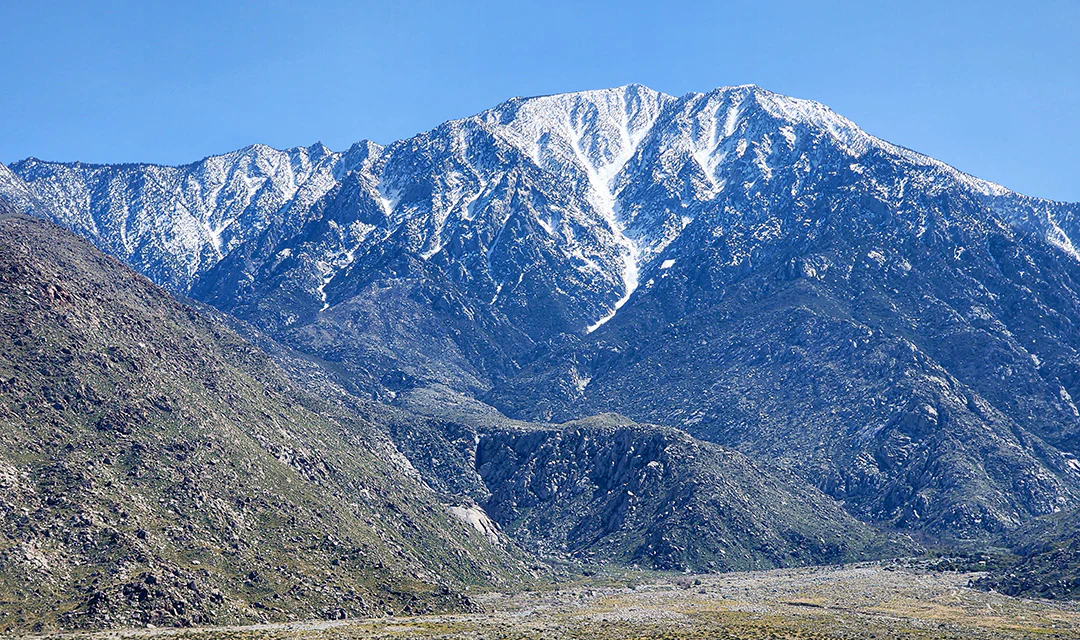
One of those sites that almost seems unreal at first sight is Mount San Jacinto, which rises sharply above the desert floor of Southern California. Then you find yourself surrounded by palm plants and breathing lovely desert air while gazing up at a snow-covered rocky alpine summit. This dramatic contrast is what makes the area so fascinating for travellers, hikers, students, and nature lovers alike.
In this in-depth guide, you’ll explore everything you need to know about this legendary peak and its surroundings. This page is intended to provide you with a clear, understandable explanation of why this mountain continues to draw interest year after year, from picturesque wildness and weather patterns to neighbouring attractions, educational facilities, and seasonal snow.
Introduction to the San Jacinto Mountain Range
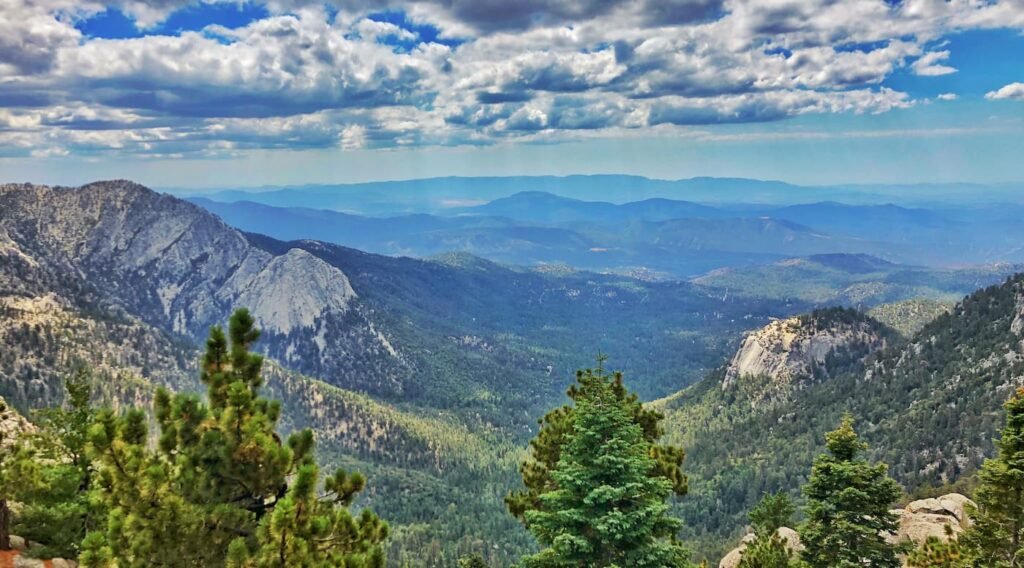
One of Southern California’s most breathtaking natural settings is the San Jacinto Mountains. This range, which rises above the Coachella Valley, separates the low desert from the serene alpine environment above both climatically and visually. One of the most striking mountain ranges in the continental United States, the summit is a component of the Peninsular Ranges and is renowned for its sharp elevation gain.
Visitors can see several ecosystems in a single day due to this drastic elevation shift. A relatively small region has alpine meadows, granite ridges, pine woods, and desert scrub. This diversity makes the region especially appealing for outdoor recreation and environmental study.
Where This Mountain Is Located in California
This summit is situated west of Palm Springs in Southern California’s Riverside County. It dominates the skylines of the nearby desert cities and is located inside the San Bernardino National Forest. It is a well-liked weekend getaway due to its proximity to large cities like Los Angeles and San Diego.
The higher elevations feel secluded and serene, even if they are near bustling cities. When you get to the wooded areas, the sound of traffic stops and is replaced by the wind blowing over pine needles and the occasional animal sound. Its appeal is mainly due to this harmony between accessibility and nature.
Mount San Jacinto State Park
Mount San Jacinto State Park protects a large portion of the high-elevation wilderness surrounding the peak. The park is known for its well-maintained trails, campgrounds, and scenic overlooks that offer sweeping views of the Coachella Valley far below.
One of the most popular ways to access the park is via the Palm Springs Aerial Tramway. In just a few minutes, the tram lifts visitors from the desert floor to an alpine environment that feels worlds away. From the upper station, hikers can explore miles of trails ranging from easy nature walks to challenging backcountry routes.
The park is also a haven for wildlife. Mule deer, mountain chickadees, and even bighorn sheep can sometimes be spotted. During summer, the cooler temperatures make it a refreshing alternative to the desert heat, while fall brings crisp air and golden light filtering through the trees.
Best Hiking Trails and Outdoor Adventures
Hiking is the number one reason many people visit this area. Trails vary widely in difficulty, making the region suitable for both beginners and experienced adventurers. Popular routes include the Round Valley Trail, which offers a steady climb through pine forest, and longer summit routes that challenge even seasoned hikers.
Beyond hiking, the region is also popular for backpacking, trail running, and nature photography. Rock formations, wildflowers, and panoramic viewpoints provide endless inspiration for outdoor enthusiasts. Because of the elevation, proper preparation is essential, including adequate water, layers, and navigation tools.
Mount San Jacinto College
Mount San Jacinto College is a well-known community college system serving Riverside County and the surrounding areas. While it shares its name with the mountain, the institution is focused on education, career training, and community development rather than outdoor recreation.
The college has multiple campuses and offers a wide range of academic programs, from liberal arts to technical and vocational training. Its presence adds cultural and educational significance to the region, making the name recognisable not only to travellers but also to students and professionals across Southern California.
Cultural and Historical Importance of the Region
Long before modern hikers and tourists arrived, Native American tribes such as the Cahuilla people lived in and around the mountain. The peak held spiritual significance and played an essential role in local legends and seasonal migration patterns.
European settlers later explored the area during the 19th century, drawn by its resources and strategic location. Over time, conservation efforts helped preserve much of the landscape, allowing future generations to experience its natural beauty. Today, interpretive programs and museums in nearby towns help keep this history alive.
Mount San Jacinto weather
Weather conditions on the mountain can change quickly, mainly due to its dramatic elevation gain. While the desert below may be experiencing triple-digit temperatures, the upper elevations can be cool or even cold.
Summer temperatures in the alpine zone are generally mild and comfortable, making it a popular season for hiking. Fall brings cooler nights and clear skies, ideal for photography and camping. Winter introduces snow and icy conditions, while spring often features lingering snowpack alongside blooming wildflowers at lower elevations.
Because of these variations, checking forecasts and preparing for sudden changes is essential for anyone planning a visit. Also, visit Mount Shasta.
Palm Springs Mount San Jacinto Connection
The relationship between Palm Springs and the mountain is one of the most unique aspects of the region. The city sits directly below the peak, creating a dramatic visual contrast between desert luxury and rugged wilderness.
The Palm Springs Aerial Tramway serves as the primary connection between the two environments. It is one of the wworld’slargest rotating tramcars and offers stunning views during the ascent. This connection allows visitors to experience two completely different climates in a single day, a rare and memorable experience.
Scenic Views and Photography Opportunities
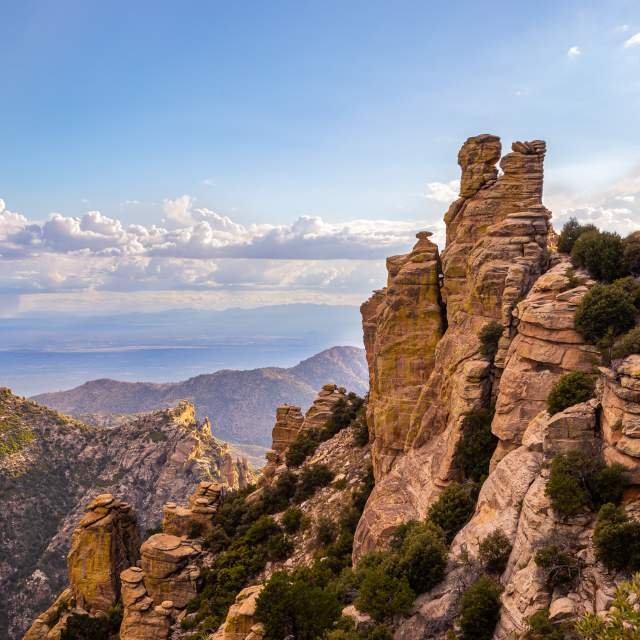
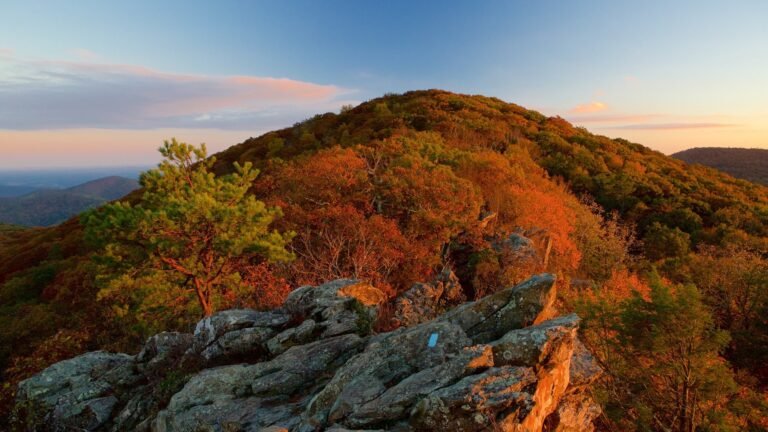
Photographers love this area for its variety of landscapes. Sunrise and sunset are especially magical, as golden light washes over granite peaks and casts long shadows across forested slopes.
From high viewpoints, you can see vast stretches of the Coachella Valley, distant mountain ranges, and sometimes even the Salton Sea on a clear day. In winter, snow-covered trees create a postcard-worthy scene that feels more like the Sierra Nevada than Southern California.
Mount San Jacinto snow
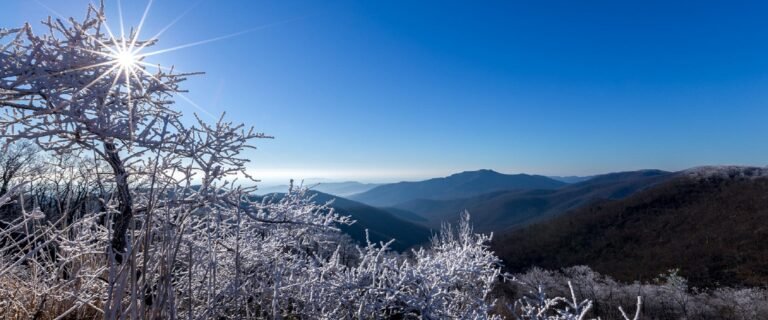
Snow transforms the mountain into a winter wonderland, attracting visitors who want to experience snow without travelling far from the desert. Snowfall typically occurs from late fall through early spring, depending on weather patterns.
During snowy periods, activities like snowshoeing and cross-country skiing become popular. However, winter conditions also bring challenges, including icy trails and limited access to certain areas. Visitors should always check road and trail conditions before heading up.
Wildlife and Natural Ecosystems
The mountain supports a wide range of plant and animal life due to its elevation range. Lower slopes feature chaparral and desert plants, while higher elevations are dominated by pine, fir, and cedar forests.
Birdwatchers can spot species adapted to alpine environments, while mammals such as squirrels, foxes, and deer are commonly seen. This ecological diversity makes the area an essential site for conservation and environmental research.
Camping and Overnight Stays
Camping is allowed in designated areas, both within the state park and in surrounding national forest lands. Campgrounds offer basic amenities and provide an immersive way to experience the mmountain’speaceful atmosphere.
Backcountry camping is also an option for those with proper permits and experience. Spending a night under the stars at high elevation is an unforgettable experience, especially when city lights twinkle far below.
Safety Tips for Visitors
Because of its elevation and changing weather, preparation is key. Visitors should carry sufficient water, wear layered clothing, and inform someone of their plans before heading out.
Altitude can also affect some people, causing shortness of breath or fatigue. Taking time to acclimate and pacing yourself can make a big difference. Respecting wildlife, staying on marked trails, and following park guidelines help ensure a safe and enjoyable visit.
Best Time to Visit
The best time to visit depends on what you want to experience. Summer is ideal for escaping desert heat, while fall offers crisp air and fewer crowds. Winter appeals to snow lovers, and spring brings a mix of melting snow and blooming plants.
Each season has its own personality, making repeat visits rewarding. No matter when you go, planning will help you make the most of your trip.
Conclusion
This mountain stands as one of Southern CCalifornia’smost impressive natural landmarks. Its towering presence, diverse ecosystems, and close connection to nearby cities make it a destination unlike any other. Whether you’re hiking through alpine forests, riding a scenic tramway, or simply admiring the view from below, the experience leaves a lasting impression.
From outdoor adventure to education, history, and seasonal beauty, the region offers something for everyone. IIt’sa place where desert and mountain meet, creating a landscape that feels both dramatic and deeply peaceful.
Frequently Asked Questions
Is the mountain suitable for beginner hikers?
Yes, there are several beginner-friendly trails, especially near the tramway station. More challenging routes are also available for experienced hikers.
Can you visit year-round?
The area is open year-round, but access and activities vary by season due to weather and snow conditions.
How long does it take to reach the summit?
Summit hikes can take anywhere from one long day to multiple days, depending on the route and experience level.
Are pets allowed in the park?
Pets are typically restricted on trails within the state park, so it’s best to check current regulations before visiting.
Do you need permits for camping?
Yes, permits are required for both front-country and backcountry camping. These can usually be obtained through park or forest service offices.
Visit thecavee.com for more interesting facts about mountains.