Phong Nha-Ke Bang: Vietnam’s Hidden Paradise of Caves
Introduction:
Nestled in the Quang Binh province of Vietnam, Phong Nha-Ke Bang National Park is a UNESCO World Heritage Site known for its breathtaking limestone mountains, underground rivers, and the world’s most magnificent cave systems. For nature lovers and adventurers, this destination offers a perfect mix of mystery, beauty, and excitement. From exploring vast caves to cruising along peaceful rivers, Phong Nha is a must-visit for anyone looking to experience Vietnam’s natural charm.
The Natural Beauty of Phong Nha
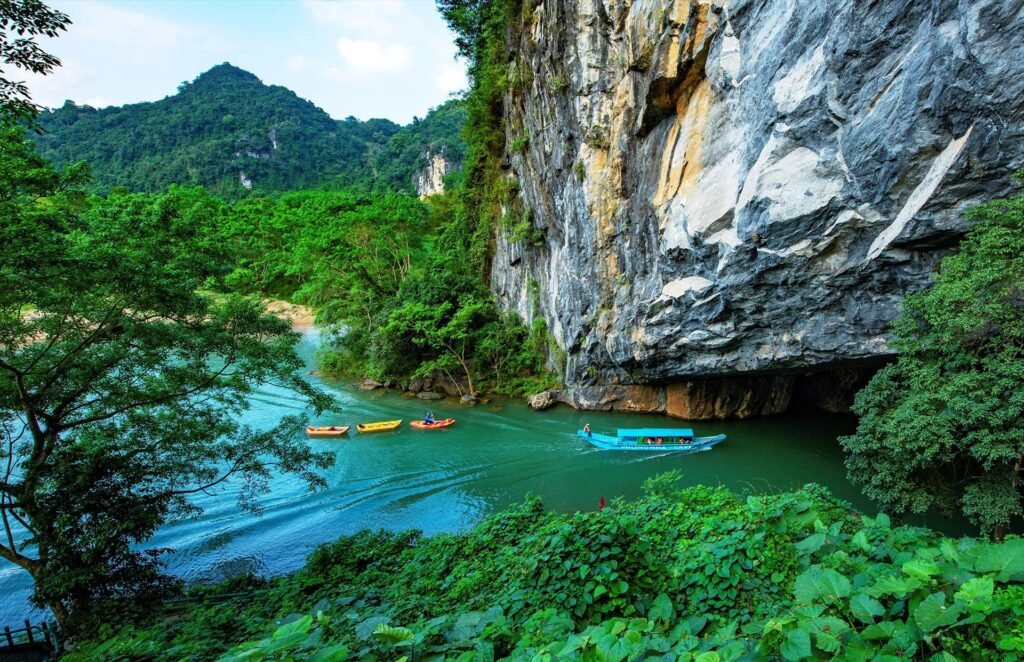
Phong Nha is famous for its stunning karst landscape, which has evolved over 400 million years. The park is home to hundreds of caves and grottoes, some of which are among the largest and most beautiful in the world. The dramatic cliffs, lush tropical forests, and underground rivers make it a paradise for photographers and explorers alike. The area is also rich in biodiversity, hosting rare plants and animals that thrive in this untouched ecosystem. You can also visit Reed Flute Cave for more exciting tours.
The Caves of Phong Nha-Ke Bang
One of the main reasons travellers visit Phong Nha is to explore its incredible cave systems. These caves are not just geological formations; they are natural masterpieces sculpted by time.
Phong Nha Cave
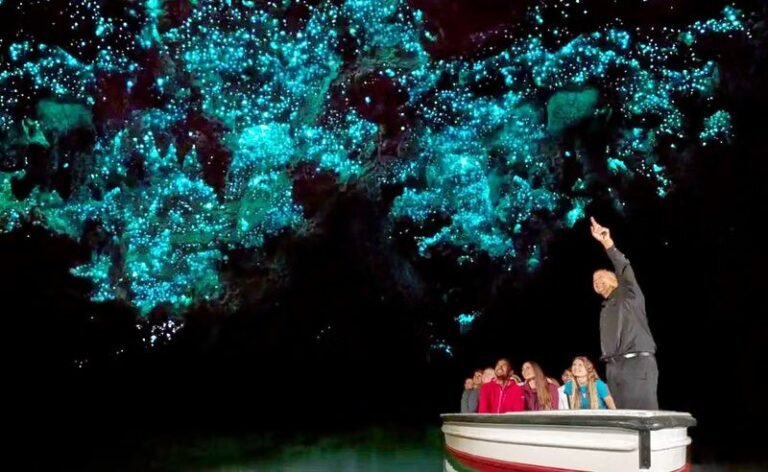
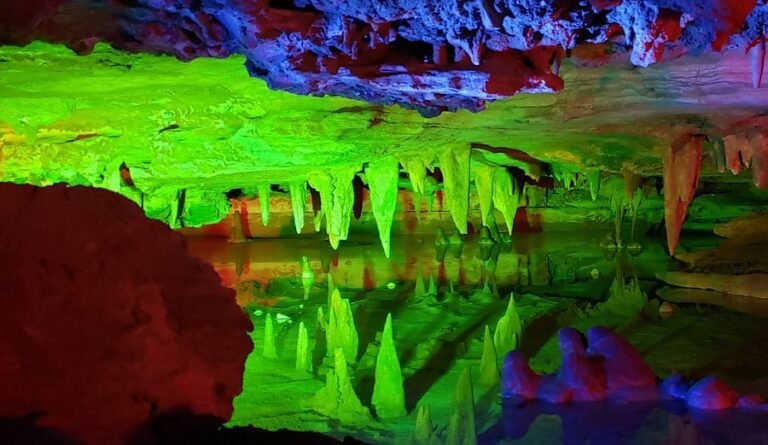
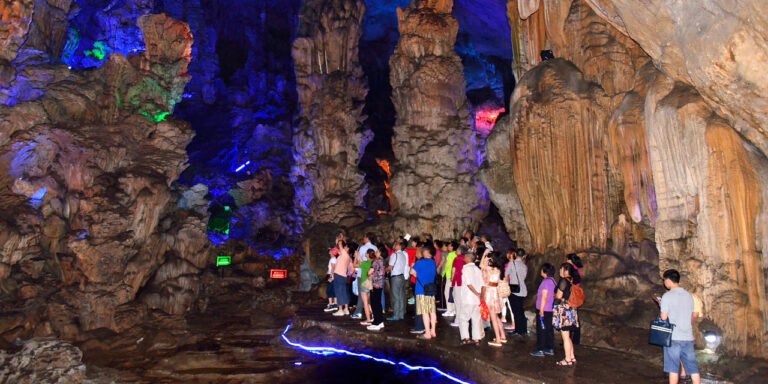
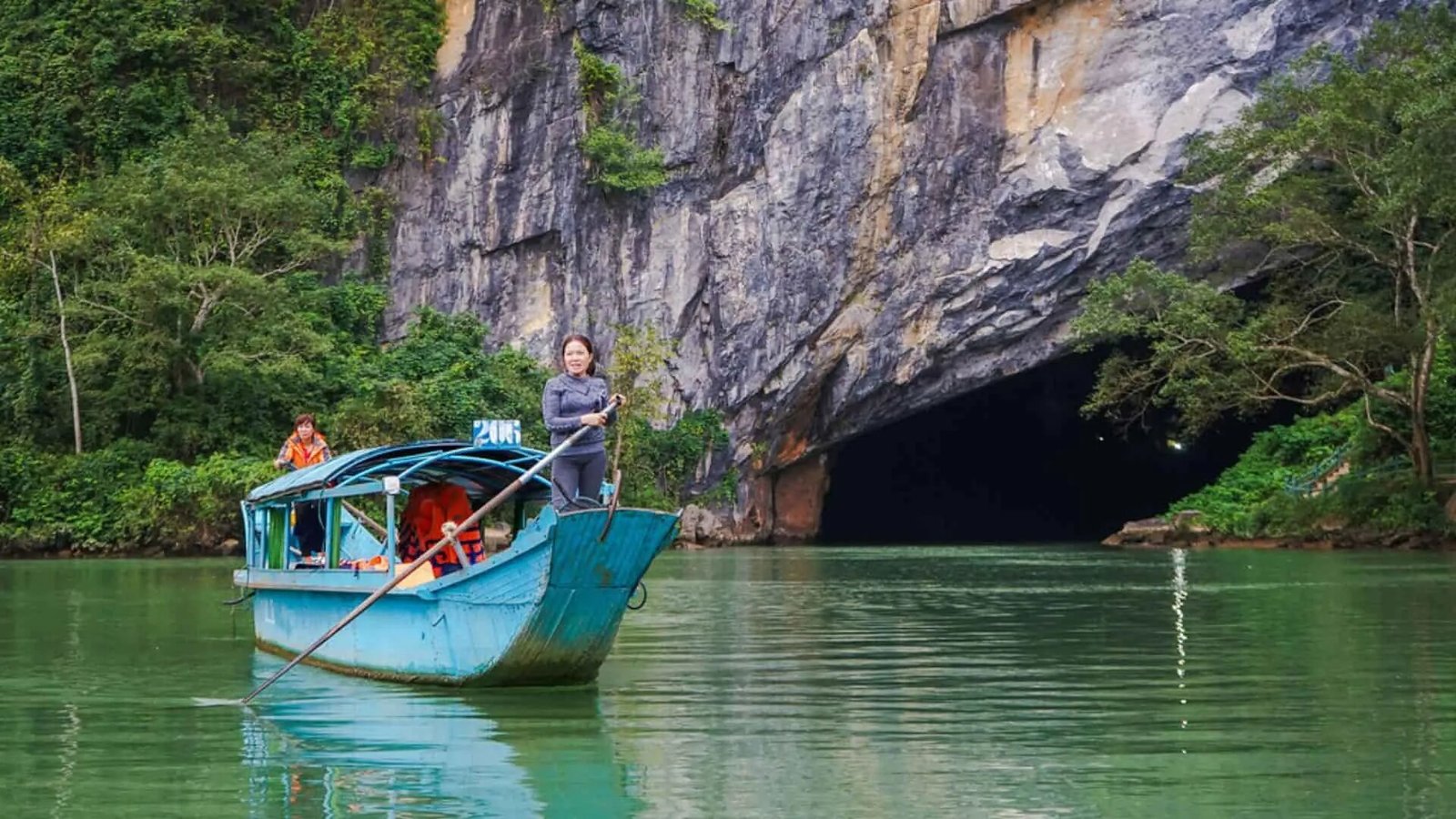
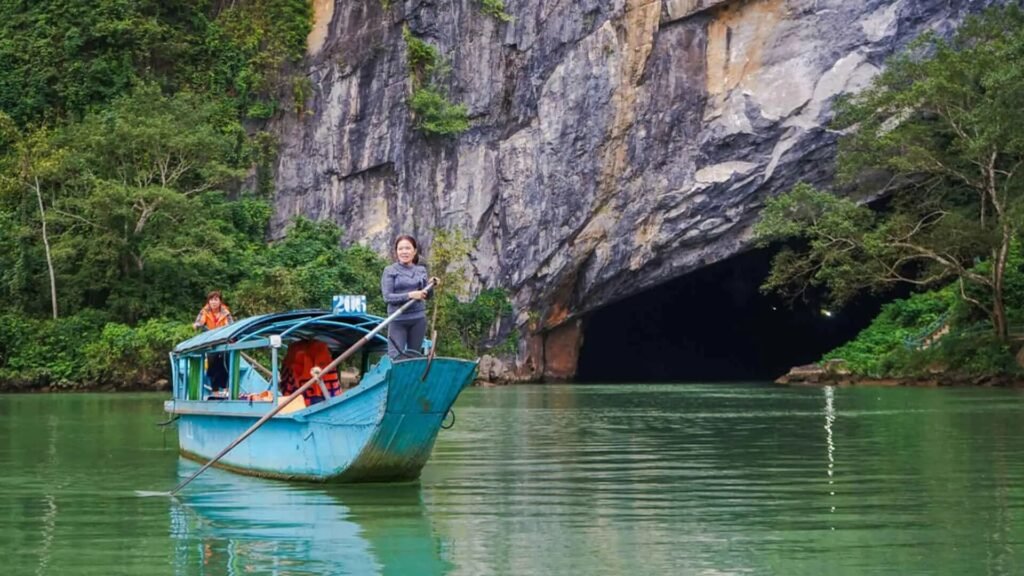
The Phong Nha Cave, often called the “First Wonder of Vietnam,” is one of the most popular attractions in the park. Stretching more than 7,700 meters, this cave features beautiful stalactites and stalagmites illuminated by soft lights. Visitors can take a boat trip along the Son River to reach the cave’s entrance, making the journey as enchanting as the destination itself.
Paradise Cave
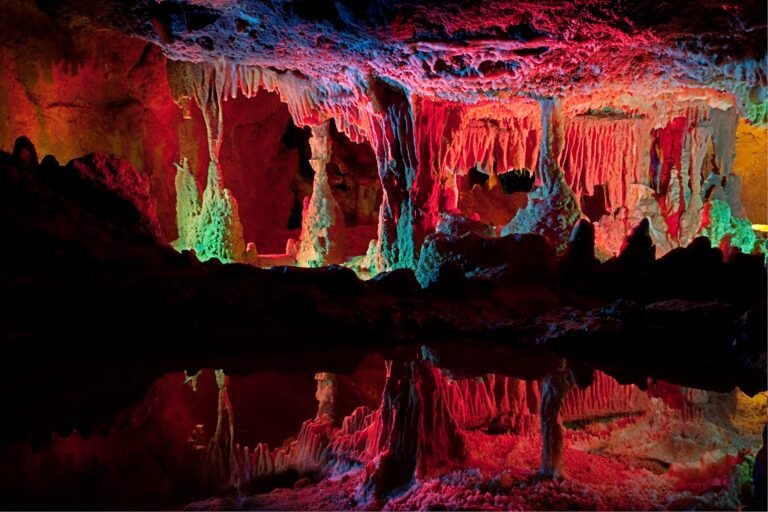
Paradise Cave lives up to its name with its breathtaking formations that seem to stretch endlessly. Discovered in 2005, this cave extends for over 31 kilometers and is known for its tall ceilings and crystal-like stalactites. The first kilometer is open to tourists, offering a mesmerizing view of nature’s artistry.
Son Doong Cave
Located within the Phong Nha National Park, Son Doong Cave is the largest cave in the world. It is so massive that it has its own river, jungle, and weather system inside. Only a limited number of tourists are allowed to visit each year to preserve its pristine condition, making it one of the most exclusive adventures on Earth.
Adventure Activities in Phong Nha-Ke
For thrill-seekers, this cave offers a variety of adventure experiences. From trekking and kayaking to cave exploration and ziplining, the park provides endless opportunities for outdoor excitement.
- Cave trekking: Guided tours take visitors deep into the limestone formations to explore unspoiled sections of caves.
- River kayaking: Paddling through the Son or Chay River gives travellers a closer view of the lush landscape.
- Ziplining: The zipline over the Chay River is one of the most exciting ways to see the beauty of Phong Nha from above.
For those who prefer a relaxed experience, a boat ride along the Son River or a simple nature walk through the jungle is equally rewarding.
The Local Villages and Culture
Beyond its natural beauty, Phong Nha is home to warm-hearted local communities. Villages like Son Trach offer a glimpse into rural Vietnamese life. Here, visitors can interact with local families, enjoy traditional meals, and learn about the simple lifestyle that revolves around farming and nature.
Local homestays are popular accommodations for travelers who want a more authentic experience. Staying in these homes allows visitors to immerse themselves in the area’s culture, enjoy local cuisine, and appreciate the hospitality of Vietnamese villagers.
Flora and Fauna of Phong Nha-Ke Bang
This cave is not only a geological wonder but also a haven for biodiversity. The park is home to over 2,700 plant species and nearly 800 different animals, including endangered species like the Ha Tinh langur and the giant muntjac deer. The lush rainforest ecosystem supports an incredible variety of life, making it an important center for conservation and research.
Phong Nha-Ke Bang Weather and Best Time to Visit
The weather in this cave plays a major role in planning your trip. The region experiences a tropical monsoon climate, with two main seasons: dry and rainy.
- Dry season (February to August): This is the best time to visit, with clear skies and pleasant temperatures ideal for cave exploration and outdoor activities.
- Rainy season (September to November): Heavy rains can cause river flooding, which limits access to some caves. However, the lush green scenery during this time is breathtaking.
If you want the best experience, plan your trip between March and July for perfect weather and full access to the caves.
How to Get to Phong Nha-Ke Bang
Phong Nha-Ke is located in central Vietnam, about 500 kilometers south of Hanoi. Here are the main travel options:
- By air: The nearest airport is in Dong Hoi, around 45 kilometers from the park. Flights are available from Hanoi and Ho Chi Minh City.
- By train: You can take a train from Hanoi or Da Nang to Dong Hoi, then continue by bus or taxi to Phong Nha.
- By bus: Several sleeper buses run from major cities like Hanoi, Hue, and Hoi An to Phong Nha village.
Once you arrive, renting a motorbike or joining a guided tour is the best way to explore the area.
Accommodation Near Phong Nha-Ke Bang
There are many types of accommodations around this National Park, ranging from budget hostels to luxury eco-lodges.
- Budget travelers can stay in family-run guesthouses or hostels in Phong Nha village.
- Mid-range options include boutique hotels and riverside lodges with beautiful views.
- Luxury seekers can find eco-resorts offering comfortable rooms and guided nature experiences.
Sustainable Tourism in Phong Nha-Ke Bang
The local authorities and tour operators emphasize sustainable tourism to protect the park’s fragile ecosystem. Tourists are encouraged to follow eco-friendly practices such as minimizing plastic use, staying on marked trails, and supporting local businesses.
By visiting responsibly, travelers help preserve the caves and forests for future generations.
Photography and Scenery
For photographers, this cave is a dream destination. The play of light inside caves, the reflection of mountains on calm rivers, and the dense greenery make for stunning images. Whether you’re a professional or an amateur, you’ll find countless opportunities to capture unforgettable moments.
Exploring Nearby Attractions
While Phong Nha is the main highlight, there are several nearby attractions worth exploring:
- Dark Cave (Hang Toi): A mix of adventure and relaxation, with ziplining, mud bathing, and swimming.
- Mooc Spring Eco Trail: A scenic spot with turquoise waters and bamboo bridges, perfect for a peaceful stroll.
- Botanic Garden: A nature reserve within the park, featuring hiking trails and waterfalls.
FAQs
1. Where is Phong Nha located?
Phong Nha-Ke National Park is in Quang Binh Province, Central Vietnam, about 45 kilometers from Dong Hoi city.
2. How do I buy tickets for Phong Nha caves?
Tickets are available at the park entrance or through authorized tour companies. Prices vary depending on the cave and tour type.
3. What is the best time to visit Phong Nha?
The best time is from February to August during the dry season when the weather is clear and ideal for exploration.
4. Is it safe to visit the caves?
Yes, most caves are accessible with guided tours that ensure visitor safety. Always follow your guide’s instructions and wear appropriate gear.
5. Can I stay near the park?
Yes, Phong Nha village offers plenty of accommodations, from budget hostels to luxury eco-lodges.
Conclusion
Phong Nha National Park is one of Vietnam’s greatest treasures — a place where adventure meets natural beauty. With its massive cave systems, lush forests, and peaceful rivers, it’s a destination that promises an unforgettable journey. Whether you’re trekking through ancient limestone mountains or cruising along the Son River, the magic of Phong Nha-Ke will leave you in awe and inspire your love for the natural world.