Sea Caves: Nature’s Hidden Coastal Wonders
Sea caves are among the most fascinating natural formations found along the world’s coastlines. Shaped over thousands of years by the powerful forces of wind and water, these stunning geological structures attract explorers, photographers, and travelers alike. Whether you are visiting the famous sea cave in Cyprus or the breathtaking ones in Ayia Napa, every sea cave holds a unique story carved by nature.
What Are Sea Caves?
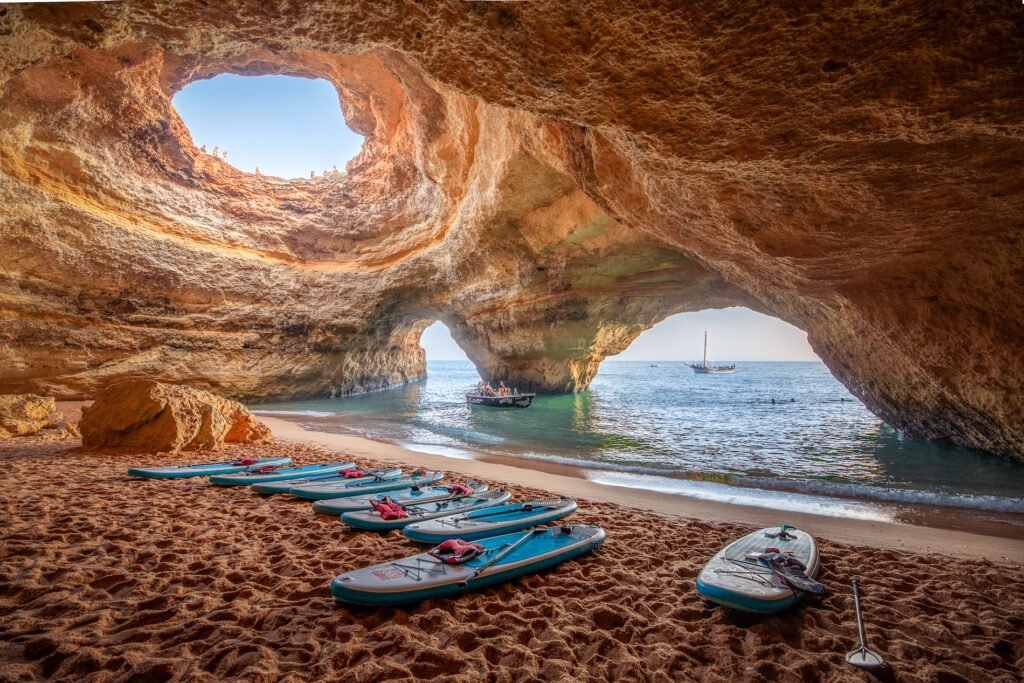
Sea caverns are natural formations that develop in coastal cliffs due to the constant erosion caused by waves. Over centuries, the waves pound against the rock, exploiting cracks and weak points to form deep hollow chambers. Depending on the geology and wave action, some sea caverns grow large enough to accommodate boats or even entire lagoons inside.
The most common types of rocks that form sea caverns are limestone, basalt, and sandstone—materials that easily erode with constant water movement. These caves are not just beautiful; they also provide a unique habitat for marine life and seabirds, making them important ecological zones.
Sea Caves, Cyprus
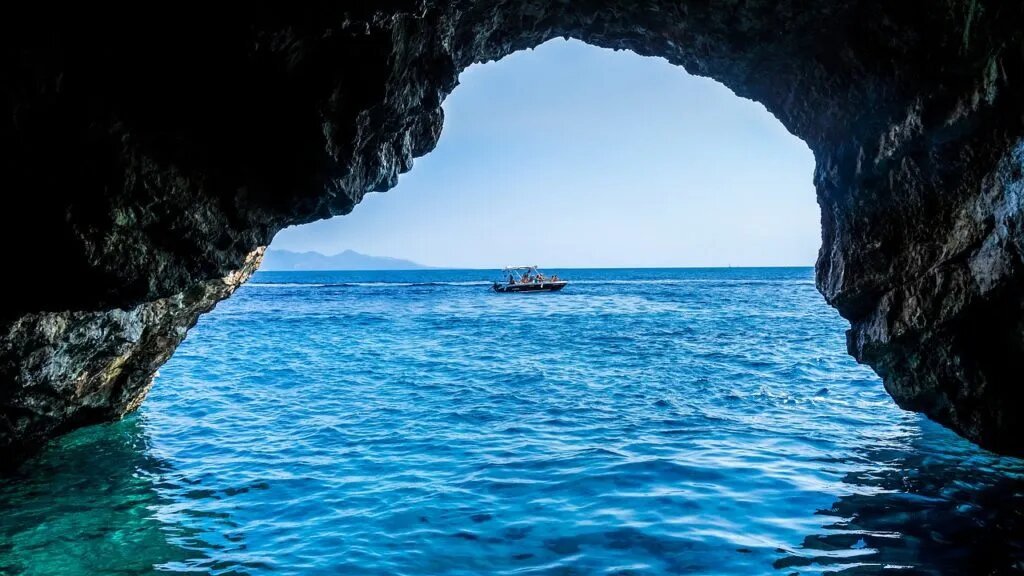
Cyprus is home to some of the most beautiful sea caverns in the world, particularly along its southern and eastern coasts. The Sea Caverns of Cyprus are famous for their crystal-clear blue waters, towering rock formations, and hidden tunnels that create a magical underwater world.
One of the best places to explore sea cave in Cyprus is near the village of Peyia, close to Paphos. The sea caverns here are located along the rugged coastline, offering breathtaking views and the perfect spot for snorkeling, diving, or simply admiring nature’s work.
The turquoise water and striking white cliffs make the area a dream destination for photographers. Many visitors enjoy cliff diving, while others prefer a quiet kayak trip around the caves to enjoy their beauty from a safer perspective.
If you plan to visit, the best time to explore these caverns is during the summer months when the sea is calm and visibility is excellent. However, always take care when approaching these caverns, as sea conditions can change rapidly. Visit more caverns like glacier caves.
Sea Caves, Ayia Napa
The Sea Cave of Ayia Napa, located on the southeastern coast of Cyprus, are the most popular and picturesque of all. This area is part of the Cape Greco National Forest Park, known for its breathtaking coastal scenery and crystal waters.
These caves are easily accessible by car or on foot and have become a favorite destination for both locals and tourists. The cliffs surrounding the caverns rise dramatically from the sea, offering panoramic views that are especially stunning during sunrise and sunset.
The Ayia Napa Sea Cave is also known for its natural arches and formations. Many visitors love to explore them by kayak or paddleboard, allowing for a closer look inside. During low tide, you can even walk along some sections and peek into small chambers formed by erosion.
Adventurous travelers often take the opportunity to jump from the cliffs into the deep blue waters below—a popular activity for thrill-seekers. However, caution is advised, as tides and currents can be strong.
The Geological Beauty of Sea Cave
Sea cave are more than just tourist attractions; they are natural records of geological processes that have shaped the Earth over millions of years. Every cave tells a story about the local rock types, wave patterns, and even sea levels of the past.
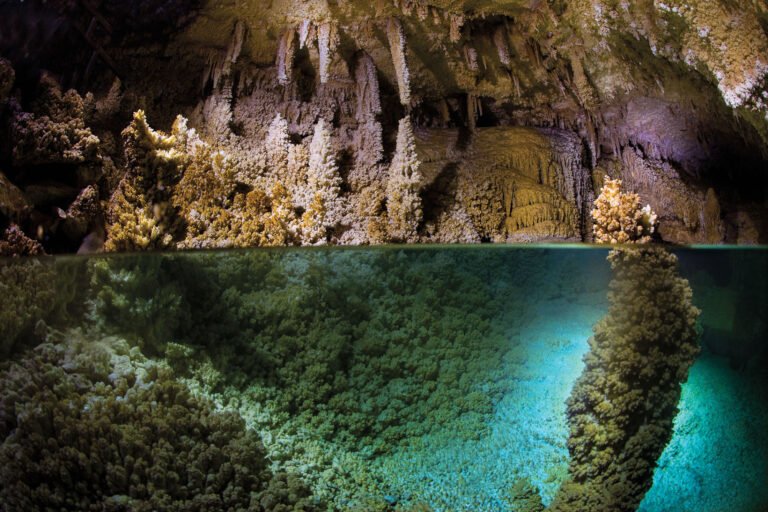
Inside many sea cave, you’ll find incredible rock formations such as stalactites and stalagmites formed by the dripping of mineral-rich water. Some caves also contain fossils, revealing the presence of ancient marine life.
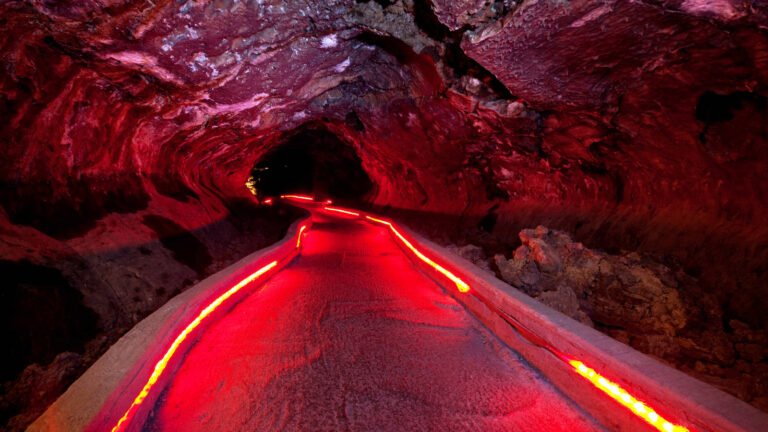
In regions with volcanic activity, like Iceland or Hawaii, sea caverns can form in lava rock, creating dark tunnels with unique textures. These lava sea caverns often have a very different appearance compared to the smooth limestone caverns found in Cyprus or Greece.
Sea Caves Around the World
While Cyprus and Ayia Napa are world-famous for their coastal caverns, there are many other incredible sea cave worth exploring around the globe.
- Blue Grotto, Italy – Located on the island of Capri, this sea cave glows with a surreal blue light as sunlight filters through the water.
- Fingal’s Cave, Scotland – Famous for its geometric basalt columns, this sea cave inspired artists and composers alike.
- Benagil Sea Cave, Portugal – One of Europe’s most photographed caverns, featuring a large skylight that allows sunlight to pour into the chamber.
- Waianapanapa Caverns, Hawaii – Formed from lava tubes, these black-sand beaches and sea cave are steeped in local legends.
Each of these destinations offers its own blend of adventure, beauty, and mystery, making sea cave a global wonder that continues to fascinate explorers.
Exploring Sea Cave Safely
While sea cave are incredibly alluring, exploring them requires caution. Conditions can change quickly due to tides, waves, or weather. Here are a few safety tips:
- Check the tide schedule before visiting—high tide can flood entrances or make caves inaccessible.
- Avoid exploring alone—always go with a guide or group for safety.
- Wear appropriate gear such as water shoes, helmets, and life jackets.
- Use waterproof lights if entering deeper caves where sunlight doesn’t reach.
- Do not disturb wildlife inside or near the caves.
By following these guidelines, you can safely enjoy your adventure while preserving the natural beauty of these sites.
The Best Time to Visit Sea Caves
The ideal time to explore sea cave depends on the region. In Cyprus and Ayia Napa, the summer season from May to September offers calm seas, warm weather, and excellent visibility for snorkeling and kayaking. Early morning or late afternoon visits are best for avoiding crowds and capturing the most beautiful lighting for photos.
In cooler regions like Scotland or Iceland, summer months also provide the best access and daylight hours for exploring. Always check local weather reports and tide conditions before setting out.
Photography Tips for Capturing Sea Caverns
Sea cave are some of the most photogenic places on Earth, but capturing their beauty can be challenging due to lighting conditions. Here are a few photography tips:
- Visit during golden hours (sunrise or sunset) for soft natural light.
- Use a wide-angle lens to capture the full scale of the cave and surrounding cliffs.
- For interior shots, use tripod stabilization and long exposure to balance light levels.
- Experiment with reflections in the water to create artistic compositions.
Many travel photographers use drones (where permitted) to capture the dramatic coastline and crystal-clear waters around sea cave from above.
Sea Cave and Marine Life
Sea cave provide a unique ecosystem for various marine species. Inside these cool, shaded environments, you might find fish, crabs, sea urchins, and even small octopuses hiding among the rocks. Barnacles and algae often cover the walls, creating a colorful underwater scene.
These habitats are delicate and should always be respected. Visitors should avoid touching marine life or removing rocks and shells to preserve the natural balance of these environments.
Why You Should Visit Sea Cave
Exploring sea cave offers an unforgettable blend of adventure, natural beauty, and tranquility. Whether you’re kayaking through the Sea Cave of Ayia Napa, diving in the Blue Grotto of Capri, or admiring the majestic cliffs of Portugal’s Benagil Cave, every destination leaves you in awe of nature’s artistry.
Sea cave remind us of the power of the ocean and the passage of time—each wave shaping and reshaping the Earth’s surface to create masterpieces hidden just below the horizon.
FAQ
1. What is the best way to explore sea cave?
The best way to explore sea cave is by kayak or small boat, allowing you to get close without damaging the environment. In some areas, snorkeling or diving is also popular.
2. Are sea cave dangerous?
Sea cave can be risky during high tides or rough seas. Always check weather and tide conditions and avoid entering without a guide if the area is unfamiliar.
3. Where are the most famous sea cave located?
Some of the most famous sea cave are in Cyprus, Ayia Napa, Italy (Blue Grotto), Portugal (Benagil), and Scotland (Fingal’s Cave).
4. Can you swim inside sea cave?
Yes, in many places swimming is allowed and safe, but always ensure the water is calm and that you are comfortable with swimming in open sea conditions.
5. What should I bring when visiting sea cave?
Bring sunscreen, a waterproof camera, appropriate footwear, and safety gear such as a life jacket and flashlight if exploring deeper areas.
Final Thoughts
Sea cave are one of the planet’s most enchanting natural wonders. From the turquoise waters of Cyprus to the stunning cliffs of Ayia Napa, these geological masterpieces invite travelers to experience the meeting point of land and sea in its purest form. Visiting sea cave is not just an adventure—it’s a journey into the heart of nature’s timeless artistry. Visit more interesting caverns.