Your Windowsill Could Be a Plant Nursery: Why a Wooden Propagation Station Is the Easiest Win in Home Decor
Here is a strange little truth about houseplants. That one pothos you bought for twelve dollars in the corner of your kitchen could, over the course of a year, turn into twenty free plants. Not through some complicated gardening trick. Not with a greenhouse or special lights. Just with a glass of water, a pair of scissors, and a piece of furniture you probably did not know existed until this week: a wooden propagation station.
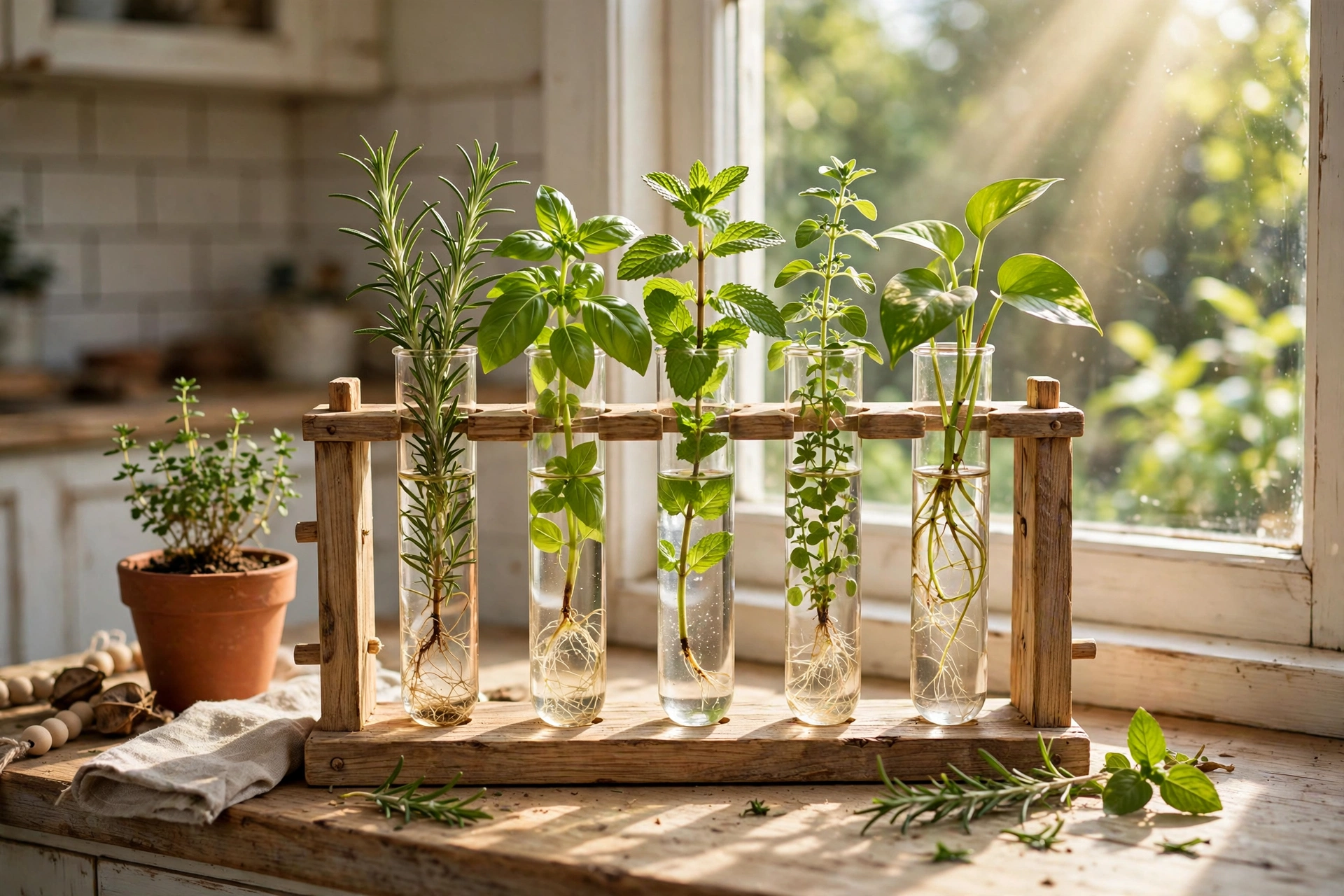
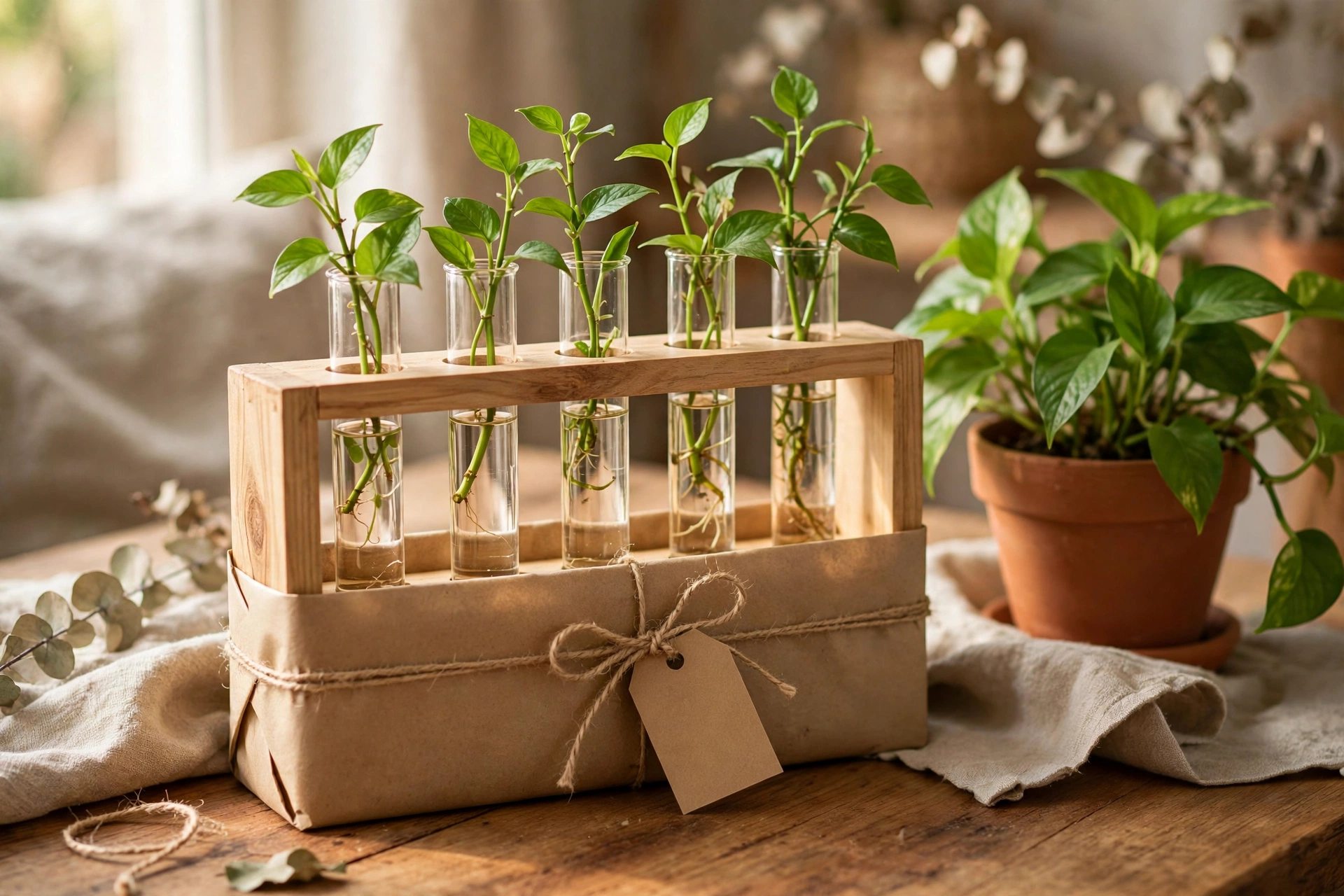
If you spend any time on the plant side of Pinterest, you have seen them. A small wooden stand, usually walnut or oak or some warm honey-colored timber, drilled with holes that hold five or six glass tubes. Each tube holds a single green cutting floating in water. The whole thing sits on a windowsill or a desk and looks, somehow, like the most alive thing in the room.
This is the story of why these little stations became one of Etsy’s most loved handmade categories, how the whole thing actually works, and how you can turn a Sunday afternoon and one mother plant into a windowsill full of baby plants that cost you nothing.
What a Propagation Station Actually Is
Let us clear up the fancy name first. A propagation station is just a holder that keeps glass tubes or vials upright and stable while plant cuttings grow roots in water inside them. That is it. People have been rooting cuttings in jam jars for a hundred years. The station is the jam jar, dressed up.
But the dressing-up matters more than it sounds. A jam jar of murky water on your desk looks like an experiment. A wooden stand with five slim glass tubes, each one holding a sprig of bright green pothos with white roots unfurling underneath, looks like a design choice. That is the whole reason this category exists, and honestly, it is a good reason. Half of keeping plants is keeping yourself excited enough about them to actually water things.
The bestselling versions follow a simple pattern. A handcrafted wooden base, often solid hardwood with a natural oil finish. Five glass test tubes or vials that lift out individually so you can change the water without moving the whole stand. And proportions small enough to fit a windowsill, which is where most of them end up living.
The one everyone is buying
Etsy’s most popular wooden propagation station is a five-tube design from a US shop called TheKnottyDane. It carries the site’s “Bestseller” badge, a perfect five-star rating, and it currently sells for $32.93, down from $37, with free shipping. Five glass tubes, a solid wood stand that doubles as a bud vase, and enough charm to make it a frequent housewarming gift. That price point tells you something important: this is not expensive furniture. It costs less than one medium houseplant from a nursery, and it multiplies the plants you already own.
There are more than a few good variations if the classic five-tube stand is not your style. Shops like RedeemingHome make theirs from reclaimed wood for $26.50, which is a nice option if you like the sustainability story. LeafandNode sells a crescent moon and stars wall-hanging version for $24.95, which turns the whole thing into actual wall art. And if you want to skip the shipping wait, sellers like JDMWoodCreations ship theirs free from the US for around $27.
Why Water Propagation Works (and Why It Feels Like Magic)
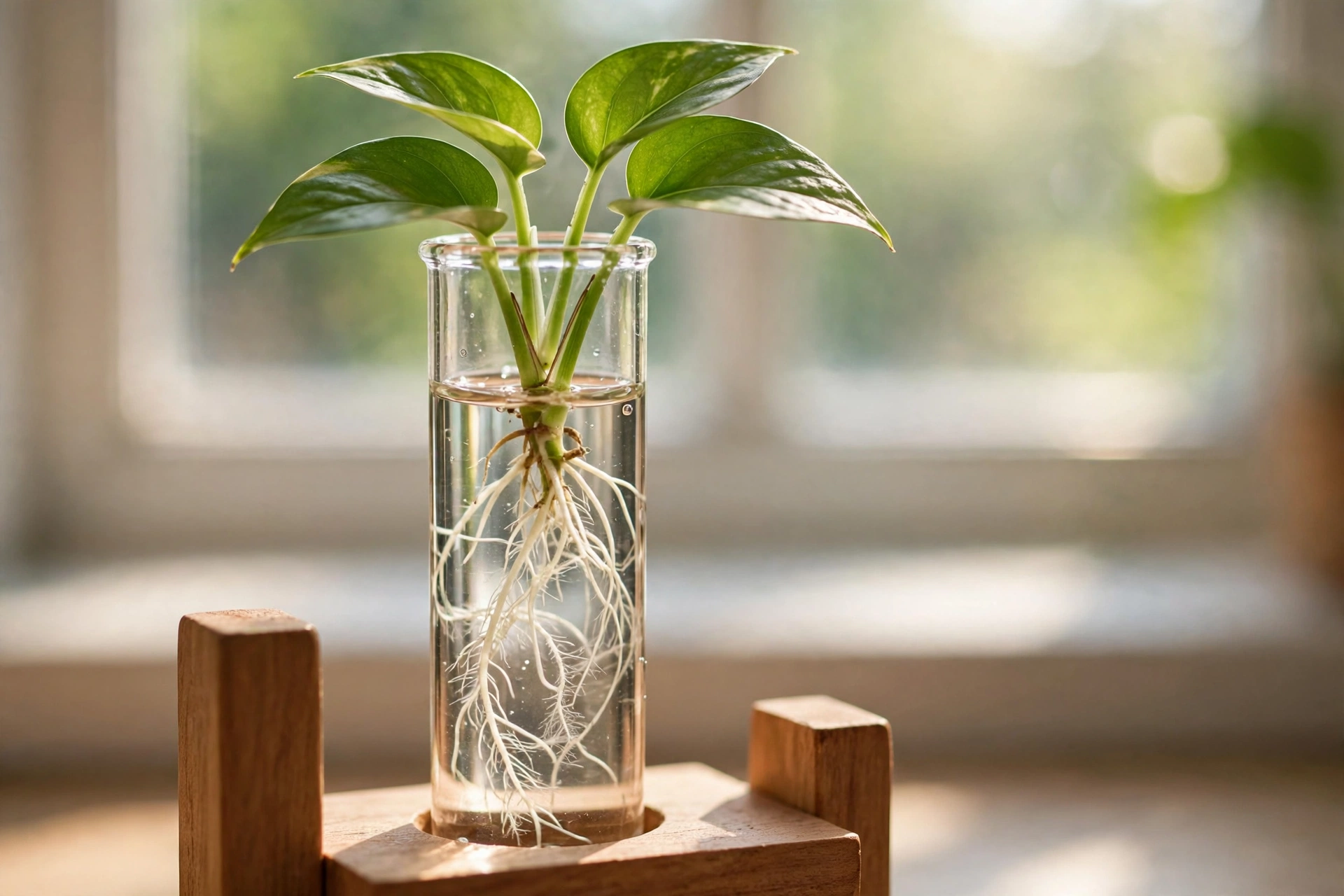
The science here is delightfully simple. Many houseplants, pothos and philodendron especially, grow roots directly from their stem nodes when those nodes sit in water. A node is the little bump on the stem where a leaf attaches. Submerge it, give it light, wait, and in one to three weeks you will see thin white roots curling out of it. It genuinely never gets old to watch.
Water propagation has one massive advantage over sticking cuttings straight into soil: you can see what is happening. Soil hides everything, which is how beginners kill cuttings. Water shows you roots in real time. If a cutting is failing, it goes soft and brown and you toss it. If it is thriving, you watch the white roots get longer every day. There is no guessing.
The only mistake that actually matters
If you take one practical rule from this article, make it this: change the water once a week. That is the whole maintenance routine. Fresh water keeps oxygen levels up and stops algae from taking over. The wooden stand makes this almost pleasant, because each tube lifts out individually. Fill, set back in the hole, done. Thirty seconds.
The second rule, for people who want it: keep the tubes out of harsh direct afternoon sun. Bright indirect light is the sweet spot. A sunny windowsill with a sheer curtain is perfect. Full blazing sun heats the little vials and grows algae faster than roots.
How to Take Cuttings That Actually Root
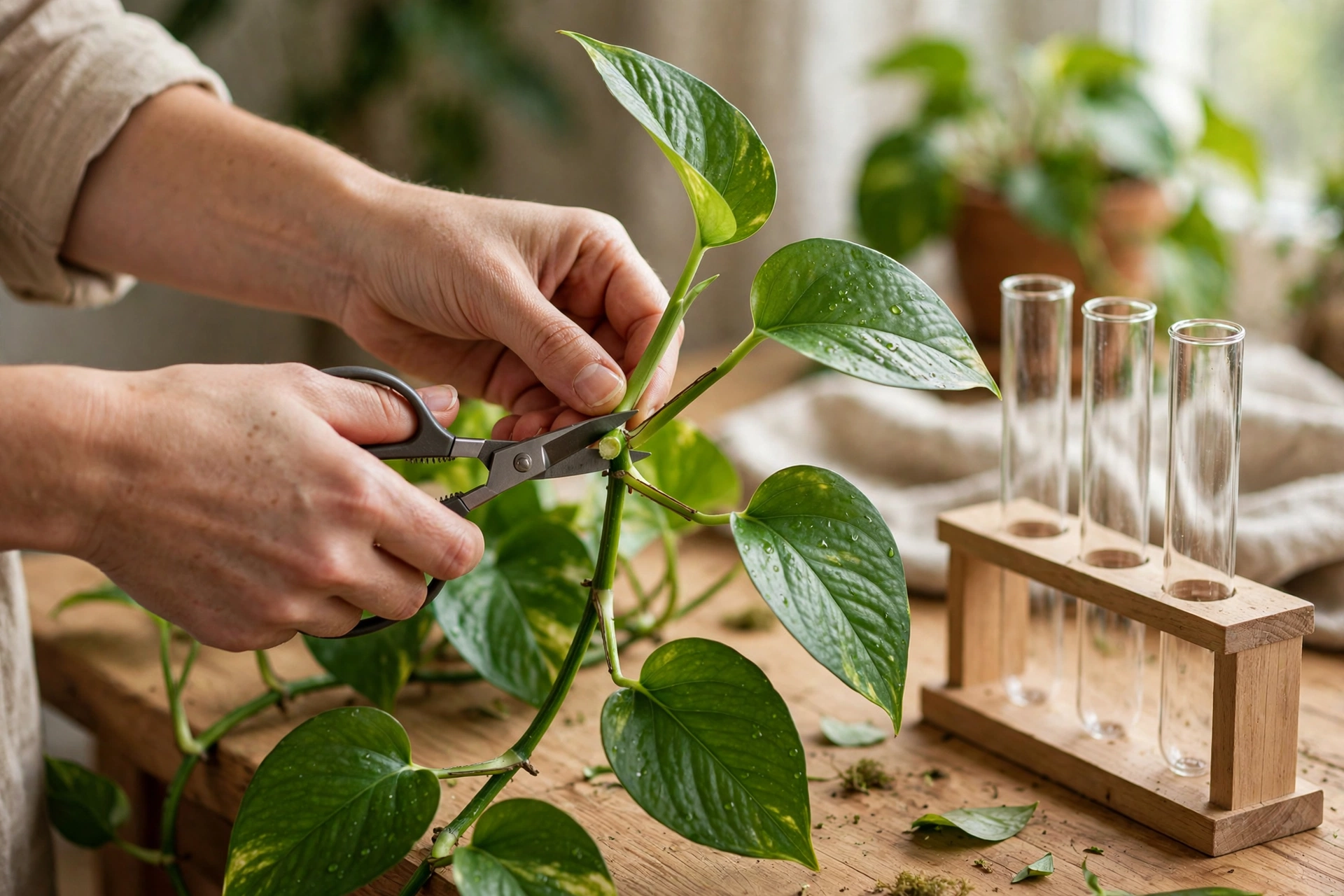
Pick a healthy mother plant. Pothos is the easiest start on earth, but philodendron, spider plants, coleus, and even herbs like mint and basil all root in water. Find a stem with at least two or three leaves and look for the node, that small bump where the leaf stem meets the main vine.
Cut about a quarter inch below the node with clean scissors. This is one of those details people skip and then wonder why nothing happened. A dirty cut crushes the stem and invites rot. A clean cut heals and roots. Drop the cutting in water so the node is submerged but the leaves stay dry. Leaves sitting in water rot fast and foul the whole tube.
Then you wait. Pothos usually shows roots within a week or two. Slowpokes like some philodendrons can take a month. Either way, once the roots are an inch or two long, you have a choice: plant the cutting in soil, or leave it in the station indefinitely. Plenty of people do the second. A full station of water-rooted cuttings, tubes topped up weekly, is genuinely beautiful all by itself. It becomes a living display, not just a waiting room.
The Real Problem It Solves (It Is Not Just Pretty)
Here is the part the product listings undersell. The propagation station solves a real, annoying household problem: plant guilt.
Most of us own a few houseplants and have a complicated relationship with them. The pothos is leggy and trailing all over the bookshelf. The spider plant has produced fifteen babies and you have no idea what to do with them. Every one of those runners is a free plant being wasted, because there is no dignified place to put a baby plant while it figures itself out. They end up in mugs and plastic cups on the counter, looking like a science fair, until you quietly throw them away.
The station gives those babies a job and a home. One mother plant, trimmed back twice a year, fills five tubes with new plants every few months. Those become gifts, desk plants, bathroom plants, plants for friends who swear they kill everything. The twelve-dollar pothos turns into an actual little nursery that keeps producing. It is the rare home decor object that pays for itself in a season.
Styling It: Where These Things Actually Look Good
The reason propagation stations photograph so well is that they look good almost anywhere there is light. The greatest hits:
The kitchen windowsill. This is the natural habitat. Herbs propagate beautifully in water too, so a station with mint, basil, and a pothos cutting becomes half decor, half pantry. Snip herbs while you cook. It is the one decorative object in your kitchen that earns its counter space.
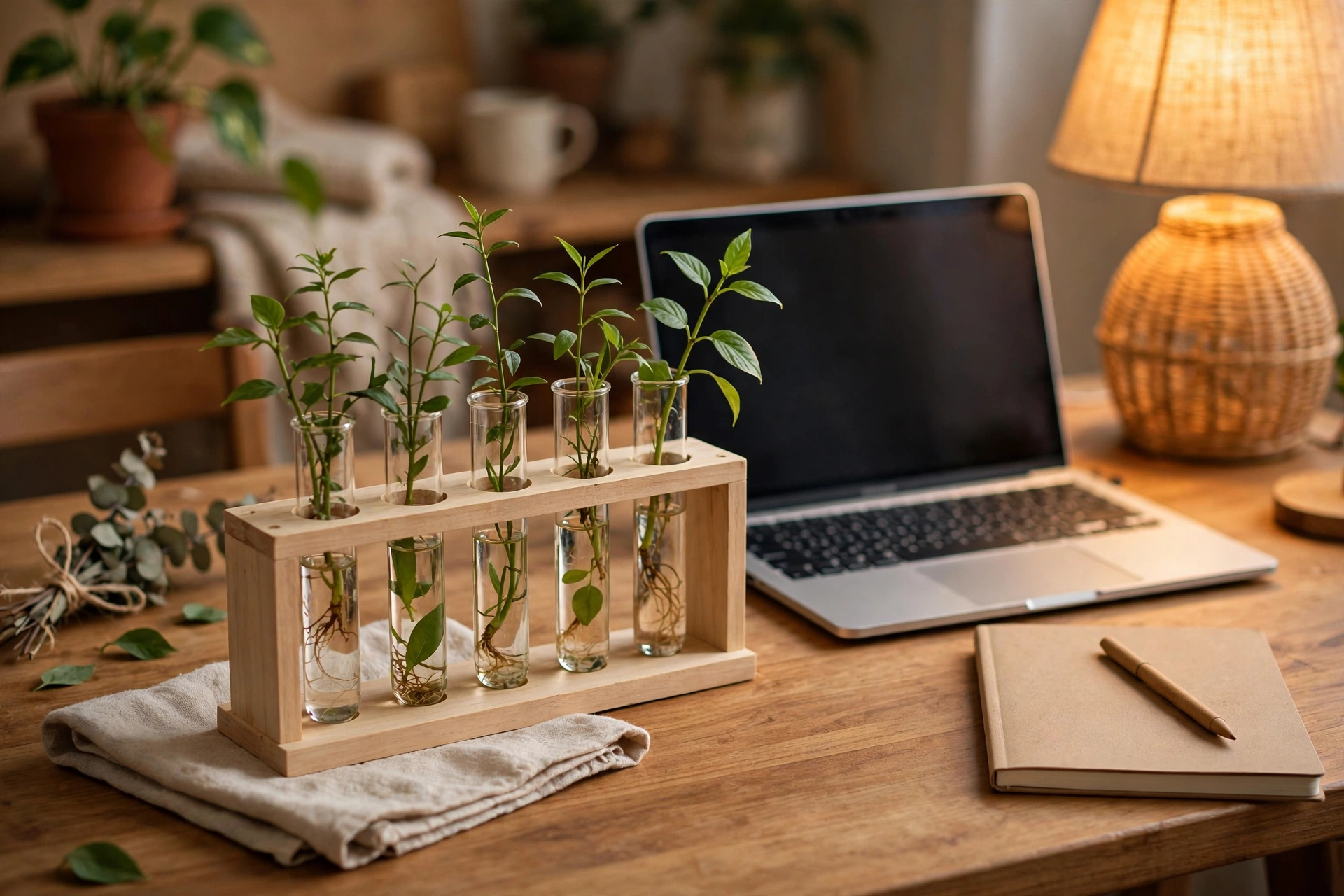
The home office desk. This is the sleeper hit. A five-tube station next to your laptop does something real to a workday. Looking at green things during breaks lowers stress, and there is decent research behind that. Plus, on video calls, it reads as a person who has their life together, which is half the battle.
The bathroom. Bathrooms with windows are propagation paradise. Warmth plus humidity plus indirect light. Pothos cuttings root faster in there than anywhere else in the house, and the station handles the moisture beautifully because the wood is sealed and only the tubes hold water.
What to Look for When You Buy One
Not all stations are equal, and the differences matter more than the listings suggest. First, check the tube size. Narrow test tubes work for pothos and philodendron, but if you ever want to propagate something chunkier, like a monstera cutting, you will want wider vials. Second, look for a stand where the tubes lift out easily. If you have to wrestle the glass out to change the water, you will stop changing the water, and then you get algae.
Third, and this is the craft nerd talking, look at the wood finish. A station finished with natural oil is safer around water than raw wood, and it ages better. Reclaimed wood versions develop a lovely patina. Whatever you buy, keep the wood dry, wipe splashes, and it will last for years. The glass tubes themselves basically last forever.
And honestly, consider the gift angle. At thirty-some dollars, with free shipping, a wooden propagation station is one of the best gifts in the handmade universe for the plant person in your life. It is personal without being risky, it is affordable, and it comes with a built-in activity. Wrap one with a pair of scissors and a little card that says “steal a cutting from my pothos anytime” and you have a gift people actually remember.
One Weekend Project: Build Your Nursery
Here is the whole thing as a Sunday plan. It takes about forty minutes, most of which is admiring your mother plant.
Step one: pick your mother plant and take five cuttings, one per tube. Clean scissors, cut below the node, leaves out of the water.
Step two: fill each tube with room-temperature water and set them in the wooden stand. Room temperature matters. Cold water straight from the tap shocks fresh cuttings.
Step three: put the station where you will actually see it. This sounds obvious and it is the step everyone skips. A station hidden in a dark corner fails because you forget the water. A station on your desk or windowsill gets checked, refilled, and fussed over, which is the whole point.
Step four: wait, and enjoy the waiting. Check roots every few days. Change the water weekly. In a month, decide which cuttings become soil plants and which stay in the display. Either way, you now have five free plants and a wooden object on your shelf that quietly produces more of them forever.
The Bottom Line
Home decor trends come and go, but the wooden propagation station earns its popularity for reasons that have nothing to do with trends. It is cheap. It is handmade. It looks wonderful on a windowsill. And it turns the plants you already own into more plants, which is about as close to magic as furniture gets.
If your house has a leggy pothos and a sunny windowsill, you are already halfway there. The other half is a thirty-three-dollar wooden stand with five glass tubes, and a Sunday afternoon you were going to spend scrolling anyway.
Love handmade wooden pieces like this? Browse more ideas on our Pinterest board “Handcrafted Wooden Treasures” for daily handmade wood decor finds, and check out our guide to handmade wood and epoxy resin coasters or this handmade wooden blanket ladder that tames throw blanket chaos. Happy propagating.
Pingback: Mid-Century Starburst Mirror Review: Wooden Rays Worth $175?