Your Couch Is Not a Blanket Shelf: Why a Handmade Wooden Blanket Ladder Is the Coziest Fix for Throw Blanket Chaos
Be honest. How many throw blankets are living on your couch right now?
Mine hit four last winter, and that was before my mother-in-law added a fifth “just because the color was nice.” They draped over the armrest, they slid onto the floor, they ended up in a sad heap behind the cushions where the remote goes to die. Folding them felt pointless because someone would unfold the whole stack within an hour. It looked less like a living room and more like a laundry explosion.
Then I saw a blanket ladder in a friend’s house, and I finally understood what all the fuss was about. One simple wooden frame leaning against the wall, and suddenly every throw had a home. The room looked calmer. Cozier, even. I stood there staring at it like it was some kind of furniture wizardry, and honestly, it kind of was.
So let’s talk about the handmade wooden blanket ladder: what it is, why it’s suddenly everywhere in 2026, which one is actually worth your money, and how to style one so it looks like a Pinterest board instead of a garage project.
The Throw Blanket Problem Nobody Talks About
Here’s the thing about throw blankets. They multiply. You buy one because your living room needs “texture.” Someone gifts you one for Christmas. You grab one on sale because it was 40 percent off and the knit looked amazing. Before you know it, you’re the proud owner of a small blanket empire with zero infrastructure to support it.
The usual storage options are all flawed. The couch armrest becomes a slipping, sliding mess. A basket works until the basket is full, and then you need a second basket, and now your corner looks like a hamper convention. An ottoman with storage is great until you realize you have to move the coffee table, lift the lid, and dig through six layers to find the one blanket you actually wanted.

A blanket ladder solves the actual problem: it gives every blanket a visible, grabbable home without hiding them away. You see your collection, you grab the one you want, you drape it back when you’re done. Five seconds, no digging. And because the blankets themselves become the decoration, your wall goes from blank to beautiful with zero styling effort.
What a Blanket Ladder Actually Is (And What It Isn’t)
A blanket ladder is exactly what it sounds like: a ladder-shaped frame, usually wood, that leans against your wall at a slight angle. It has rungs, typically four to seven, and you drape blankets, quilts, or towels over them. That’s the whole concept. No hardware, no wall mounting, no assembly degree required.
What it isn’t: a climbing ladder. Every honest seller will tell you this, and the good ones put it in writing. These are decorative pieces built for fabric, not for people. Don’t climb on one, don’t let the kids swing from it, and if you’ve got a rambunctious dog, consider the anti-tip brackets some makers offer. Common sense, but worth saying out loud.
The best ones are handmade from solid hardwood, not the hollow big-box version that wobbles if you look at it funny. There’s a world of difference between a mass-produced pine rack with visible staples and a hand-finished oak ladder with real joinery. You’ll feel it the second you pick one up. Solid wood has a weight and a warmth that the cheap stuff just can’t fake.
Why Blanket Ladders Are Everywhere in 2026
This isn’t a fad that appeared out of nowhere. The blanket ladder sits right at the intersection of three trends that have been building for years.
First, the farmhouse and rustic decor wave never really left. It just grew up. The 2026 version is less “live laugh love” signs and more honest materials: real wood, natural textures, pieces that look like a person made them. Trend roundups for 2026 keep putting handcrafted wooden pieces and personalized home goods near the top of Etsy’s best sellers, and blanket ladders ride that wave perfectly.
Second, we’re all drowning in stuff and craving calm. A ladder takes a vertical slice of wall, maybe two feet wide, and organizes what used to be chaos. Small-space living made vertical storage a necessity, and the blanket ladder is the prettiest version of it.
Third, gift season is coming. A quick scroll through blanket ladder reviews shows a pattern: a huge chunk of them are bought as Christmas and housewarming gifts. People mention ordering them in October and November specifically. If you’re reading this in fall 2026, congratulations, you’re right on schedule.
The One I’d Buy: A Solid Oak Beauty From an Etsy Star Seller
After comparing a dozen listings, one kept standing out: the Handmade Solid Oak Blanket Ladder from a shop called TheWayWoodworking on Etsy.
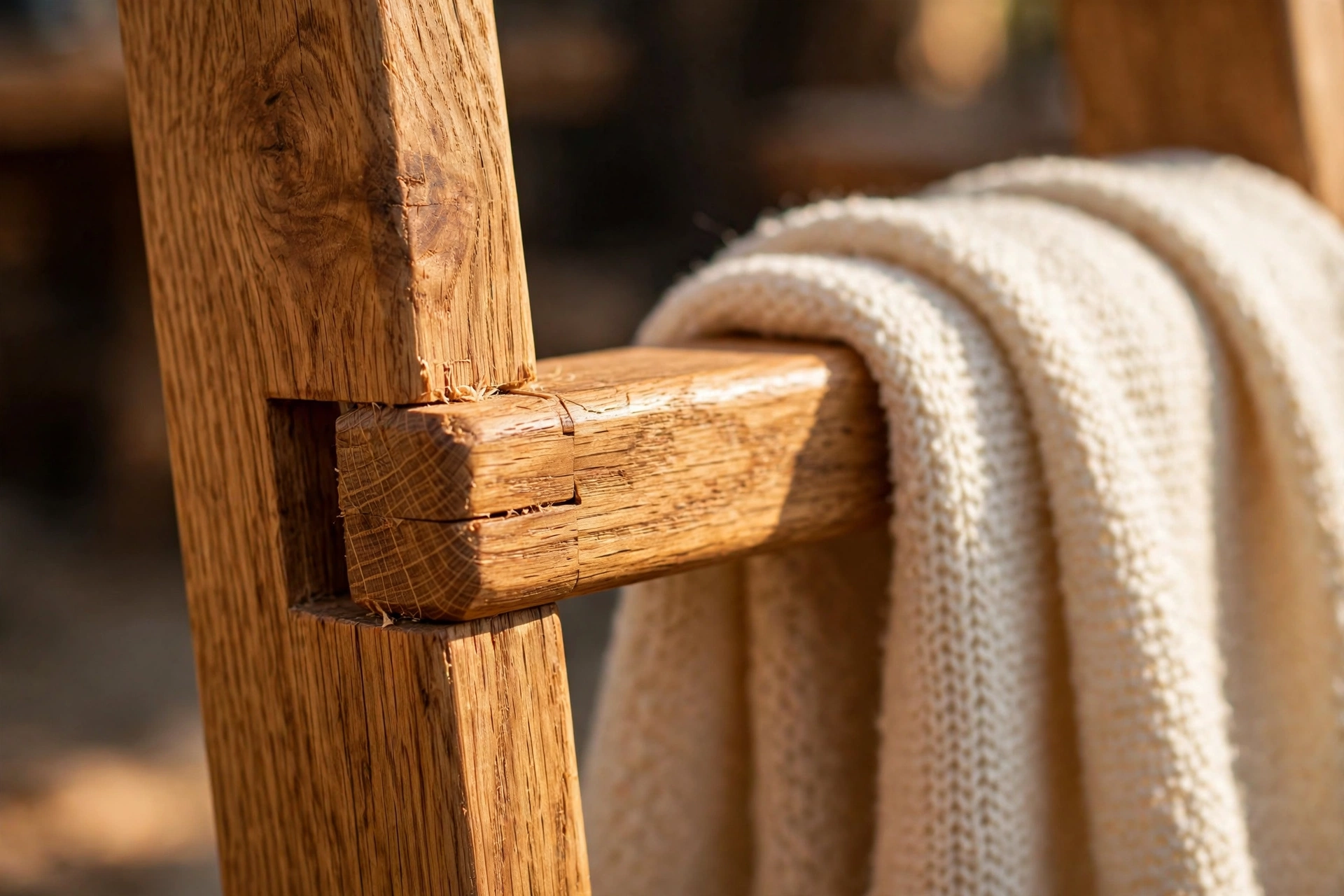
Here’s why it won me over. It’s made from furniture-grade solid oak, not pine, not MDF, not “wood composite” (which is marketing speak for sawdust and glue). It stands 72 inches tall with five rungs, tapering from 25 inches wide at the bottom to 21 at the top, which is that classic farmhouse apple-ladder silhouette that looks right in almost any room. The rungs are set with real mortise and tenon joinery, the kind of woodworking that holds furniture together for generations without a single screw showing.
The finish is hand-rubbed oil, and the seller actually lets it cure before shipping so nothing transfers onto your blankets. That’s a small detail that tells you a lot. Anyone can slap stain on a board and ship it wet. Curing takes patience, and patience is what you’re paying for with handmade.
The numbers back it up. The shop holds Etsy Star Seller status with a 5 out of 5 star rating, and the ladder sells for $245. That’s not the cheapest option out there, and it’s not trying to be. For context, budget versions run $60 to $110, but they’re typically pine, often shipped flat with basic hardware, and they look it. The oak ladder is a buy-it-once piece. Custom sizes are available too, which matters if you’ve got a weird corner or low ceilings.
One honest caveat: at this price, measure your space first. Seventy-two inches is tall. It needs a wall with real clearance, and it leans, so give it about 8 to 10 inches of floor depth. In a tiny apartment hallway, this specific one might be too much ladder. The good news is that smaller versions exist from the same style of makers, usually 48 inches with four rungs.
Blanket Ladder vs. Basket vs. Ottoman: An Honest Comparison
Let’s put the options head to head, because “just buy the ladder” is only useful advice if it’s actually the best answer for you.
The basket is the cheapest fix, usually $25 to $60 for a nice woven one. It hides the mess completely, which is its superpower and its weakness. Out of sight means out of mind, so your favorite blanket ends up at the bottom under three you forgot you owned. Baskets also fill up fast. Two chunky knits and it’s done.
The storage ottoman doubles as seating or a footrest, which is genuinely useful. But capacity is limited, access is annoying (lift the lid, dig, re-stack), and a decent one costs $80 to $200. It’s the most expensive way to store blankets you can’t see.
The blanket ladder wins on access and display. Every blanket is visible and reachable in one motion. It uses vertical space instead of floor space, so the footprint is tiny. The trade-off is that it doesn’t hide anything, so your blankets need to be presentable. If your collection is three free airline blankets and a fleece with a coffee stain, maybe start with the basket.
My take: if you actually like your blankets and want to use them daily, the ladder wins. If you want clutter invisible, get the ottoman. Most cozy homes end up with both, which tells you something.
7 Cozy Ways to Style a Blanket Ladder in Your Home
This is the fun part. A ladder is basically a blank canvas that changes with the seasons, and that’s why it photographs so well.
1. The living room classic
Lean it against the wall next to the couch or fireplace. Drape your three best-looking throws, fold them in thirds so the edges hang evenly. Add a small basket at the base for the extras. Done. This is the look that sells the whole concept.
2. The bathroom spa trick
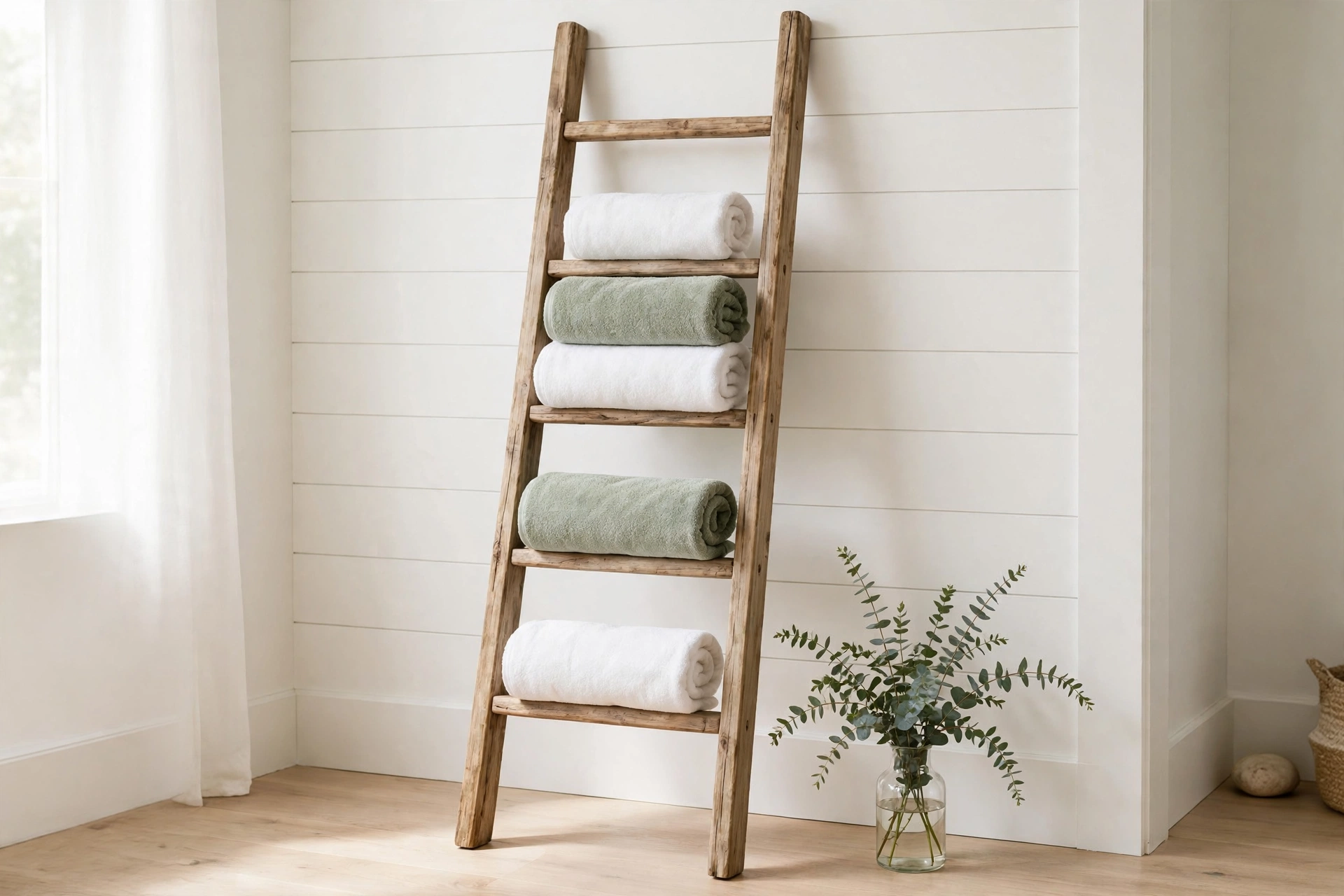
Roll white and sage towels instead of folding them, and stack the rolls across the rungs. Add a sprig of eucalyptus in a vase at the base. Suddenly your bathroom looks like a boutique hotel. This works especially well in small bathrooms where a towel rack would eat wall space.
3. The bedroom corner
Park it next to the bed with your quilt and two seasonal throws. In summer, load it with light cotton throws. In winter, swap in the heavy knits. It becomes a visual calendar of the seasons, and guests always comment on it.
4. The nursery
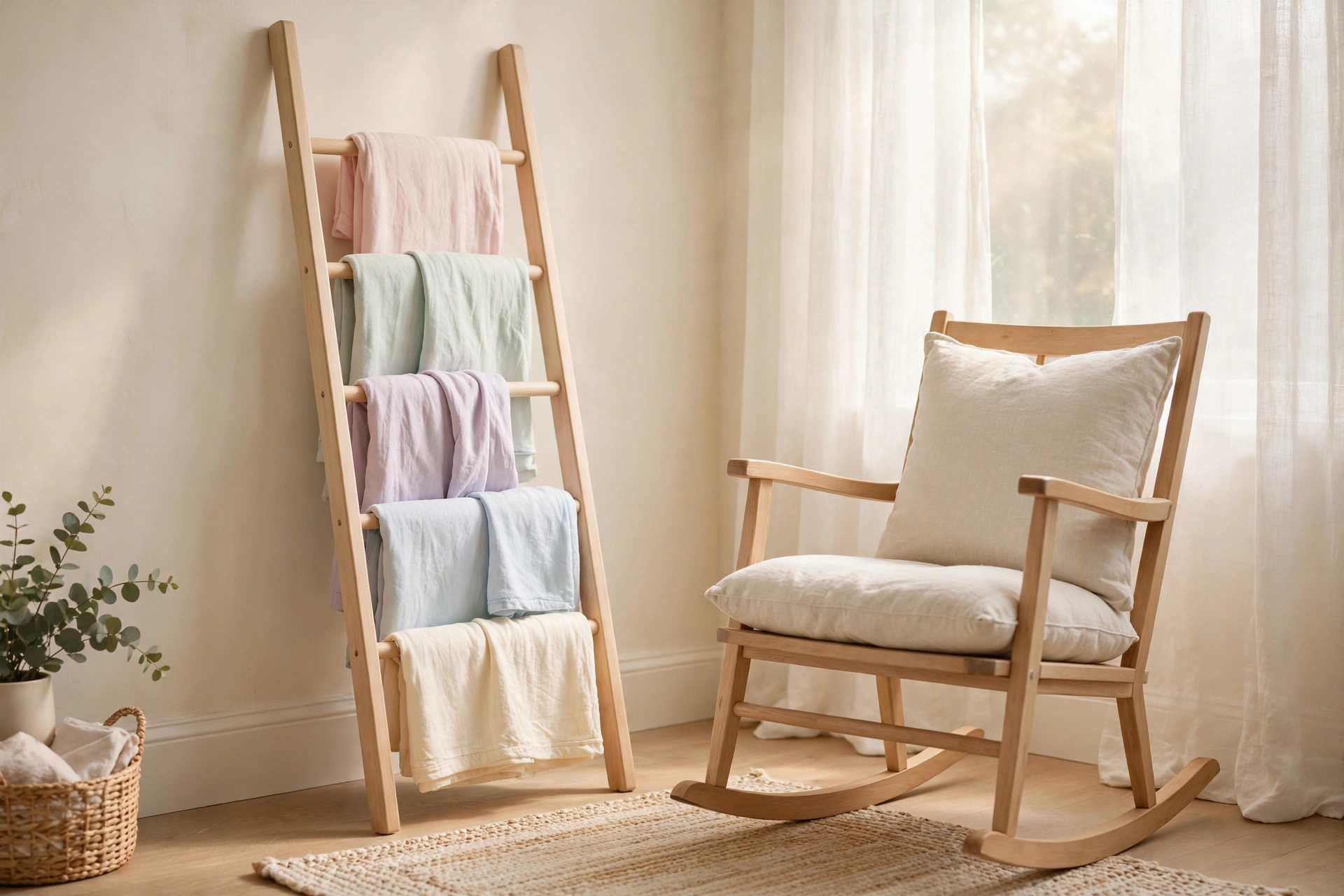
A smaller ladder in a nursery holding folded baby blankets is both practical and adorable. Everything is within arm’s reach during those 3 a.m. feeds, and it looks a hundred times better than a plastic bin.
5. The reading nook
Tuck a ladder into your reading corner with one heavy throw and one light one. Pair it with a floor lamp and a side table, and you’ve built the coziest square foot in your house. Bonus: it gives the nook that finished, intentional look with almost no effort.
6. The seasonal swap
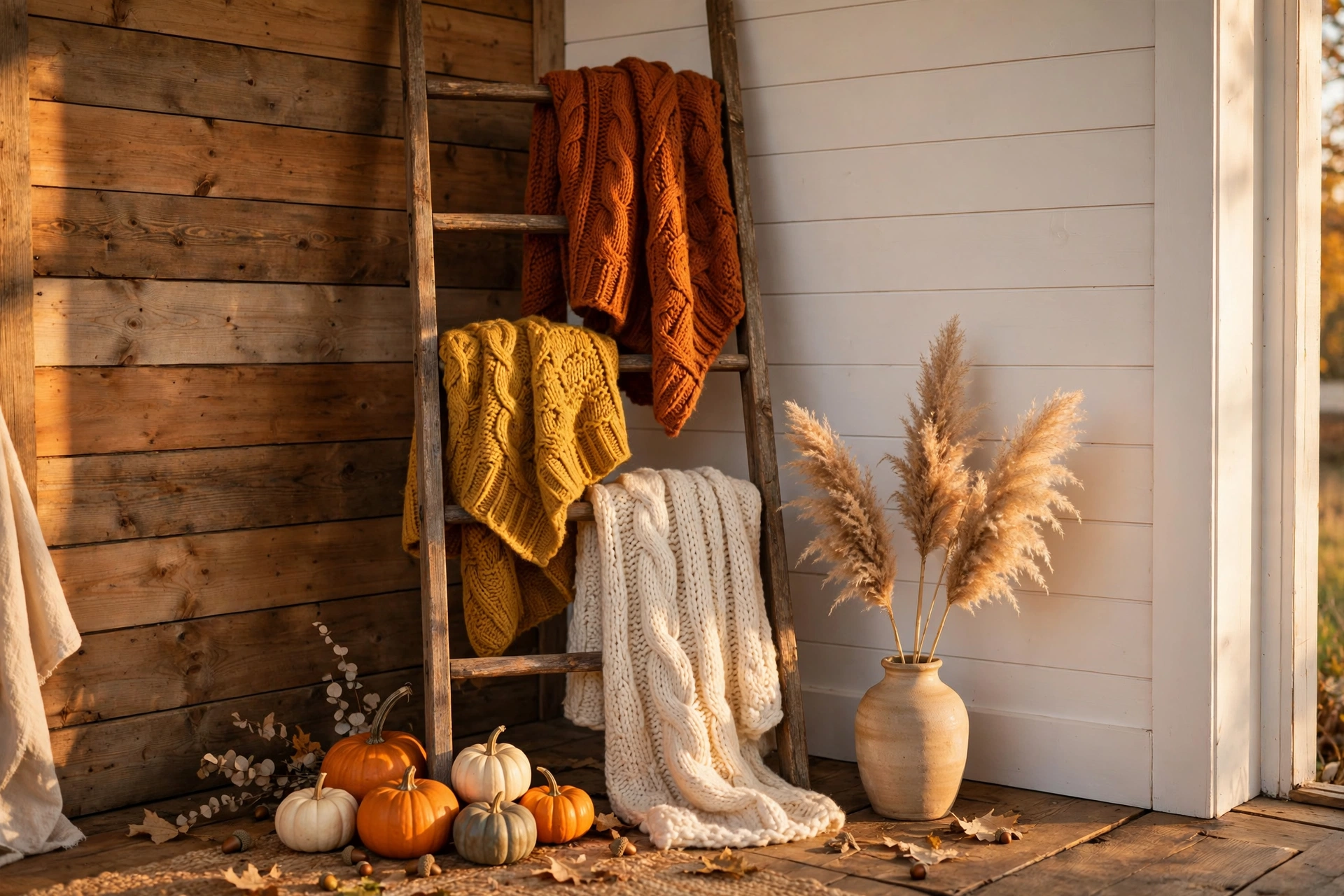
This is the ladder’s secret weapon. Come October, load it with burnt orange, mustard, and cream knits, and set a few pumpkins at the base. In December, swap in plaids and hang a string of fairy lights along one side. The ladder stays the same; the vibe changes completely. It’s the cheapest seasonal redecoration you’ll ever do.
7. The entryway
A narrow ladder by the front door holds scarves in winter and light shawls in summer. It catches the “where do I put this” clutter that usually ends up on the coat rack floor. Just keep it clear of the door swing.
What to Check Before You Buy One
Not all blanket ladders are created equal, and the price spread is huge. Here’s what actually matters.
Wood type. Oak, walnut, and ash are hardwoods: heavier, more durable, better looking with age. Pine is softer and cheaper, and it dents if you breathe on it wrong. For a piece you’ll touch daily, hardwood is worth the premium.
Joinery. Mortise and tenon or dowel joints mean the rungs are locked into the rails. Screws and brackets work but loosen over time, especially with the daily on-off of blankets. If the listing doesn’t mention the joinery, ask.
Finish. Look for hand-rubbed oil, hardwax oil, or a proper cured stain. Avoid anything that smells strongly chemical when it arrives, and be wary of “painted” ladders from unknown sellers, since cheap paint chips fast on high-touch furniture.
Size. Standard is 60 to 72 inches tall and 18 to 25 inches wide. Measure your wall, then measure again. Remember it leans, so it needs floor depth too. Low ceilings or tight corners call for a 48-inch version.
Safety. Reputable sellers state clearly that ladders are decorative and not for climbing. If a listing doesn’t say that, that’s a red flag, not a bonus. For homes with toddlers or big dogs, ask about anti-tip brackets.
Seller reputation. On marketplaces like Etsy, Star Seller status and a long history of 5-star reviews are the closest thing to a guarantee you’ll get. Read the 3-star reviews too, since those are where the honest complaints live.
Keeping Solid Wood Beautiful: A Two-Minute Ritual
Solid wood asks for almost nothing, but it appreciates a little attention once or twice a year. Wipe the ladder down with a dry cloth to remove dust. If the finish looks dry or dull, rub in a thin coat of food-safe mineral oil or a beeswax-based wood conditioner with a soft cloth, let it sit for twenty minutes, then buff off the excess.
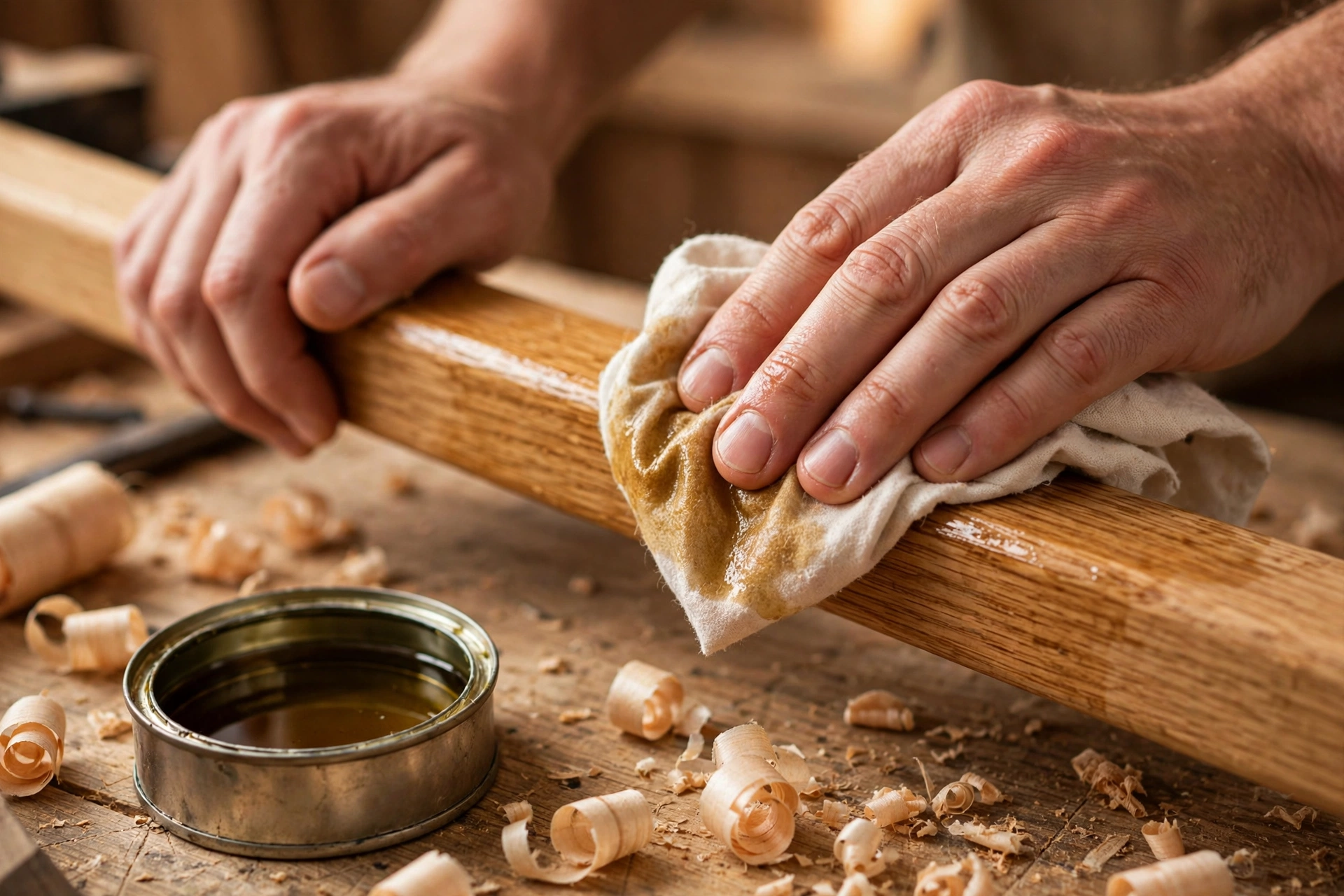
That’s it. Two minutes, twice a year, and an oak ladder will outlive your couch. Keep it out of direct blasting sunlight and away from heating vents, since extreme dryness is wood’s real enemy. And if you spill coffee on it (it happens), wipe it immediately. Oil finishes forgive a lot, but they’re not waterproof.
Where to Find a Genuinely Good One
Etsy remains the best hunting ground for handmade blanket ladders, because that’s where the actual woodworkers sell. Search for “solid oak blanket ladder” or “handmade blanket ladder” and filter by Star Seller. The standout I found, the handmade solid oak 5-rung ladder from TheWayWoodworking, runs $245 with a 5-star rating and Star Seller status, which is about as trustworthy as online furniture shopping gets.
Budget hunters can find decent pine versions from $60 to $110, and UK buyers have solid options like the rustic reclaimed-pine ladders with free delivery. Just calibrate your expectations: at that price you’re getting pine, simpler joinery, and a finish that may need a refresh sooner.
Whatever you choose, buy from someone who tells you what wood it is, how it’s joined, and how it’s finished. If a seller can’t answer those three questions, keep scrolling. Your blankets deserve better.
Quick Answers Before You Ask
Do blanket ladders damage walls? Barely. They lean at a gentle angle, and most people add small felt pads where the rails touch the wall. No screws, no holes, which makes them renter-friendly.
How many blankets fit on one? A five-rung ladder comfortably holds five to seven throws, depending on thickness. Chunky knits take more room than thin cotton throws. Fold in thirds for the neatest look.
Can I make one myself? Absolutely, it’s a popular beginner woodworking project. Two rails, five rungs, some sanding and oil. But by the time you buy decent oak boards, the tools, and the finish, a $245 handmade one starts looking like a bargain. Your call on whether the weekend is worth it.
Are they just a trend? They’ve been selling steadily for the better part of a decade, and the 2026 handmade decor wave is only pushing them further. Trends come and go, but “a nice wooden thing that holds blankets” is pretty timeless.
The Bottom Line
A handmade wooden blanket ladder is one of those rare purchases that solves a real daily annoyance and makes your home look better at the same time. No renovation, no drilling, no styling degree. Just a beautiful piece of wood, your favorite blankets, and a wall that finally pulls its weight.
If your couch is currently doing blanket storage duty, it will thank you. And honestly? So will you, the first cold evening you grab a throw without unearthing the remote, three magazines, and a blanket you forgot you owned.
Love cozy handmade wood pieces? We cover them every week. Check out our guide to handmade wood and epoxy resin coasters that protect your coffee table in style, and don’t miss these book-shaped acacia cutting boards that look like a tiny library for your kitchen. And if this ladder caught your eye, save the pin below so you can find it when you’re ready to shop.