The Door to Hell Is Dying: Turkmenistan’s Burning Crater and Your Last Chance to See It
Some places you visit for the view. This one you visit because it might not be there much longer.
Out in the middle of Turkmenistan’s Karakum Desert, about a four-hour bone-rattling drive from the capital Ashgabat, the ground has been on fire for as long as anyone can remember. Locals call it the Door to Hell. Tourists call it the single strangest thing they have ever seen. And according to brand-new 2026 satellite research, both the flames and the famous story behind them are crumbling.
The fire is fading. The government wants it out. And the legend everyone repeats about how it started? Scientists now say it is probably wrong.
If this place has been sitting on your bucket list, consider this your wake-up call. The Door to Hell is dying, and nobody knows exactly how long it has left.
What the Door to Hell Actually Is
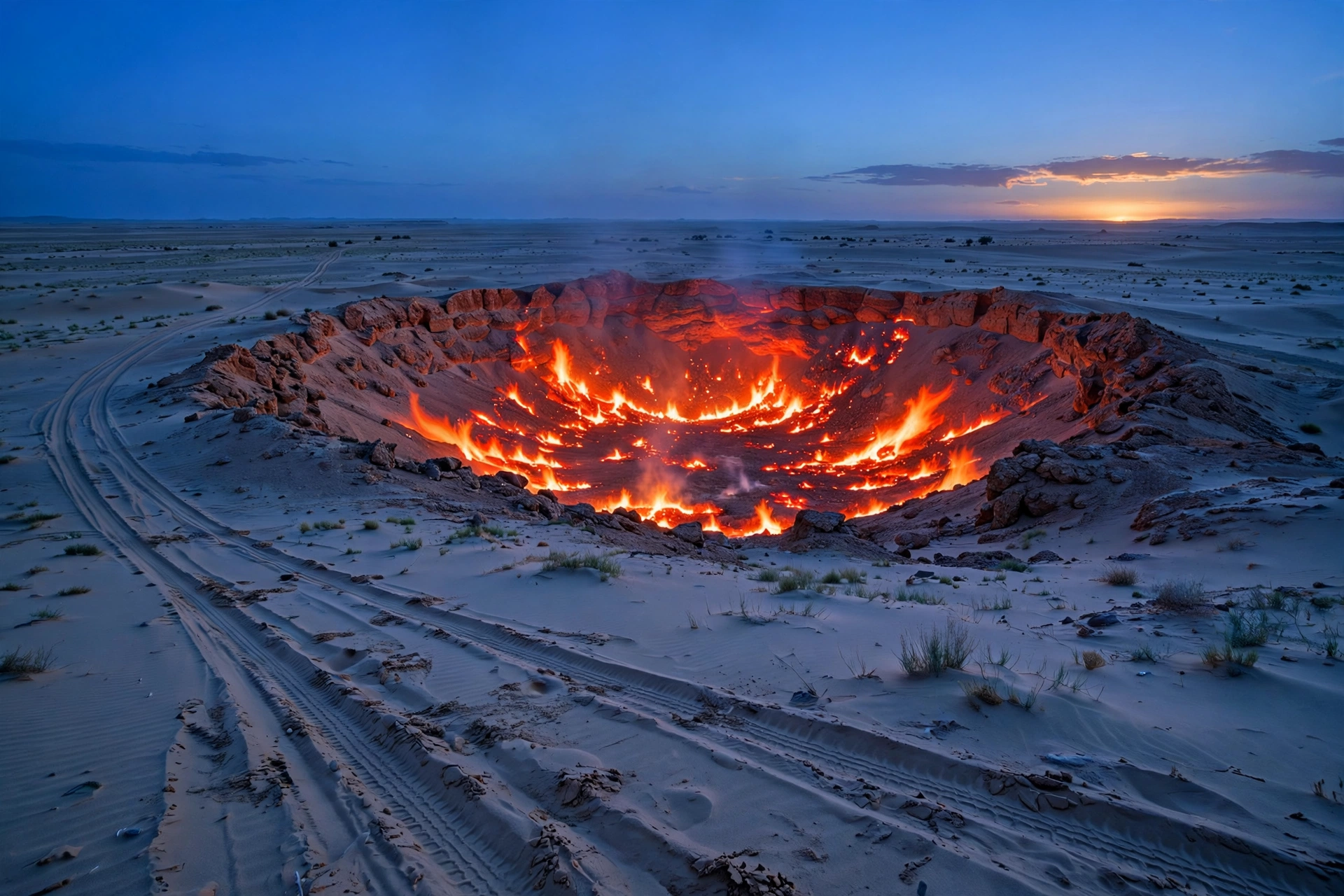
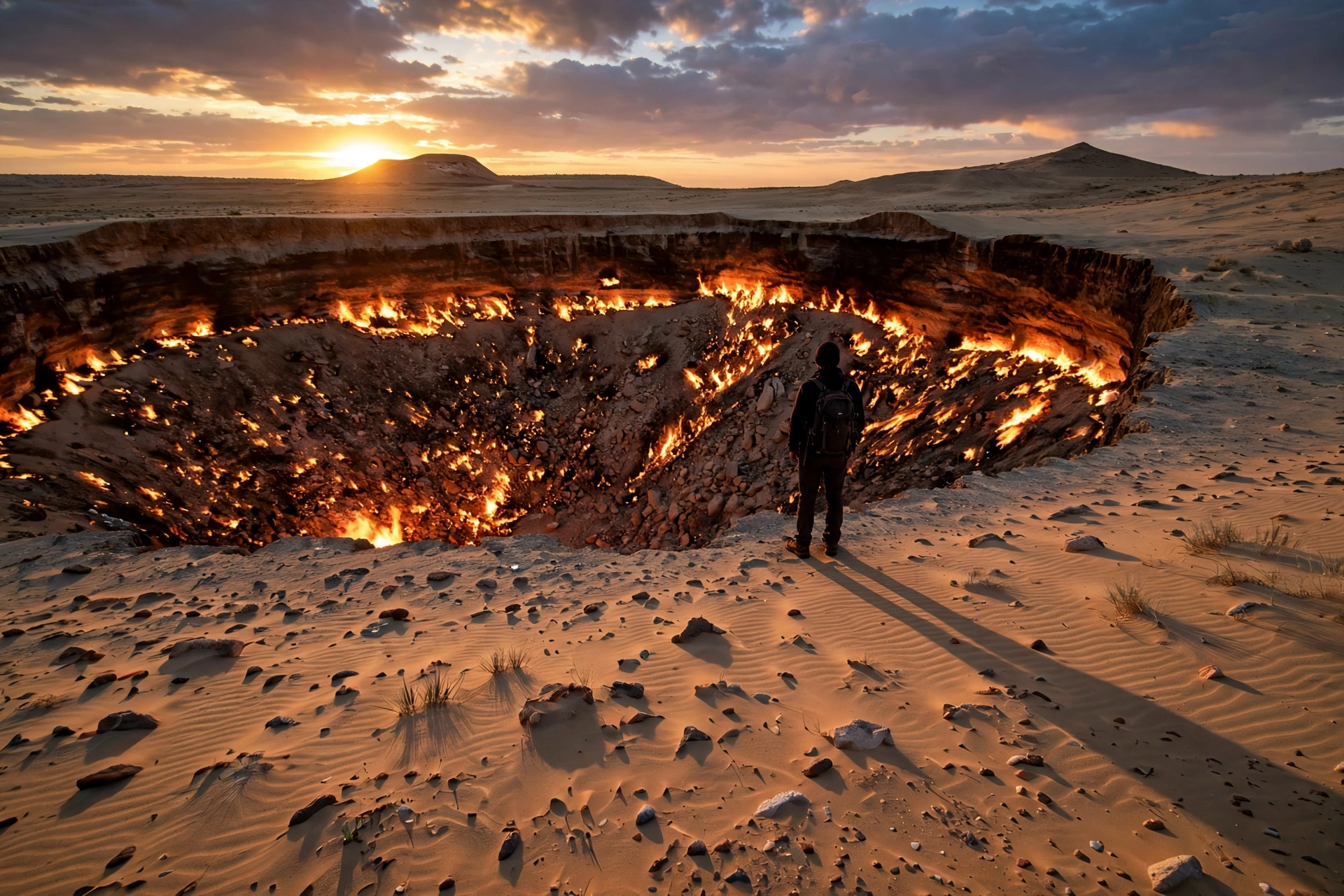
The Darvaza gas crater sits roughly 260 kilometers north of Ashgabat in one of the emptiest corners of Central Asia. It is about 70 meters wide and 30 meters deep, a collapsed pit in the desert floor with hundreds of natural gas vents burning across its rocky walls and floor. From a distance at night, the whole thing glows orange against the black desert like a wound in the earth.
The story you have heard goes like this: in 1971, Soviet geologists drilling for gas collapsed an underground chamber, the ground caved in, and to stop poisonous fumes from spreading they set the leaking methane on fire. They figured it would burn out in a few weeks. It never did.
It is a great story. It is also, according to a 2026 study published on EarthArXiv by Valverde and colleagues, probably not true. The researchers dug through Landsat satellite images going back decades. Their finding: the crater was already photographed by Landsat in October 1972, and thermal imagery from 1984 shows no fire there at all. The last image without flames is dated September 20, 1987. The first image with them is February 27, 1988. In other words, sustained burning likely started around 1987 or 1988, not 1971. For at least fifteen years before that, the methane just leaked quietly into the desert air.
That does not make the place any less spectacular. But it does mean the legend you read on every travel blog is off by nearly two decades.
The Fire Is Going Out, and It Is Not an Accident
Here is the part that should make you book a trip sooner rather than later. The flames are shrinking, and Turkmenistan’s government is doing it on purpose.
In 2022, President Serdar Berdymukhamedov ordered officials to find a solution to the decades-long burn, calling it a waste of valuable natural gas and an environmental problem. Turkmenistan sits on some of the largest gas reserves on the planet, and a crater that has been torching free fuel for decades looks bad on a balance sheet.
The fix was practical: state energy company Turkmengaz reopened several mothballed gas wells around the crater to siphon gas pressure away from it. And it is working. At an international hydrocarbon conference in Ashgabat in June 2025, Turkmengaz official Irina Luryeva announced the fire had been reduced nearly threefold. The glow that once could be seen for miles across the desert, she said, can now only be seen up close.
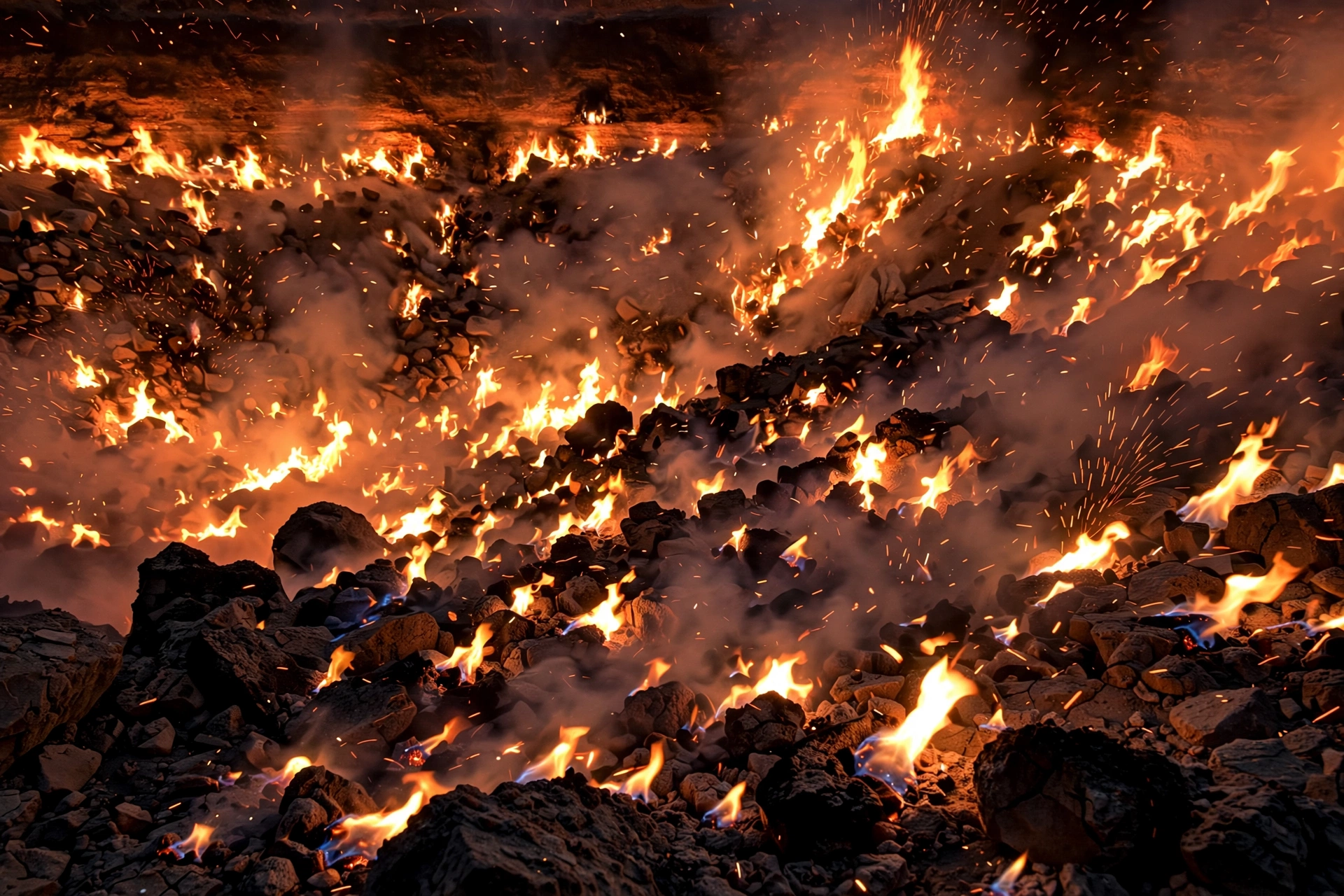
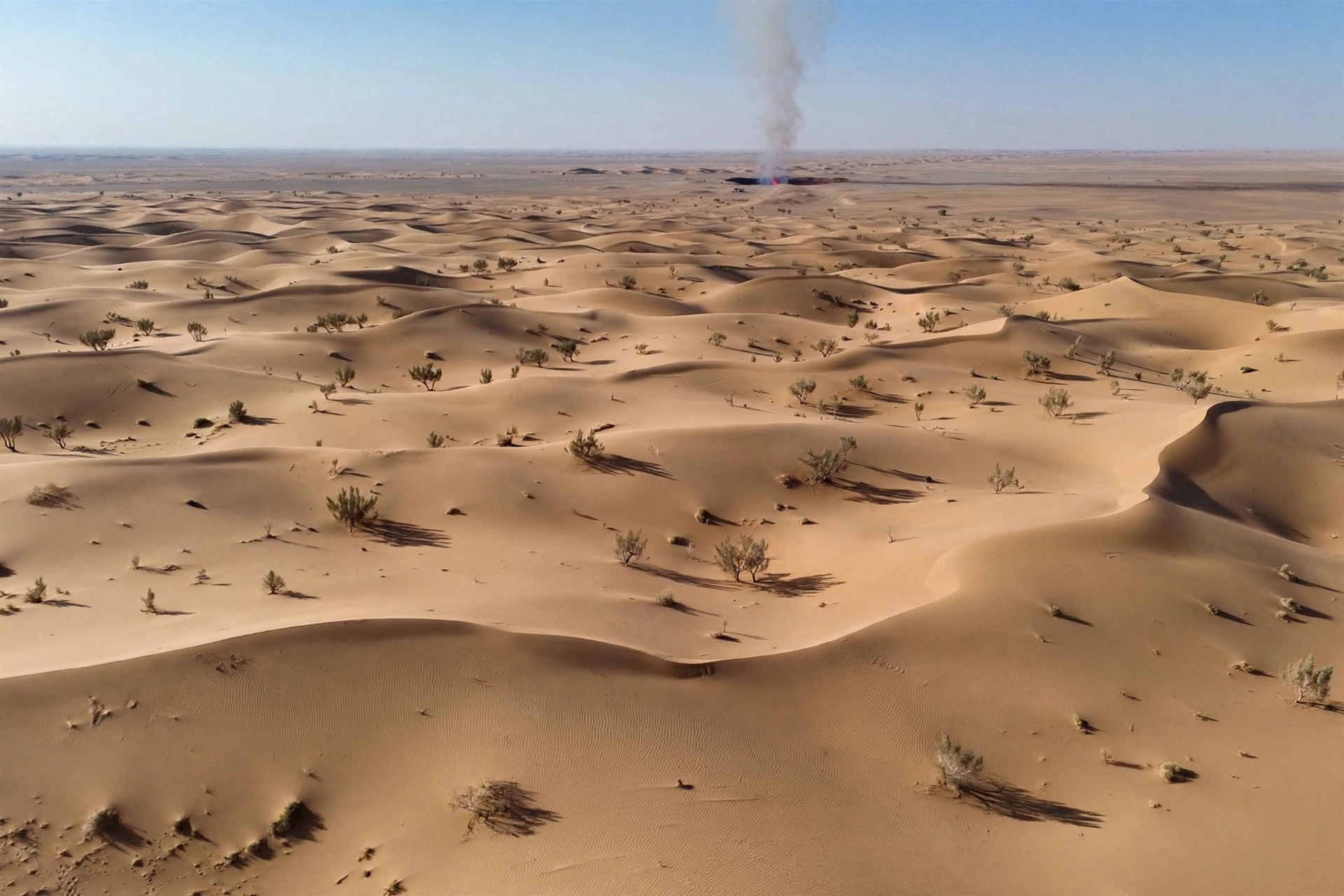
Visitors have noticed. AFP journalists described the crater as a charred pit with only scattered pockets of small flame, leaving some tourists underwhelmed. TripAdvisor reviews from 2026 mention guides admitting the fire has partially gone out since their last visit. The VIIRS satellite heat readings tell the same story: thermal output has fallen by roughly three quarters since 2012, and infrared imagery from early 2026 confirms the decline is continuing.
One sobering detail from that 2026 satellite study: the wells cut the gas that burns, but not the gas that escapes. Between 2020 and 2025, researchers counted 44 methane plumes rising from the crater, some up to 3.2 tonnes an hour, with no link between the shrinking flames and the leaking methane. So the spectacle is dying while the environmental problem quietly continues.
Why You Should Go Now, Not Later
Let us be honest. Travel is full of “go before it disappears” hype, and half of it is marketing. This is the other half.
Darvaza is a genuinely one-of-a-kind sight. There are other gas craters in the world, but there is no other place where you can stand at the edge of a 70-meter pit of open flame in the middle of a silent desert at midnight, feeling the heat on your face while the sky above you is full of stars. Photographers lose their minds here. Night-owl travelers talk about it for years.
And now it comes with an expiration date nobody can print on a ticket. The fire that reduced threefold in a few years could be gone in a few more. Turkmengaz is not done drilling. When the flames go out, what remains will be an interesting geological hole in the desert, but the Door to Hell, the actual blazing spectacle, will be over.
The problem this solves, if you want to think of it that way: most bucket lists are vague. “See something unbelievable” is not a plan. Darvaza is a specific, achievable, time-limited plan. It gives your travel daydream a deadline, a route, and a price tag. That is what turns a someday trip into a booked flight.
How to Get There: The Practical Stuff
Turkmenistan is one of the least-visited countries on Earth, and getting in is the hardest part of the trip. Almost every nationality needs a visa, and independent travel is generally not allowed. You will need to go through an approved local tour operator, and most Darvaza trips are sold as overnight packages from Ashgabat.
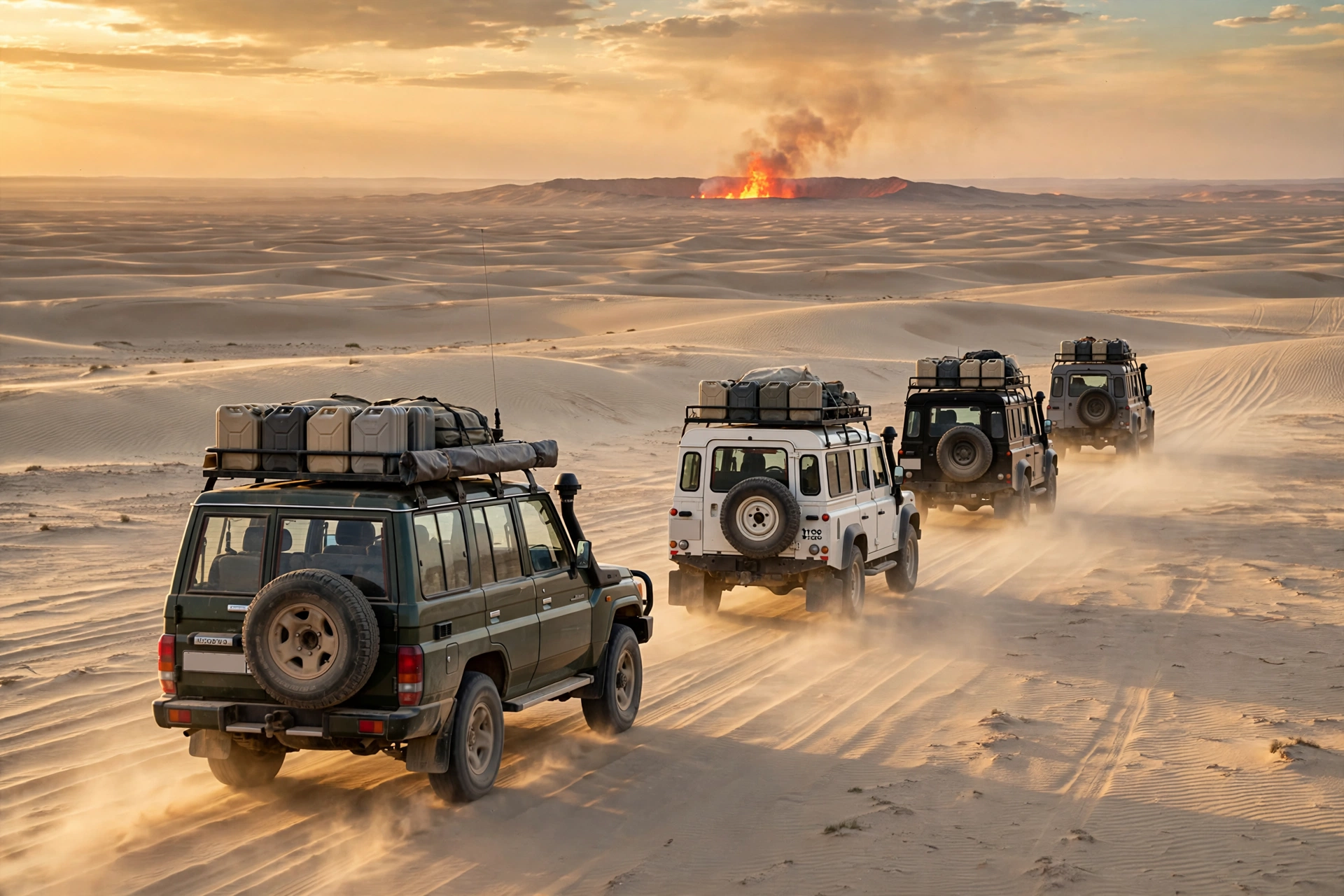
The drive itself is part of the adventure. It is about four hours from Ashgabat, mostly over rough desert tracks with no paved roads for long stretches. You need a 4×4, a driver who knows the desert, and a healthy tolerance for bumps. Bring snacks, water, and patience.
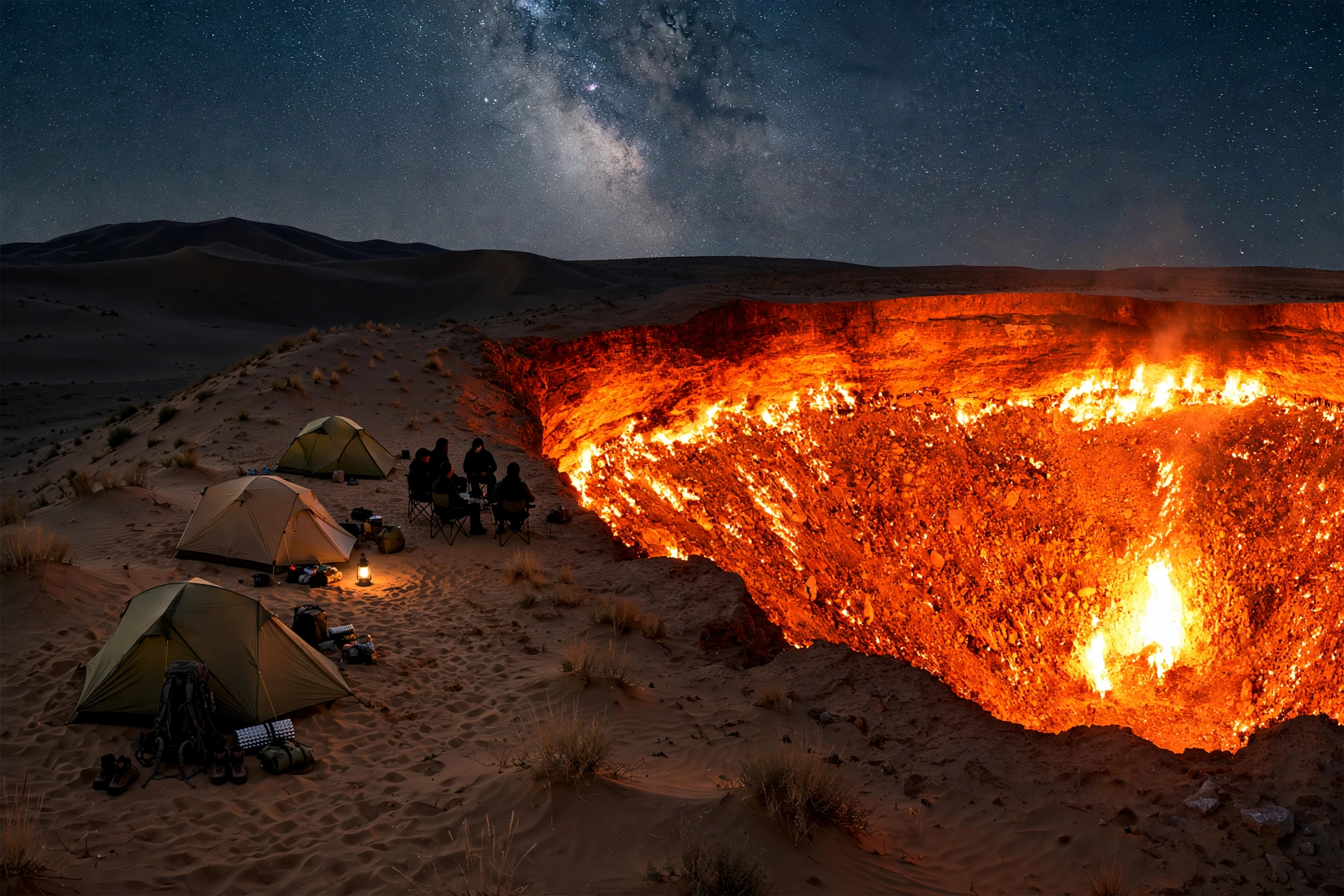
Most tours leave Ashgabat in the afternoon so you arrive before sunset, watch the light change, then experience the crater in full darkness when it looks its best. Many packages include camping near the rim. Yes, you can sleep a few hundred meters from a pit of eternal flame. It is as surreal as it sounds.
When to go
April and October are the sweet spots, mild temperatures and clear desert skies. Summer is genuinely dangerous: air temperatures climb past 50 degrees Celsius, ground temperatures near the crater can reach 80 degrees, and the crater’s own heat turns the visit into an endurance test. Winter nights in the desert get brutally cold, which makes camping miserable unless you are well equipped.
October is also when the night sky is at its best for photography, long dark hours and crisp air. If you are going in 2026 or 2027, aim for autumn.
What it costs
Tour prices vary by operator and group size, but an overnight Darvaza trip from Ashgabat typically runs in the low hundreds of US dollars per person, including transport, guide, dinner, breakfast, and camping gear. The visa process adds cost and paperwork on top. Budget travelers can sometimes join group departures to split the 4×4 costs.
It is not a cheap day trip, but for what it is, a burning crater in one of the world’s most closed-off countries, the price is reasonable.
What It Is Actually Like to Stand There
During the day, Darvaza looks almost disappointing. It is a charred pit in an empty desert, and in bright sunlight you can see how much of the flame has faded. Some visitors arrive at noon and wonder what the fuss is about.
Then the sun goes down, and everything changes.
As darkness settles over the Karakum, the remaining flames come alive. The orange glow spreads across the crater walls. Heat shimmers rise from hundreds of vents. Sparks drift upward into a sky so dark the Milky Way looks close enough to touch. The desert goes completely silent except for the low roar of burning gas.
There are no fences, no guardrails, no gift shops, no rope barriers. The rim drops sharply, the soil is loose, and the heat plus the darkness can genuinely disorient you. This is not a sanitized attraction. It is a hole full of fire in the middle of nowhere, and it demands your respect. Stay back from the edge, watch your footing, and do not wander off into the desert at night.
Camping there is the move. After the day-trippers leave, the crater belongs to whoever stayed. Travelers describe sitting by their tents at 2 a.m., the whole desert lit orange, nobody else for kilometers in any direction. That is the experience you are paying for.
Safety: Read This Before You Go
Let us not romanticize this. Darvaza is objectively hazardous, and you should treat it that way.
The rim is unfenced and drops straight down. The soil around the edge is loose and crumbly. In the dark, with the fire messing with your depth perception, it is easy to get too close. Keep a wide margin, especially if you have been drinking. Every year brings stories of visitors who got uncomfortably close for a photo.
The heat is real even at a distance. Summer ground temperatures near the crater can hit 80 degrees Celsius. Wear closed shoes with thick soles, not sandals. Bring more water than you think you need. The nearest hospital is hours away in Ashgabat, so medical self-sufficiency matters.
Desert camping adds its own risks: scorpions, snakes, and extreme temperature swings. Your tour operator should handle the logistics, but check that they actually do. Ask what safety equipment they carry. A good operator will have a first aid kit, a satellite phone, and a driver who stays sober.
Getting the Visa (The Hard Part)
Turkmenistan’s visa regime is famously strict. Most travelers need a letter of invitation from a licensed Turkmen tour company before they can even apply. The process takes weeks and sometimes ends in rejection without explanation. Transit visas are easier but do not cover a Darvaza trip.
Your tour operator handles the invitation letter. Book with an established company that does this routinely, give them your details well in advance, and have a backup plan in case the visa does not come through. This is not a country you can wing.
If the visa feels like too much, Kyrgyzstan’s mountains offer a far easier Central Asian adventure, and our guides to Nepal’s Upper Mustang and China’s Zhangjiajie mountains cover remote high-altitude trips with simpler logistics.
Photography Tips for the Crater
Darvaza is a photographer’s dream, but it punishes unprepared shooters. The contrast between the blazing crater and the pitch-black desert is extreme, so your camera will struggle.
Bring a tripod. Long exposures at night capture the flames as rivers of orange against the stars, and without a tripod your shots will be mush. Shoot in RAW so you can pull detail out of both the fire and the shadows. The best compositions use a human silhouette at the rim for scale, which is exactly why you go with a group.
For the classic shot, arrive before sunset and stake out your position. As the light drops, the crater takes over. The half hour after sunset, when the sky still holds some blue, is pure magic.
What Else to See in Turkmenistan
Do not fly all the way to Turkmenistan for one crater. Ashgabat is one of the strangest capitals on Earth, a city of white marble monuments, empty eight-lane boulevards, and golden statues, including a famous one of a former president that rotates to face the sun. It is bizarre, spotless, and almost entirely devoid of crowds.
The Karakum Desert itself is worth a day or two. It covers most of the country, and the drive to Darvaza passes through landscapes that feel genuinely prehistoric. Wikipedia’s overview of the crater is a good starting point for the geology, and recent visitor reviews on TripAdvisor’s Darvaza page give you the unfiltered current state of the flames.
The Bottom Line
The Door to Hell was never supposed to exist. It was an accident, then a legend, then a tourist attraction, and now it is a countdown. The 2026 research rewrote its origin story and confirmed its decline in the same year. The flames that burned for decades could be gone within a few more.
Some trips can wait. This one probably cannot. If you have ever wanted to stand at the edge of something that should not exist, the time is now, while the fire is still there to see.
Found this guide useful? We are pinning our favorite shots and planning notes on The Cavee on Pinterest all week. Follow along for the full photo set, and read the full story here on thecavee.com before you book.
Frequently Asked Questions
Is the Door to Hell still burning in 2026?
Yes, but much less than before. Turkmengaz reports the fire has been reduced nearly threefold, and 2026 satellite data confirms the decline is continuing. Scattered flames remain, mostly visible up close or at night.
When will the Door to Hell go out?
Nobody knows exactly. The government is actively siphoning gas away from the crater, and the thermal output has fallen roughly 75 percent since 2012. It could be a few more years, but the trend is clear.
Can you visit the Darvaza crater independently?
No, not really. Turkmenistan requires a visa with a letter of invitation, and independent travel is generally not allowed. Book through an approved local tour operator.
How far is Darvaza from Ashgabat?
About 260 kilometers north, roughly four hours by 4×4 over rough desert tracks.
Is it safe to visit the Door to Hell?
With proper precautions, yes. The rim is unfenced and the heat is intense, so keep your distance, wear sturdy shoes, carry water, and go with a reputable operator. Summer visits can be dangerous due to extreme heat.