Japan’s Dragon Spring Cave Just Reopened: Inside Ryusendo’s Glowing Blue Underground Lakes (2026 Guide)
There are caves you visit, and then there are caves that visit you back. The ones that show up in your dreams a week later, glowing faintly blue behind your eyes. Ryusendo is the second kind.
Buried in the mountains of Iwaizumi, a small town in Iwate Prefecture on Japan’s northeastern coast, Ryusendo is one of the country’s three great limestone caves. The name means “Dragon Spring Cave,” and nobody who has seen the water inside thinks that name is an accident. This August, the cave closed briefly after flooding damaged parts of the visitor route. On August 22, 2026, it reopened, cleaned up and safety-checked, just in time for autumn travel season. If you’ve been putting off a Tohoku trip, this is your sign.
I’ve dug through visitor reviews, recent travel reports, and the practical details people actually argue about online, so you don’t have to. Here is everything you need to know before you go.
What Makes Ryusendo Different From Every Other Cave
Most caves impress you with rock. Ryusendo impresses you with water.
Running through the cave is a series of underground lakes so clear that underwater lights, sunk deep below the surface, illuminate the water column from beneath. The result is a color locals call Dragon Blue: a cobalt, almost electric turquoise that looks Photoshopped in every photo and, somehow, even better in person. The deepest point of the lake system drops to 98 meters. You stand at the railing, stare down, and your brain refuses to accept the distance.
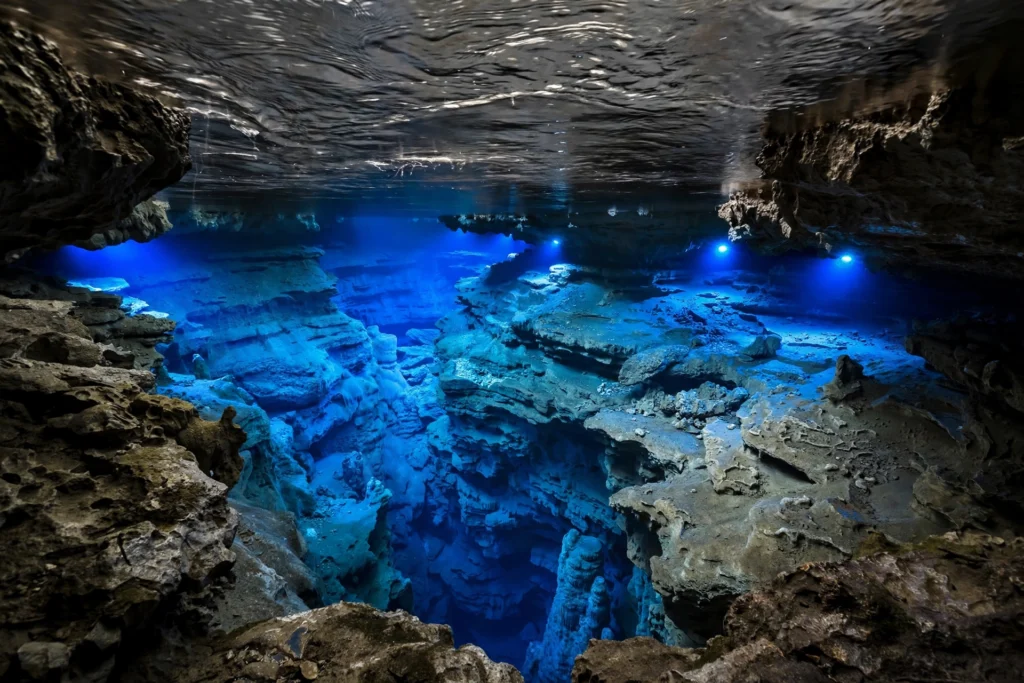
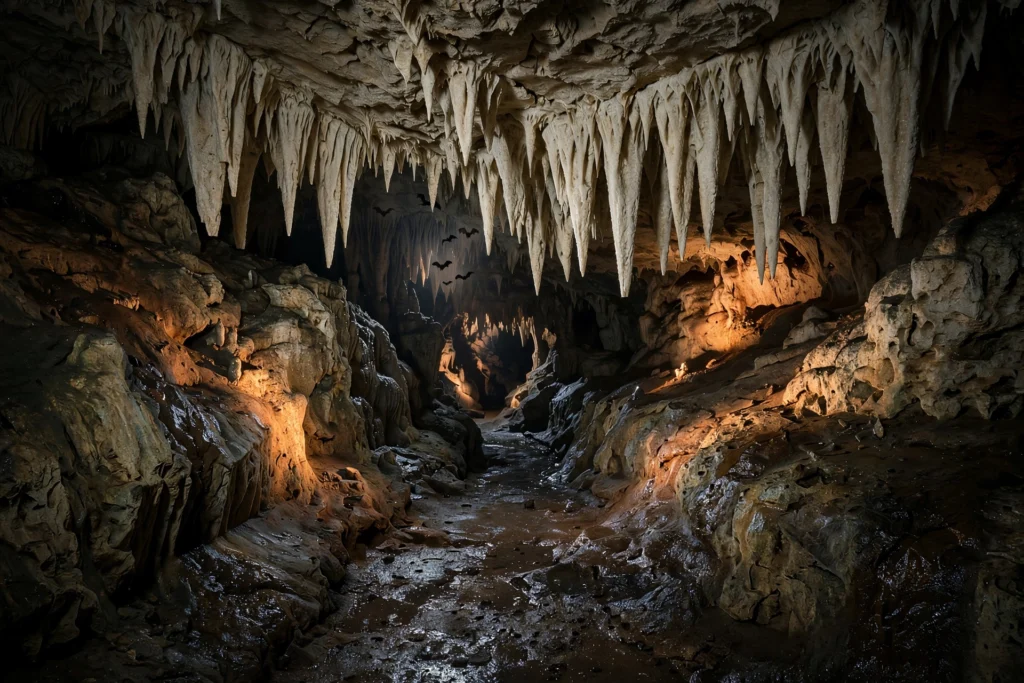
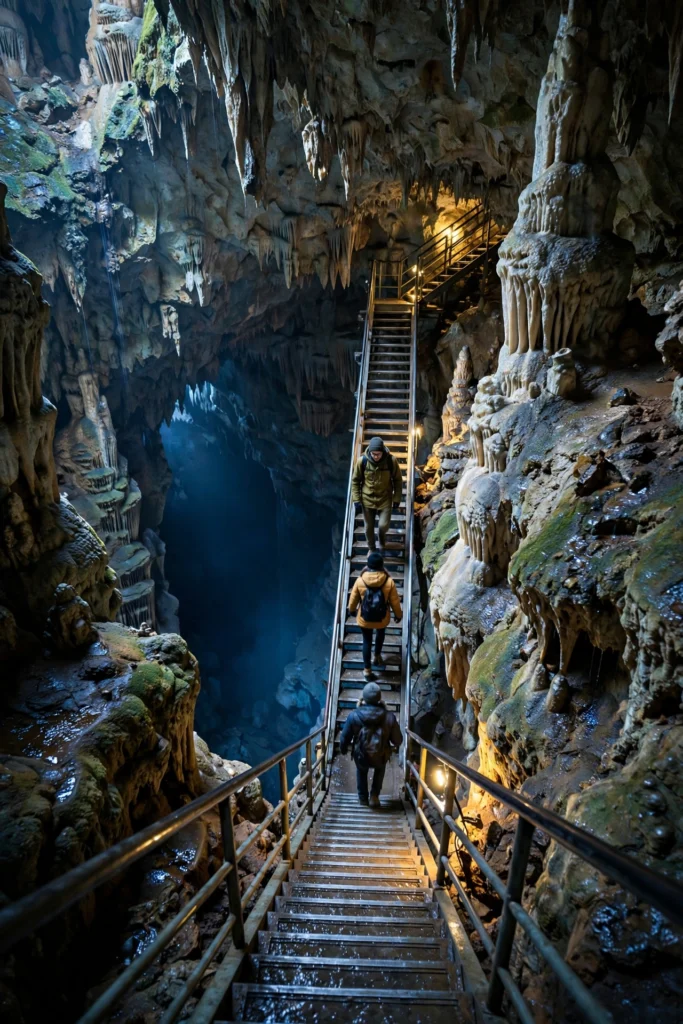
The scale is serious. More than 3.6 kilometers of passages have been mapped, and visitors walk about 700 meters of maintained route with roughly 300 steps. Stalactites crowd the ceilings, a small colony of bats lives in the darker corners, and a waterfall tumbles into one of the lower pools. It is one of only three caves in Japan given the “great limestone cave” title, alongside Akiyoshido in Yamaguchi and Ryugado in Kochi. They offer very different experiences, and frequent cave travelers tend to say Ryusendo is the wilder, darker, more water-obsessed of the three.
The 2026 Reopening: What Actually Happened
In August 2026, heavy flooding forced Ryusendo to shut its doors. Floodwater surged through the visitor route, and officials closed the cave for cleaning and a full round of safety inspections. The closure did not last long. On August 22, 2026, the cave reopened to visitors, and travel coverage this fall has been drawing renewed attention to it, calling it one of the best-rated natural attractions in the Tohoku region right now.
This matters for your planning in two ways. First, the facilities are in their best shape in years. Second, interest is climbing, so weekends in autumn are busier than usual. One August visitor noted a packed midday crowd, so aim for a weekday morning if you can swing it.
The reviews tell a consistent story. On travel review sites, Ryusendo holds a strong 4.3 out of 5 from hundreds of visitors, with the Dragon Blue lakes and the value for money coming up again and again. The complaints are equally consistent: the cold surprises people, the stairs tire them out, and almost everyone wishes they had arrived earlier. Reading recent visitor reviews before you go is genuinely worth ten minutes, because the same three tips appear in nearly every one: jacket, good shoes, morning visit.
Walking the Cave: What You’ll Actually See
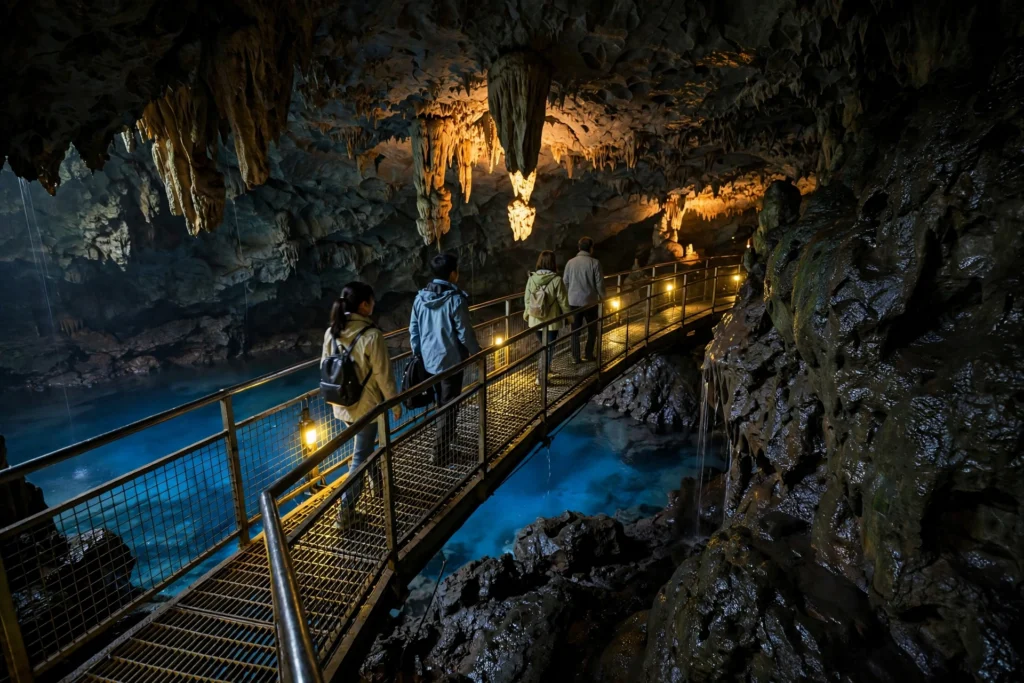
The visitor route is a one-way-ish walk through the maintained section, and it does not ease you in gently. You descend almost immediately, and the temperature drops to roughly 10 to 11 degrees Celsius. In the middle of a humid Japanese summer, that first step inside feels like walking into a refrigerator in the best possible way. Bring a light jacket. Multiple visitors say this explicitly, and they are right.
The path runs alongside the underground lakes for long stretches. The lights suspended beneath the surface do the real work here: they let you see the blue tint of the water and the submerged cave walls stretching down, down, down. At the deepest viewpoint, you are looking into 98 meters of lit water. I have read a lot of “wow” reviews of caves. The Dragon Blue section produces an unusual number of people writing “I have never seen anything like this.”
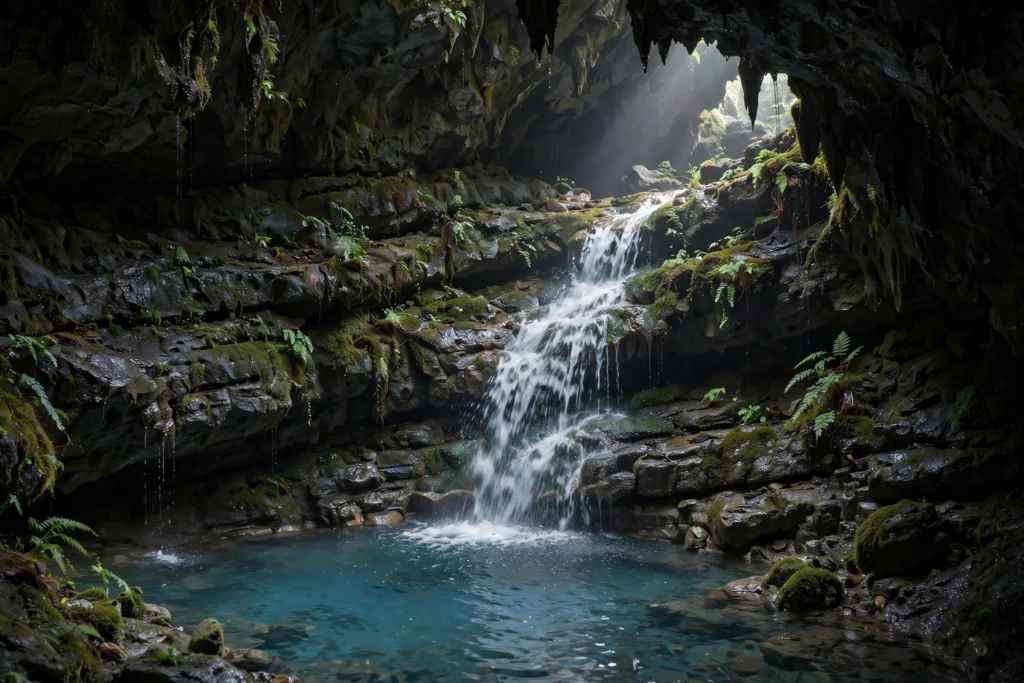
Higher up, the route passes formations that look like frozen waterfalls of stone, the bat colony (small, quiet, easy to miss if you are not looking), and at least one section where water pours straight down the rock face. There are returning points for anyone who is not confident with the full climb back, which is a thoughtful touch. The full route involves close to 300 steps, so pace yourself on the way up.
Is it scary or just beautiful?
Both, honestly, but mostly beautiful. The walkways are solid and well lit. This is not an expedition, it is a maintained tourist cave. The “thrill” here is the depth of the water and the darkness of the chambers, not any physical danger. If you have done caves before, this one trades tight squeezes for sheer vertical awe.
The Dragon Blue Phenomenon, Explained Without the Magic
Okay, so why is the water that color? It is not a trick of the lighting, though the lights help. The lake water is exceptionally pure, and pure water absorbs red light and reflects blue. When you light it from below in a dark chamber, with nothing else competing for your eye, the blue becomes almost violently vivid. The same physics makes glacial lakes look turquoise and the sea look blue from a boat.
What makes Ryusendo special is the depth combined with the clarity. Most “blue cave water” photos are taken in pools a few meters deep. Here, the submerged lights are dropped tens of meters down, and you can still see the glow. That is why people keep describing it as looking fake. It is real. It is just that your daily life rarely includes 98 meters of lit, crystal-clear water.
If you like the science of weird water, you will also love our guide to Benagil Cave in Portugal, where a skylight beam turns a sea cave into a natural cathedral, and our Iceland ice cave guide, where the blue comes from ancient compressed ice instead of water.
Planning Your Visit: Tickets, Hours, and the Part Nobody Warns You About
Tickets and hours
Adult entry is 1,000 yen, which is genuinely cheap for a major Japanese attraction. Children’s tickets start from 550 yen, and preschool children enter free. Hours are 8:30 to 17:00, every day, with no seasonal closure. One money-saving detail from recent visitors: the gift shop sometimes offers a 1,250 yen combo where you get cave entry plus a 500 yen credit to spend in the shop. If you were going to buy a souvenir anyway, that is basically a discount.
Getting there (this is the hard part)
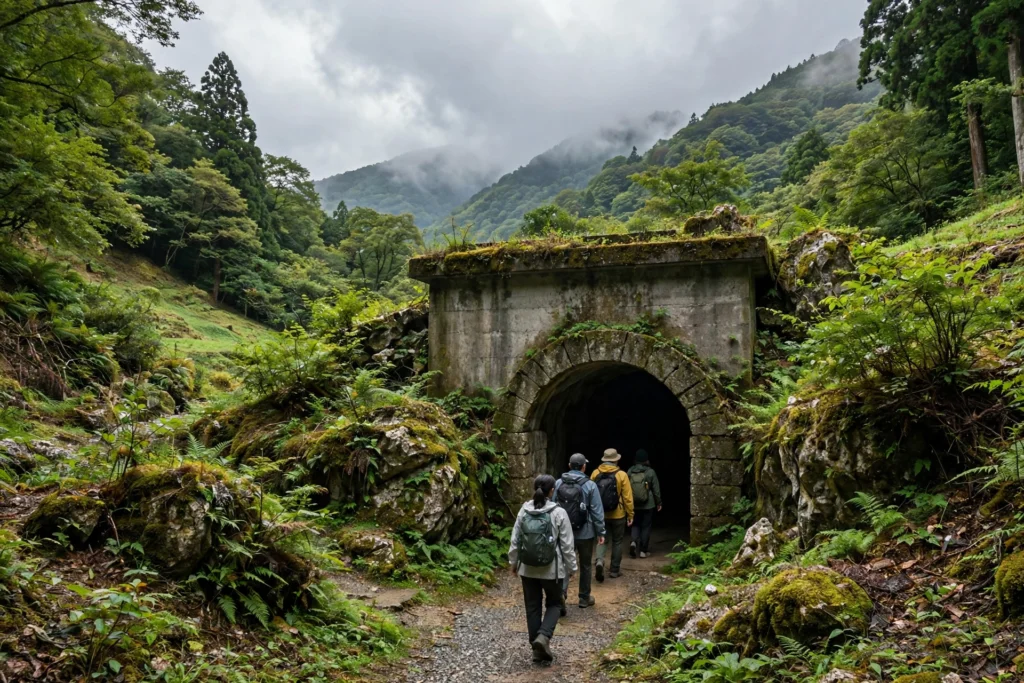
Here is the problem Ryusendo solves badly and then rewards richly: it is remote. There is no train station nearby. You have two realistic options. Drive, along properly paved but narrow mountain roads, or take a JR Bus from Morioka Station, which takes roughly two hours each way. If you have a JR Pass, the bus is the budget move. If you are renting a car for a Tohoku road trip, the drive itself is half the fun, winding through forested valleys that feel very far from Tokyo.
My honest take: do not try to day-trip this from Tokyo. It is a long, tiring day. Fold it into a two or three day Tohoku loop with Jodogahama Beach or the Sanriku Coast, and it becomes one of the best stops on the trip instead of a grueling marathon.
What to wear and bring
A light jacket is non-negotiable. The cave sits at roughly 10 to 11 degrees year-round, and the walkways are wet. Wear shoes with grip, not sandals, because the floor is damp in places and there are nearly 300 steps. A small camera or phone is all you need for photos. Tripods are not practical on the narrow walkways, and flash photography will wash out the blue, so turn the flash off and let the underwater lights do the work. Our cave photography guide has 11 practical tips that apply perfectly here, including how to shoot dark water without fancy gear.
Honest Tips Nobody Puts on the Official Site
Go early on a weekday. Midday crowds in peak season are real, and the narrow walkways mean you queue behind slower groups at the best viewpoints.
Pair it with the coast. Iwaizumi sits inland from the Sanriku Coast. Jodogahama Beach, with its white rock formations, is a natural same-trip pairing and one of Iwate’s top-rated sights.
Do not skip the gift shop look. Not for the souvenirs, but for the combo ticket deal. And yes, the dragon-themed snacks are exactly as kitsch as you hope.
Give yourself a full two hours. Rushing the route ruins it. The best moments come from standing at the deep lake viewpoints and just watching the blue.
How a Cave Like This Even Forms
Ryusendo sits in limestone laid down hundreds of millions of years ago, when this part of Japan was under the sea. Rainwater, made slightly acidic by carbon dioxide in the air and soil, has been dissolving that limestone for ages. First it carved cracks, then passages, then the underground river that still flows through the cave today. The lakes are not separate ponds. They are the visible surface of that river system, dammed and pooled by collapsed rock, and divers have mapped the submerged passages going far deeper than any visitor will ever see.
That same slow chemistry built the stalactites, the stone curtains, and the flowstone ridges you walk past. A stalactite grows roughly a centimeter every hundred years, which means the formations around you started growing when mammoths still walked the earth. Standing under them puts your own visit in a humbling perspective.
If deep time fascinates you, our Ireland cave art story covers markings made 15,000 years ago, practically yesterday compared to these rocks.
Where to Stay and What to Eat Around Iwaizumi
Iwaizumi is a small town, not a resort, so set expectations accordingly. There are a handful of minshuku (family-run guesthouses) and business hotels, and they are affordable by Japanese standards. Staying overnight is the smart move if you want the cave early in the morning before the crowds. Morioka, about two hours away by bus, has far more options if you prefer a city base, including excellent wanko soba restaurants where servers keep piling noodles into your bowl until you surrender.
Locally, Iwate is known for its dairy and for hittsumi, a hearty flour-dumpling soup that tastes like the region’s answer to cold mountain weather. The cave area has a small rest stop with snacks and, naturally, the gift shop. It will not win culinary awards, but after two hours in 10-degree air, a hot drink tastes like luxury.
Is Ryusendo Worth the Trip in 2026?
Short answer: yes, if you are anywhere near Tohoku. Longer answer: this is one of the few caves in the world where the water is the main event rather than the rock, and the 2026 reopening means everything is in good shape. The entry price is low, the experience is unlike anything else in Japan, and the Dragon Blue lakes genuinely live up to the hype. The only real cost is the journey to get there, and even that becomes a feature once you commit to a proper Tohoku road trip.
For more underground adventures, check out our Waitomo Glowworm Caves guide, where a different kind of blue light, thousands of living glowworms, turns a New Zealand cave ceiling into a galaxy. And if this guide helped you plan, pin it and follow The Cavee on Pinterest for more caves, adventures, and handcrafted finds. Read the full story on thecavee.com, and happy caving.