They rode their bikes to the cave entrance on a Saturday afternoon and left them parked there, like kids do. It was June 23, 2018. A youth football team in northern Thailand, the Wild Boars, had just finished practice. Their coach, Ekapol Chanthawong, suggested a quick trip to Tham Luang, the famous cave tucked into the Sleeping Lady mountain. A fun little adventure before dinner.
None of them came home that night.
What followed was 18 days of the most-watched cave rescue in history. Divers from around the world, an ex-Thai Navy SEAL who lost his life, and a plan so risky it involved sedating children and swimming them out through pitch-black flooded passages. All thirteen came out alive. The cave entrance became a shrine. The mountain became a national park.
Eight years later, in 2026, Tham Luang has quietly become one of Thailand’s most meaningful places to visit. Not a theme park. Not a thrill ride. A real cave, in a real mountain, with a real story carved into it. And if you’re the kind of traveler who plans trips around places that changed the world, this guide is for you: what happened in there, what the cave is like today, when to go, what you’ll actually get to see, and the safety lessons worth carrying to every cave you ever visit.
The afternoon that turned into an 18-day siege
The Wild Boars were kids, ages 11 to 16. Coach Ekapol was 25. They’d been to Tham Luang before, so walking past the entrance sign felt routine. Inside, the plan was simple: poke around the first chambers, have some fun, head out.
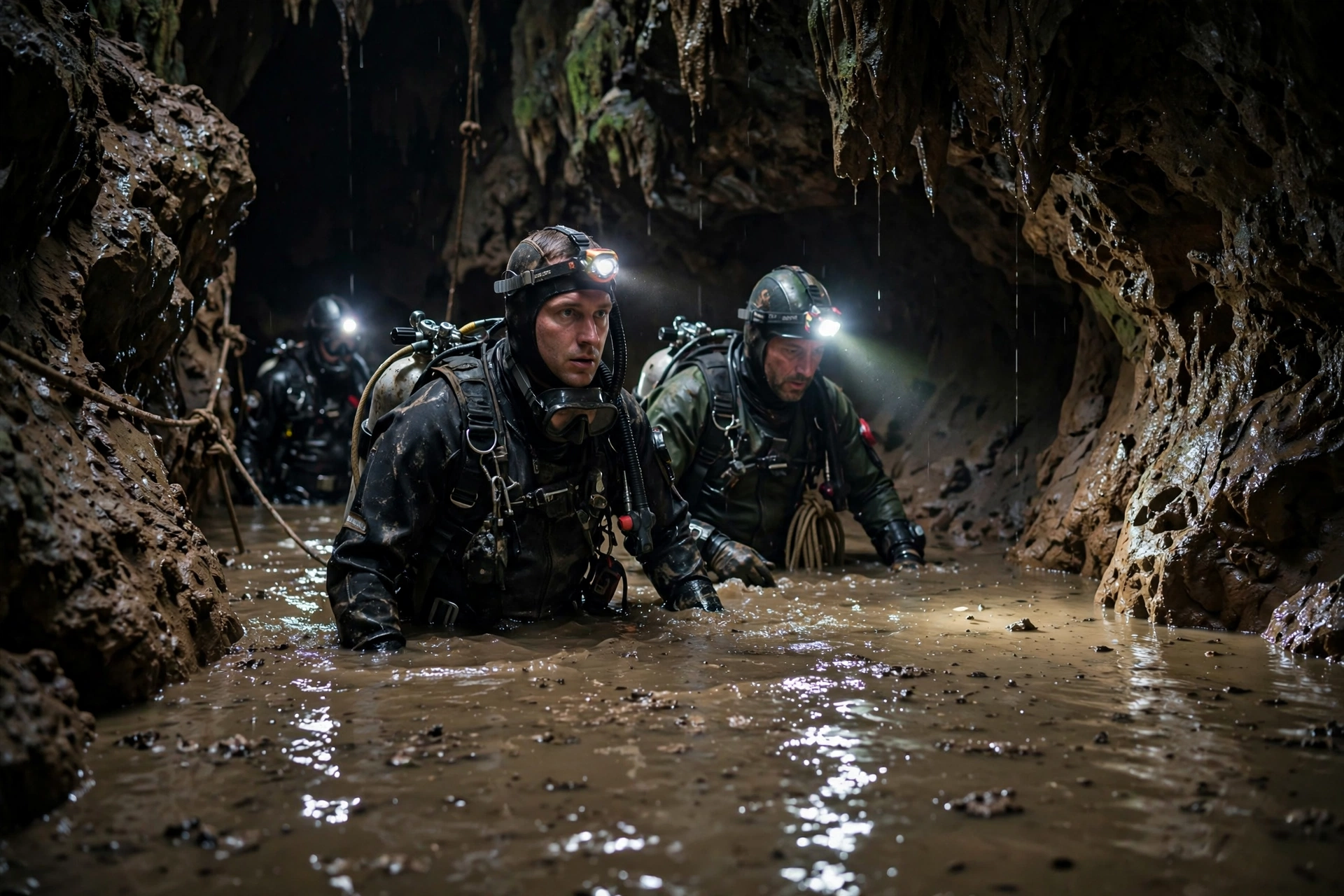
Then the rain came. Not unusual for late June in Chiang Rai, when the monsoon is waking up. But Tham Luang’s underground geography has a cruel trick. Rain falling on the Doi Nang Non range funnels down through the limestone and fills the cave’s passages fast, sometimes within hours. The water rose behind the group and cut off their way out. They did what anyone would do: they kept moving deeper, climbing to higher ground inside the cave, hoping to find a dry pocket.
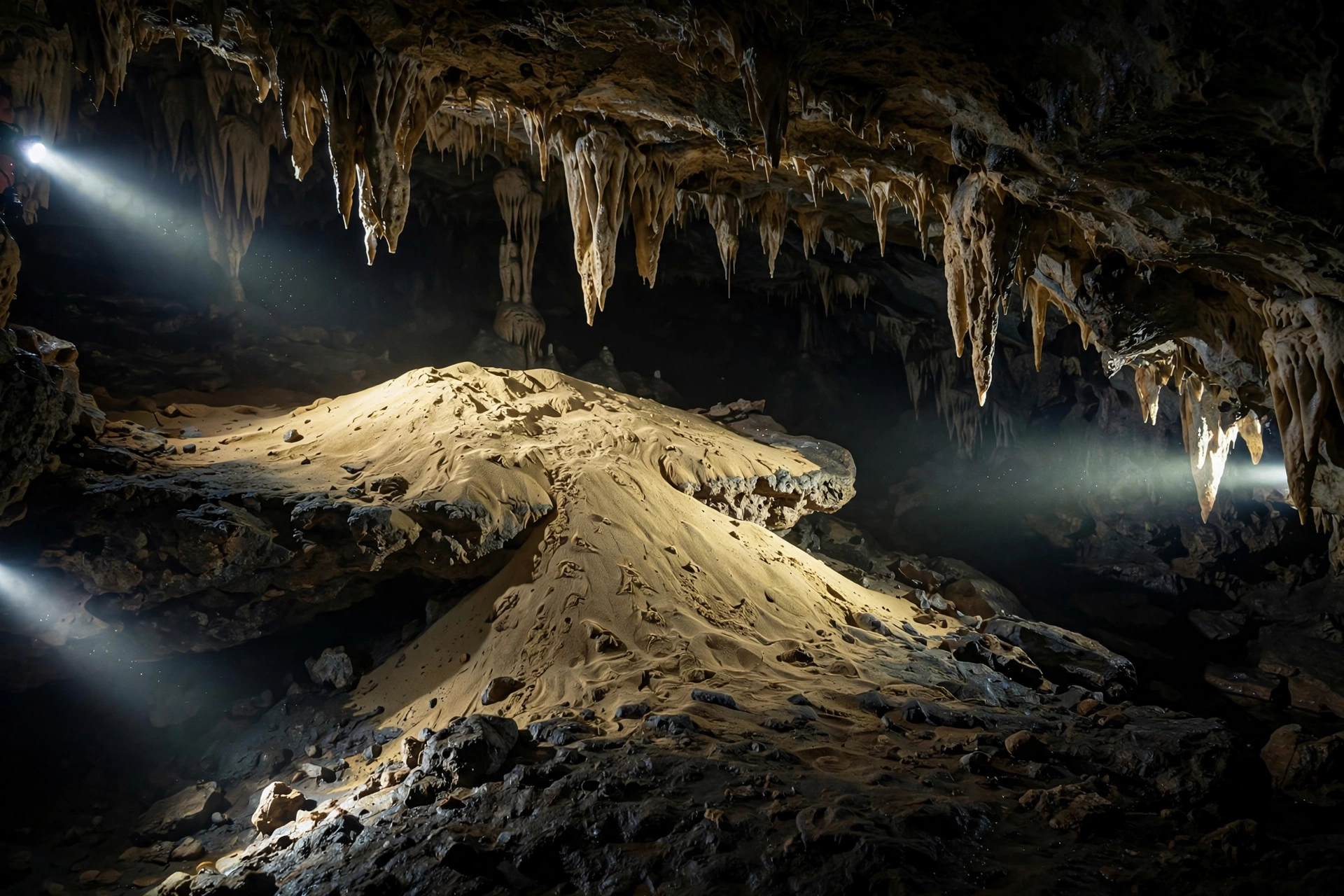
They found it about 2 kilometers in, at a raised muddy slope the rescue teams would later call Pattaya Beach. The name stuck because the boys tried to stay lighthearted. They were trapped in total darkness with no food, drinking water that dripped from the cave walls, while outside, one of the largest rescue operations in history was assembling.
It took nine days to find them. British cave divers Rick Stanton and John Volanthen, feeling their way along a guide line in zero-visibility water, surfaced into the chamber and found all thirteen alive on the muddy slope. The footage of that moment, a shaky headcam, the boys’ thin voices asking “how many of you?”, went around the world in hours.
Getting them out was another problem entirely. The passages were flooded, narrow in places, and the boys couldn’t dive. The decision that was finally made still sounds like something out of a movie: sedate each boy, fit him with a full-face mask, and have two divers guide him through the submerged sections, like a very fragile package. Each boy’s extraction took hours. The operation ran over three days, July 8 to 10, and all twelve boys and their coach came out alive.
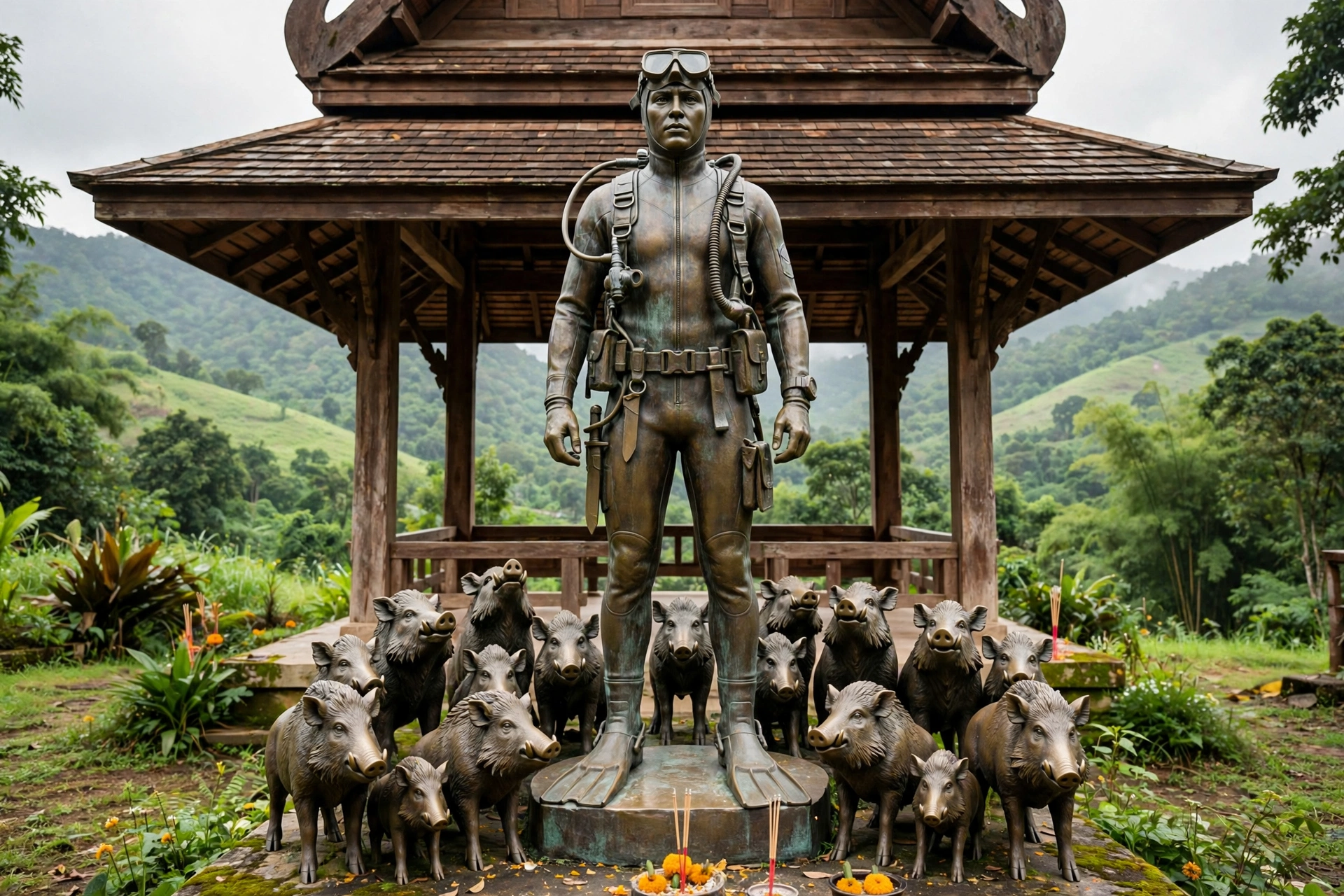
One man didn’t. Saman Gunan, a former Thai Navy SEAL volunteering on the rescue, died on July 6 while placing air tanks along the dive route. He was 38. If you visit Tham Luang today, you’ll meet him first, in bronze.
Why this cave floods the way it does
Here’s the geology that matters for visitors, because it explains everything about how the cave is managed today.
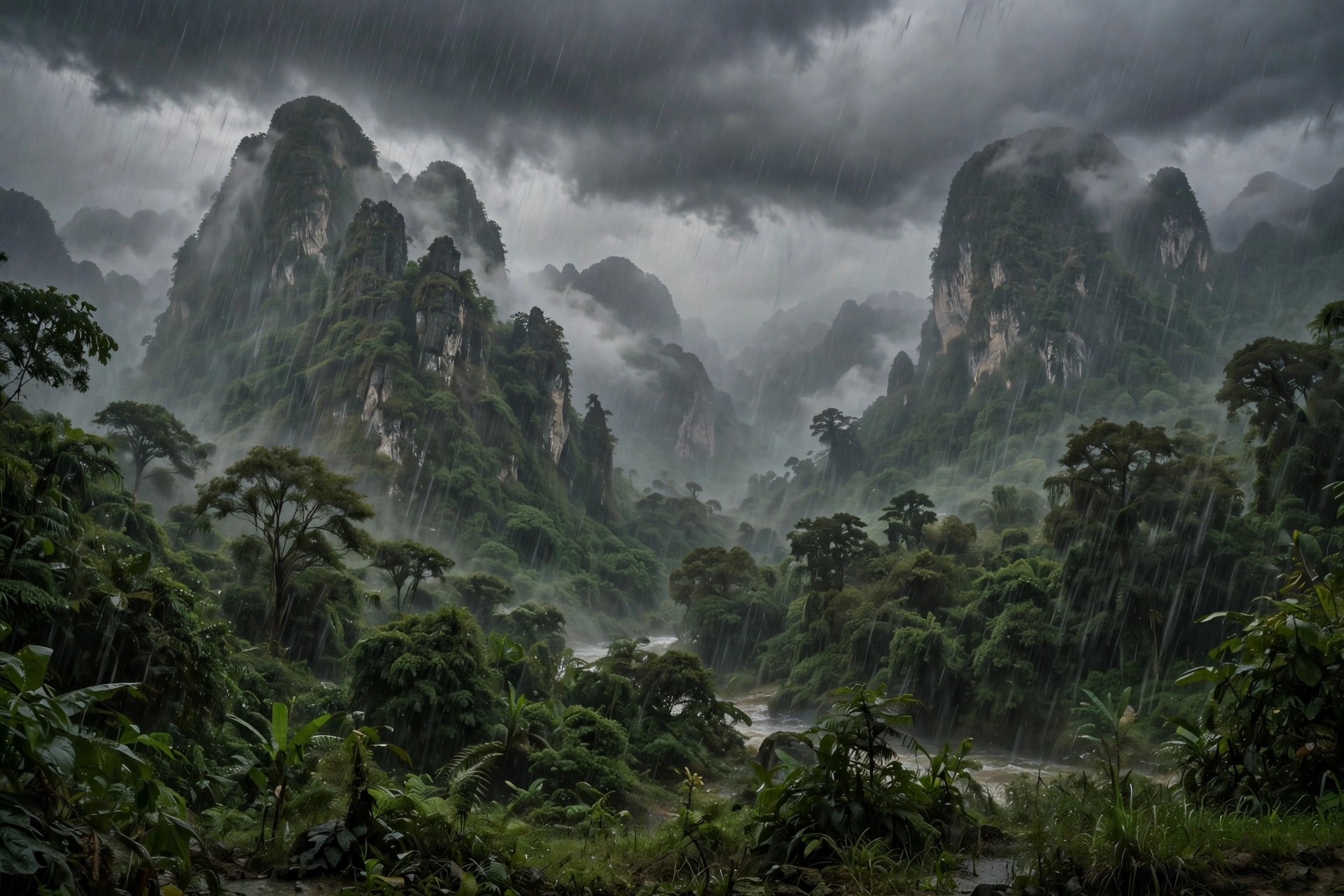
Tham Luang sits in the Doi Nang Non range, “the mountain of the sleeping lady,” a limestone karst ridge in Mae Sai district, Chiang Rai province. Karst landscapes are Swiss cheese: rainwater dissolves the limestone over millions of years, carving channels, sumps, and chambers. Water doesn’t politely run off; it pours straight down into the mountain’s plumbing.
During the dry season, Tham Luang’s passages are walkable. During the monsoon, from roughly July to October, the same passages become underground rivers. The 2018 flooding wasn’t freakish bad luck. It was the cave doing what it does every year. The boys just happened to be inside when the water arrived.
This is why the Thai authorities run the site the way they do now. The cave’s deeper sections, including Pattaya Beach, are permanently off-limits to tourists. Only the first hall, about 200 meters of the entrance chamber, is tourable, and even that closes when the rains come. In August 2026, the cave was temporarily shut over flooding fears, a reminder that the mountain hasn’t changed its habits.
If there’s one lesson Tham Luang drills into you, it’s this: caves are seasonal places. The same cave can be a stroll in February and a death trap in August.
What you’ll find there today: the memorial and the living museum
You don’t just walk up to a cave entrance at Tham Luang. You walk through a story first.
The centerpiece is the bronze statue of Saman Gunan, twice life-size, created by national artist Chalermchai Kositpipat, the same artist behind Chiang Rai’s famous White Temple. Saman stands with thirteen wild boars at his feet. Beside it, a pavilion holds a huge artists’ mural telling the rescue story panel by panel. It’s the kind of memorial that quiets a crowd. People take photos, but they speak softly.
The site has been upgraded from a forest park to a national park, which is a bigger deal than it sounds: it means proper funding, proper trails, rangers, and visitor management. There’s a planned “living museum” of the rescue, meant to keep the story told with the tools and equipment used in 2018. Parts of this are already taking shape, and it keeps evolving, so check current status before you go.
Visitor numbers tell their own story. Before 2018, Tham Luang saw roughly 40,000 visitors a year. Since reopening, it’s passed a million. Most come for the memorial and the entrance area. Very few, relatively speaking, go inside the cave itself. That’s fine. The entrance hall and the grounds carry most of the emotional weight.
Visiting Tham Luang in 2026: the practical stuff
When to go, and when not to
Go in the dry season: November through April. This is when the cave is reliably open, the walkways are dry, and the surrounding national park is at its best. December to February brings cool mornings, which makes the mountain walks genuinely pleasant.
Avoid July through October if the cave interior matters to you. The rainy season brings the closures. The August 2026 temporary shutdown is a perfect example: authorities close the cave at the first sign of rising water, and they are not shy about it. If your whole trip is built around going inside, book for the dry season and spare yourself the gamble.
What you can actually see inside
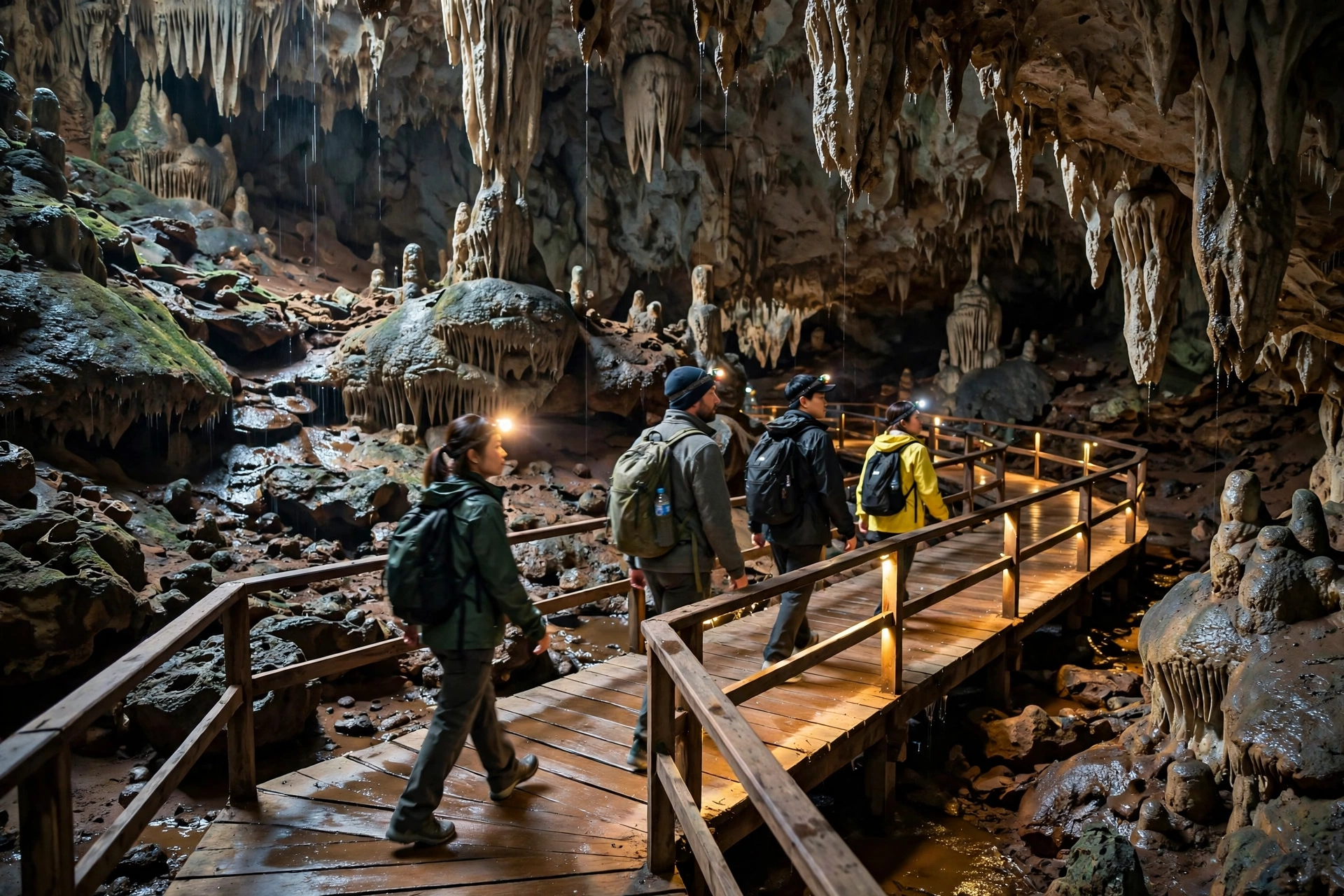
Keep expectations honest and you’ll love it. You will not be visiting Pattaya Beach. You will not be diving through sumps. What you get is the first hall, roughly 200 meters of the entrance chamber, walkable with guides, in small groups. It’s a limestone chamber with real presence, and knowing what happened beyond the guide ropes changes how it feels.
Photography is generally fine in the tourable section, but ask your guide. Rules evolve, and rangers’ word is final.
Hours, entry, and the basics
The site typically opens daily from around 08:00 to 16:30. Arrive early. Mornings are cooler, quieter, and give you the best light for the memorial grounds. Entry fees are modest, national-park style, not tourist-trap pricing. Budget a couple of hours minimum; half a day if you walk the grounds properly and visit the museum exhibits.
Getting there
Tham Luang sits in Mae Sai district, at Thailand’s northern tip near the Myanmar border. Most visitors base in Chiang Rai city, about 60 kilometers south, and do it as a day trip. Renting a car or hiring a driver for the day is the comfortable option. From Chiang Rai, it’s a straightforward drive north on the main highway toward Mae Sai. Public transport exists but eats your day; if you’re on a tight schedule, don’t.
Combine it with the White Temple (Wat Rong Khun), also in Chiang Rai and also tied to Chalermchai Kositpipat. Seeing his art at the temple and his memorial at the cave in the same trip is one of those accidental itineraries that feels intentional.
Make the drive worth it: the Sleeping Lady and Chiang Rai’s cave country
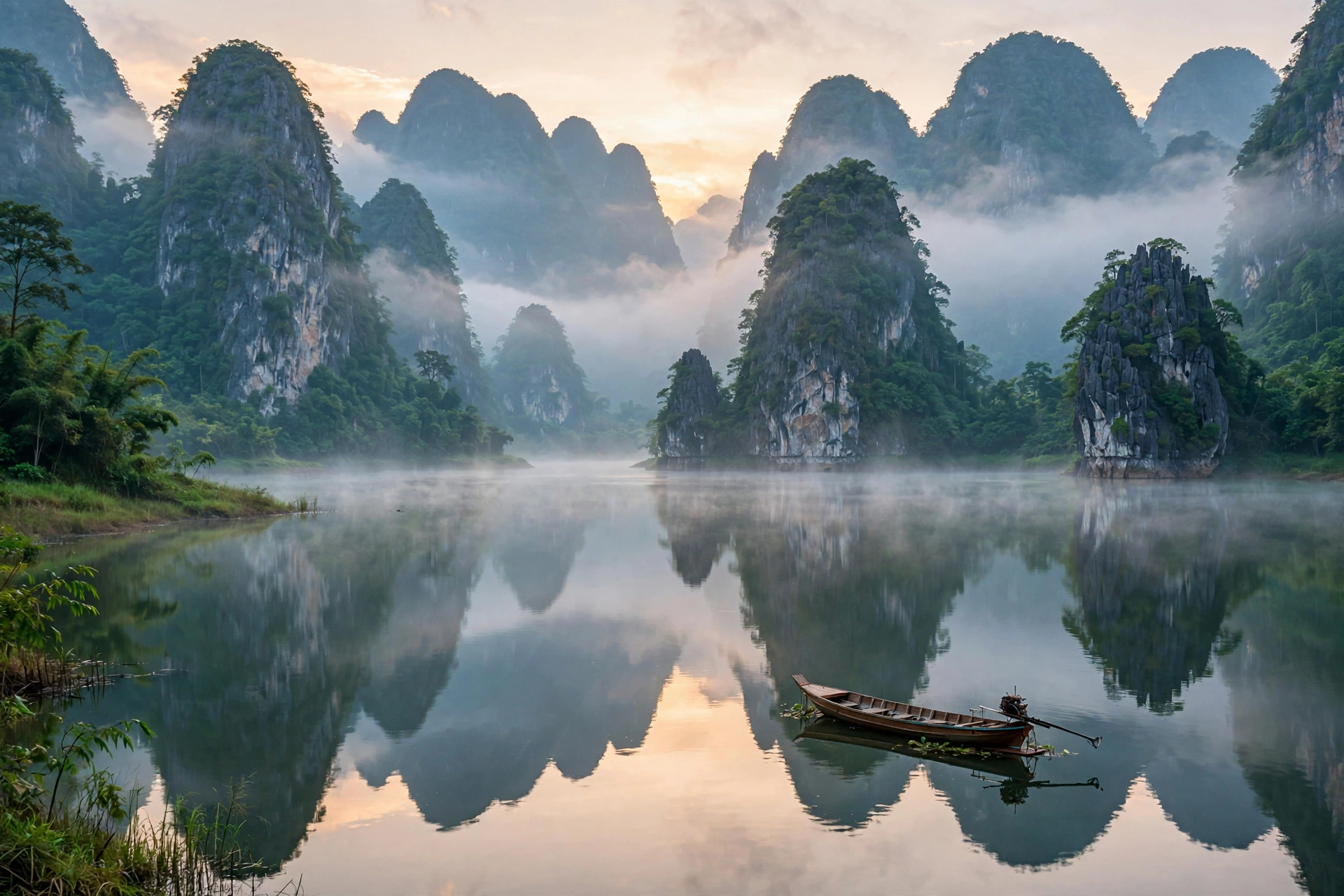
Tham Luang is inside the Doi Nang Non range, and the range has its own legend. From certain angles, the ridgeline looks like a reclining woman, and locals call her the Sleeping Lady. There’s a folk tale about a princess who died of a broken heart here, and the mountain took her shape. It’s the kind of story that makes a viewpoint stop mandatory.
Chiang Rai province rewards travelers who slow down. Phu Chi Fa, a couple of hours east, is one of Thailand’s great sunrise viewpoints, with a sea of mist over the Lao mountains. The Mekong town of Chiang Saen has old temples and a sleepy riverfront. And the region has more caves than most visitors realize; Tham Luang is the famous one, but the karst country around Mae Sai hides plenty of smaller systems that local guides can show you.
If caves are your thing and you’re already in Southeast Asia, the region is stacked. Mexico’s cenotes, those flooded limestone sinkholes the Maya considered sacred, are the world’s great cave-diving classrooms, and our guide to swimming through them is worth a read before any underground water adventure. And if you want the opposite end of the scale, the pure vastness of underground worlds, Vietnam’s Son Doong, the largest cave on the planet, will recalibrate what you think a cave can be.
The safety lessons this cave taught the world
Every cave trip you ever take gets safer because of what happened at Tham Luang. Here’s the short version, worth memorizing:
Check the season, not just the weather. A sunny morning means nothing if it’s monsoon season. Flash flooding in karst caves can arrive hours after rain falls on a distant ridge. Tham Luang’s authorities now close the cave preemptively, and you should apply the same logic to yourself: if it’s the rainy season, assume the cave is a no-go unless locals say otherwise.
Tell someone your plan. The Wild Boars were found because their bikes and bags were spotted at the entrance. In a cave, “I’ll be back by dark” is a survival tool, not small talk.
Never go alone, and never without a guide in an unfamiliar system. The boys survived because they stayed together and kept their heads. Trained guides know which passages flood first and how fast.
Carry more light than you think you need, plus a backup. Darkness in a cave is absolute. Phone flashlights don’t count.
Respect closures. That rope across the passage, that “closed” sign at the entrance, exists because someone did the math on water levels. The August 2026 closure of Tham Luang happened before anything went wrong. That’s the system working.
These rules scale up to serious adventures, too. Vertical caves like Jomblang in Indonesia, where you rappel 60 meters straight down into the earth, run on the same principles: season, guides, equipment, humility. The caves don’t care how experienced you are.
Quick answers before you go
Is Tham Luang cave open to tourists in 2026? Yes, in the dry season, typically November to April, daily from morning to late afternoon. The rainy season brings closures, sometimes with little notice.
Can you go to Pattaya Beach where the boys were found? No. The deeper sections of the cave are permanently closed to the public. Only the first hall is tourable.
How much time do you need? Two to four hours covers the memorial, museum exhibits, and the cave entrance hall. Make it a full day from Chiang Rai with the White Temple.
Is it suitable for kids? The memorial grounds and entrance area are fine for families. The cave interior involves stairs and uneven walkways; use your judgment.
What happened to the Wild Boars after the rescue? All thirteen recovered. Their story became books, documentaries, and films, and several of the boys have spoken publicly about the experience in the years since.
Why this cave still matters
Most caves you visit are about geology: the formations, the scale, the underground river. Tham Luang is about people. It’s a cave where the worst almost happened and the best of humanity showed up instead: Thai farmers who let their rice fields be flooded to drain the cave, divers who flew in from around the world, a coach who kept twelve scared kids calm in the dark for nine days before anyone even knew they were alive.
Go in the dry season. Walk the first hall. Stand in front of Saman’s statue. And on your way out, look up at the Sleeping Lady on the ridgeline. She was there long before 2018, and she’ll be there long after. Some mountains are just scenery. This one remembers.
Pinterest CTA: Love cave stories like this? Follow The Cavee on Pinterest for more underground adventures, cave guides, and places that will change how you see the world. Read the full story on thecavee.com.
Sources: Tham Luang cave rescue on Wikipedia (https://en.wikipedia.org/wiki/Tham_Luang_cave_rescue); Tham Luang temporary closure, Aug 2026, Chiang Rai Times (https://www.chiangraitimes.com/chiang-rai/tham-luang-cave-t-closed/)