Scientists Just Wired the Deepest Hole on Earth With Live Sensors. What the Instruments Are Finding Is Wild
Two thousand two hundred and twenty-four meters. That is how far down Krubera Cave goes. Stack seven Eiffel Towers on top of each other, drop them into a crack in the mountains of Abkhazia, and you would still have room to spare. For decades this single cave has been the measuring stick of how deep the Earth can be entered. And in September 2026, it got something no cave on the planet has ever had before: a live sensor network, reporting from the dark, in real time.
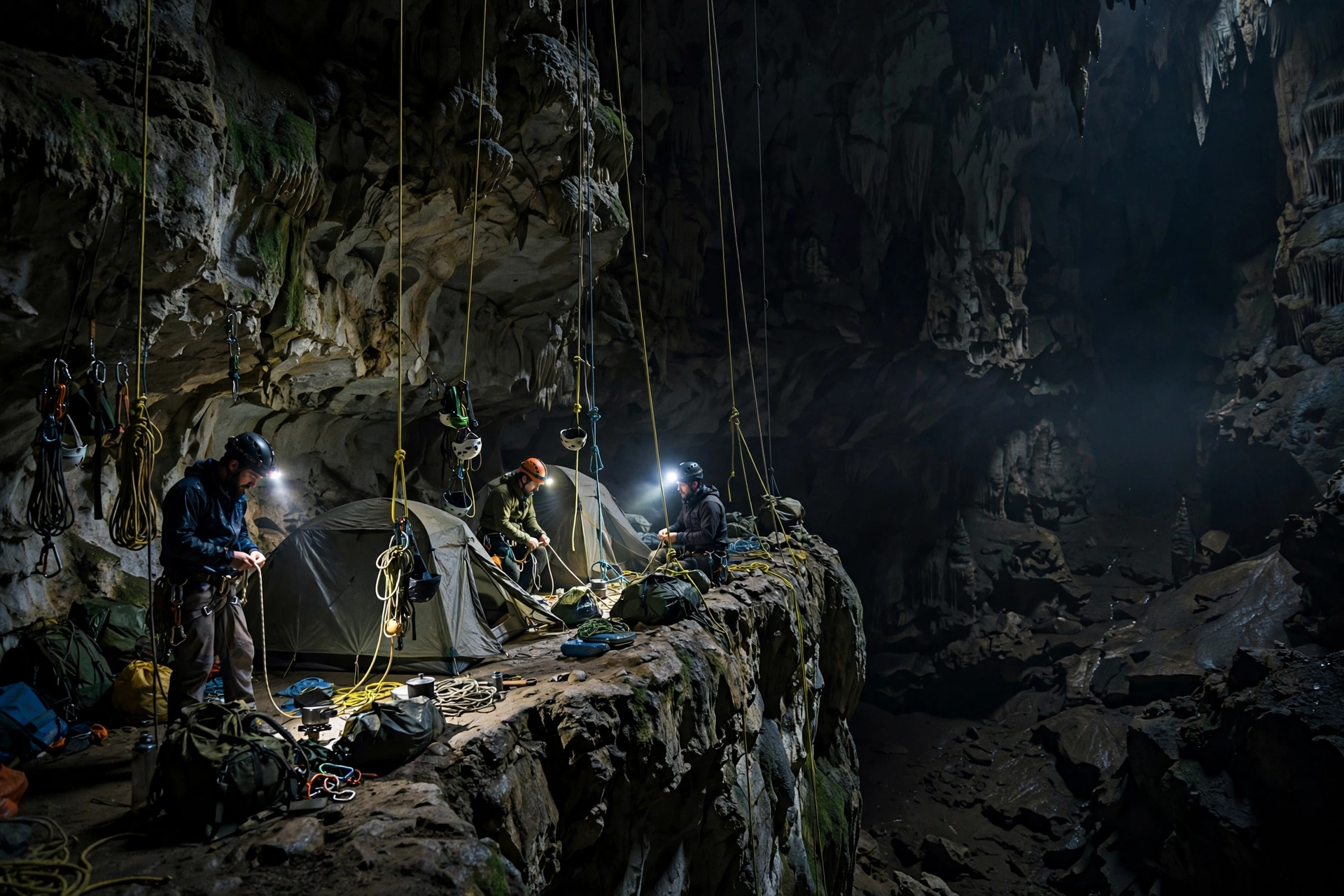
An international expedition, cavers and scientists from Russia, Mexico, Serbia and the New Athos Speleological Club, descended into Krubera with equipment, cable and a plan that sounds like something from a space program. They installed the first three atmospheric monitoring stations inside the deepest cave on Earth, at 60, 1,200 and 1,400 meters below the entrance. The stations transmit their data online. Right now, as you read this, instruments sitting a mile and a half underground are measuring the air, and you can follow what they find.
Here is what that means, why Krubera is so unbelievably deep, and why a handful of sensors dangling in the dark is genuinely one of the coolest science stories of 2026.
The Deepest Hole You Can Enter on Earth
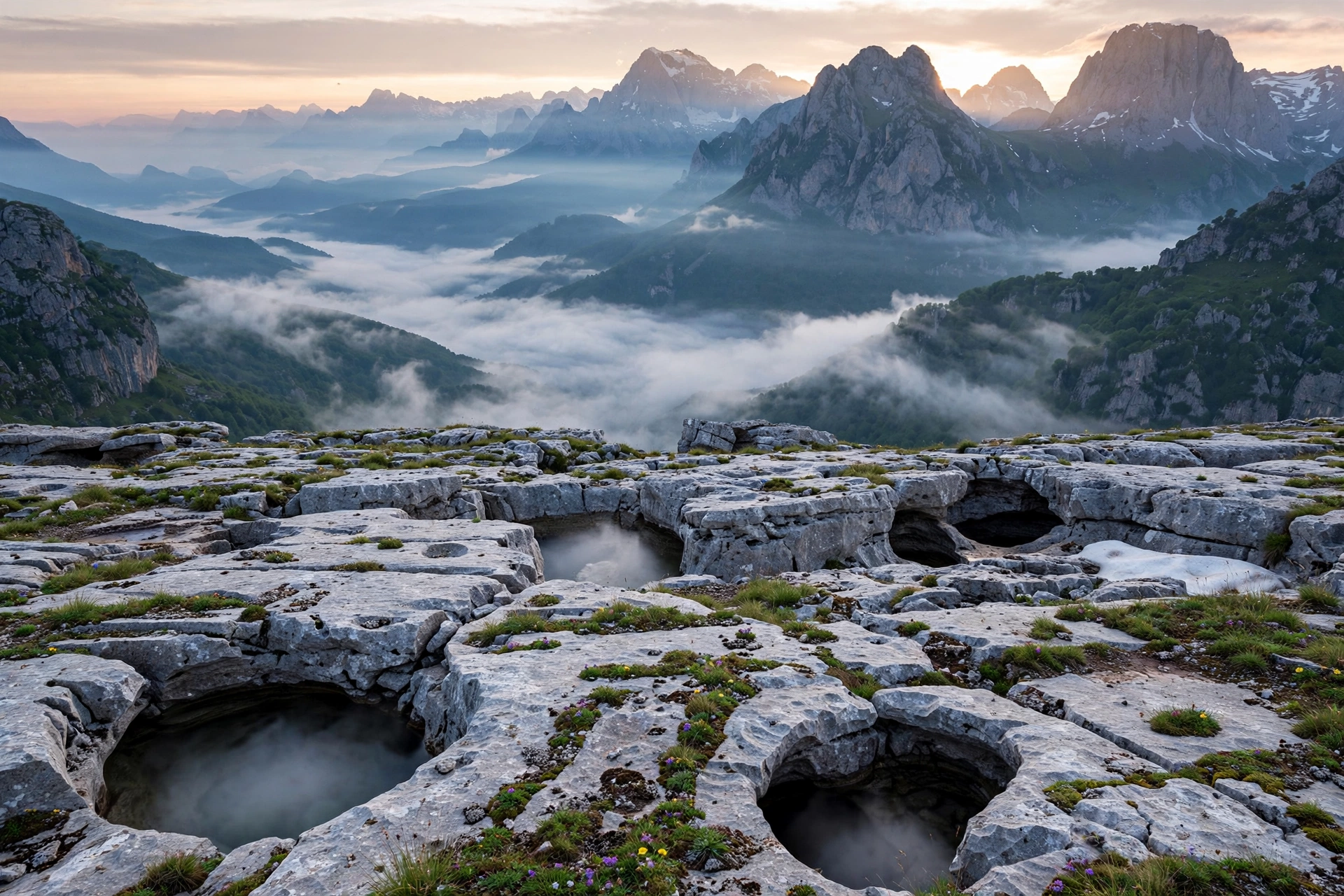
Krubera, sometimes called Voronya, meaning “cave of the crows,” sits on the Arabika massif, a slab of limestone in Abkhazia that has been dissolving in rainwater for millions of years. The entrance is not much to look at. It is a modest hole in an alpine landscape. But below it, the cave keeps going down in a staircase of pits and canyons until it bottoms out at 2,224 meters, a depth confirmed by a 2024 survey that settled the numbers for good.
To understand how absurd that is, you need the depth race. For years the two deepest caves on Earth have been racing each other by centimeters on the map. Krubera sits at 2,224 meters. Its rival, Veryovkina Cave, sits at 2,209 meters, and we covered its own dramatic story earlier. Below those two, the drop-off is steep: Sarma Cave reaches about 1,830 meters, Snezhnaya about 1,760, and Mexico’s Sistema Huautla about 1,560. The gap between first place and third place is bigger than the Empire State Building is tall. These Georgian and Abkhazian caves are in a league of their own.
Why September 2026 Changed Everything
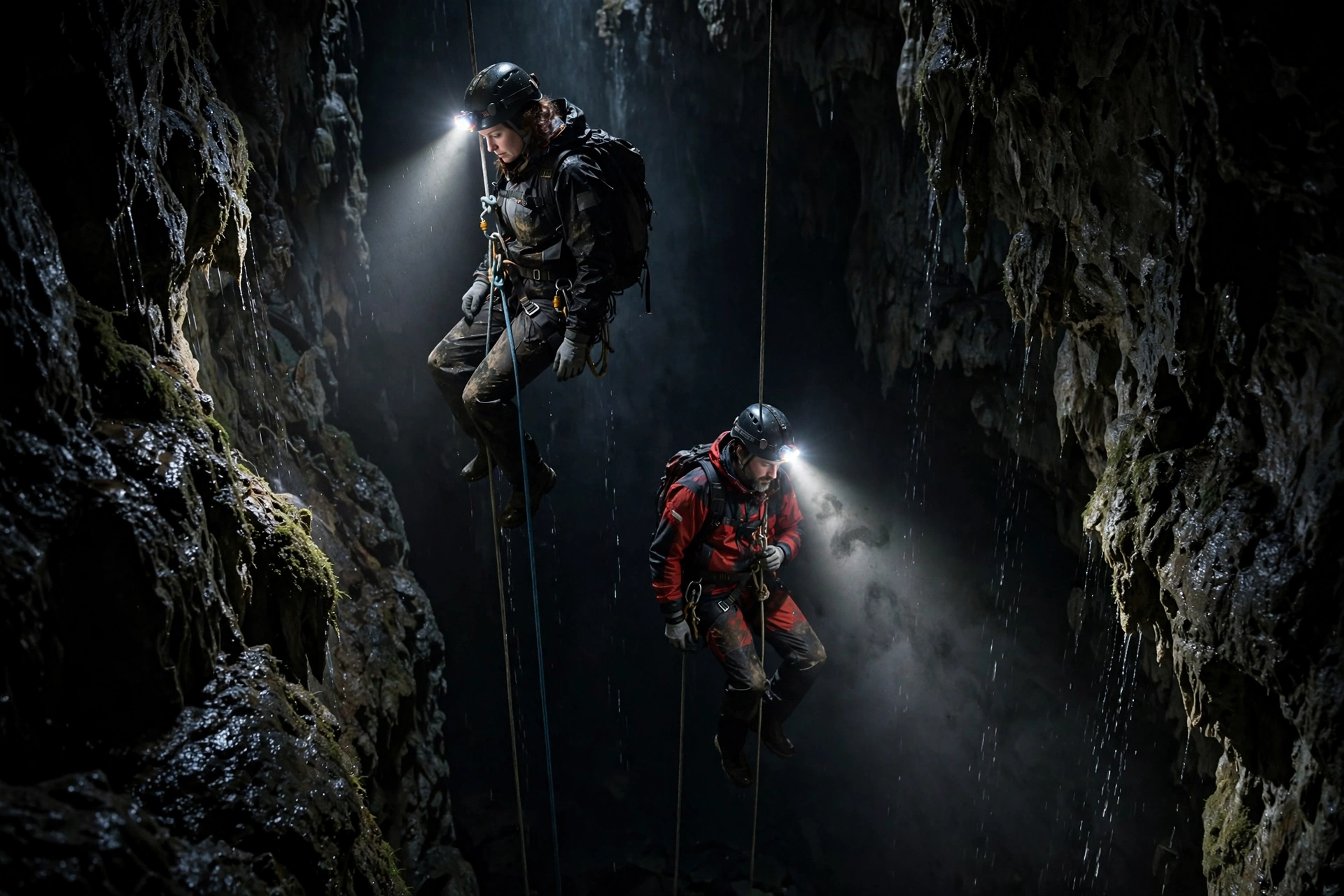
Before this year, everything we knew about the deep interior of Krubera came from expeditions: people going down, looking around, coming back up with stories and data. The problem with that model is obvious. The cave is only visited during expeditions. Between them, the deepest place on Earth is silent, and nobody knows what is happening down there.
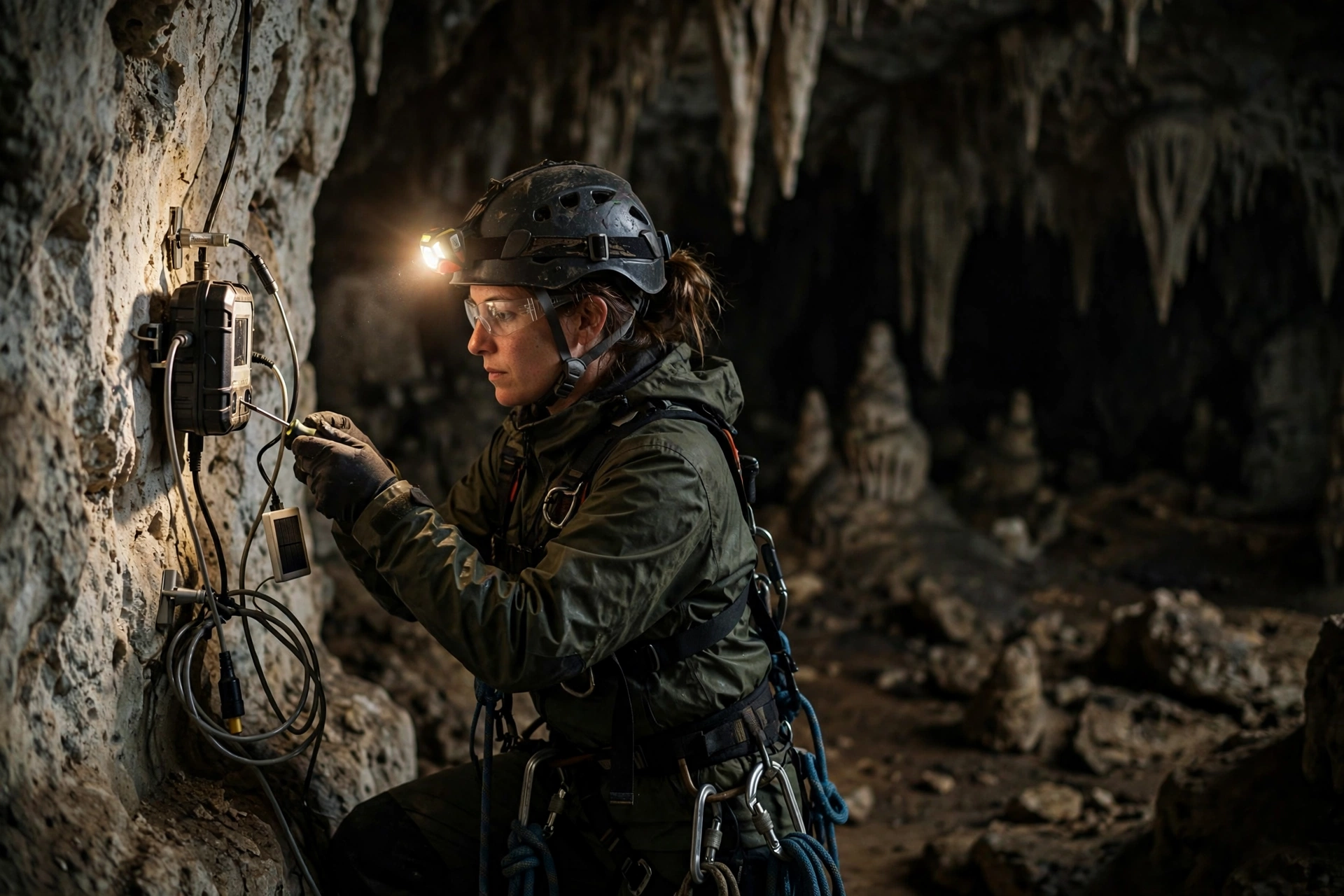
The September 2026 expedition fixed that. The team ran equipment down the main route and installed three permanent atmospheric stations, at 60 meters (basically the front door), at 1,200 meters, and at 1,400 meters, roughly two-thirds of the way to the bottom. These are not cameras or toys. They measure the air itself: temperature, humidity, carbon dioxide, and how those readings change hour by hour, season by season, with nobody present to disturb the cave’s natural rhythm.
And the plan does not stop there. Four more stations are scheduled for 2027, which will extend the network all the way to the bottom of the cave. When that happens, scientists will have a continuous live profile of the atmosphere of the deepest cave on the planet, something speleology has never had.
The Data Is Already Strange
Even the early readings are worth paying attention to, because they tell a story about how the underground world actually works. The sensors recorded the air warming steadily with depth: about 3 degrees Celsius at 700 meters, 4.65 degrees at 1,400 meters, and a remarkable 7.5 degrees at 2,000 meters. That is the planet’s geothermal heat, the slow warmth of the Earth’s interior, leaking upward through two kilometers of rock. It is small, it is subtle, and it is exactly the kind of measurement you can only get by leaving instruments in place for months.
The more surprising finding is the carbon dioxide. The stations picked up elevated CO2 levels that the expedition team attributes to a possible fissure in the rock, a crack connecting the deep cave to some deeper source of gas. In other words, the cave is breathing. Not metaphorically. The air down there is being fed, measurably, by the planet itself.
This is why a live sensor network matters. A one-time expedition would record one snapshot. A permanent network records a movie. Scientists will now be able to watch how the cave’s atmosphere responds to storms at the surface, to seasonal flooding, to the slow geological processes that built the place. Krubera is no longer just a record on a list. It is becoming an observatory.
Why This Cave Eats Expeditions for Breakfast
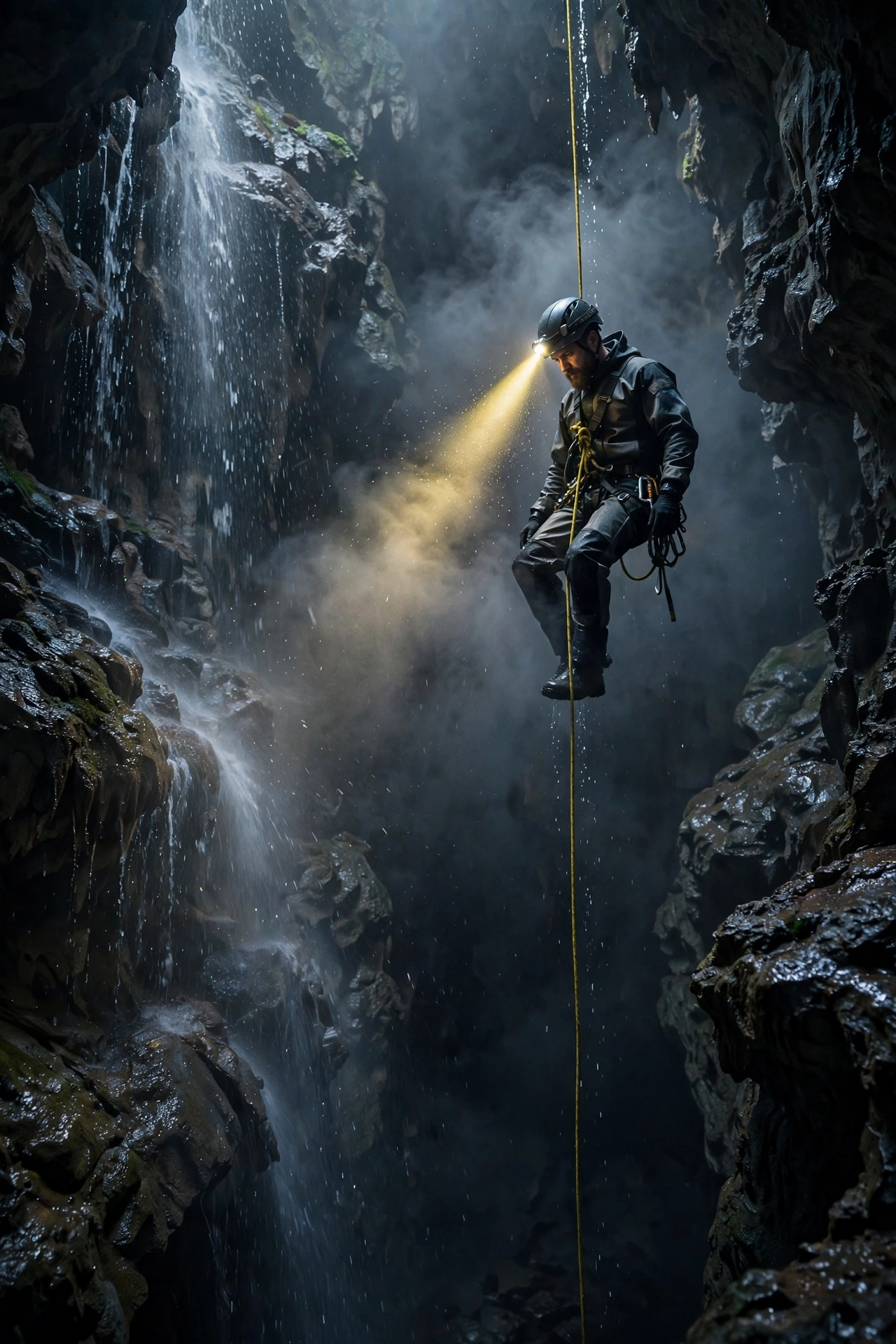
If the sensor story sounds calm and orderly, do not be fooled. Krubera has a well-earned reputation as one of the most hostile places on the planet to explore. The expeditions that mapped it were not casual hikes. They were siege operations, weeks long, with underground camps strung along the route like base camps on a mountain, except the mountain is upside down.
The cave floods. In 2018, a flash flood in Veryovkina, Krubera’s neighbor, trapped cavers underground and became international news, a reminder that these deep systems are ruled by water. Krubera’s own passages carry the same risk. A rainstorm on the surface becomes a wall of water two kilometers down, with hours of warning if you are lucky and none if you are not. Sumps, vertical pitches, tight crawls and the sheer grind of hauling gear down and back up make a deep Krubera expedition an exercise in suffering that only a few dozen people on Earth have completed.
That history is part of why the monitoring network is such a smart move. The team also had to deal with practical headaches: running cable through a cave that actively tries to destroy everything in it. Previous infrastructure in these caves has been wrecked by floods, which makes a working, transmitting sensor array at 1,400 meters a genuine engineering achievement, not just a science one.
The Arabika Massif: Where the Earth Has No Floor
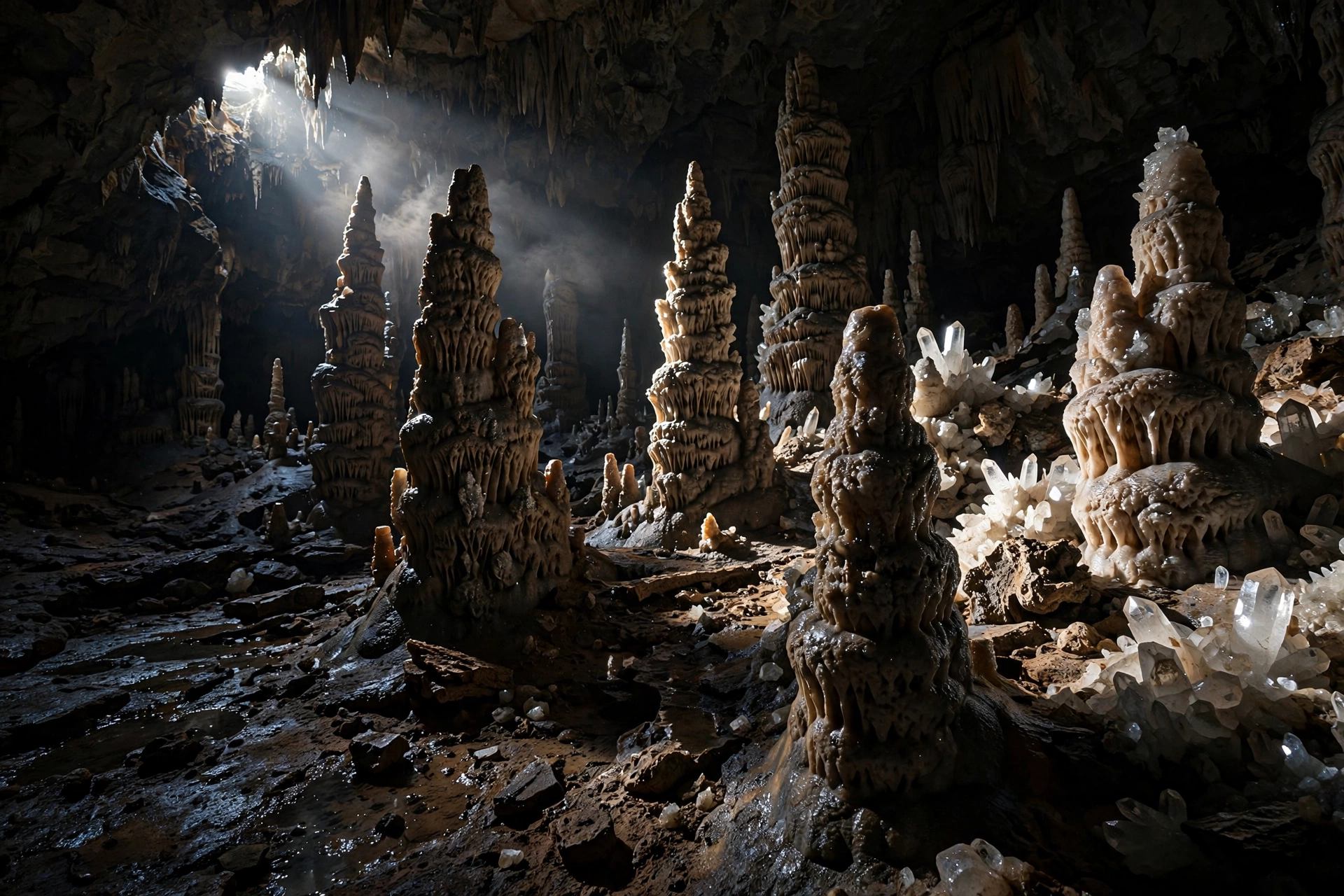
Krubera is not a fluke. It is a product of the Arabika massif, one of the most extraordinary karst landscapes on Earth. The plateau is a thick block of limestone and gypsum, lifted high by tectonic forces and then dissolved by millions of years of rainfall and snowmelt. The rock is soluble. The water is relentless. The result is a vertical labyrinth: pits that drop hundreds of meters in a single free fall, meandering canyons, and chambers that open like cathedrals in the dark.
This is the same geological machinery that built the world’s great caves. Son Doong in Vietnam, the largest cave passage on the planet, is a product of the same kind of limestone dissolution, just expressed horizontally instead of vertically. Krubera went down. Son Doong went wide. Both remind you that the Earth’s surface is only the lid.
For the adventure traveler, the Arabika region is worth knowing about even if you will never set foot in Krubera. The massif holds a concentration of super-deep caves that exists nowhere else, and the expeditions that explore them are among the most impressive feats of human endurance happening anywhere right now. Watching the data from the new monitoring network is, for most of us, the closest we will get, and honestly, it is a pretty good seat.
Can You Visit Krubera? The Honest Answer
Here is the problem-solving part, because somebody reading this is already googling flights. No, you cannot visit Krubera the way you visit a show cave. There are no tours, no walkways, no handrails, no gift shop. Access is restricted to scientific expeditions, and participation requires elite-level vertical caving skills, weeks of commitment, and connections with the speleological organizations that run the descents. The cave also sits in Abkhazia, a region with complicated politics and limited tourist infrastructure, which adds a layer of logistics on top of an already extreme undertaking.
If your goal is the experience of real vertical caving without the “deepest cave on Earth” part, the options are far better. Jomblang Cave in Indonesia offers a 60-meter guided rappel descent into a collapsed chamber with a famous shaft of light, open to ordinary travelers. Slovenia, France, Mexico and the United States all have vertical caves with commercial or club-organized descents. The itch that Krubera scratches, the feeling of going down into the planet, is absolutely available in safer, saner versions.
What the sensor network gives the rest of us is arguably better than a visit anyway. You cannot appreciate a 2,224-meter cave in a single trip; nobody can. But you can follow its live data, read the expedition reports, and understand a place that is, in a very real sense, a window into the Earth’s interior. Krubera is the closest thing we have to a borehole into the planet that you can stand inside.
What the Sensors Will Teach Us Next
The questions the monitoring network is set up to answer are the big ones. How fast does surface weather propagate two kilometers down? How much carbon dioxide is the deep karst releasing, and what does that say about the global carbon cycle? Do deep caves have their own weather systems, the way the largest caves develop their own climates? Son Doong famously generates its own clouds. Krubera, going straight down, may behave very differently, and now we will get to watch.
There is also the life question. The deep zones of these caves host strange, pale, blind creatures adapted to a world without light, and Krubera’s depths have barely been surveyed biologically. A permanent presence of instruments, and the expeditions that service them, will steadily build the first real picture of the deepest ecosystem on Earth.
When the four additional stations go in during 2027 and the network reaches the bottom, Krubera will go from the deepest known cave to the deepest instrumented place you can enter. That is a record worth following, and you can start now, while the first data is still coming in.
The Bottom Line
Krubera Cave is 2,224 meters deep, the deepest known cave on Earth, sitting in the Arabika massif of Abkhazia. In September 2026, an international expedition installed the first three live atmospheric monitoring stations inside it, at 60, 1,200 and 1,400 meters, with data transmitting online and four more stations planned for 2027. The early readings already show the air warming with depth and elevated CO2 that may come from a deep rock fissure, meaning the cave is, in a measurable sense, breathing.
You almost certainly cannot visit it. But you can follow the science, and right now the science is some of the most exciting happening underground anywhere on the planet. The deepest hole on Earth just got wired. Whatever it tells us next, we will be listening.
Found this story on Pinterest? Follow The Cavee for more underground adventures, and keep exploring right here on thecavee.com for the wildest caves on the planet. Read Full Story on thecavee.com.
Pingback: Sistema Chevé 2026: Inside the Race to Find the World's Deepest Cave