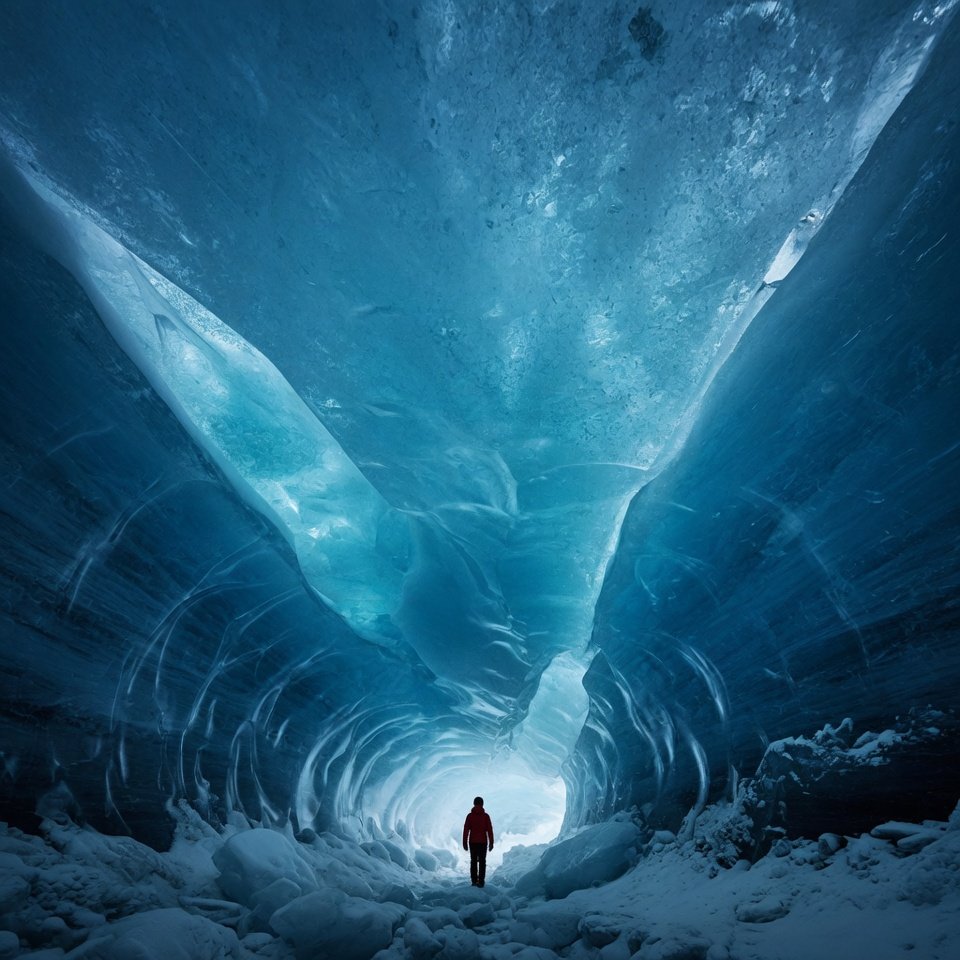
There is a particular kind of silence that exists only inside a glacier. No wind, no traffic, no birds. Just the faint sound of your own breathing and the soft blue glow of ice that has been compressing under its own weight for centuries. This is what waits for travelers who venture into the ice caves of Vatnajökull, Iceland’s largest glacier and one of the most extraordinary natural wonders in Europe.
Vatnajökull covers roughly eight percent of Iceland’s entire landmass, making it the largest ice cap on the continent. Beneath its surface, meltwater carves tunnels and chambers through the ice every summer. When winter arrives and temperatures drop, these tunnels freeze solid and stabilize, opening a short seasonal window during which travelers can walk inside them. The result is a network of natural ice caves that exist nowhere else on the planet in quite the same form, since no two seasons ever produce the same cave twice.
The Problem Travelers Run Into
Ice cave tourism in Iceland is booming, but that popularity has created confusion. Search results are flooded with dozens of operators, multiple glaciers, and vague promises of “the best ice cave experience.” Many travelers do not realize these caves are only accessible for a few months a year, or that no single cave can be guaranteed in advance because conditions change constantly. Booking blind often leads to disappointment, wasted money, or missing the season entirely. This guide lays out exactly when to go, what the experience actually involves, and how to choose a tour that matches your fitness level and travel style.
Why the Ice Glows Blue
The color is not an illusion or a trick of lighting. Glacier ice forms over hundreds of years as layers of snow compress under their own weight, squeezing out air bubbles in the process. The denser the ice becomes, the more it absorbs longer wavelengths of light like red and yellow, while reflecting the shorter blue wavelengths back to your eyes. This is why the oldest, most compressed sections of Vatnajökull glow in shades ranging from pale turquoise to deep sapphire, occasionally interrupted by dark streaks of volcanic ash trapped in the ice from past eruptions.
When to Visit
Natural ice caves at Vatnajökull are strictly a winter phenomenon, typically open from late October through April, with the most stable and reliable conditions between November and March. Outside this window, the caves are either flooded, structurally unsafe, or completely collapsed from summer melt. Unlike most Icelandic attractions where timing is a matter of preference, ice cave season decides your trip for you. If seeing a natural ice cave is a priority, your travel dates need to be built around it, not the other way around.
It is worth noting that a small number of caves, such as the Katla ice cave beneath Mýrdalsjökull and the man made Langjökull ice tunnel, remain accessible year round. However, the deep sapphire Crystal Ice Cave experience most travelers picture when they imagine Iceland is exclusively a winter offering.
What the Tour Actually Involves
Most Vatnajökull ice cave tours depart from Jökulsárlón Glacier Lagoon, the iceberg filled lake on Iceland’s South Coast that has become an attraction in its own right, thanks to the floating ice chunks that eventually drift out toward nearby Diamond Beach. From the lagoon, guides load small groups into modified super jeeps built to handle the rugged terrain leading up to the glacier’s edge.
The drive typically takes twenty to thirty minutes, followed by a short walk of five to fifteen minutes to reach the cave entrance. Once inside, visitors usually have up to an hour and a half to explore, take photographs, and listen to their guide explain the geology and history of the ice around them. Full tours generally run about three hours from start to finish. Crampons, helmets, and any other necessary safety gear are provided, and no prior glacier experience is required for the standard tours.
For travelers who want a deeper adventure, extended options exist that combine a longer glacier hike with the cave visit, sometimes lasting four to six hours and requiring a proper harness and rope work on steeper sections. These longer tours suit travelers with reasonable fitness who want more than a quick look and are willing to earn the view with some real hiking.
Choosing the Right Tour for Your Trip
If your main goal is simply to see a crystal ice cave without much physical strain, the standard Crystal Ice Cave tour from Jökulsárlón is rated easy and suitable for most people in fair condition. It involves minimal walking and focuses on the cave itself rather than the surrounding glacier.
If you want a fuller glacier experience with a real hike, crampons, and possibly a squeeze through a tighter passage, look for extended tours branded as glacier hiking combined with ice caving, often departing from Skaftafell within Vatnajökull National Park. These tend to be more physically demanding but reward travelers with a quieter, less crowded experience since fewer people opt for the longer version.
Pricing varies significantly depending on tour length and starting location. Day tours departing directly from the glacier lagoon area tend to be the most affordable option. Multi day packages from Reykjavik that include overnight stays, transportation, and additional South Coast stops can run considerably higher, sometimes several hundred dollars per person, reflecting the added logistics of the longer journey. Comparing a few operators before booking is worthwhile, since inclusions like gear rental, transport, and group size can vary even among similarly priced tours.
Practical Tips Before You Go
Dress in warm layers with waterproof outer clothing, since you will be walking on and around active glacier ice in cold, often windy conditions. Sturdy waterproof boots are essential, and most operators can rent proper hiking boots if you do not own a suitable pair. Roads leading to Vatnajökull can become icy or temporarily closed during storms, so building a buffer day into your itinerary is a smart move if the ice cave is a must see for your trip.
Because these are natural formations shaped entirely by weather and glacial movement, no tour operator can guarantee the exact cave you will visit, and photographs online may not perfectly match what you see on your specific tour date. Guides scout conditions daily and choose the safest, most visually striking cave available at the time, which is part of what makes each visit genuinely unique rather than a rehearsed, identical experience for every visitor.
A Disappearing Wonder Worth Seeing
Perhaps the most powerful part of visiting a Vatnajökull ice cave is understanding that it is temporary in the truest sense. The exact chamber you walk through this winter will not exist in the same form next year. Meltwater will reshape it, sections will collapse, and new caves will form elsewhere on the glacier. Standing inside centuries old ice that will not look the same again is a rare kind of travel experience, one that rewards those willing to plan around nature’s schedule rather than their own.
For more real, verified adventure travel guides like this one, including glacier expeditions, hidden caves, and detailed seasonal planning tips from destinations around the world, follow along and read the full story on thecavee.com.
Pingback: How to Photograph a Cave: 11 Tips for Stunning Underground Shots (Without Fancy Gear) – thecavee