Spring Is Almost Over in the Grampians: Your November Guide to Gariwerd’s Peaks Trail, Wildflowers and Rock Art
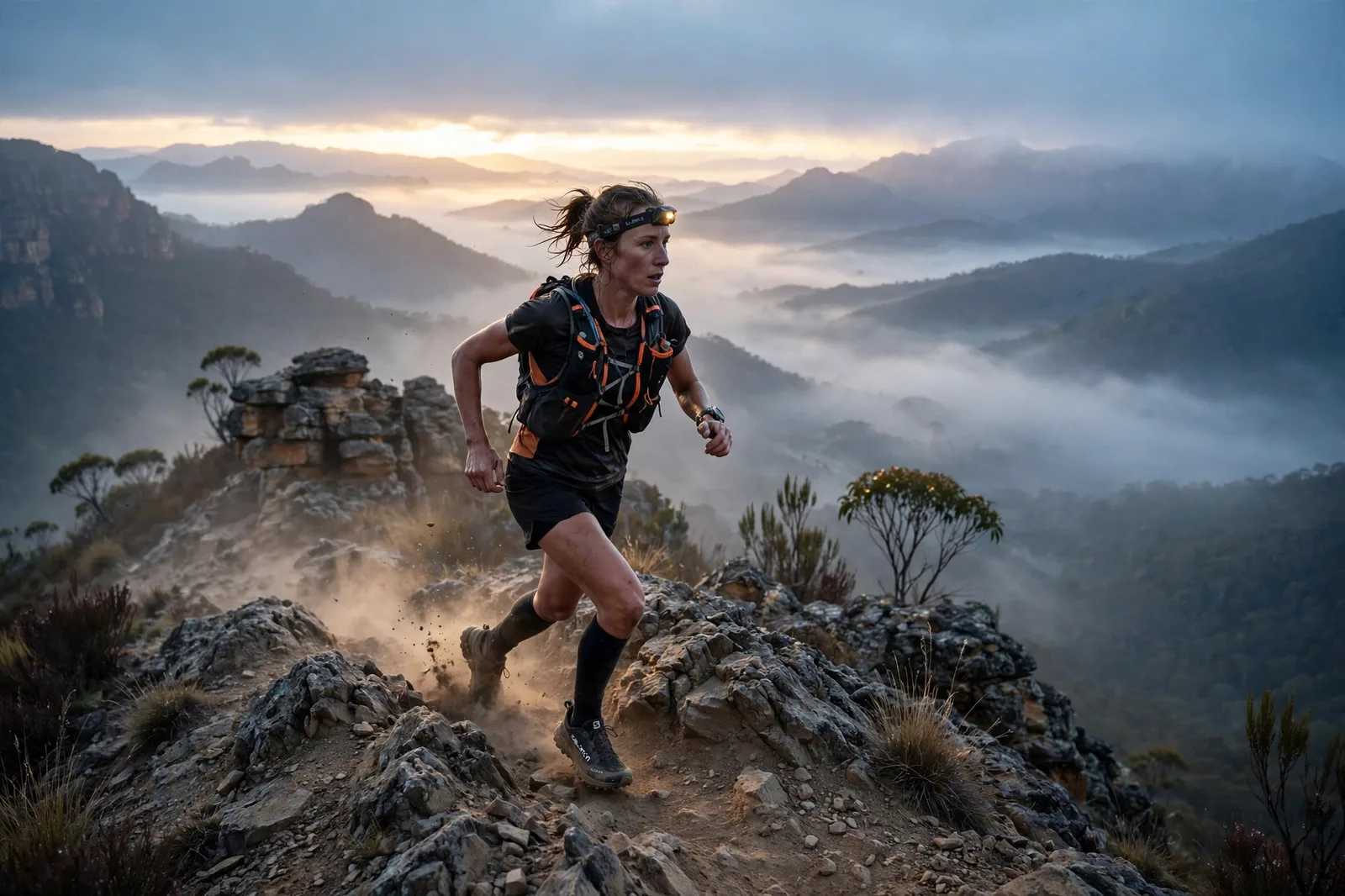
If you have been meaning to walk in the Grampians, this is the week to stop meaning to and start planning. November is the last full month of spring in Victoria, Australia, and it is also the month when the Grampians Peaks Trail gets its hardest test of the year. From 5 November to 8 November 2026, the GPT 100 Miler trail running event follows the full 162 km length of the trail, from Mount Zero in the north to Dunkeld in the south. That means wildflowers are still out, the waterfalls are still running after spring rain, and the trails are about to get very busy for a few days. It also means you need a plan, not just a wish.
I am not going to pretend this is an easy walk in a pretty park. Gariwerd, the traditional name for the Grampians, is rugged in the best sense. The sandstone ridges are steep, the weather can turn in an afternoon, and some of the most famous lookouts earn their views with a proper climb. But that is exactly why it sticks with you. You walk through country that has held meaning for the Jardwadjali and Djab Wurrung peoples for thousands of years, you stand on rock that was already old when the first stories about it were told, and then you go back to Halls Gap for a hot meal and a shower. Adventure does not have to mean suffering. It just has to mean something.
This guide solves the problem most people actually have with the Grampians. They know it is beautiful, they have seen the photos of the Pinnacle, and then they freeze. Do they need 13 days? Do they need a tent? What if they only have a weekend? The honest answer is no, you do not need to walk the whole thing, and a long weekend done well beats a rushed thru hike every time. Here is how to do November right.
Why November is the sweet spot, and what can go wrong
Spring in the Grampians runs from September to November, and for walkers it is the kindest season. The days are mild compared with summer, the wildflowers are out in force, and the waterfalls have water in them. Guides and local writers keep saying the same thing for a reason: September to November is peak wildflower season, with orchids, trigger plants and carpets of colour along the tracks, and the display varies with elevation and recent rainfall. If you come in late November, you are catching the tail end of that show, which is a good reason to go now rather than wait for summer heat.
November also brings a very specific complication in 2026. Parks Victoria lists the GPT 100 Miler from Thursday 5 November to Sunday 8 November 2026, following the full 162 km trail. Runners will be out there in stages, and the same Parks Victoria page warns of possible temporary delays for other hikers. That is not a reason to cancel. It is a reason to avoid the busiest sections on those four days, start early, and pick a day walk that is not on the race route if you want quiet. If you love atmosphere, the opposite applies. Go to Halls Gap that weekend, cheer the runners through, and soak up the buzz, just do not expect an empty trail.
There is a second November catch, and it matters more than the race. Some tracks are closed after the 2024/25 summer bushfires. Parks Victoria notes that the Billimina Walk and Rock Art Shelter remain closed because of track damage, and the Fortress Walk and the Fortress Hike-in Camp remain closed for the same reason. An alternative in that area is the Manja Walk to the Manja Shelter, another Aboriginal rock art site in the Victoria Range. The lesson is simple and worth repeating: check the Parks Victoria closures page on the morning you walk, not the week before. Fire recovery work changes, and a closed track is not a suggestion.
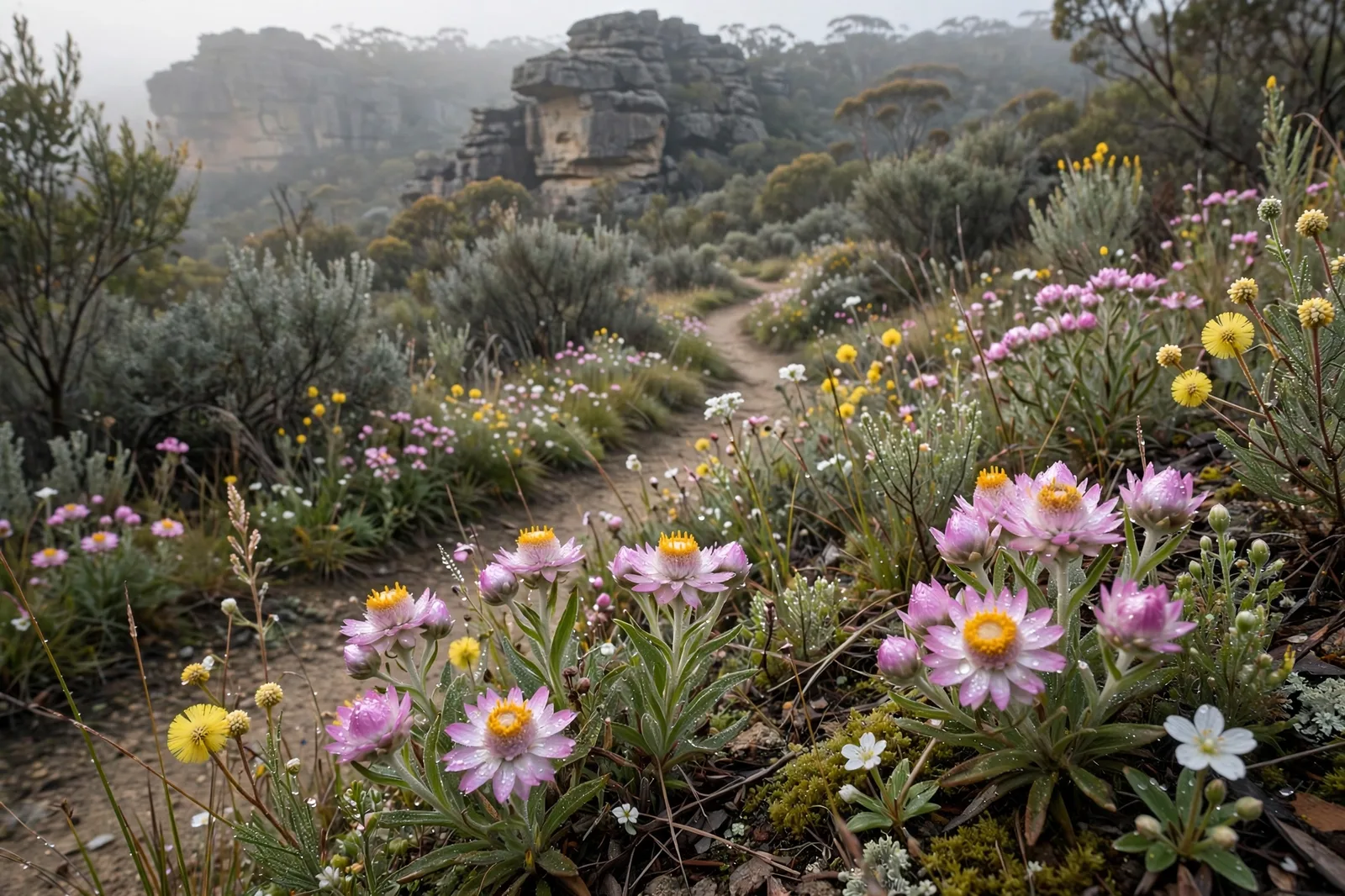
The Peaks Trail in plain English
The Grampians Peaks Trail, often shortened to GPT, runs about 160 km through Grampians National Park, from Mount Zero in the Northern Grampians to Dunkeld in the south. It opened in late 2021 and it quickly earned a reputation as one of Australia’s most spectacular long distance hikes. You will see both figures, about 160 km and 162 km, in different listings. The difference comes down to how the route is measured and which sections are counted, so think of it as a 160 km plus trail, not a precise number you need to memorise.
The trail is not one single walk. It is a chain of sections with hike in campsites, and it passes through very different country: rugged cliffs, rocky outcrops, rainforest gullies, windswept escarpments and broad panoramas that open up when you least expect them. It also passes through the lands of the Djab Wurrung and Gariwerd Aboriginal people, and that cultural layer is not decoration. The rock art sites, the stories held at Brambuk, the National Park and Cultural Centre in Halls Gap, and the sheer age of human connection to this place are part of why the walk feels different from a generic mountain trail.
For most readers, the full thru hike is not the goal. The goal is to taste the trail properly in two or three days, sleep in a real bed, and go home wanting more. That is a perfectly respectable way to do Gariwerd, and frankly it is how most locals would tell you to start.
Do it without quitting your job: the best day sections
Start in Halls Gap. It is the natural base, with food, accommodation and the Brambuk centre, and it puts you within easy reach of the classic walks. If you only have one day, walk to the Pinnacle. The path up from Halls Gap is a proper climb, and the view from the top, Halls Gap spread below and Lake Bellfield beyond, earns every step. Go early. Local advice is to begin hikes before 8 a.m. to avoid heat, catch sunrise over the lookouts and secure parking at popular trailheads. In November that advice still holds, especially on fine weekends when the lookouts get busy.
On your second day, head for the Balconies. These are the thin sandstone ledges jutting over the valley that you have seen in a hundred photos, and they are even better at sunset, when the orange light hits the rock and the valley drops away below you. The walk itself is gentler than the Pinnacle, which makes it a good pairing: one hard morning, one golden evening, and you have seen two completely different faces of the park.
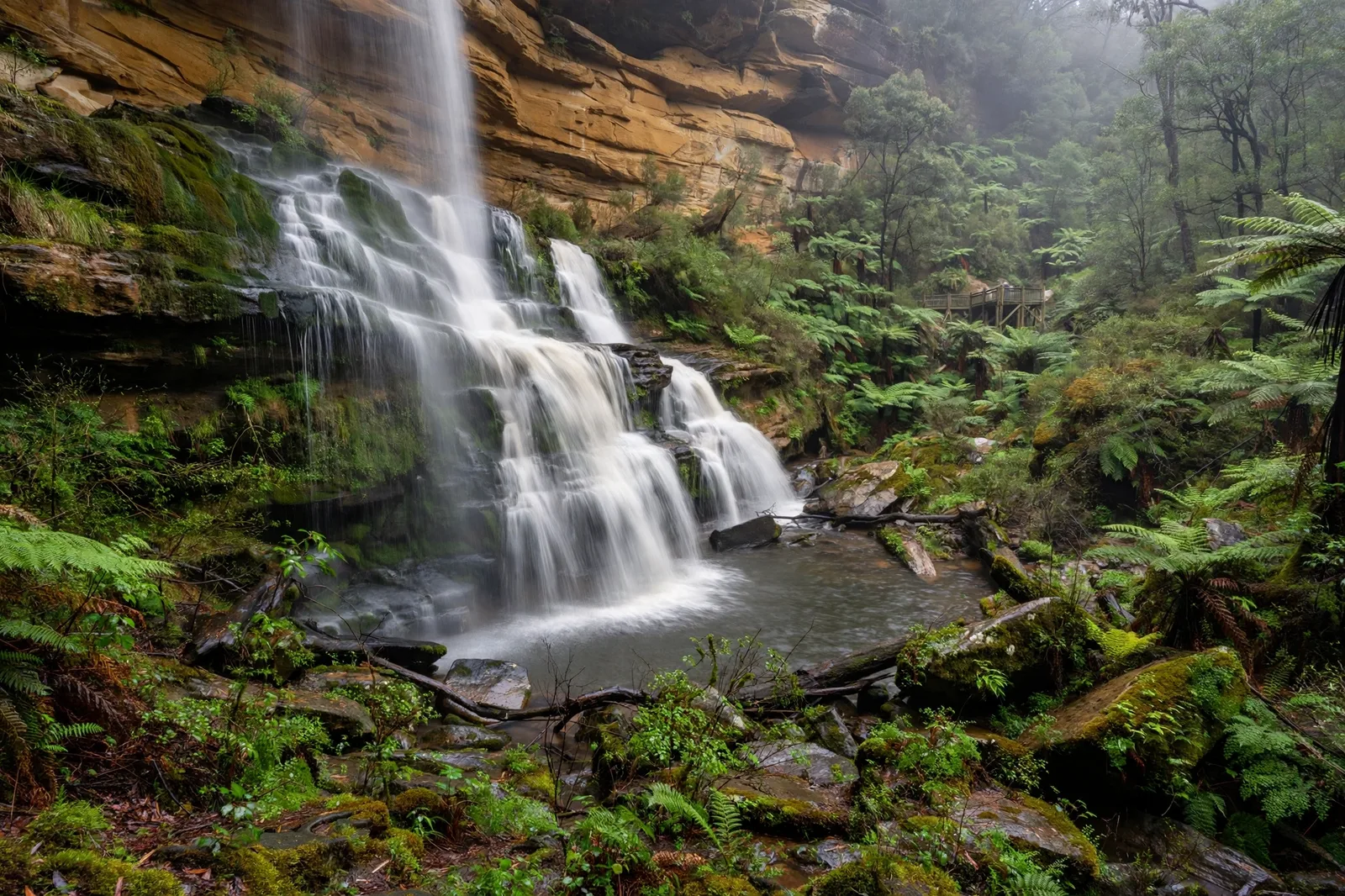
If you have a third day, use it for water and quiet. The gullies hold waterfalls that run strongest in spring, and the fern lined pools are a world away from the exposed ridges. Walk slowly, listen for birds, and let the day be shorter than you planned. The Grampians reward walkers who leave time to stop. The ones who rush from lookout to lookout see the postcards. The ones who pause see the place.
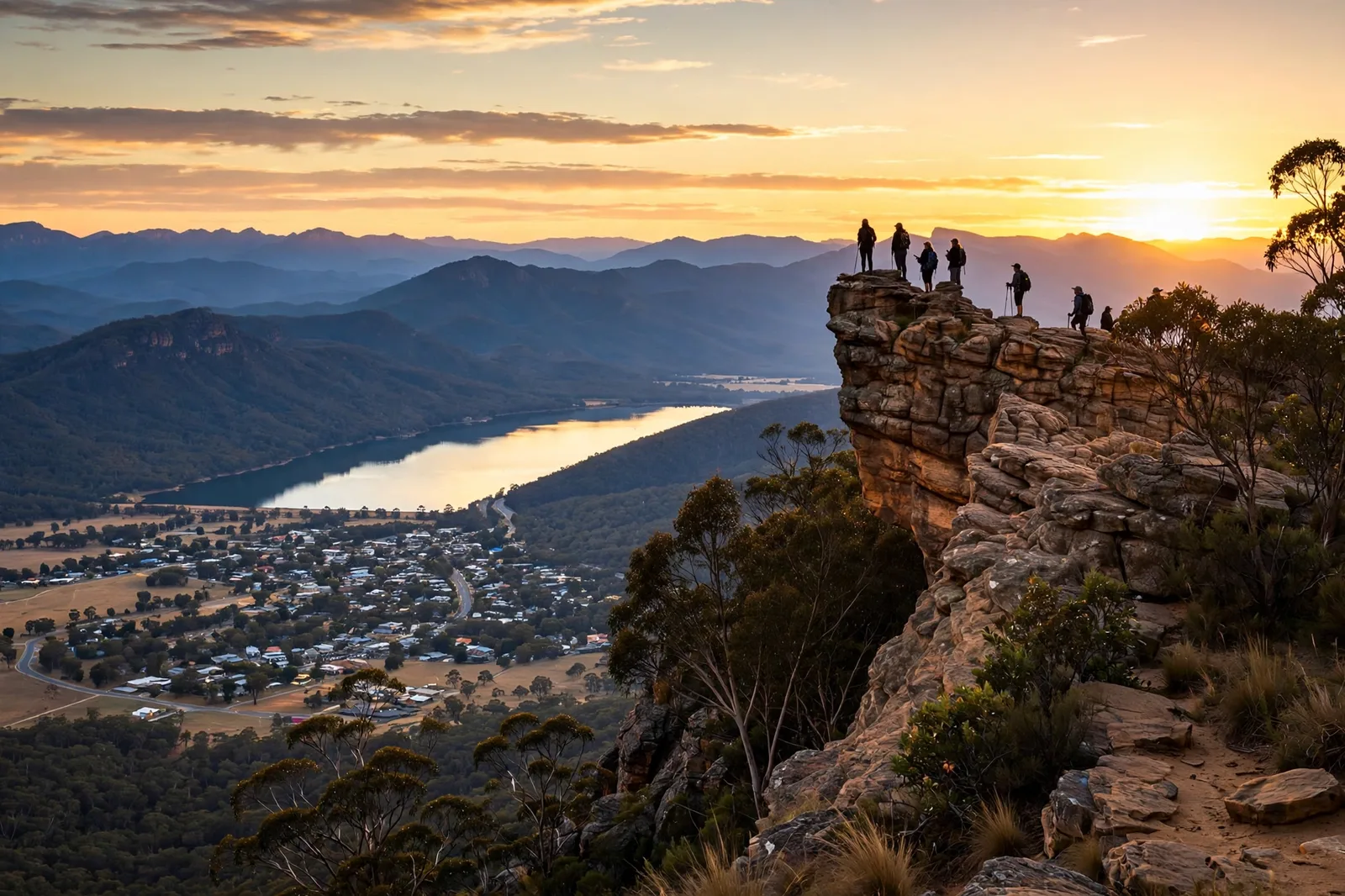
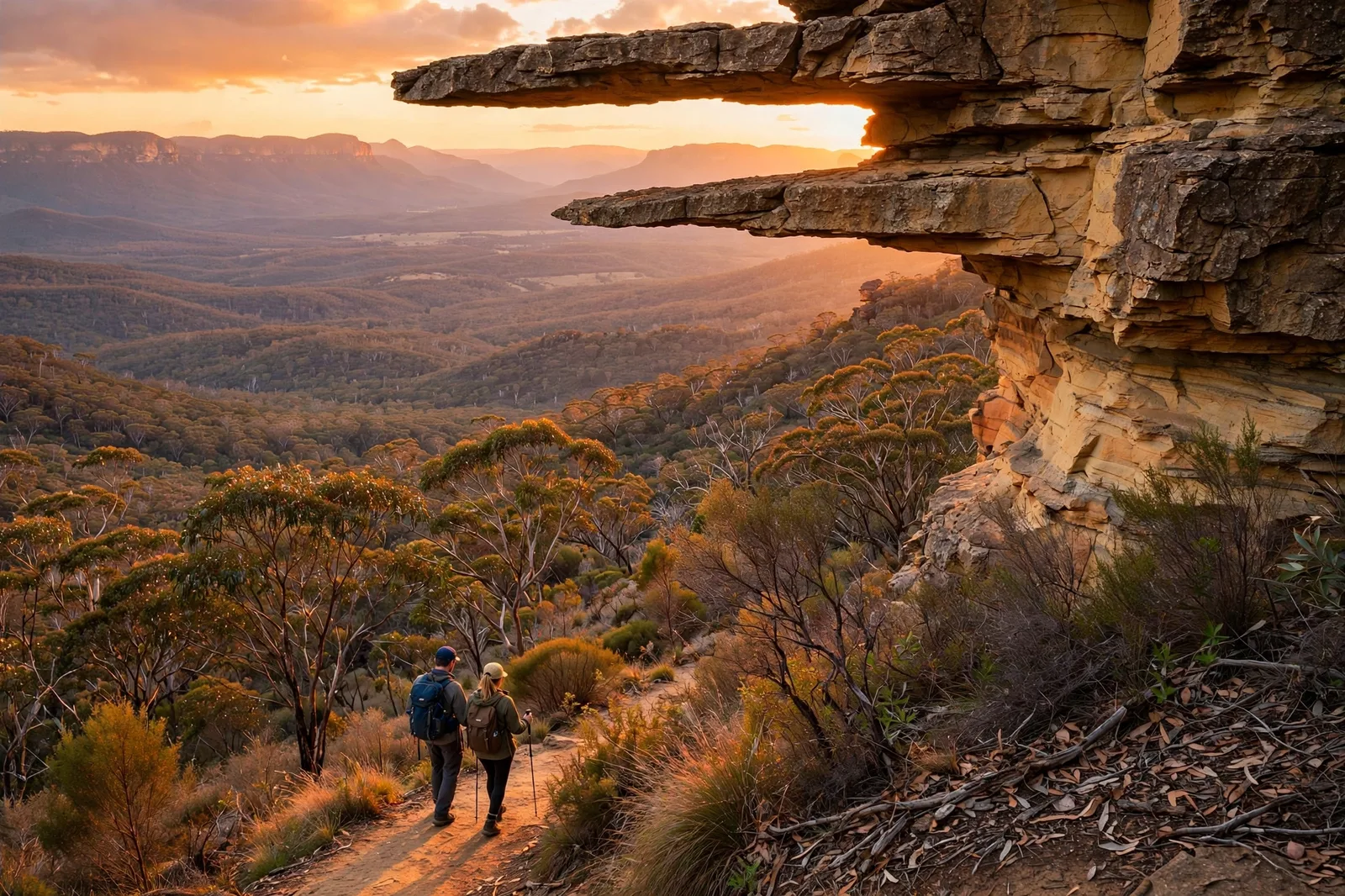
Rock art: look, do not touch, and understand why
The Grampians hold more than 60 Aboriginal rock art sites, with five open to the public. That number alone should slow you down. These are not museum pieces behind glass. They are living cultural places, painted on sandstone that is fragile, exposed to weather, and damaged by a single careless touch. Bunjil’s Shelter, one of Victoria’s most significant rock art sites, holds a wedge tailed eagle painted on sandstone that has been there for thousands of years. Writers who know the place describe it the same way every time: a quiet, serious place, worth approaching that way.
Brambuk, the National Park and Cultural Centre in Halls Gap, is where to start before you go looking for art on the rock. It is the cultural centre for the Jardwadjali and Djab Wurrung people, and its exhibits on the history and culture of this country are worth more than a quick pass through. Go there first, ask questions, and learn which sites are open, which are closed for cultural or safety reasons, and how to behave at each one. The rules are not complicated: stay on marked viewing areas, do not touch or climb on rock art, follow the signage, and keep a respectful distance so the pigments survive for the next generation.
This matters in November for a practical reason too. Some rock art shelters are closed, as noted above, and climbing areas and sensitive sites can have seasonal closures. A respectful walker checks first, accepts a closed gate without argument, and chooses the open alternative. That is not missing out. That is how you get invited back, in spirit if not in person, to a place that has welcomed people for millennia.
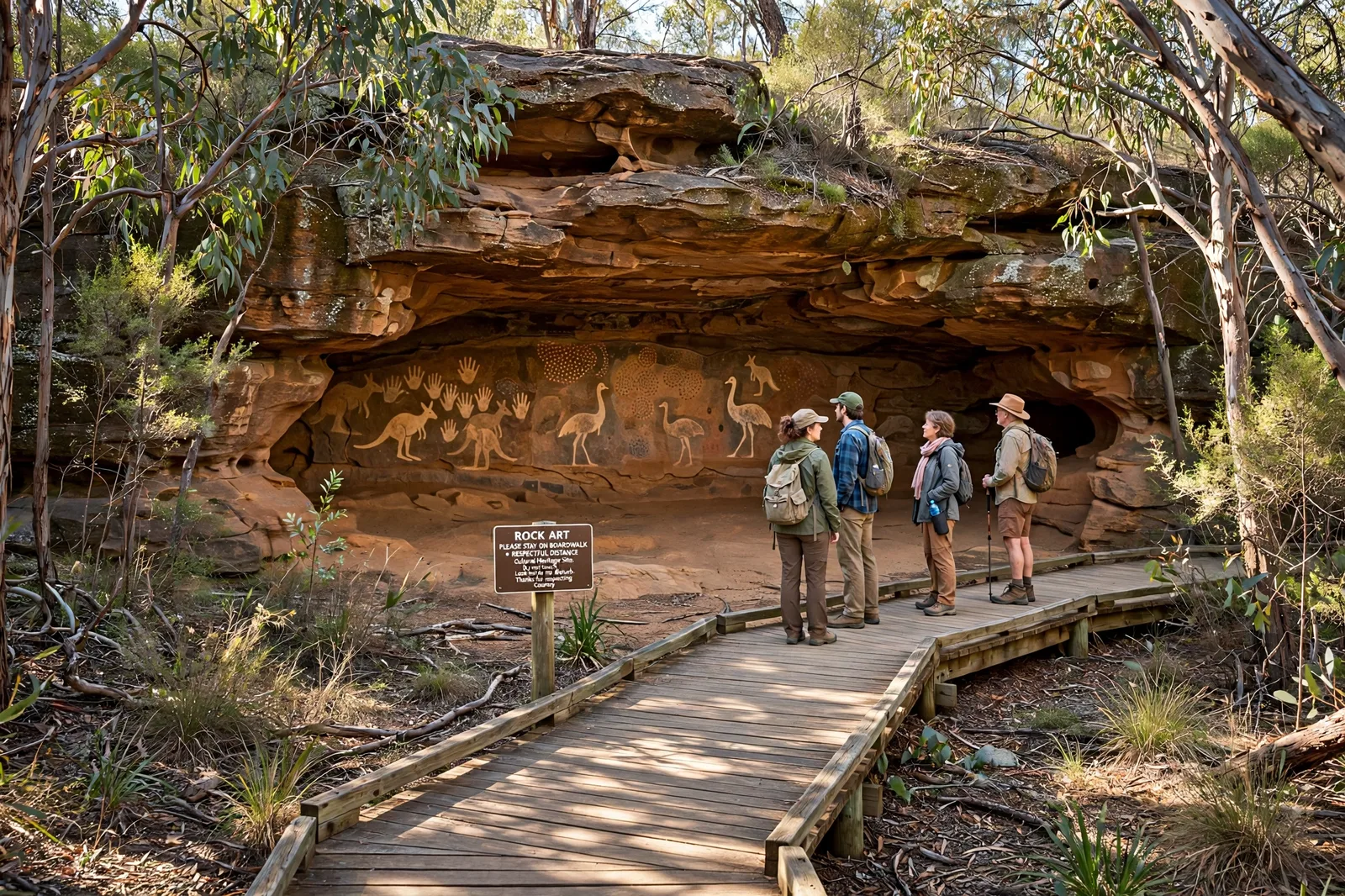
Wildlife, waterfalls and the small moments that make the trip
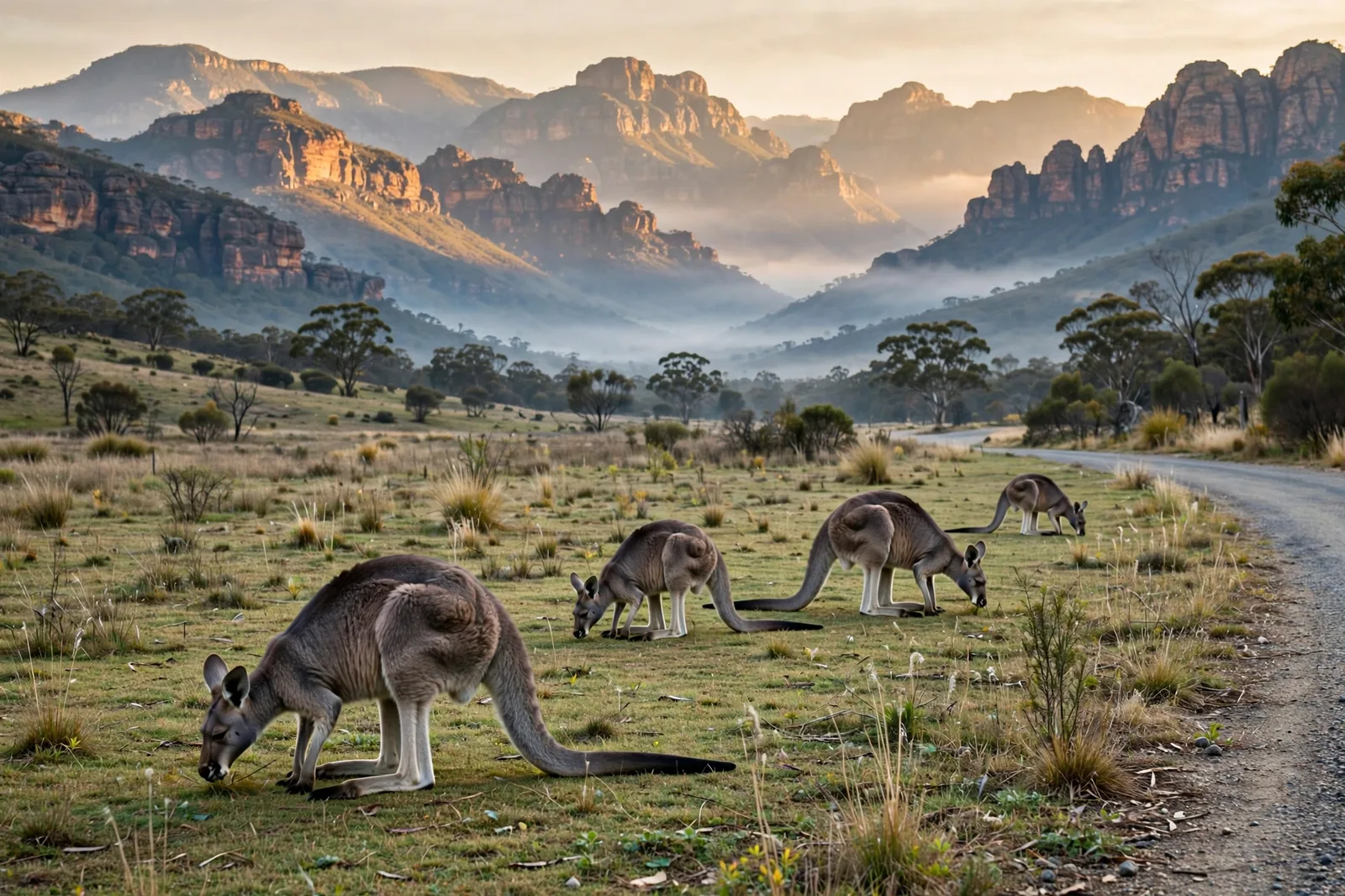
Everyone asks about kangaroos, and yes, you will probably see them, especially around Halls Gap at dawn and dusk, grazing on open grassland with the ranges behind them. Koalas are harder, quieter, and more of a lucky bonus than a guarantee. The real wildlife show in November is smaller and louder: birdsong in the gullies at first light, wildflowers you have to crouch down to see properly, and the sudden cold air near a waterfall after a warm climb.
The waterfalls deserve a morning of their own. Spring rain keeps them flowing, and the fern gullies feel like a different park from the dry ridges above. Take a waterproof layer even if the forecast looks kind, because a gully can be damp and cool when the lookout above is sunny. Take water even on a short walk, because the Grampians sun is stronger than it looks in November, and the climbs are steeper than the photos suggest.
A practical three day plan for November
Day one: arrive in Halls Gap, visit Brambuk, and walk to the Pinnacle in the late afternoon if you arrive early enough, or save it for a dawn start on day two. Eat well, drink more water than you think you need, and lay out your gear the night before. Day two: Pinnacle at first light, a slow lunch in Halls Gap, then the Balconies for sunset. Day three: a waterfall gully walk in the morning, Bunjil’s Shelter and a second visit to Brambuk if you want the cultural story to land properly, and the drive home with time to spare. If the GPT 100 Miler is running during your visit, swap day two for a quieter section and watch the race atmosphere from town instead of fighting for trail space.
Book accommodation early for race weekend and for any fine November weekend. Halls Gap is not a big town, and the combination of spring wildflowers and a 162 km race fills beds fast. The same goes for campsites and for any guided walk or climbing instruction you want. Local operators offer guided climbing and instruction, but you need to book in advance, especially in peak seasons.
What to pack, and the mistakes to skip
Pack for two parks in one day. A sun hat and sunscreen for the ridges, a warm layer and a rain jacket for the gullies and for a sudden change, sturdy shoes with grip for sandstone that can be slippery after rain, and more water than feels polite. A phone is useful for maps and photos, but do not rely on it alone. Tell someone your route and your expected return time, especially if you are walking alone, and check the Parks Victoria page for closures, fire recovery work and event delays before you set out.
The mistakes are predictable, which means they are avoidable. Do not start at midday on a hot day and wonder why the climb feels brutal. Do not touch rock art for a photo. Do not assume a closed track will be fine if you are careful. Do not try to walk the whole Peaks Trail in a weekend. And do not skip Brambuk because you are in a hurry to get to a lookout. The lookout will still be there. The story behind it is what turns a nice view into a memory.
Why this trail is worth your November, honestly
There are easier places to walk in Australia, and there are harder ones. The Grampians sit in the sweet spot between the two: hard enough to feel like an achievement, gentle enough in day sections to share with friends and family, and rich enough in culture and wildlife to reward you even on a short visit. November adds urgency without adding danger, if you respect the closures and the race weekend. The wildflowers will not wait for you. Next month they will be gone, the heat will be up, and you will be reading someone else’s photos and wishing you had gone.
If you love long trails, the Grampians are also a good training ground for bigger dreams. The same skills, early starts, water discipline, respect for cultural places, checking closures before you go, carry over to every great walk. Readers who enjoyed our guide to Vietnam’s Ha Giang Loop motorbike route will recognise the same logic: a famous route is only as good as the planning behind it. If high mountain trekking is more your thing, our Upper Mustang permit guide for Nepal covers a very different kind of altitude and paperwork. And if ice and wild light call to you, our Iceland ice cave guide is the cold weather cousin of this warm spring walk.
For the official word on track conditions, closures and the GPT 100 Miler dates, check Parks Victoria’s Grampians Peaks Trail page before you travel. For a broader November travel picture, including why Panama, Ghana and the Grampians region all made recent November 2026 lists, see Travel and Tour World’s November 2026 destinations guide. Conditions change, so let the official page have the last word on the day you walk.
Go in November. Start early. Look, do not touch, at the rock art. Stand on the Pinnacle while the light is good, watch the Balconies turn orange, and leave Gariwerd a little better than you found it. Then come back and tell us which section you would do next, because almost everyone who walks one section starts planning the next one on the drive home.
Found this guide useful? Pin it, share it, and follow The Cavee on Pinterest for more adventure travel guides. Read Full Story on thecavee.com, and start your Grampians plan today.