Cape Town in November: South Africa Just Topped the Adventure World, and This Is the Month to See Why
There is a particular kind of traveler who always arrives a month too late. They land in December, join the longest queue they have ever seen, pay the highest price of the year, and then wonder why the place they dreamed about felt like a theme park. Cape Town in November is the answer to that exact problem. The weather has already turned warm, the summer crowds have not arrived yet, and just this week South Africa was named the top adventure travel destination in a major international survey. If you have ever wanted Cape Town without the chaos, this is your window, and it is open right now.
I will be honest with you. Cape Town does not need hype. It has a flat topped mountain in the middle of a city, penguins on a beach, two oceans worth of coastline within a day trip, and wine country an hour away. What it does need is timing. Get the timing wrong and you spend your holiday in queues and traffic. Get it right, in November, and the same city feels generous. The light is long, the air smells like salt and fynbos after a warm day, and you can still get a table without booking three weeks ahead.
Why South Africa is suddenly the story everyone is talking about
On November 3, 2026, news broke that South Africa had topped the Global Rescue Autumn 2026 Traveller Sentiment and Safety Survey for adventure travel destinations. Experienced international travelers put South Africa first, ahead of the United States in second place and Argentina in third. It was also the only destination to appear in the top five for both US and non US respondents, which is a rare kind of consensus in travel.
That matters for a simple reason. Surveys like this do not just measure popularity. They measure intent. When seasoned travelers, the people who have already done the obvious trips, say they want South Africa next, it usually means prices, flights and hotel rooms follow within a few months. November is the sweet spot before that wave fully lands. You get the buzz without the price spike, and you get to say you went when the world was just waking up to it.
Cape Town is the natural starting point for that trip. It is the city where most South African adventures begin, and it packs an absurd amount of variety into a small area. You can hike a mountain in the morning, swim with penguins in the afternoon, and be tasting wine in Stellenbosch by sunset. Very few cities on Earth let you do that in one day without a flight in between.
November weather: warm, long days, and one wind you need to respect
November in Cape Town is late spring turning into early summer. On November 4, 2026, the city was sitting around 24 degrees Celsius in the afternoon, with sunrise at about 5:43 in the morning and sunset after 7:15 in the evening. That is a lot of daylight for a holiday, and it changes how you plan. You can start early, take a long lunch, and still fit in a sunset hike.
Most November days land in the low to mid 20s Celsius, with warmer spells pushing into the high 20s. Rain is possible but far less common than in winter, and the slopes are still green from spring. The one thing to watch is the wind. Locals call the strong southeaster the Cape Doctor, because it blows the cloud off Table Mountain in a white tablecloth and clears the air. It can also close the cableway and sandblast the Atlantic beaches in the afternoon. The fix is simple. Do your mountain plans in the morning, when the air is usually calmer, and keep your afternoons flexible.
Pack for layers, not just summer clothes. Mornings can be cool, the top of Table Mountain can be several degrees colder than the city below, and the ocean water is still brisk, usually around 14 to 16 degrees on the Atlantic side. Bring sunscreen anyway. The November sun is strong, and the UV index regularly hits very high by midday.
Table Mountain first, and do it the smart way
Table Mountain is 1,085 meters of flat topped rock, and it dominates every photo of Cape Town for a reason. The cableway takes about five minutes to the top in rotating cars, and as of October 2026 an adult return ticket cost R475 online or R530 at the ticket office. That is roughly 29 dollars online, which is a bargain for one of the great viewpoints on the planet.
Here is the problem most visitors create for themselves. They leave Table Mountain until the last day, then discover the cableway is closed for wind or cloud. Do not do that. Check the live cableway status on your first morning, and go on the first clear, calm day you get. If you love hiking, the Platteklip Gorge route is the most direct climb, a steep two to three hour effort that rewards you with the same summit. Take water, a hat, and a wind layer, and never hike alone in bad weather. The mountain changes fast, and the rescue teams here are busy for a reason.
Once you are up top, slow down. Most people take three photos and head back down. Walk the paths instead. The views switch from city to ocean to mountain valleys in a few minutes, and the fynbos plants up there grow nowhere else on Earth in quite the same mix. If the famous tablecloth cloud rolls in, enjoy it for a few minutes, then head down before the cableway queues build. A clear morning on Table Mountain will stay with you longer than almost anything else in the city.
Lion’s Head at sunset is the hike you will actually brag about
If Table Mountain is the postcard, Lion’s Head is the story you tell at dinner. The round trip takes about two to three hours, with chains and ladders near the top that make it feel like a proper little adventure without needing climbing gear. Go for sunset if you can. The city lights come on below you, the ocean turns gold, and the whole bowl of Cape Town glows at once.
Book a sunset slot with a little care. It is popular, so start early enough that you are not rushing the steep sections in fading light, and bring a headlamp for the way down. The trail is rocky and the chains section is not for anyone with a fear of heights, but fit beginners manage it every day. If heights are not your thing, Signal Hill next door gives you almost the same sunset view from a roadside viewpoint, with zero climbing required. There is no shame in that choice. The view is the point, not the suffering.

Penguins, Cape Point, and the drive everyone gets wrong
The Cape Peninsula day trip is where many Cape Town holidays go sideways, and it is almost always because people leave too late. Start by 8 in the morning. Drive first to Boulders Beach near Simon’s Town, where a colony of endangered African penguins nests among granite boulders. Boardwalks at Foxy Beach let you watch nesting birds from a few meters away, and the next cove along lets you swim in sheltered water while penguins waddle past, as long as you give them space and never touch or feed them.
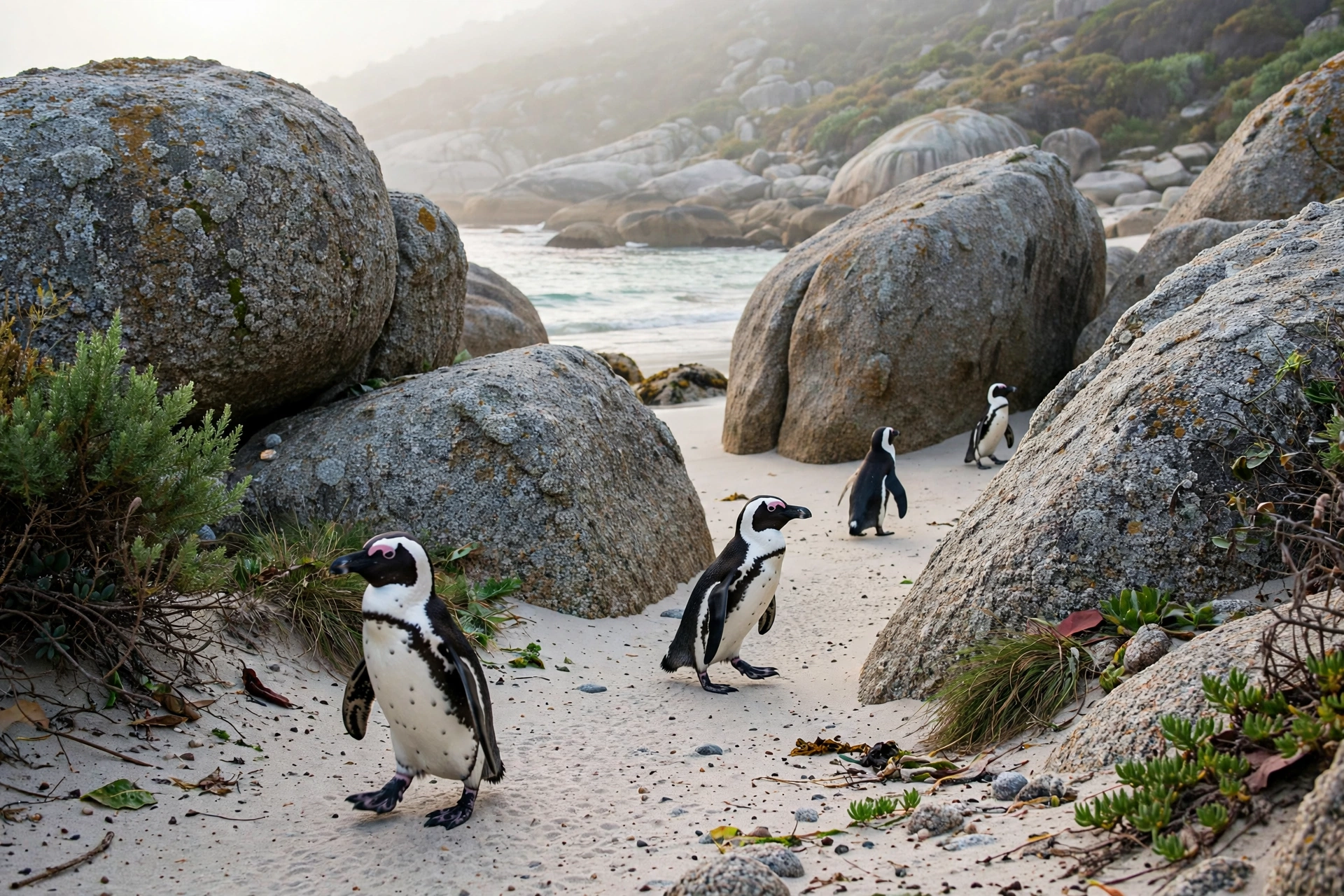
Entry fees changed on November 1, 2026, so check the current SANParks rate before you go. The previous adult rate for international visitors was R245, and the new season rate may differ. Arrive early, before the tour buses, and you will have the boardwalks almost to yourself. That early quiet is worth more than any filter.
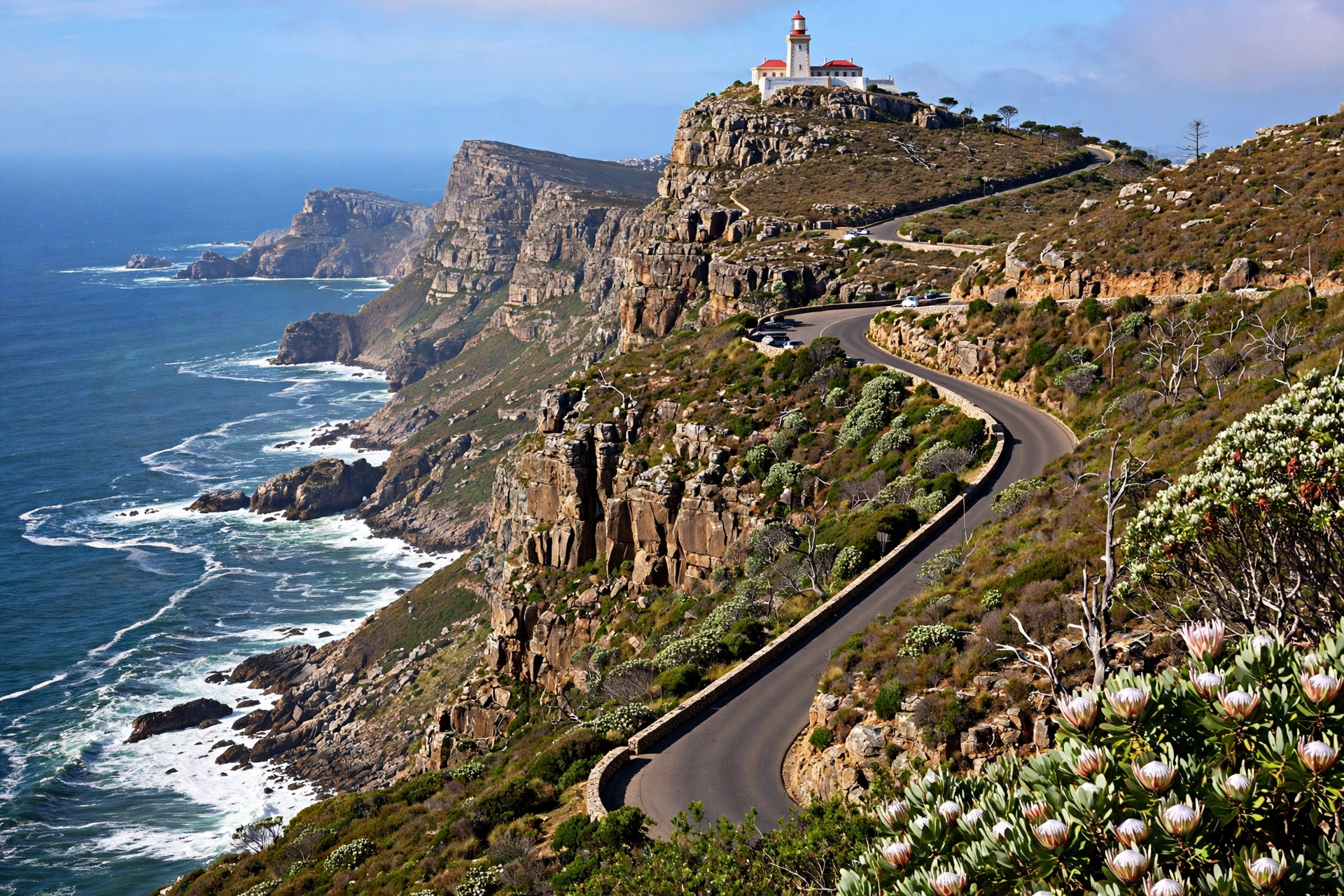
From there, follow Chapman’s Peak Drive, one of the great coastal roads in the world, down to Cape Point. The cliffs, the lighthouse, and the sense of standing near the southwestern tip of Africa are genuinely moving, especially if you walk up to the old lighthouse instead of just photographing the sign. The common mistake is trying to squeeze the peninsula into a rushed afternoon. Give it a full day. Stop for fish and chips in Simon’s Town or Kalk Bay on the way back, watch the seals at the harbor, and let the day breathe.
Bo-Kaap and Kirstenbosch: the slow, colorful side of the city
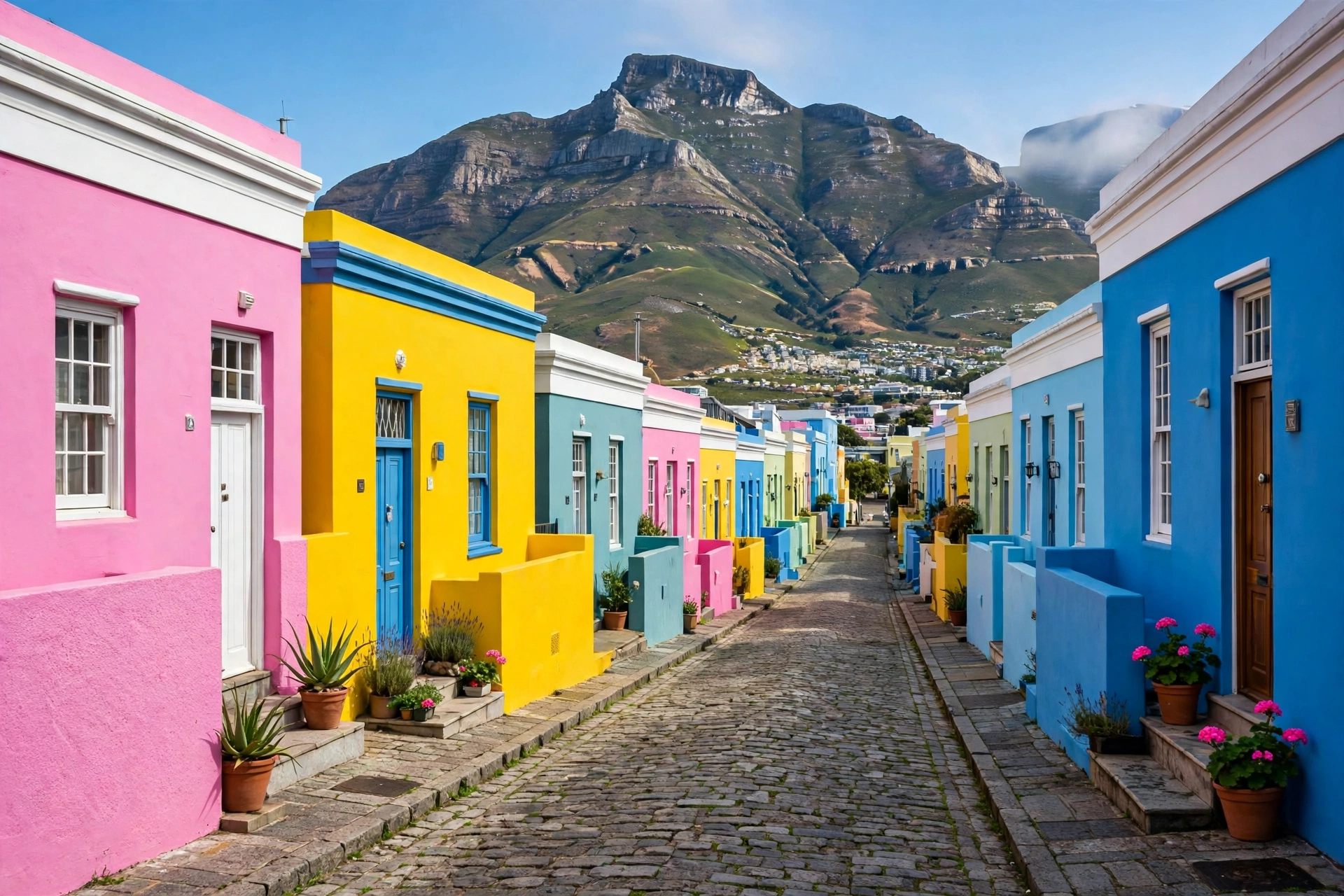
Not every great Cape Town day needs adrenaline. Bo-Kaap, the historic neighborhood of brightly painted houses on the slopes of Signal Hill, is best on foot in the morning. The colors are famous, pink and yellow and blue facades in a row, but the story matters more. This is a living community with deep Cape Malay heritage, mosques, spice shops, and family restaurants serving bobotie and koesisters. Walk respectfully, keep voices down on residential streets, and eat lunch here instead of just taking photos and leaving.
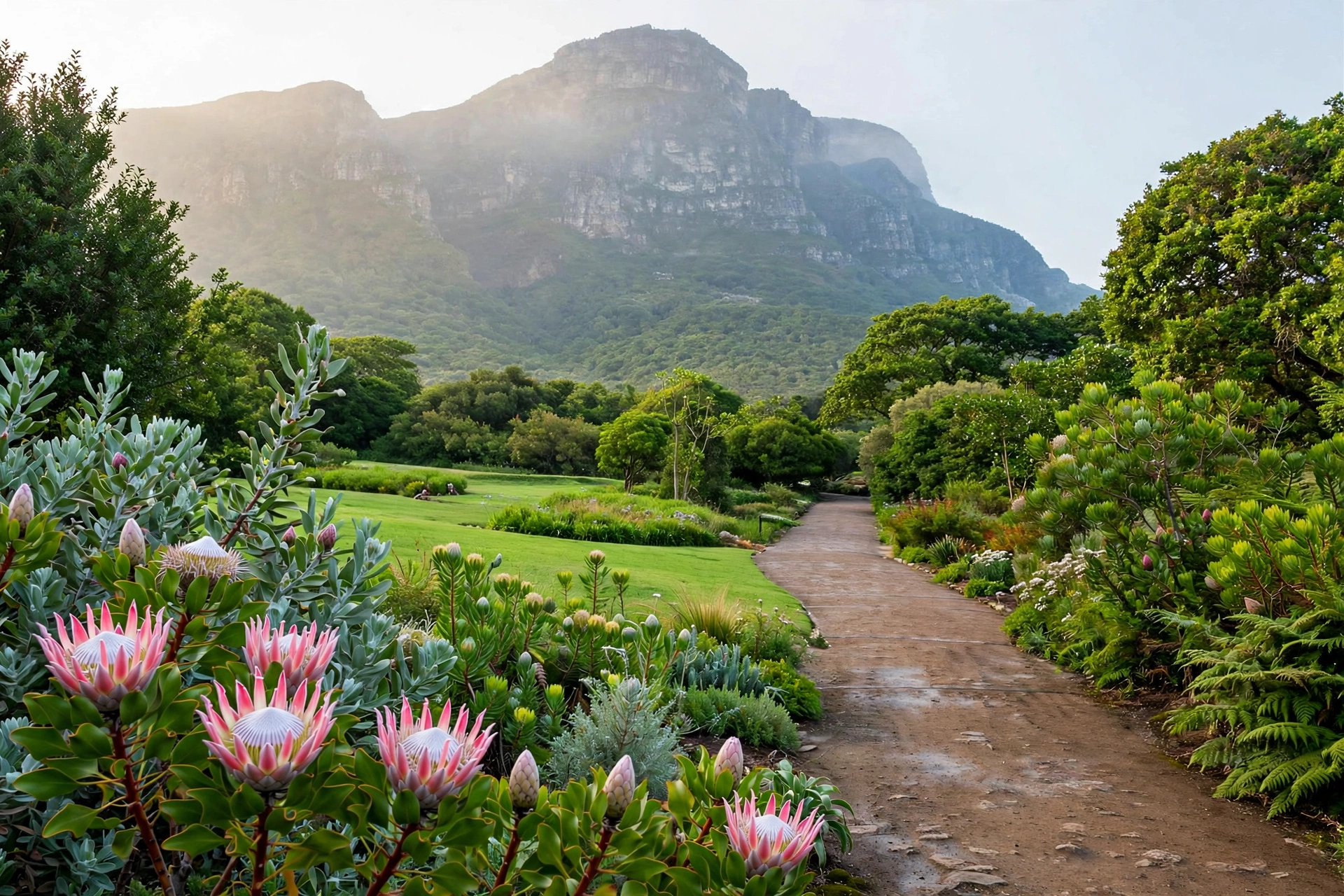
Kirstenbosch National Botanical Garden is the other slow treasure. Set on the eastern slopes of Table Mountain, it is a garden that feels like a national park, with proteas, tree ferns, and a canopy walkway that lets you stroll above the trees. In late November the summer sunset concerts begin on Sunday evenings, with picnics on the lawn below the mountain. If your trip stretches into that last week of November, check the program. It is the most Cape Town evening you can have, and it costs far less than a fancy restaurant.
Wine country in an hour, and why you should not drive yourself
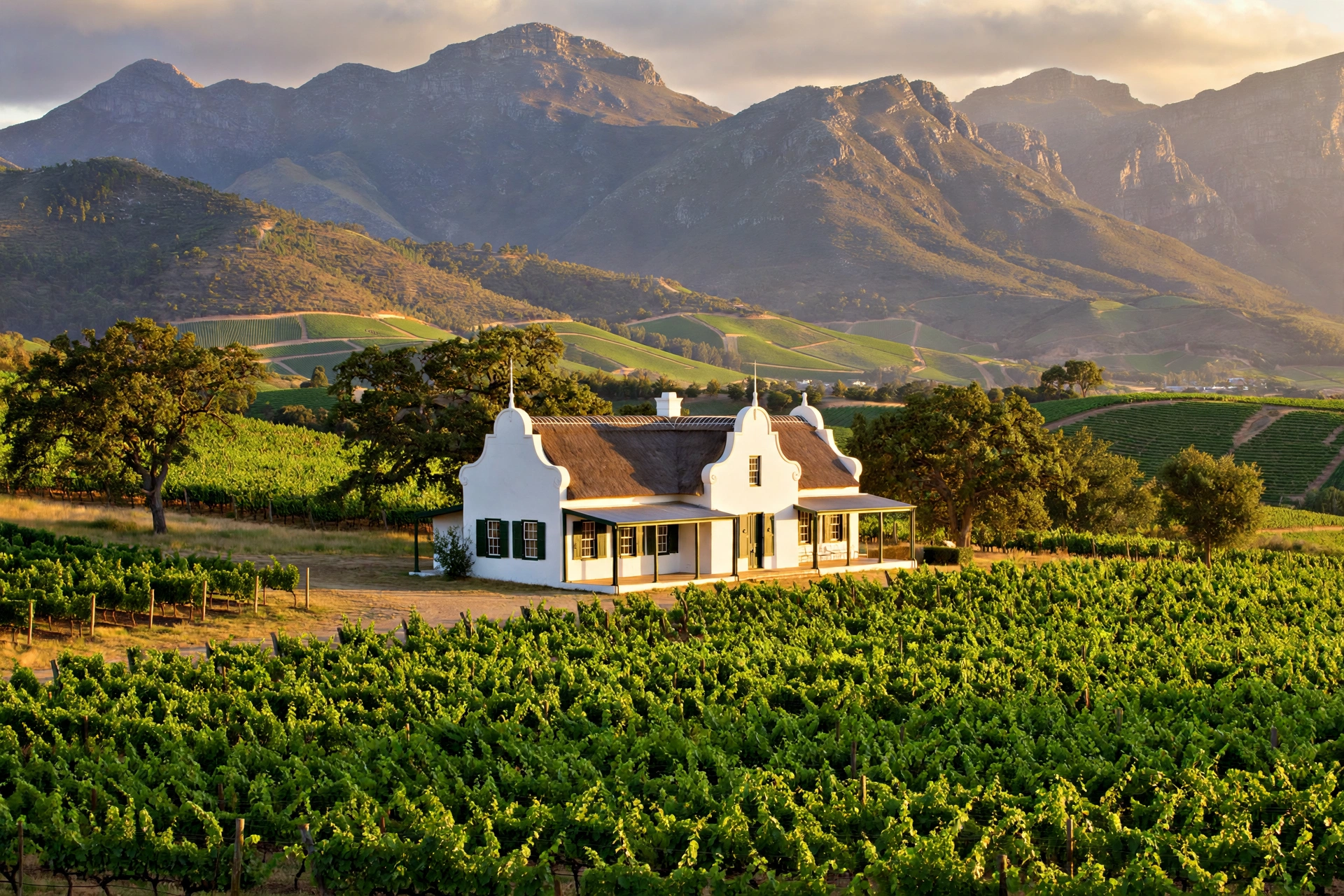
Stellenbosch and Franschhoek are less than an hour from the city, and they are the reason so many travelers extend their Cape Town stay by two days. The vineyards sit under mountains, the Cape Dutch farmhouses are white and elegant, and the tasting rooms range from historic to wildly modern. In November the vines are green, the weather is warm enough for long lunches outdoors, and the harvest rush has not yet turned the roads into a procession.
The problem to solve here is transport. Tasting and driving do not mix, and the wine routes are spread out. Book a guided wine tour, hire a driver for the day, or use the wine tram in Franschhoek, which lets you hop between estates without a car. A good day looks like this: two or three estates maximum, a long lunch at one of them, and a slow drive back as the light turns gold. Trying to visit six estates in a day is how a beautiful wine trip becomes a blur. Less is more, especially when the wine is this good.
If you want a weekend event, the first weekend of November 2026 is packed. Surf Expo Africa runs November 6 to 8 at the Cape Town International Convention Centre, the Boschendal Friday Night Market runs on November 6 from 5 to 9 in the evening, and the Boschendal Wine and Wander Safari runs on November 7 from 9:30 in the morning to 1 in the afternoon. A cheese and wine festival in Newlands on November 7, with more than 25 wine farms pouring, is another easy November win.
The thrill list: sharks, surf, and South Africa beyond the city
Cape Town is also the gateway to bigger South African adventure, and November is a good month to add one bold experience. Shark cage diving from Gansbaai, about two and a half hours away, is the classic. Tours run daily in November, weather and sea conditions permitting, with prices on booking platforms ranging roughly from 130 to 290 dollars depending on the operator and inclusions. You do not need scuba experience for the cage, and operators provide wetsuits and a briefing. If great whites are not your idea of fun, the same coastline offers whale watching, seal snorkeling, and kayaking, all with far less adrenaline and just as much wildlife.
For surfers, Muizenberg is the gentle beginner beach, with colorful huts and surf schools, while the Atlantic side beaches are prettier for walking than swimming, thanks to that cold water and strong wind. If you have more time, the Garden Route east of Cape Town adds bungee jumping at Bloukrans Bridge, ziplining, and safari reserves, and our own guide to the world’s longest zipline in South Africa shows just how far the country’s adventure menu goes. Cape Town is the appetizer. South Africa is the main course.
A simple 4 day plan that actually works
Day one: Table Mountain in the morning, Bo-Kaap and the city center in the afternoon, dinner on Long Street or in De Waterkant. Day two: the full Cape Peninsula, Boulders Beach first, Chapman’s Peak, Cape Point, and a seafood dinner in Kalk Bay. Day three: Kirstenbosch in the morning, Lion’s Head at sunset, with a lazy lunch in between. Day four: Stellenbosch or Franschhoek wine country, with a driver, and a final sunset at Camps Bay or Signal Hill.
That plan solves the three problems that ruin most Cape Town trips. It puts the mountain first, before weather can cancel it. It gives the peninsula a full day instead of a rushed half day. And it leaves room for rest, because a holiday that needs a holiday afterwards was planned badly. If you have a fifth day, add Robben Island, but book days ahead, as ferries can sell out and rough seas sometimes cancel sailings. The island tour, guided in part by former political prisoners, is powerful and sobering, and it belongs on any serious Cape Town itinerary.
Practical costs, safety, and honest mistakes to avoid
Budget honestly. Table Mountain cableway is about 29 dollars return online, Robben Island is about 36 dollars for international adults, and Boulders Beach entry is in the 10 to 15 dollar range, with new SANParks fees from November 1, 2026 to confirm. Wine tastings vary widely, but a guided day in the winelands often works out cheaper than a rental car plus tastings plus the risk of driving after wine. Accommodation in November is usually cheaper than December, but the best small guesthouses in the City Bowl and Camps Bay still book up, so do not leave it to the last minute.
Safety deserves a straight answer. Cape Town is a beautiful city with real crime, like many big cities, and the usual rules apply. Keep valuables out of sight, do not walk alone on mountain trails at night, use reputable taxis or ride hailing at night, and ask your guesthouse which areas to avoid after dark. Do not let fear shrink your trip, but do not ignore local advice either. Travelers who listen to locals, stay aware, and keep plans flexible have the best time here, and the Global Rescue survey itself underlined the same point: adventure is better with preparation.
Three mistakes to skip. First, do not try to swim at every beach. Atlantic beaches are cold and windy, and the Indian Ocean side near Muizenberg and Simon’s Town is warmer and calmer for swimming. Second, do not rent a car for the whole city stay if you are staying central. Traffic and parking will eat your patience. Use a car for the peninsula and winelands days, and walk or ride hail in the city. Third, do not skip sunscreen and water on hikes. The sun here is deceptive on a windy day, and dehydration sneaks up fast on Table Mountain.
Why November, why now
Every destination has a month when it is at its best and still affordable, and for Cape Town that month is November. The days are long, the city is warm but not yet packed, the penguins are active, the wine country is green, and South Africa has just been voted the top adventure destination by the very travelers who know the world best. Waiting until December means higher prices, longer queues, and the same views with twice the crowd. Waiting until next year means competing with everyone who read the same survey.
If you have been putting off South Africa because it felt too far, too complicated, or too much for one trip, start with Cape Town in November. It is one city that gives you mountains, ocean, wildlife, history, and wine in four days, and it does it with a warmth that is hard to describe until you feel it. Book the mountain first, start the peninsula early, and leave one evening completely unplanned. That is usually the evening you remember most.
Read the full story on thecavee.com, save this guide for your November trip, and share it with the one friend who keeps saying they want a real adventure next year. Cape Town in November is that adventure, and the timing has never been better. For another November escape with a very different flavor, see our guide to Strasbourg in November, where Europe’s oldest Christmas market is about to open and the quiet weeks before it are the best time to go.