Something magical happens in Iceland every October
The glaciers start to freeze in earnest, the tour operators send their guides back up onto the ice, and one of the most photogenic natural wonders on the planet quietly comes back to life. Iceland’s natural ice caves, the glowing blue crystal caverns you’ve seen all over Instagram, officially reopened for the 2026-2027 season. And if this kind of trip has ever been on your bucket list, this is genuinely the moment to start planning.
Here’s the thing most first-time visitors don’t realize: these caves don’t survive the summer. Every single year, the meltwater flows, the ceilings collapse, and the caves are gone. Then winter comes, the glaciers refreeze, and nature carves brand new ones. The cave you walk into this December has never existed before, and it will never exist again. There is something strangely moving about standing inside a place that is literally temporary.
Why the ice glows blue (the science is cooler than you think)
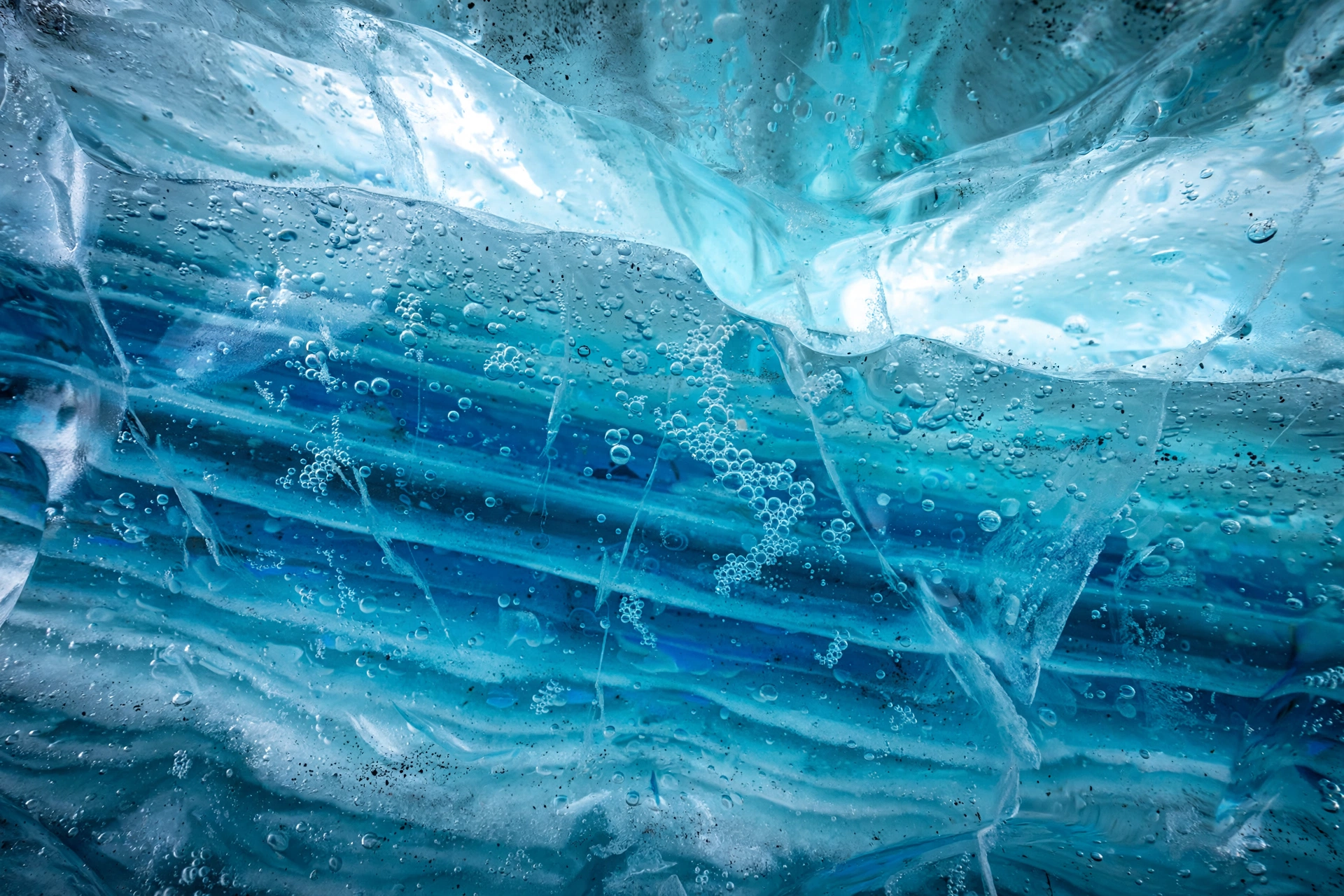
The blue color isn’t a filter and it isn’t lighting trickery. Glacier ice looks blue because of how it forms. Ordinary ice and snow look white because tiny air bubbles trapped inside scatter light in every direction. But deep inside a glacier, centuries of snowfall have been compressed under their own weight until those bubbles are squeezed out almost completely. That dense, bubble-free ice absorbs red light and transmits blue, the same reason the ocean looks blue. The deeper and older the ice, the richer the blue.
That’s also why the color varies from cave to cave. The Crystal Ice Cave under Vatnajokull is famous for the purest, most vivid blue because it forms in some of the oldest, most compressed ice in the country. Katla’s caves, on the other hand, are streaked with dark bands of volcanic ash from the volcano sitting right on top of them. Same country, completely different look.
The 5 ice cave experiences that matter this season
Iceland has dozens of ice cave tour listings, but they mostly funnel into five real options. Here’s each one, honestly, with the details that actually matter when you’re choosing.
1. The Crystal Ice Cave (Vatnajokull): the bluest of them all
If you’ve ever seen a photo of an Icelandic ice cave and gasped, it was probably this one. The Crystal Ice Cave sits under the Vatnajokull glacier near Jokulsarlon, Europe’s largest ice cap, and it’s famous for the most intense blue ice in the country. The chambers are spacious, the ice is crystal clear, and photographers lose their minds here.
- Season: October to April (the natural cave season)
- Duration: 3 to 4 hours
- Price: roughly $150 to $200 per person
- Difficulty: easy to moderate
- Minimum age: usually 6 and up
- Best for: first-time visitors and anyone chasing that iconic blue-ice photo
Because it’s the most famous, it also sells out first. If you’re visiting between December and February, book weeks ahead, not days.
2. Katla Ice Cave (Myrdalsjokull): where fire meets ice
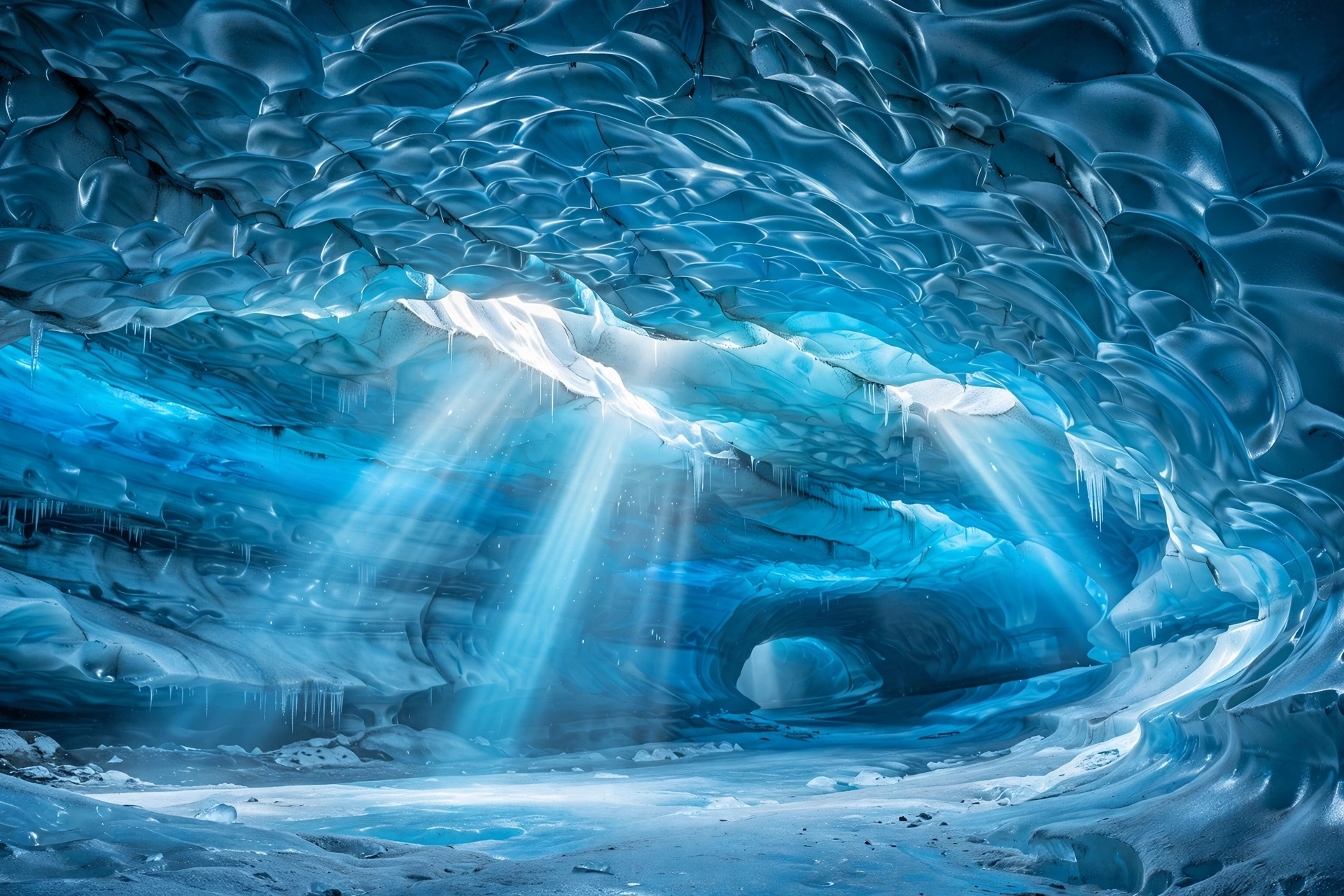
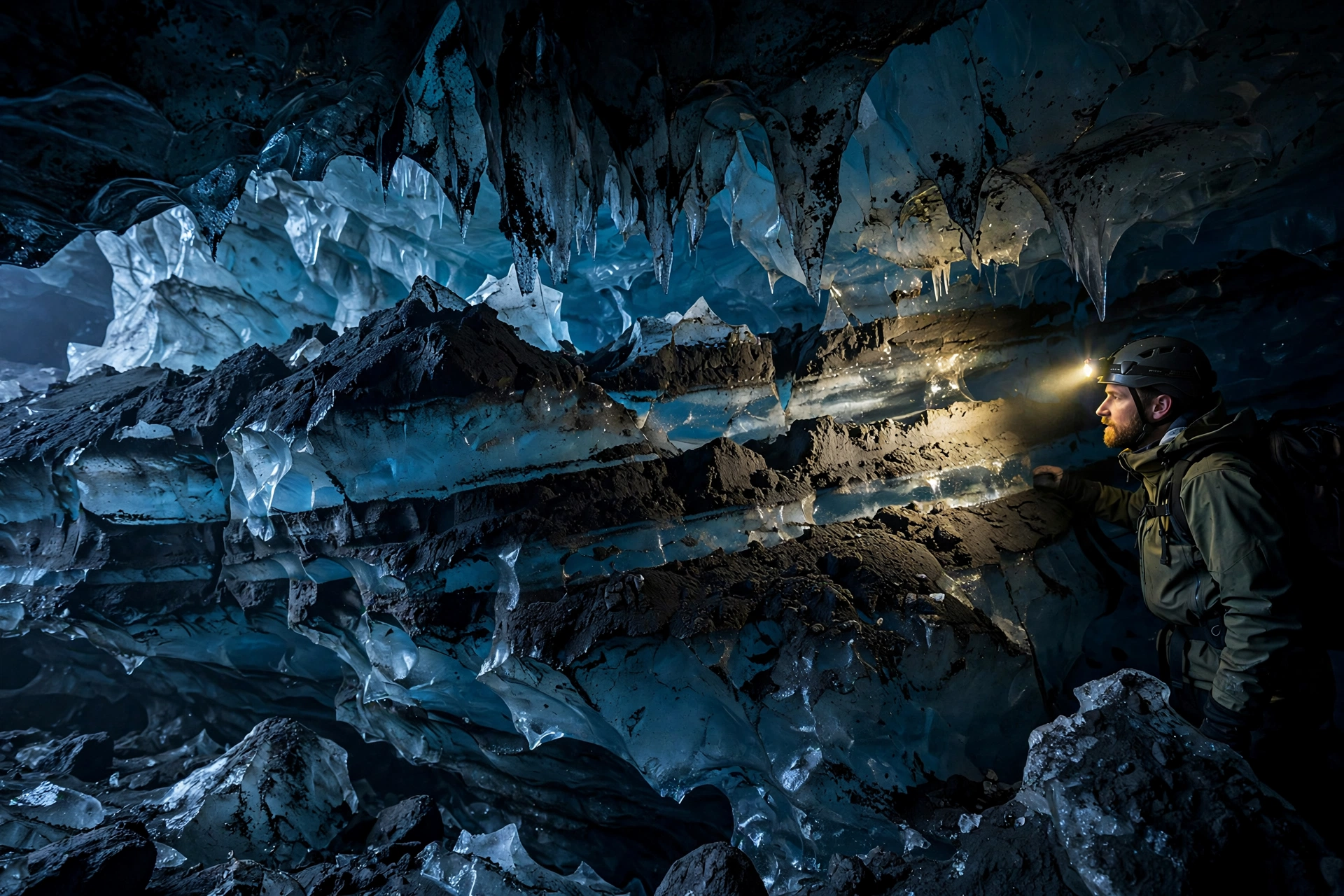
Katla is the weird one, and I mean that as a compliment. This cave sits beneath the Myrdalsjokull glacier, directly on top of the Katla volcano, one of Iceland’s most active. The result is ice streaked and layered with black volcanic ash, a swirling mix of electric blue and charcoal that looks like something from another planet. No other cave in the country looks like this.
- Season: year-round (the only natural ice cave open in summer)
- Duration: 2.5 to 4 hours
- Price: roughly $100 to $180 per person
- Difficulty: easy to moderate
- Best for: summer visitors, and anyone who wants the most unusual-looking cave
It’s also the closest major ice cave to Reykjavik, about 2.5 hours to Vik, which makes it the easiest one to fit into a shorter trip.
3. Skaftafell Blue Ice Cave: the adventurer’s pick
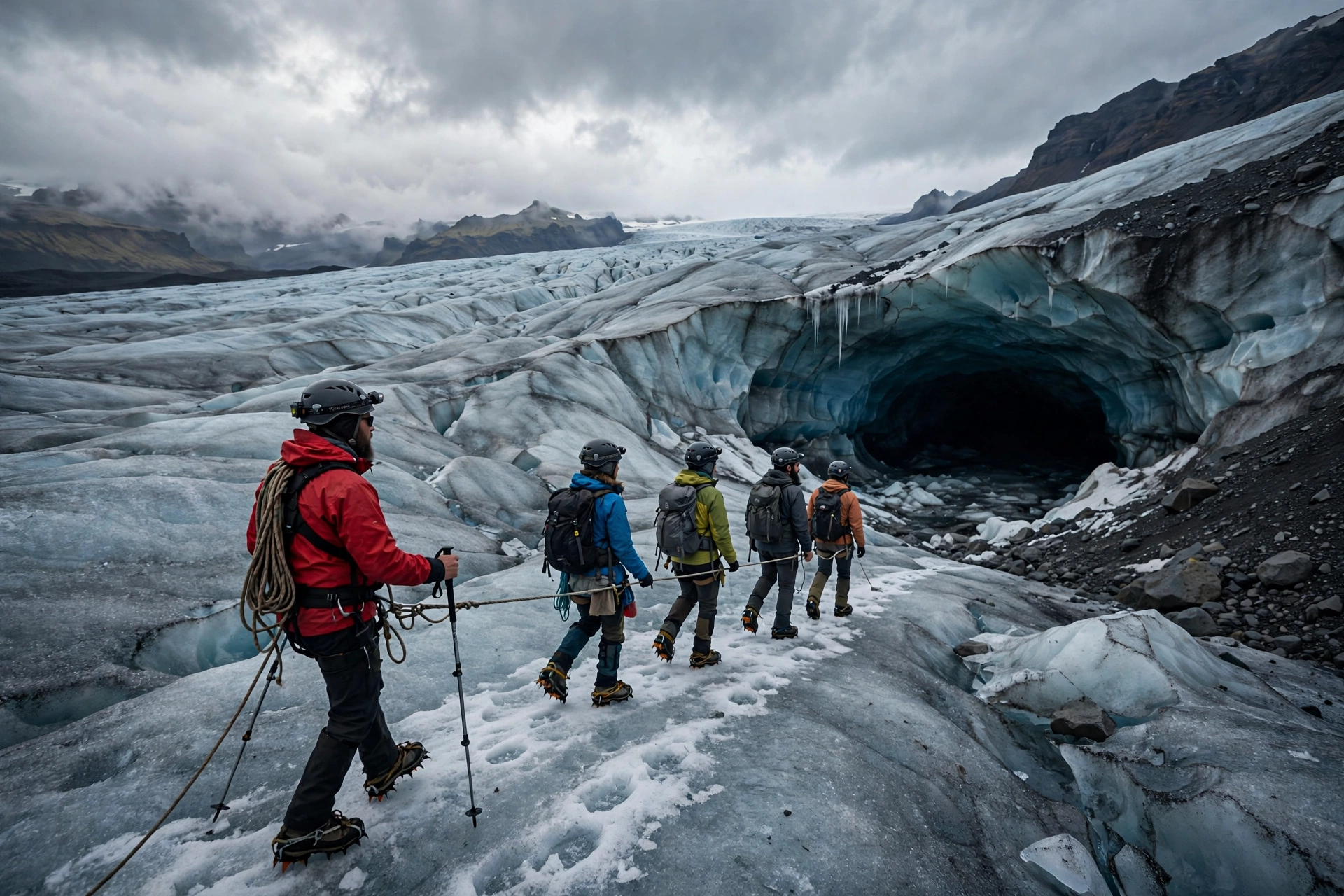
This one earns its views. Instead of driving to a cave mouth, you strap on crampons, grab an ice axe, and hike across Falljokull, an outlet glacier of Vatnajokull, for about an hour before you descend into the cave. The cave itself is a naturally formed blue tunnel, and because you worked for it, the moment you step inside hits different. This is the pick for people who want the expedition, not just the photo.
- Season: October to April
- Duration: 4 to 6 hours including the glacier hike
- Price: roughly $120 to $250 per person
- Difficulty: moderate to hard
- Minimum age: usually 10 and up
- Best for: active travelers who want the full glacier experience
4. Langjokull Ice Tunnel: the family-friendly giant
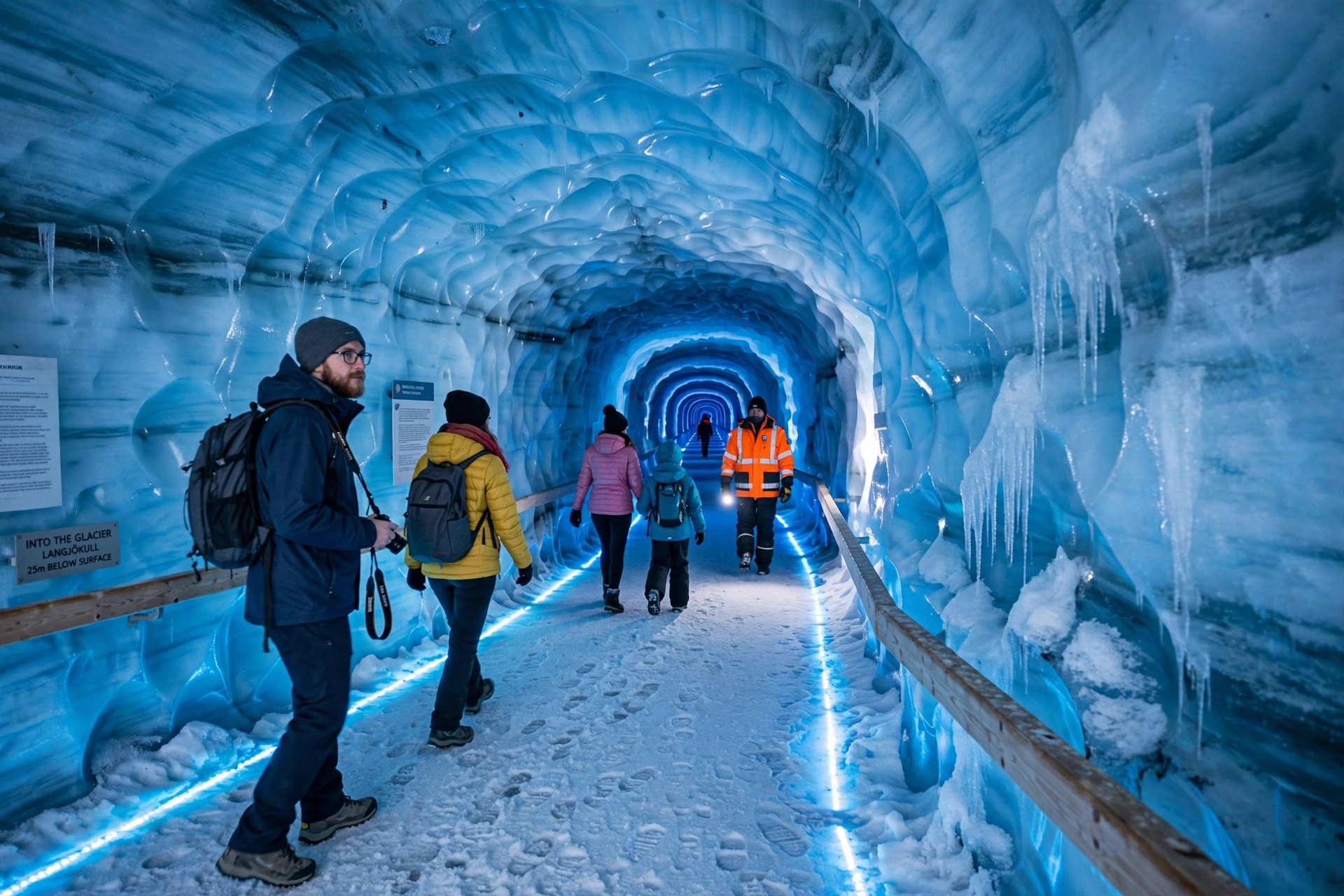
This one is different by design. The Into the Glacier tunnel is man-made, carved into the Langjokull glacier in the western highlands, which means it’s stable, predictable, and open all year. A monster truck (seriously) drives you up onto the glacier, and you walk a smooth ice corridor lit in glowing blues. There’s no age limit, no scrambling, and it’s genuinely impressive in scale. Purists sometimes sniff at it for being artificial, but kids absolutely love it, and it’s the only cave experience that works with a stroller-age crowd.
- Season: year-round
- Duration: 3 to 4 hours
- Price: roughly $150 to $200 per person
- Difficulty: easy
- Best for: families and anyone who wants guaranteed access regardless of season
5. The Secret Ice Cave (Vik): the year-round quiet option
Run from the town of Vik, this cave stays open all year and takes about 3 hours door to door. It’s a smaller operation than the big Vatnajokull tours, which means smaller groups and a calmer experience. Minimum age is typically 6, so it works for families, and it’s a solid fallback if the famous caves are sold out on your dates.
Which cave should you actually book?
Skip the comparison paralysis. Here’s the honest decision tree:
Visiting October to April and it’s your first time? Book the Crystal Ice Cave. It’s the bluest, the most iconic, and the easiest to combine with Jokulsarlon lagoon, which is ten minutes away.
Visiting May to September? Katla is your only natural option. The Langjokull tunnel is the backup.
Traveling with young kids? Langjokull Ice Tunnel. No age limit, smooth paths, zero stress.
Want a real adventure, not a photo stop? Skaftafell. The glacier hike approach is half the experience.
On a tighter budget? The shorter Katla tours start around $100, the cheapest entry point of the five.
What to wear (and the mistakes that ruin the day)
Every operator includes the technical gear: crampons, helmet, and usually a harness. Everything else is on you, and this is where people get it wrong. The cave is cold, wet, and slippery, and you’ll be standing on ice for hours.
- Base layers: thermal wool or synthetic, top and bottom. Cotton is the enemy here. It holds moisture and stays cold.
- Mid layer: a fleece or wool sweater.
- Outer layer: waterproof jacket and waterproof pants. Ice melt drips constantly inside the caves.
- Feet: sturdy hiking boots with real ankle support. You’ll be fitted with crampons over them.
- Hands and head: insulated gloves and a warm hat. You will regret thin fashion gloves within twenty minutes.
- Extras worth bringing: sunglasses (ice reflects light like a mirror), lip balm, and an oil-based face cream. The cold wind on the glacier is brutal on skin.
If you’re missing waterproofs or proper boots, most operators rent clothing when you book. Don’t be proud about it. Renting the right gear beats being miserable in the wrong gear.
How to photograph blue ice like you mean it
The caves are dark, the ice is reflective, and your phone will do its best while quietly struggling. A few things that genuinely help: shoot in RAW if your camera allows it, because the blue tones need careful white balance later. A tripod or even a monopod makes a huge difference in the low light. And resist the urge to crank the saturation to eleven when editing. Real glacier blue is already unreal enough.
If cave photography is your thing in general, our full guide to photographing caves covers 11 practical tips that work just as well for blue ice as for limestone caverns, including how to light-paint without ruining the shot for everyone else in your group.
One more thing: put the camera down for at least five minutes. The caves change every year and melt every summer. Nobody’s photo collection is worth missing the actual experience of standing inside ancient ice.
The safety rules people like to ignore
Ice caves are genuinely dangerous places, which is exactly why every reputable tour is guided and the gear is mandatory. The rules that matter:
- Never enter an ice cave without a certified guide. Every year, unguided visitors get hurt in unstable caves. The guides check each cave’s structural condition daily during the season. You can’t.
- Stay with the group and follow the marked path. The ice outside the marked route can be thin, and meltwater channels hide under snow.
- Wear the helmet. Ice falls. It happens. The helmet is not decorative.
- Respect the closures. If a cave is closed for the day, it’s closed because a guide decided it wasn’t safe. Arguing with that decision is how accidents happen.
Booking tips for the 2026-2027 season
A bit of practical wisdom from watching these tours sell out year after year:
- Book early for December to February. The Crystal Cave tours in peak winter sell out weeks ahead. Shoulder months like October, November, and March have more availability and lower prices.
- Small groups beat big buses. Groups of 14 or fewer mean more time in the cave and fewer strangers in your photos.
- Check the cancellation policy. Weather in Iceland cancels tours regularly. Free cancellation isn’t a luxury here, it’s a necessity.
- Compare operators on the same cave. Multiple companies run tours to the same caves with different group sizes, durations, and pickup points. A plain comparison of Iceland’s ice cave tours is worth reading before you commit.
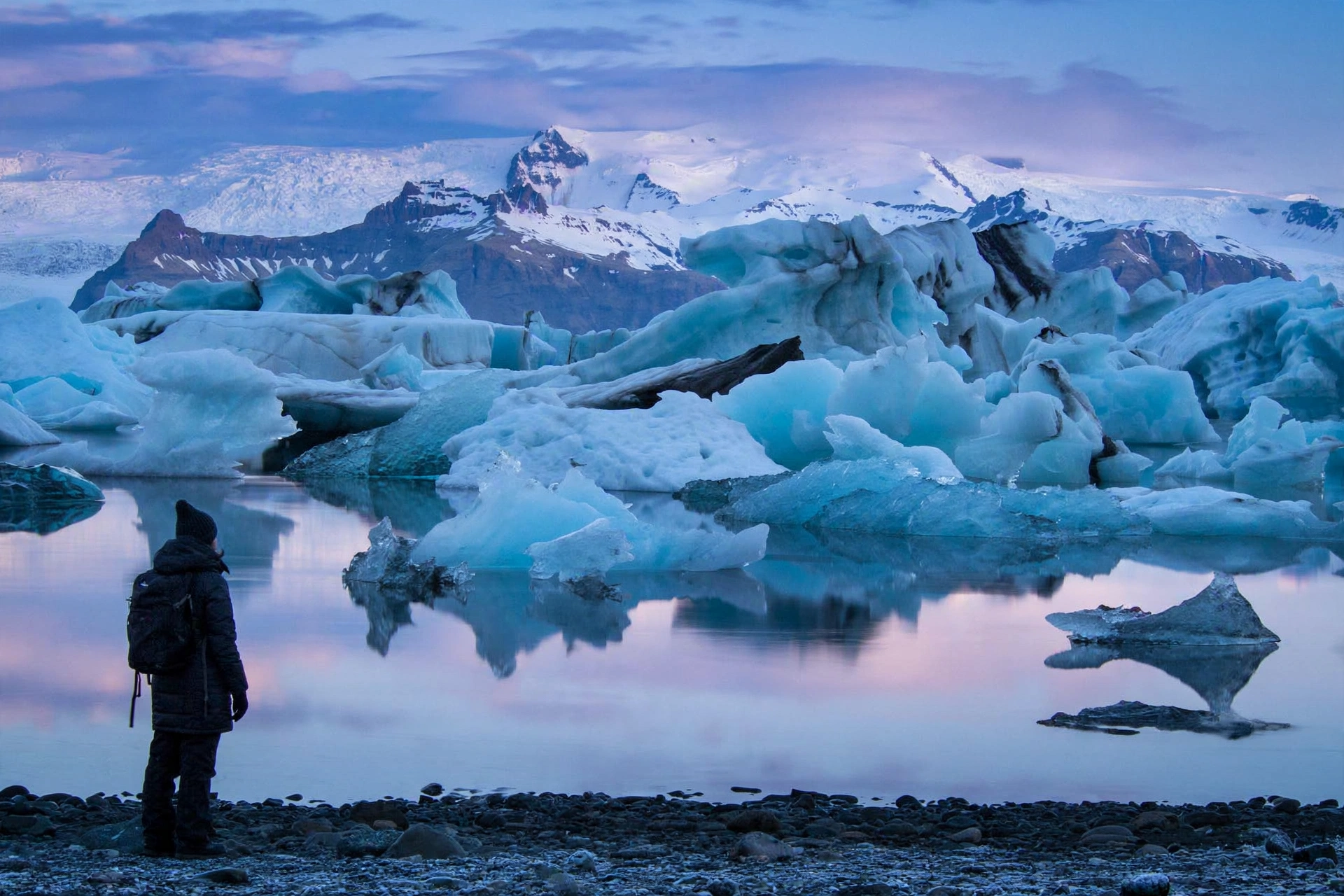
- Combine with the lagoon. If you’re doing the Crystal Cave, Jokulsarlon glacier lagoon is right there, and it’s one of the most beautiful places in Iceland. Go at blue hour if you can.
For a full list of current-season tours with live availability, Arctic Adventures’ ice cave page is a solid starting point.
If you’re coming all this way, don’t stop at the caves
Here’s my honest take: the ice cave is the headline, but the supporting acts are half the trip. The south coast drive from Reykjavik to Vik and on to Jokulsarlon packs black sand beaches, waterfalls you can walk behind, and, if you’re there between September and April, the Northern Lights. Winter days are short, so plan fewer stops per day than you think you need.
And if underground wonders are your thing beyond Iceland, you might enjoy reading about Son Doong, the world’s largest cave, a place so big it has its own weather system, or the underground cities of Cappadocia, where thousands of people once lived entire lives beneath the earth.
Quick answers before you go
Can you visit ice caves in Iceland in summer? Most natural ice caves close in summer because the ice melts and shifts. The Katla Ice Cave and the Langjokull ice tunnel stay open year-round, so summer visitors aren’t out of luck.
Which ice cave is the bluest? The Crystal Ice Cave under Vatnajokull, consistently. Its ice is the oldest and most compressed, which is what creates that deep sapphire color.
Do I need experience or special fitness? For the Crystal Cave, Katla, the Secret Cave, and Langjokull, no. You need to walk on uneven icy ground with crampons, that’s it. Skaftafell involves a real glacier hike, so a basic fitness level helps.
Are ice caves safe for kids? Yes, on the right tour. Langjokull has no age limit, and most natural cave tours accept kids from age 6. Skaftafell usually requires age 10 and up.
Will the cave look like the photos? Honestly, yes, and sometimes better. The blue is real. The one thing photos can’t capture is the sound: ancient ice creaking and shifting around you, which is quietly thrilling.
The bottom line
October is when Iceland’s glaciers start building next winter’s caves, and every cave is a one-season-only creation. If blue ice has been sitting on your travel list, the 2026-2027 season is open right now, the shoulder months still have availability, and the photos genuinely don’t do it justice.
📌 Loved this? Save it on Pinterest and follow The Cavee for more underground adventures, or read the full story here on thecavee.com.
Pingback: Avatar's Floating Mountains Are Real: Your 2026 Adventure Guide to Zhangjiajie, China
Pingback: Benagil Cave 2026: Portugal's Skylight Sea Cave (Boat, Kayak & SUP Guide)
Pingback: Devil's Pool 2026: Swimming at the Edge of Victoria Falls (Prices, Season, Safety)