This Man Is Kayaking 435 Miles Down Africa’s Wildest River (Hippos, Gorillas, Zero Rescue)
Most people plan their vacations around hotel pools and airport lounges. Welsh explorer Ash Dykes is spending October 2026 somewhere else entirely: floating down one of the most dangerous rivers on Earth in an inflatable kayak, with hippos, forest elephants and gorillas for company, and no rescue coming if something goes wrong.
The trip is called Project Six, and it might be the most ambitious adventure series anyone has launched this year. Here’s what it is, why the Sangha River is so terrifying, and how you can follow the whole thing from your couch (which, honestly, is the right place for this one).
Who Is Ash Dykes (And Why He Can’t Sit Still)
If the name sounds familiar, you’ve probably seen his face before. Ash Dykes is the Welshman who walked the entire length of the Yangtze River back in 2019. The whole thing took 352 days. That’s nearly a year of walking through China along one of the world’s longest rivers, and it made him the first person on record to pull it off.
He didn’t stop there. Dykes has built a career out of choosing expeditions that sound like someone lost a bet, then finishing them. Madagascar, Mongolia, the Inner Mongolian deserts: he’s collected them like souvenirs. Project Six is his biggest idea yet, and the Sangha River descent is only expedition number one.
What Is Project Six?
The concept is simple and completely insane in equal measure: six expeditions, six extreme environments, one digital adventure series. Each leg takes Dykes somewhere the rest of us will never go, and the whole thing gets documented as an ongoing series.
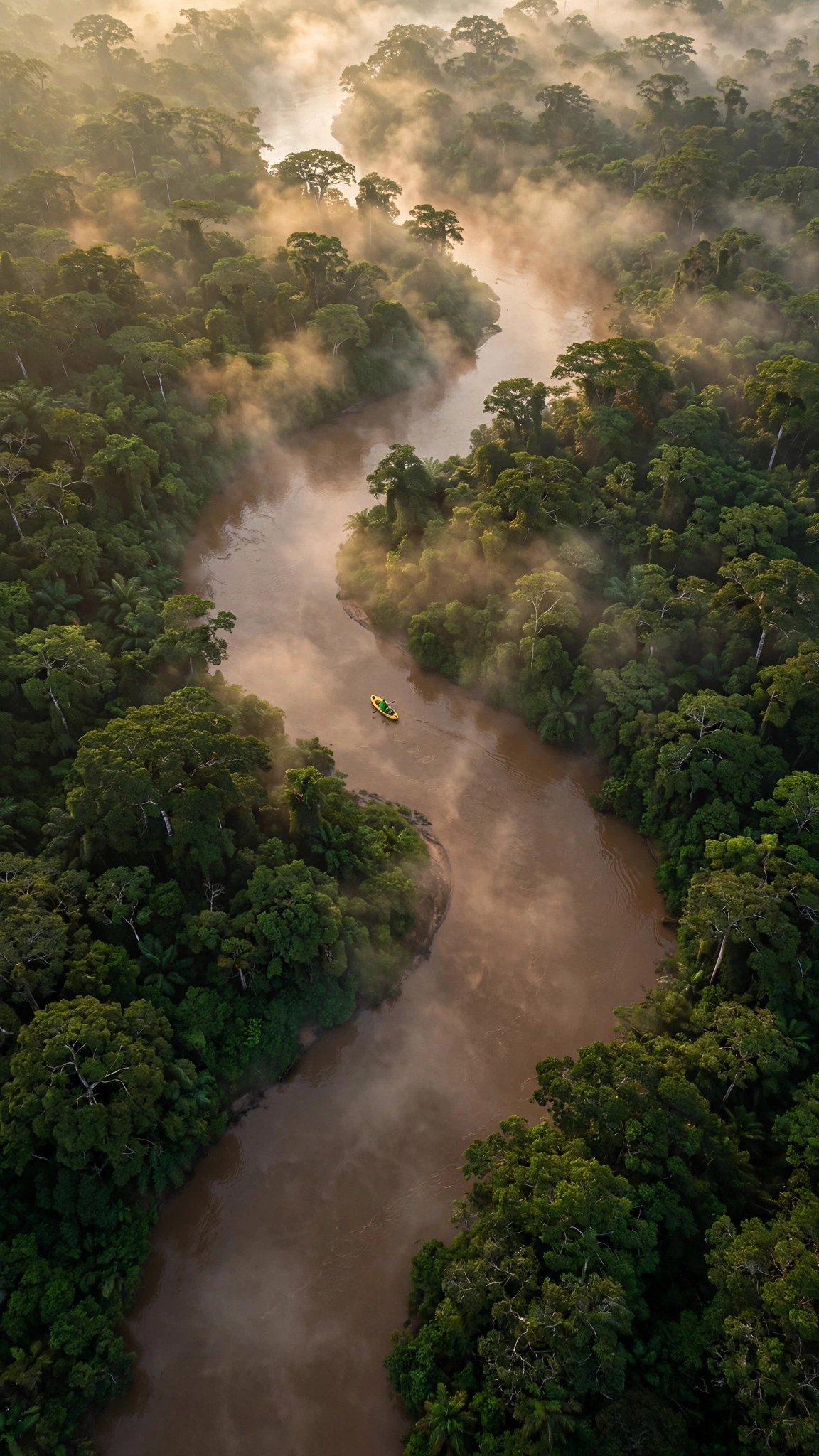
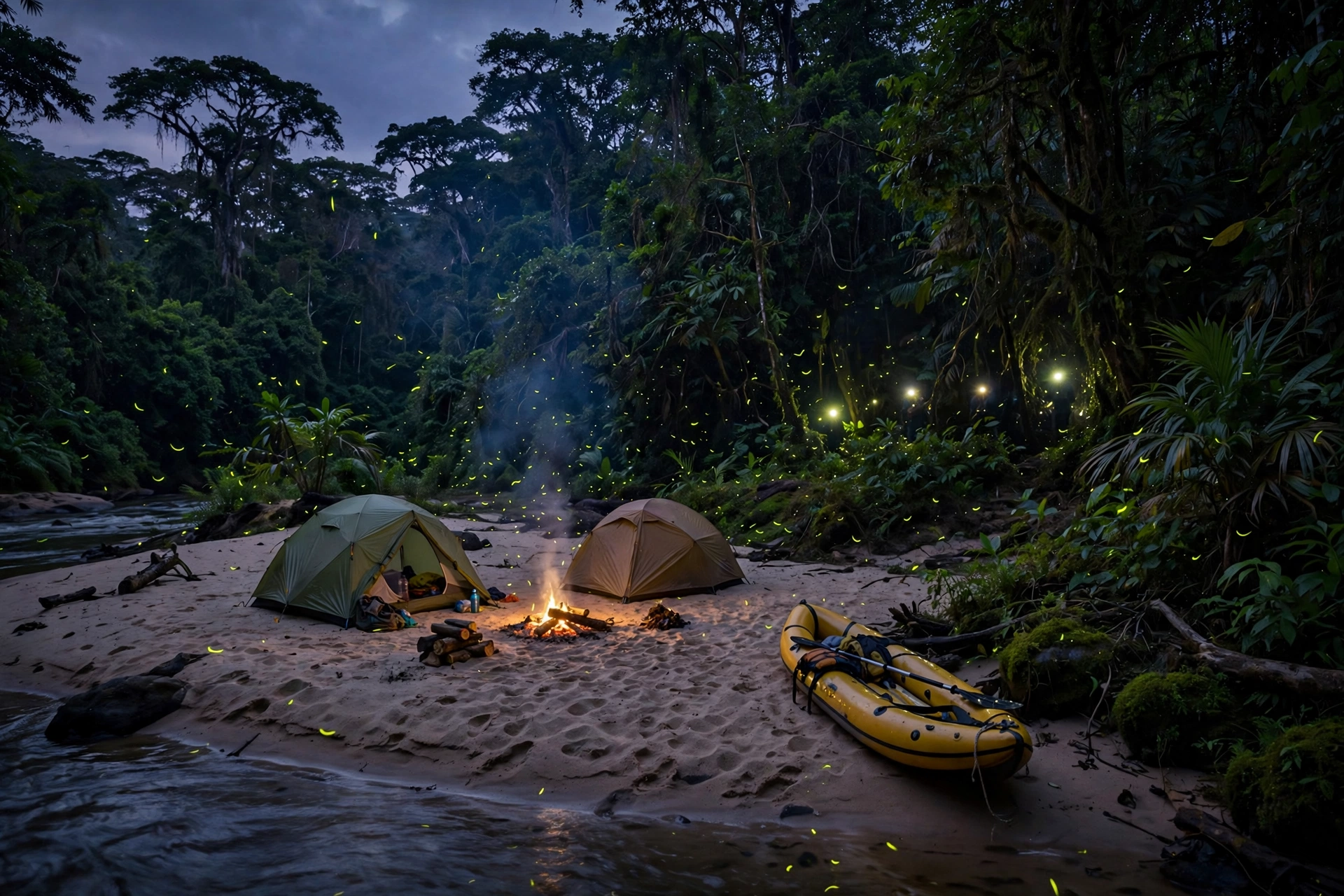
Leg one is a 435-mile (about 700 kilometers) descent of the Sangha River in an inflatable kayak, joined by two friends. The trip is expected to take three to four weeks. They carry satellite communications equipment for emergencies, because this is one of the few trips in the world where “call for help” means “wait several days and hope.”
Dykes reckons he’ll lose around 10 kilograms on the journey. When your food comes from what you can carry and what the river gives you, that’s not a fitness goal. That’s just math.
The Sangha River: 435 Miles of Everything That Can Kill You
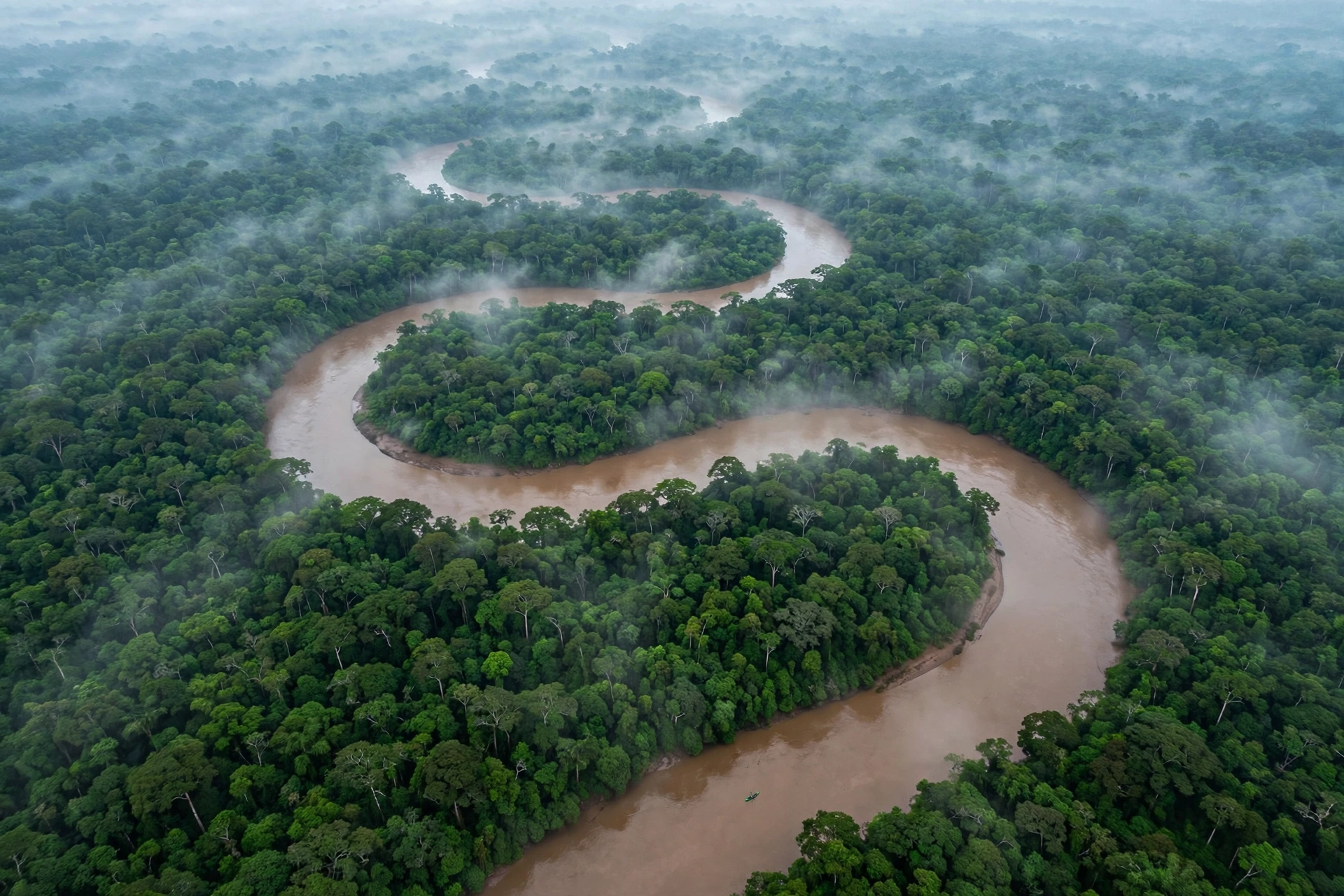
The Sangha flows through the Congo Basin across Cameroon, the Central African Republic and the Republic of Congo. It’s the kind of place that still shows up as green emptiness on most maps. The basin is the world’s second-largest rainforest, and the Sangha cuts straight through its wildest corners.
Which means the water and its banks are full of animals that could end a trip in seconds.
Hippos, the Real Kings of This River
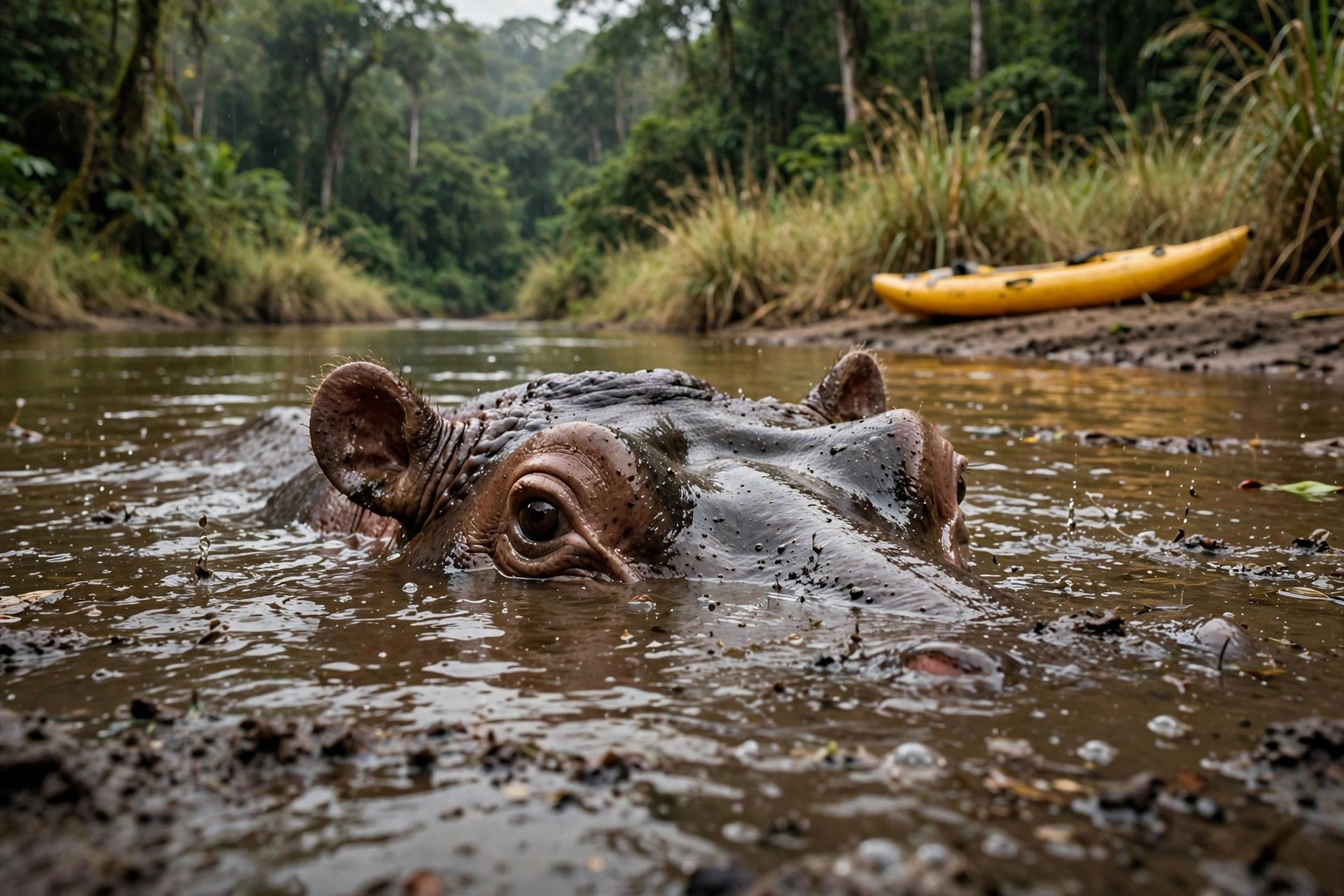
Ask any African river guide what scares them and they won’t say crocodiles. They’ll say hippos. Hippos kill more people in Africa than almost any other large animal, and they’re territorial, fast, and massively unpredictable in the water. An inflatable kayak bouncing past a hippo pod is the kind of sentence that makes expedition insurers reach for the phone.
Forest Elephants, Gorillas, and the Small Stuff
Forest elephants use the same riverbanks Dykes’ team will camp on. Western lowland gorillas live in the surrounding forest. Venomous snakes own the undergrowth. And then there are the invisible killers: malaria, dengue fever, and parasitic worms in the water. Dykes has been upfront that the parasite risk is one of the things he dreads most, which tells you everything about how bad the visible dangers must be.
Three to Four Weeks in an Inflatable Kayak (Yes, Inflatable)
Let’s talk about the boat for a second, because it sounds like a joke until you think about it. An inflatable kayak on a river with hippos. It sounds like a TikTok dare, not a serious expedition.
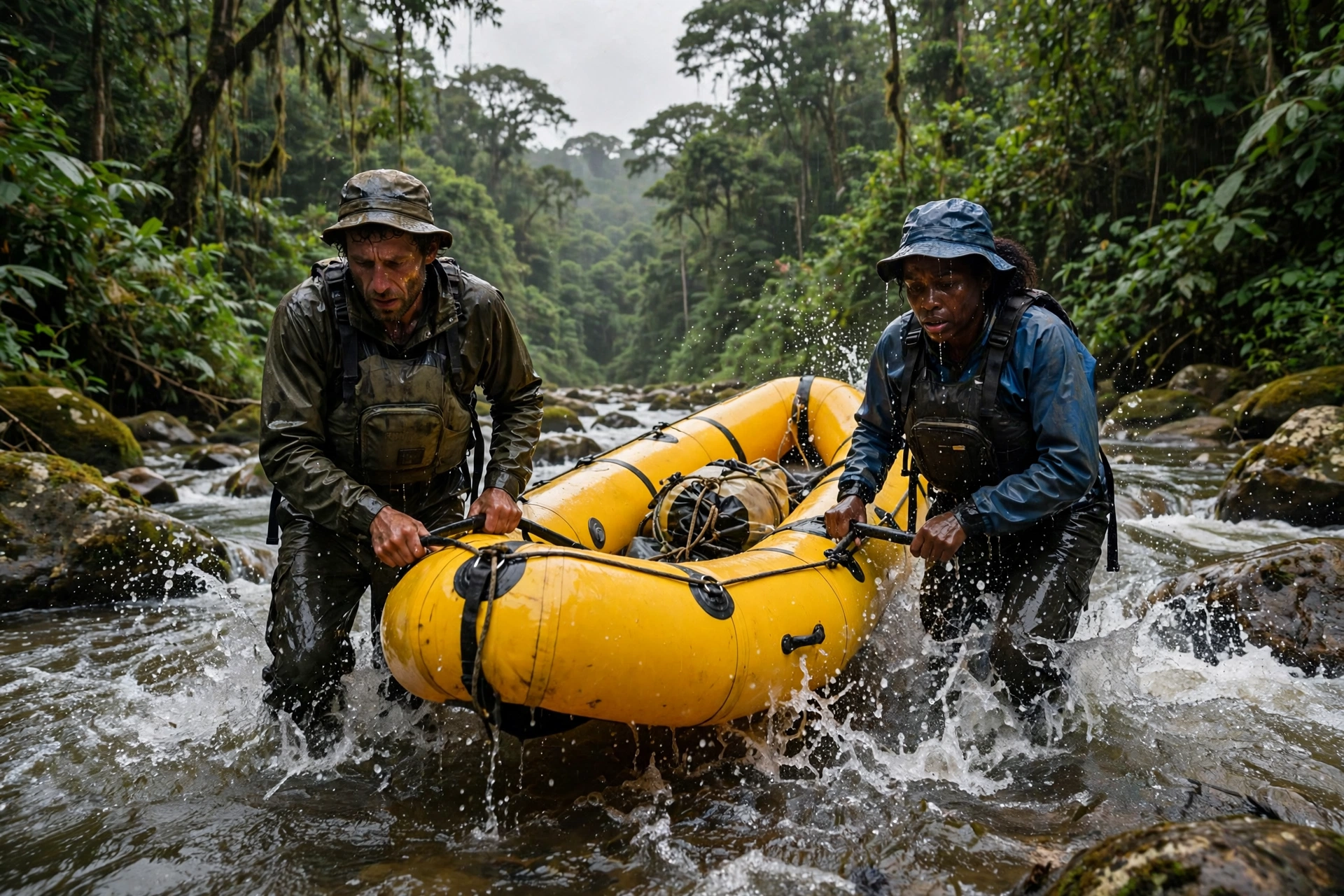
But there’s a reason for it. The Sangha in places is shallow, braided, full of rapids and logjams. A heavy expedition kayak would be a nightmare to portage. Inflatable boats are light, they bounce off rocks instead of shattering, and they pack down when the team has to walk around the worst stretches. The tradeoff is that every day on the water is a day of being within bite range of everything.
Learning to Survive From the Baka People
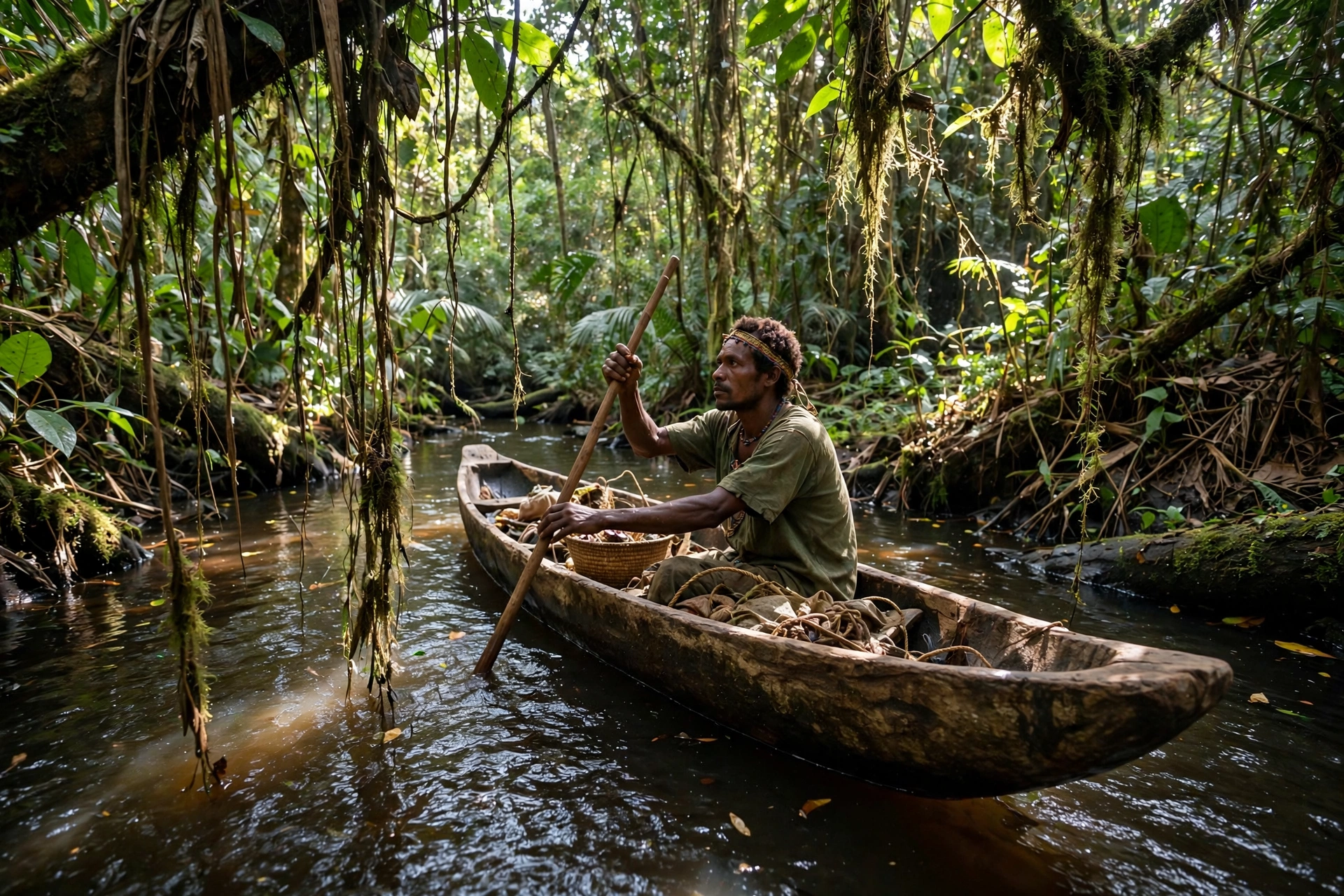
Here’s the part of the story that actually makes the whole thing plausible. Dykes and his team aren’t doing this alone in any meaningful sense. They’re working with local Baka people, the Indigenous forest communities of the Congo Basin, who are learning the team the kind of survival knowledge you can’t get from YouTube.
The Baka know this forest the way you know your own kitchen. Which plants heal, which water is safe, where the elephants cross, how to read animal sign. A month of that education before launch is worth more than all the satellite gear in the world. It’s also, honestly, the most interesting part of Project Six: a modern adventure series that starts by admitting the people who live there know more than the explorer ever will.
How the Team Plans to Not Die
So what’s the actual safety plan for four weeks on a river where the wildlife alone could write a horror novel? A few layers.
First, the satellite communications. The team carries devices that can push out an SOS with their coordinates from anywhere on the river. Rescue is still days away at best, but at least someone knows where to look. Second, the Baka guides, who can read the river and the forest in real time. Third, speed: three to four weeks sounds long, but every day moving downstream is a day closer to the end.
And then there’s the honesty. Dykes has said publicly he expects to lose about 10 kg. He’s talked about the parasites. The best expedition leaders aren’t the ones who pretend there’s no danger; they’re the ones who price it in and go anyway.
What Happens After the River
Remember, this is only expedition one of six. Dykes has already hinted that the next leg swings to the opposite extreme: temperatures around minus 15 to minus 20 degrees Celsius. That’s roughly a 60-degree swing from the steaming Congo Basin to a deep freeze.
We don’t know exactly where leg two goes yet, which is part of the fun. If you’re going to follow one expedition series this year, this is a strong candidate: an ongoing story with new chapters, real stakes, and scenery you cannot get anywhere else.
Can You Do a Congo Basin River Trip Yourself?
Here’s the honest answer: almost certainly not this one. The Sangha descent isn’t a tour you can book. There are no put-in shuttles, no riverside lodges, no safety kayakers floating alongside. This is a first-descent-style expedition run by a professional team with years of experience.
But the feeling of it, the multi-week river journey through wild country, is something you can absolutely get elsewhere, and planning that trip is a problem with a real solution.
Start smaller and work up. Multi-day river expeditions run by real outfitters exist on every continent: the kind of trip where you learn to read water, camp on beaches, and build the judgment that keeps you alive. If a guided jungle river journey sounds like your speed, look for operators with real expedition credentials, not just a nice website. Check their safety record, their guide qualifications, and their evacuation plan before you check the price.
And if your idea of a multi-day expedition is more about the journey than the mortal danger, consider one of these instead: our guide to Brazil, ranked the world’s top thrill-seeker destination, the Ha Giang Loop motorbike route through northern Vietnam, or the Upper Mustang trek in Nepal’s forbidden Himalayan kingdom. All the adventure, none of the hippos.
How to Follow Project Six Live
The series is being documented as it happens, and October 2026 is when leg one is unfolding. The best place to start is Ash Dykes’ official site, where the expedition announcements live, plus the UNILAD report that broke the Project Six details if you want the danger list in full.
Expedition series like this are worth following for a simple reason: they unfold in real time. The river doesn’t care about the schedule. Equipment breaks, weather turns, and the plan changes. That unpredictability is exactly what makes armchair travel fun, and it’s why a few of these stories turn into the documentaries people talk about for years.
So pour yourself something cold, find a comfortable chair, and watch three people paddle into the greenest, wildest, least-forgiving part of Africa in boats you could pack in a suitcase. Just don’t get any ideas. Some adventures are best watched from very, very far away.
Love wild expedition stories like this one? Follow The Cavee on Pinterest for daily adventure-travel pins, from record-breaking expeditions to hidden corners of the planet. And if this story got your heart racing, read full stories on thecavee.com, where a new adventure lands every day.