Your Tent Door Opens Onto an Erupting Volcano: The 2026 Acatenango Overnight Hike Guide
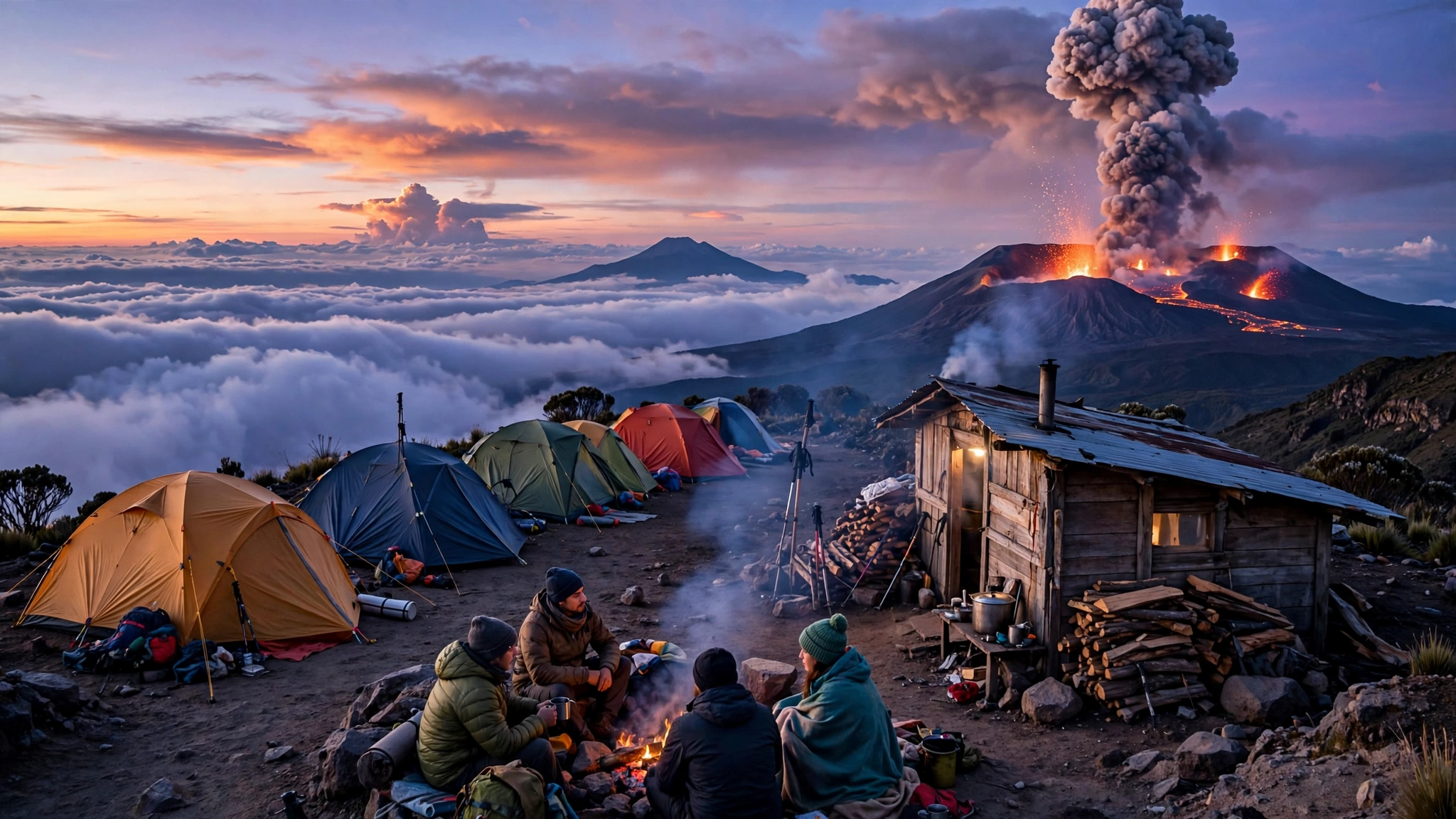
Picture this. It is 2 in the morning and you are freezing, wrapped in every layer you own, sitting outside a tent at 3,750 meters above sea level. Across a dark saddle of land, maybe three kilometers away, a volcano detonates. Not once. Every fifteen to thirty minutes, all night long. You see the orange bloom first, then a fountain of glowing lava chunks arcing through the black sky, then you hear it, a deep rolling boom that you feel in your chest. Then silence again, until the next one. This is the Acatenango overnight hike, and nothing you have read about it does the night shift justice.
Acatenango is Guatemala’s fourth tallest volcano at 3,976 meters, and it happens to sit right next to one of the most active volcanoes in the Western Hemisphere. You do not climb the erupting one. You camp on the sleeping one and watch the angry neighbor do its thing. It is the single most photographed adventure in Guatemala, it is all over TikTok and Instagram, and 2026 changed the rules in ways you need to know before you book. Dry season runs November through April, which means the clearest views of the year start in a matter of weeks. If this hike is on your list, you should be booking now.
What the Acatenango overnight hike actually is
Let us get the numbers out of the way, because they matter. The trail starts at a village called La Soledad, and from there you climb 1,576 vertical meters to base camp at roughly 3,750 meters. That takes four to six hours of steady uphill hiking on loose volcanic terrain, through farmland, cloud forest, and finally barren volcanic slopes. The next morning, those who want it do a summit push of one to two hours up to 3,976 meters for sunrise above the clouds. Then you descend, two to three hours, and you are back in the colonial town of Antigua by mid afternoon.
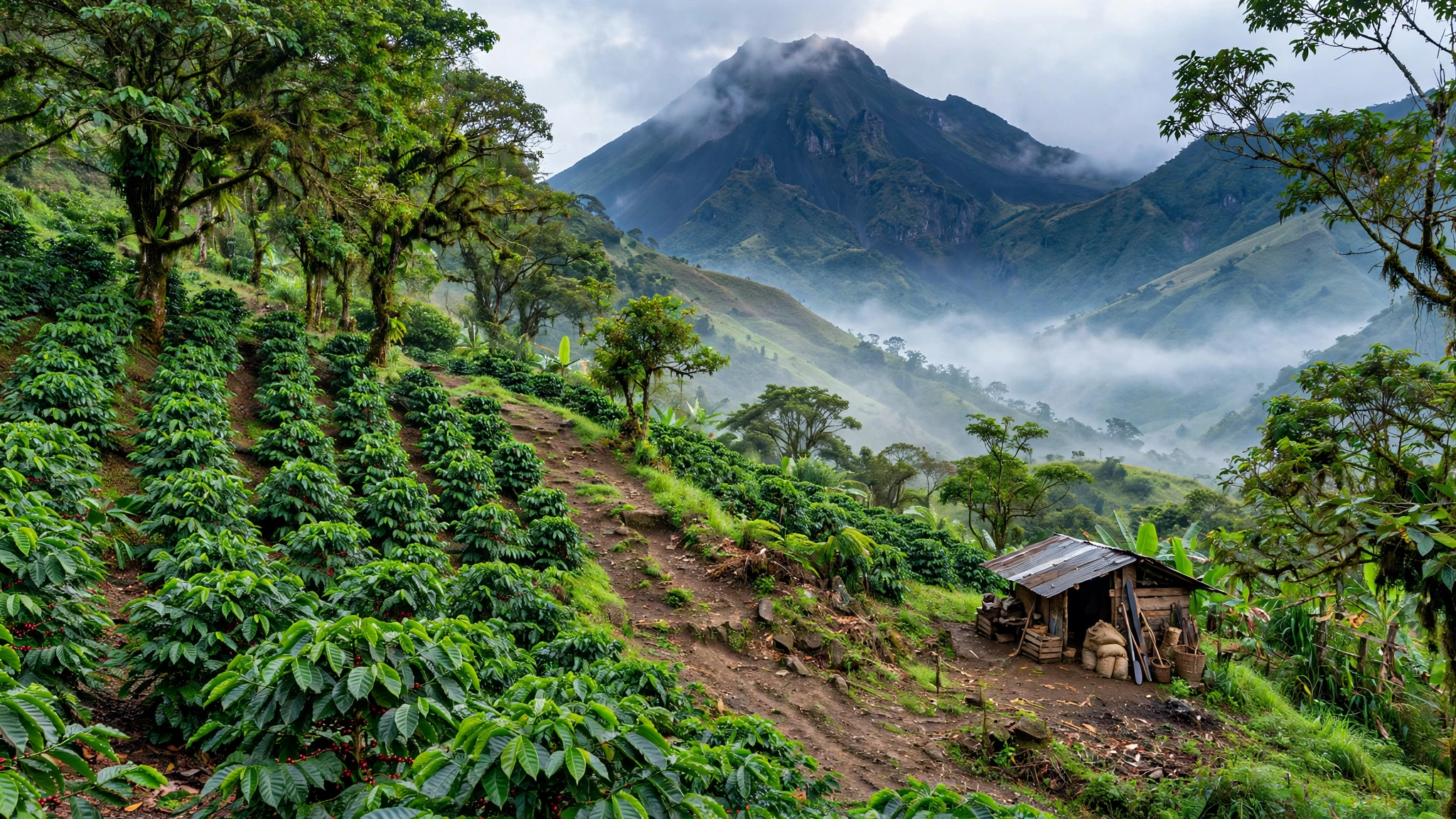
Two days, one night, one very cold camp. The whole expedition runs out of Antigua, the old colonial capital about an hour from Guatemala City. Pickup is usually between 8 and 10 in the morning on day one. A certified guide is mandatory under Guatemala’s CONRED and INGUAT regulations, so going it alone with a downloaded map is not an option. Every operator runs roughly the same route. The difference between them is how you sleep and how many people share the mountain with you.
What changed in 2026 (and why it matters for your trip)
This is the section most old guides get wrong, so pay attention. As of April 1, 2026, the ascent of Volcan de Fuego itself is banned through the Acatenango municipal park. Some operators still sell the Fuego ridge add-on, but it is not allowed, and Guatemala’s volcano monitoring agency INSIVUMEH lists the Fuego-side zones as closed. If a tour company is advertising the Fuego summit add-on, rule them out. They are either careless or dishonest, and neither is a trait you want in a guide at 3,700 meters.
There was also a closure in August 2026, when a CONRED orange alert shut the park for several days after increased Fuego activity. It reopened with the Fuego ascent still banned. And separately, as of July 2026, motorized 4×4 recreational vehicles were permanently banned from Guatemala’s protected volcanic zones by the environmental authority CONAP. So the mountain is fully on foot now, which is how it should be.
The good news: the classic overnight trek to the Acatenango summit and base camp is fully open, Fuego has been erupting continuously through 2026, and the views from camp are exactly what the viral videos promise. There is one caveat. Eruptions and clear skies are never guaranteed. Activity varies week to week, and clouds can sit on the mountain for days. Booking with free cancellation and a flexible schedule gives you the best shot.
What the two days actually feel like
Day one starts easy, almost deceptively so. You wind up through coffee farms and cornfields, then the trail dives into cloud forest where the air turns cool and the mist closes in. Somewhere around the treeline, your legs start filing a complaint. The last stretch to camp is loose volcanic scree, steep and exposed, and the wind picks up with the altitude. Most groups reach base camp by late afternoon, just in time to eat, layer up, and watch the first Fuego eruptions as the light dies.
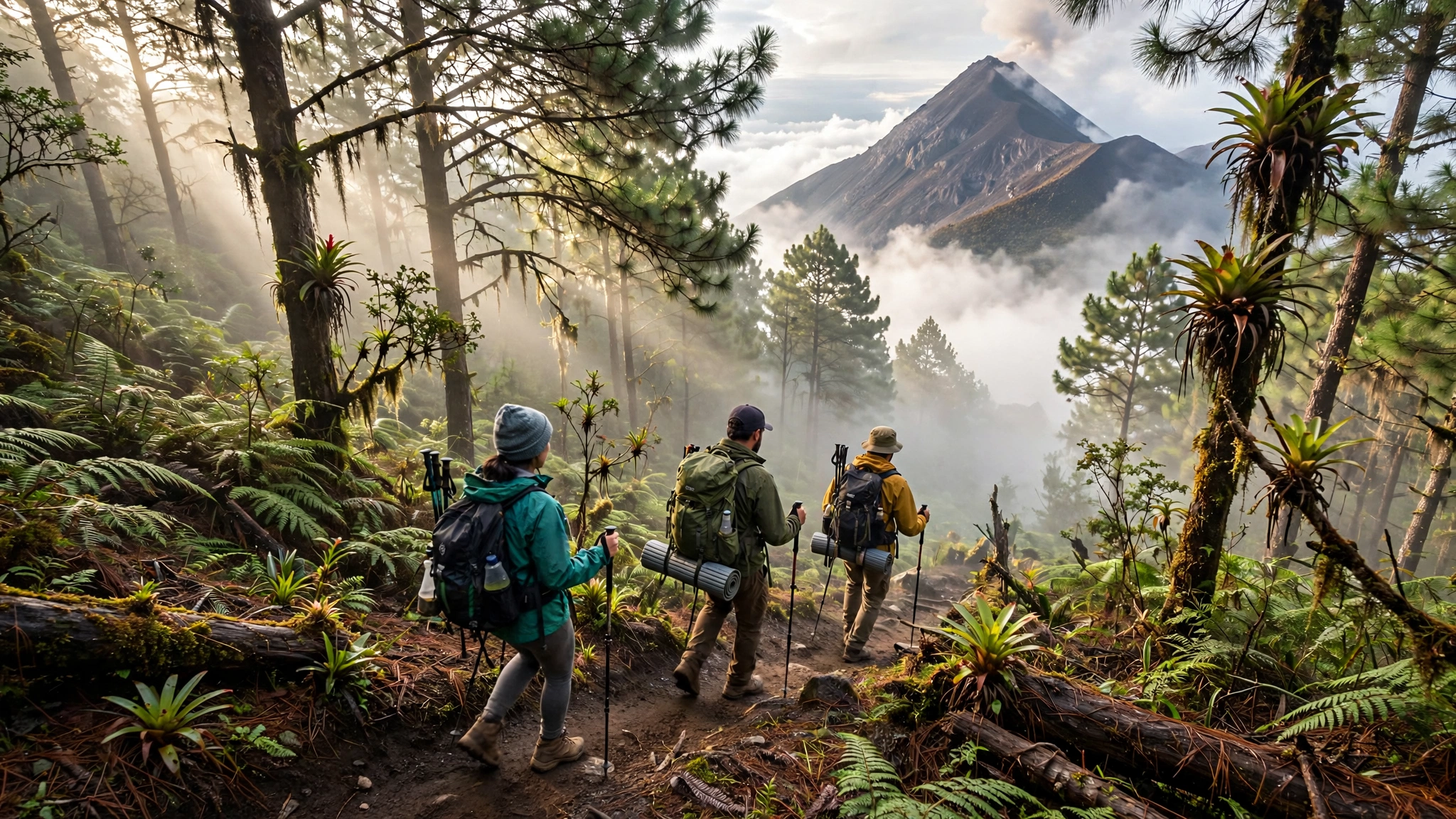
And then comes the night. I have done sunrise summits and ziplines and bungee jumps, and I have never had a night like this anywhere. You sit with a hot drink, wrapped in a sleeping bag if you are smart, and the sky explodes every quarter of an hour. The lava looks close enough to touch. It is not, obviously, but your brain has trouble with the scale. Between eruptions the stars come out in ridiculous numbers, because there is almost no light pollution at that altitude. Sleep is optional and honestly overrated here. Wake up at least twice to watch it.
Day two starts around 4 in the morning for the optional summit push. This is the part people skip in the retelling, and it is brutal in the best way: an hour or two of headlamp climbing in freezing wind to 3,976 meters, and then the sun comes up over a sea of clouds with Fuego puffing ash on the horizon. Then down, all the way down, knees complaining the entire way. You will be back in Antigua by mid afternoon, filthy, exhausted, and unable to stop talking about it.
How much the Acatenango hike costs in 2026
Prices checked in 2026 break into three honest tiers. Budget group hikes start around $57 per person, and the most booked option at that price carries over 1,600 reviews at 4.4 stars, with meals, a tent, and gear included. The sweet spot is the $90 tier: the best-reviewed overnight with nearly a thousand ratings, a cabin or tent option, guide, meals, and transport from Antigua. Small-group cabin trips run about $160, and a private guide with your own pace goes up to $240.
Then come the cash extras on the trail. The national park entry fee is 100 quetzales, about $13, collected on the trail and usually not included in the tour price. A porter for 10 to 12 kilograms runs 150 to 300 quetzales each way, and a horse for your pack costs 700 to 1,000 quetzales. Tipping your guide is expected. A realistic all-in number for a solo traveler on the budget tier lands around $75 to $85 once the extras are added, which honestly narrows the gap to the $90 tier enough that most people should just book the $90 one.
What to pack (the cold will surprise you)
Here is the mistake almost everyone makes: they pack for a tropical country and forget they will be sleeping above 3,500 meters. It freezes at base camp. It genuinely freezes. Your operator provides the tent or cabin and usually a sleeping bag, but the bag’s warmth rating is worth asking about before you book.
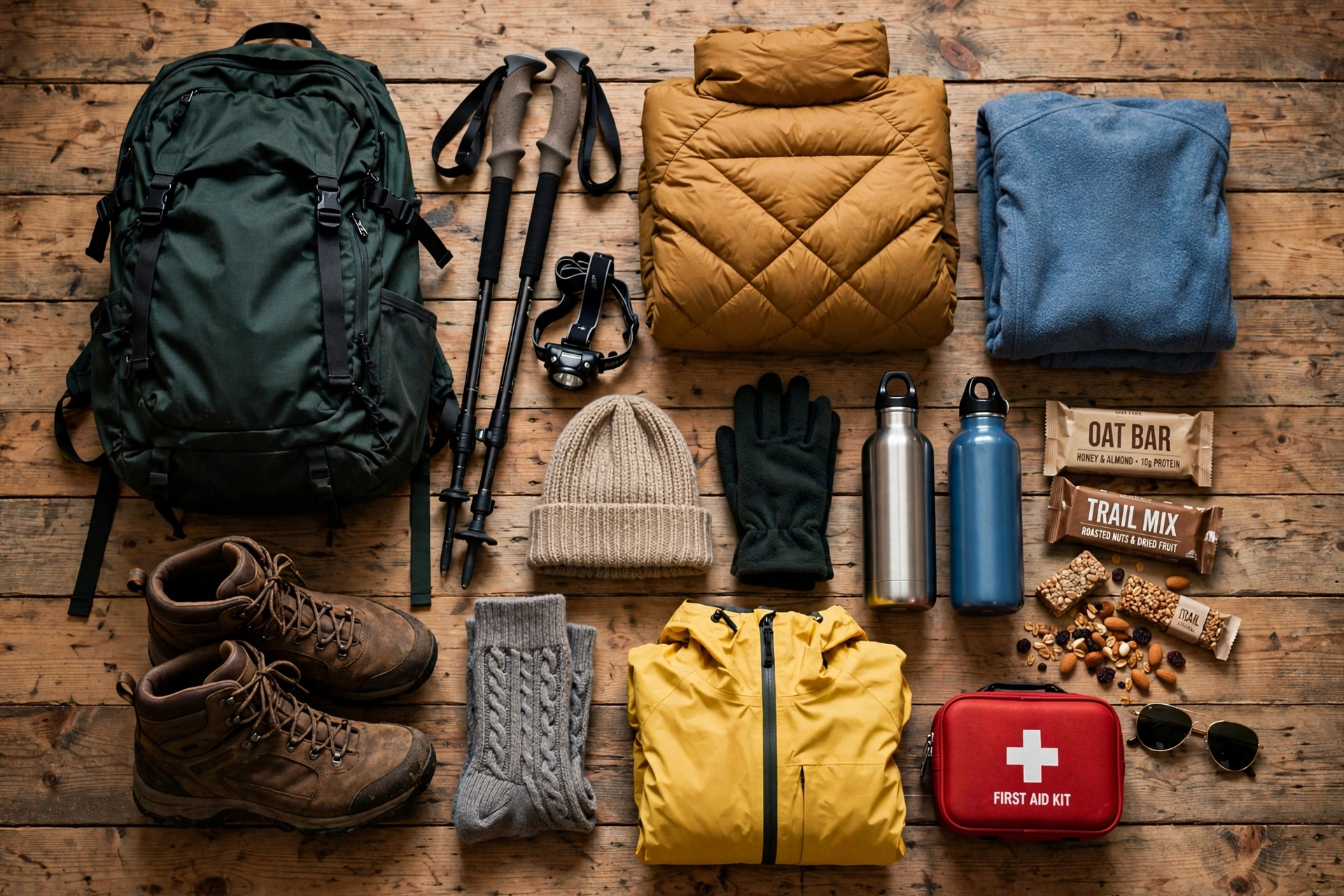
Bring a real warm jacket (down or synthetic puffy), fleece mid layers, a warm hat, gloves, and thick socks. Hiking boots with ankle support handle the loose scree far better than sneakers. Trekking poles are worth their weight in gold on the descent. Pack a headlamp with fresh batteries, because the 4 AM summit push happens in pitch darkness. Bring more water than you think you need, plus snacks with real calories, because the climb burns through them. Sunscreen and sunglasses matter too; the equatorial sun at altitude is merciless on day two. And cash in quetzales for the park fee, the porter, and the tip.
One more thing nobody tells you: acclimatize. Spend at least two or three nights in Antigua before the hike. Antigua sits at about 1,500 meters, which gives your body a head start on the thin air. The 1,500 vertical meters of the climb at altitude is what makes this hike hard, not the distance. Hydrate constantly, skip the celebratory beers the night before, and listen to your body. Altitude headaches are common; pushing through real altitude sickness is not brave, it is dangerous.
How to pick an operator (and the red flag to watch for)
Since the trail, the view, and the summit are the same with every company, your choice comes down to sleeping arrangements and group size. Cabins beat tents for warmth and noise, and the $90 cabin-or-tent tier has the deepest review base of any option. Small groups of six per guide mean less waiting and a better camp vibe. Read the recent reviews, not just the overall rating: operators change, staff turn over, and a 2024 review tells you nothing about the 2026 reality.
The red flag, as mentioned, is any operator still selling the Fuego ridge add-on. It has been banned since April 2026. A company advertising it either has not updated its website in months or is willing to break park rules with your money. Either way, book elsewhere.
Also worth knowing: if you are short on time or fitness, the Pacaya volcano day trip from Antigua runs about six hours at roughly $23 and walks cooled lava fields. It does not have the overnight drama or the Fuego night show, but it is a real volcano experience for a fraction of the effort.
Safety, honestly
This section is not here to scare you off. It is here because the mountain deserves respect. Six people died in a cold front near the summit in 2017, and a teenager died of hypothermia on the hike in August 2026. Those are real events, and they share a common thread: weather and cold, not lava. Fuego’s eruptions are the show, but the temperature at 3,700 meters is the thing that can actually hurt you.
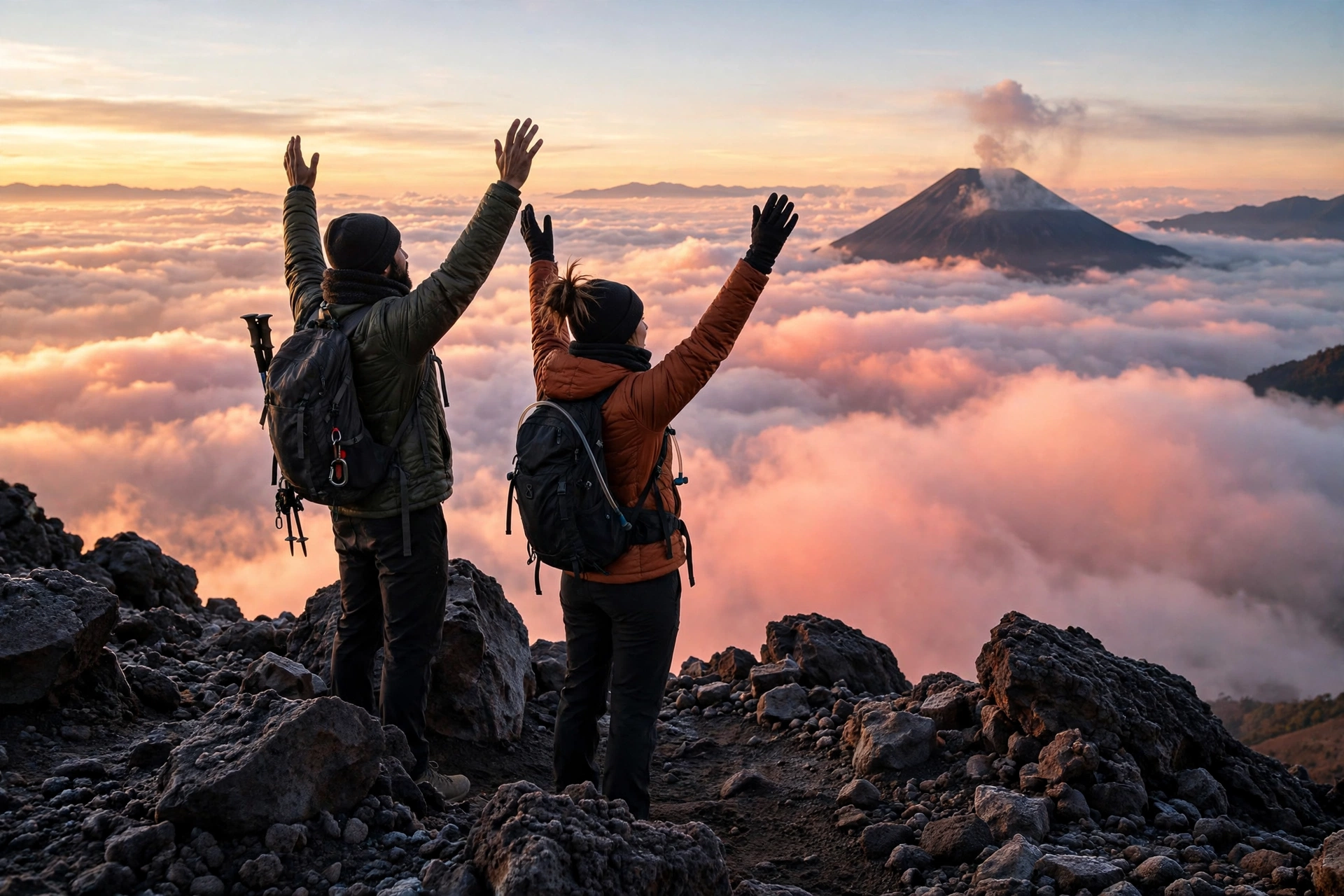
Go with a certified operator, go in dry season if you can, check CONRED and INSIVUMEH advisories before you travel, and turn back if your guide says so. The summit will be there next year. The view from base camp, with Fuego going off all night, is honestly the main event anyway. Many hikers say the sunrise summit was a bonus on top of a night they will never forget.
When to go and how to time your booking
Dry season, November through April, gives the clearest Fuego views and the driest trail. It starts within weeks of this article going live, which is exactly why I am publishing it now. Operators do not sell out months ahead the way Machu Picchu does, but the good cabins at the good companies fill up on weekends in peak season. Book at least a few weeks out if you are going between December and March, and keep a free cancellation policy in case the mountain sits in cloud for your week.
Rainy season, May through October, is cheaper and emptier, and Fuego still erupts. But you are rolling the dice on clouds hiding the whole show, and the trail gets muddy and miserable. If the night show is the reason you are coming, and it should be, dry season is worth the extra cost.
Is it worth it if you are not that fit?
Honest answer: it is hard, but it is not a technical climb, and plenty of non athletes finish it. The trail is a walk, just a very long, very steep one at altitude. If you can hike for five hours with breaks, you can probably do this. Train a little before you go: stairs, hills, whatever gets your legs used to climbing. Spend those acclimatization days in Antigua walking around the town and up the small hills nearby. Hire a porter if the pack weight worries you; there is no shame in it, and it keeps a local family paid.
And if heights or sketchy edges are your thing, you might also love the plank walk on Mount Huashan in China, which we covered in our 2026 guide to the world’s scariest hike, or the world’s tallest and fastest roller coaster that opened this year. If long multi day treks at altitude sound more your speed, our Upper Mustang guide breaks down Nepal’s forbidden kingdom and its brand new 2026 permit rules.
Getting there: Antigua, your base camp town
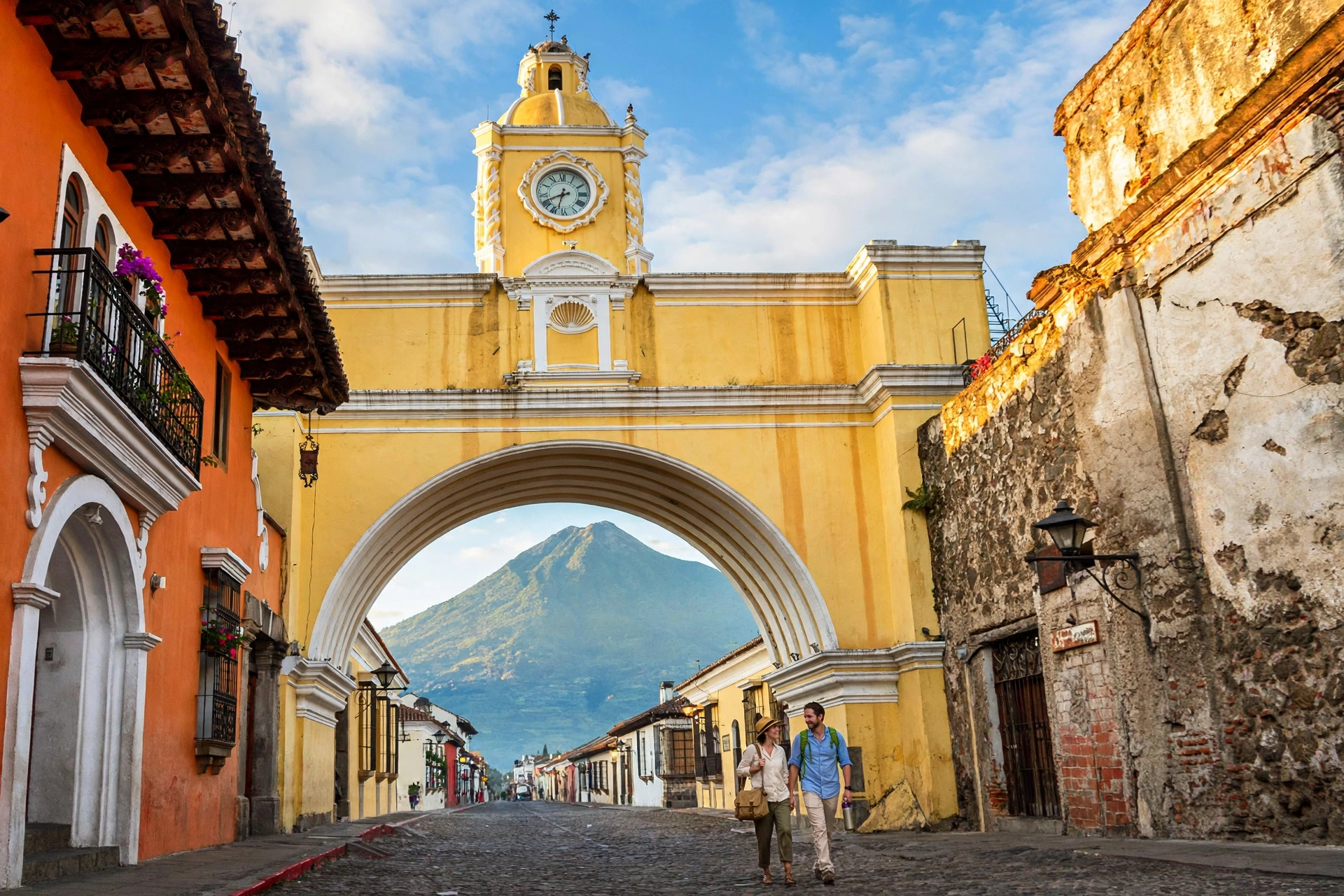
Most travelers fly into Guatemala City’s La Aurora airport and take a shuttle or Uber to Antigua, about an hour away depending on traffic. Antigua is one of the prettiest colonial towns in the Americas: cobblestone streets, the famous yellow Santa Catalina Arch, and volcanoes visible from half the rooftops. Spend your acclimatization days here eating well, drinking the excellent local coffee, and getting your gear sorted.
Your operator handles transport from Antigua to the La Soledad trailhead on the morning of the hike. You just need to show up with your pack, your cash quetzales, and reasonable expectations about sleep. You will not get much of it. You will not care.
The bottom line
The Acatenango overnight hike is not the hardest trek in the world, and it is not the most remote. What it is, is the only place on Earth where you can sit in a tent, shivering, drinking hot chocolate, while a volcano erupts in front of you every fifteen minutes. The 2026 rule changes made it safer and more honest: no more sketchy Fuego add-on, no more 4x4s tearing up the trail, mandatory certified guides. The dry season is opening now. Book the cabin tier, pack for winter, spend three nights in Antigua first, and go watch the sky explode.
For more on the 2026 rules and operator comparisons, the detailed breakdowns at volcano-guide.com’s Acatenango page and Living in Guatemala’s complete 2026 guide are the two best English resources I found, and both were updated this month.
Loved this? There is a whole world of adventure travel on thecavee.com, from Himalayan permit changes to the planet’s wildest caves. And if this volcano has you dreaming in orange and black, our Pinterest board is full of eruption night shots that will not let you sleep tonight either. Read the full story on thecavee.com.