No Signs, No Ticket Counter, No Crowds: Inside the Alfred Caves of Diglipur, Andaman
Most Andaman trips look the same on Instagram. A beach, a boat, a plate of seafood, repeat. Diglipur, up in North Andaman, breaks that pattern in the best possible way. It is slower, wilder and far less polished, and its strangest attraction does not even try to look like an attraction. The Alfred Caves have no ticket counter, no proper entrance gate and, on many stretches of the trail, no signs at all. That is exactly why they are worth the effort, and exactly why you should not turn up unprepared.
This guide solves the problem most travellers hit with the Alfred Caves: the information online disagrees with itself. One guide says the walk takes 20 minutes. Another says two hours. One says no permit is needed. Another quotes a permit price. I have sorted through those contradictions below, kept the parts that agree, and flagged the parts you must confirm in Diglipur itself before you set off. If you want a real cave day in the Andamans, not a staged photo stop, this is how to do it properly.
What the Alfred Caves actually are
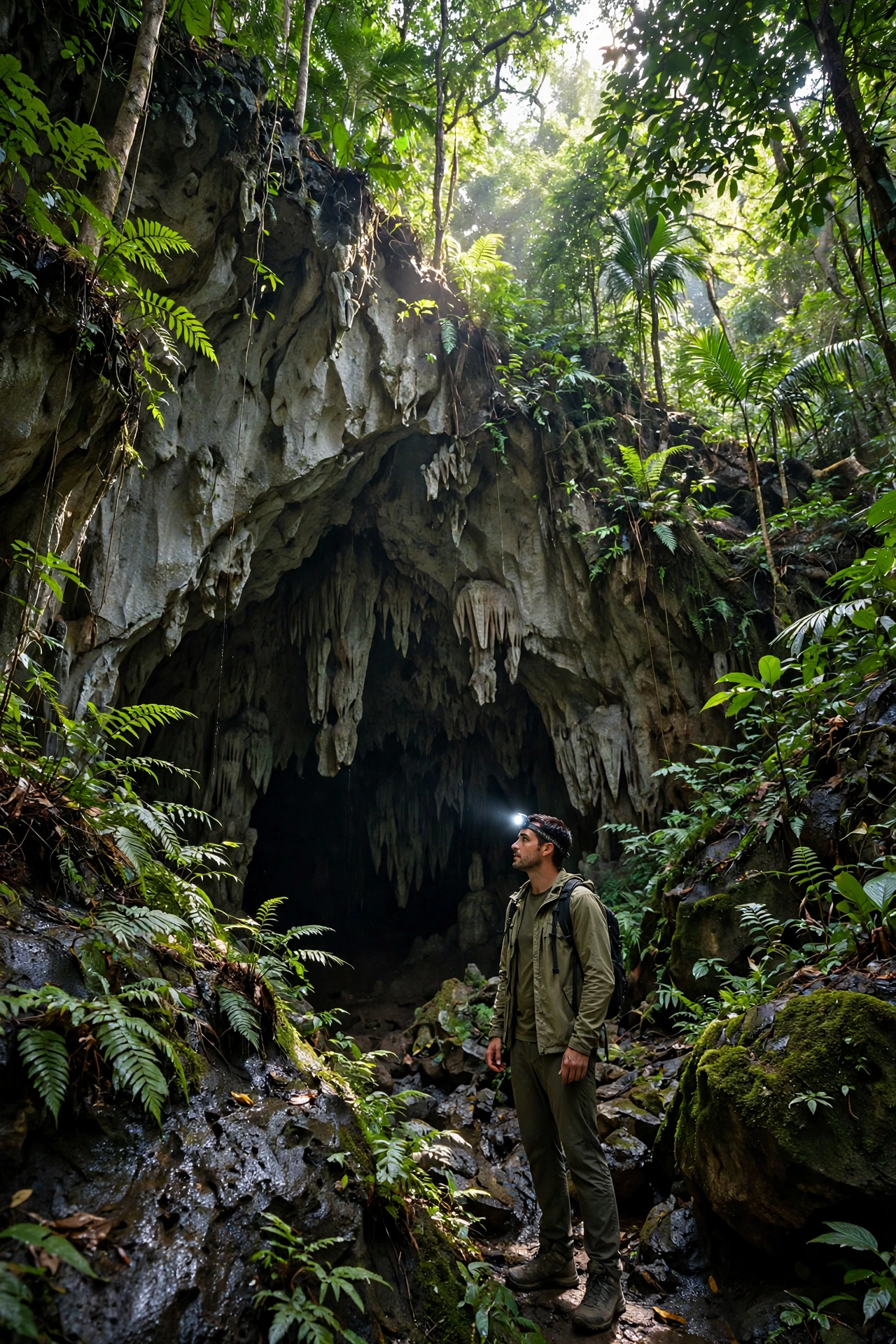
The Alfred Caves are a group of natural limestone caves hidden in tropical forest near Ram Nagar Beach, a short drive from Diglipur town in North Andaman. Local guides credit their name to Alfred Wayman, a British geologist linked to their 19th century discovery. The wider cave region around Diglipur is said to hold nearly 41 limestone caves, though only a few are normally explored by visitors. That number matters because it explains the feeling of the place. You are not visiting one famous chamber with a gift shop attached. You are walking into a whole limestone landscape where most of the caves stay untouched, narrow and, frankly, unvisitable.
Inside the caves that are open, expect stalactites hanging from the ceiling, stalagmites rising from the floor and pillars where the two have met over centuries. There is no lighting inside. When your headlamp goes off, the darkness is complete. Bats live here, and guides also warn about spiders and snakes in the forest and around the cave mouths, which is another reason the local guide is not optional in any real sense. The caves are not a theme park version of wild. They are wild, in a small and manageable way, if you respect that.
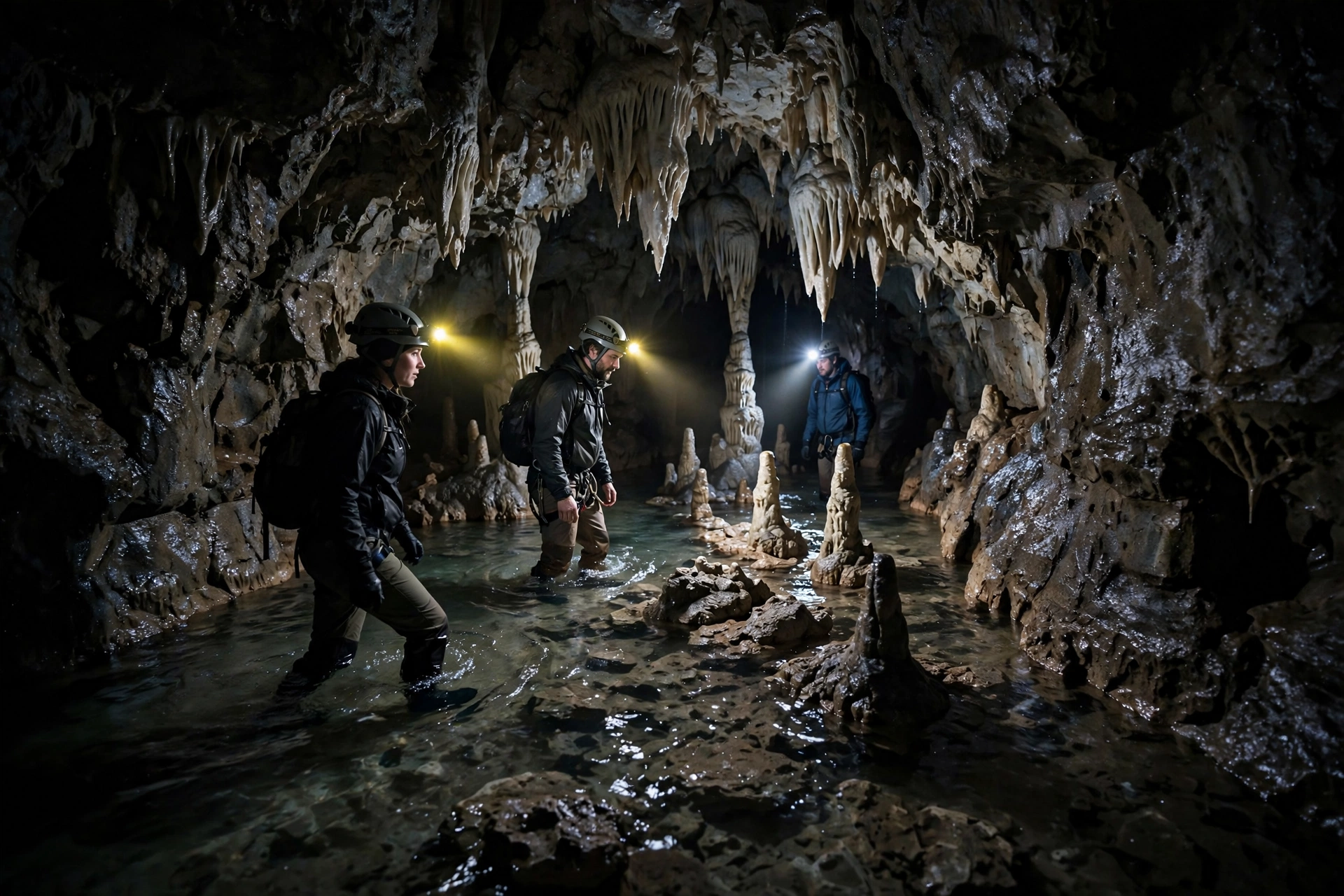
Two caves, usually called Alfred Cave 1 and Alfred Cave 2, are the ones visitors normally enter. They are connected by a narrow passage where you may need to crawl and wade through knee-deep water. If that sentence made you hesitate, listen to that hesitation. It is useful information, not a reason to feel embarrassed. This is a crawl-and-wade cave, not a walk-through show cave with handrails and paved paths.
Why November is the right month to think about this
November to April is the window almost every Andaman guide points to for the Alfred Caves, and early November is a particularly good moment to plan. The monsoon has loosened its grip, the forest is still lush, and the trails are drying out. Some guides stretch the season to October to April, but November is the safer bet for a first visit. In the monsoon, the same forest trail turns slippery, muddy and, in places, unsafe, with leeches and swollen water adding to the trouble. The caves do not close for a season in the formal sense, because there is no formal gate to close. The season is really about whether the jungle lets you in safely.
That timing also fits Diglipur as a whole. Turtle nesting at Kalipur Beach runs from December to April, so a November cave trip can be the start of a longer North Andaman stay rather than a rushed day trip. You get the caves while they are quiet, and you are in place before the peak crowds of December and January arrive. If you are the kind of traveller who likes a place before everyone else discovers it, Diglipur in November is that sweet spot.
Getting to Diglipur without losing a day to confusion
Diglipur sits roughly 300 to 325 kilometres from Port Blair, and the journey itself is part of the adventure. By road it takes about 9 to 12 hours, depending on stops, road works and how patient your driver is with the Andaman Trunk Road. By government ferry it takes roughly 6 to 10 hours on select days. Neither option is a quick hop, so do not plan the Alfred Caves for the morning after you land in Port Blair. Give Diglipur its own leg of the trip, ideally two or three days, and you will enjoy it far more.
Once you are in Diglipur, base yourself in Diglipur town or near Kalipur Beach. From there, the cave trailhead is reached by local taxi, auto-rickshaw or a rented scooter, with guides generally describing it as around 5 kilometres before Ram Nagar Beach, or about 5 to 8 kilometres from Diglipur town. The small differences in those numbers come from different starting points and different roads, not from anyone trying to mislead you. The practical point is the same: you drive to a roadside trailhead, then you walk. Private cabs are the most convenient option because local transport on this route is limited, and rental bikes in Diglipur are limited too, so book ahead if you want one.
Start early. Some guides suggest leaving around 5:30 in the morning for a full day trek, and even if your guide plans a shorter walk, an early start buys you cooler air, quieter forest and plenty of daylight to get back. Tell your guesthouse where you are going and roughly when you expect to return. In a place with patchy mobile signal and no cave office, that simple message is your safety net.
The trek itself: what the conflicting times really mean
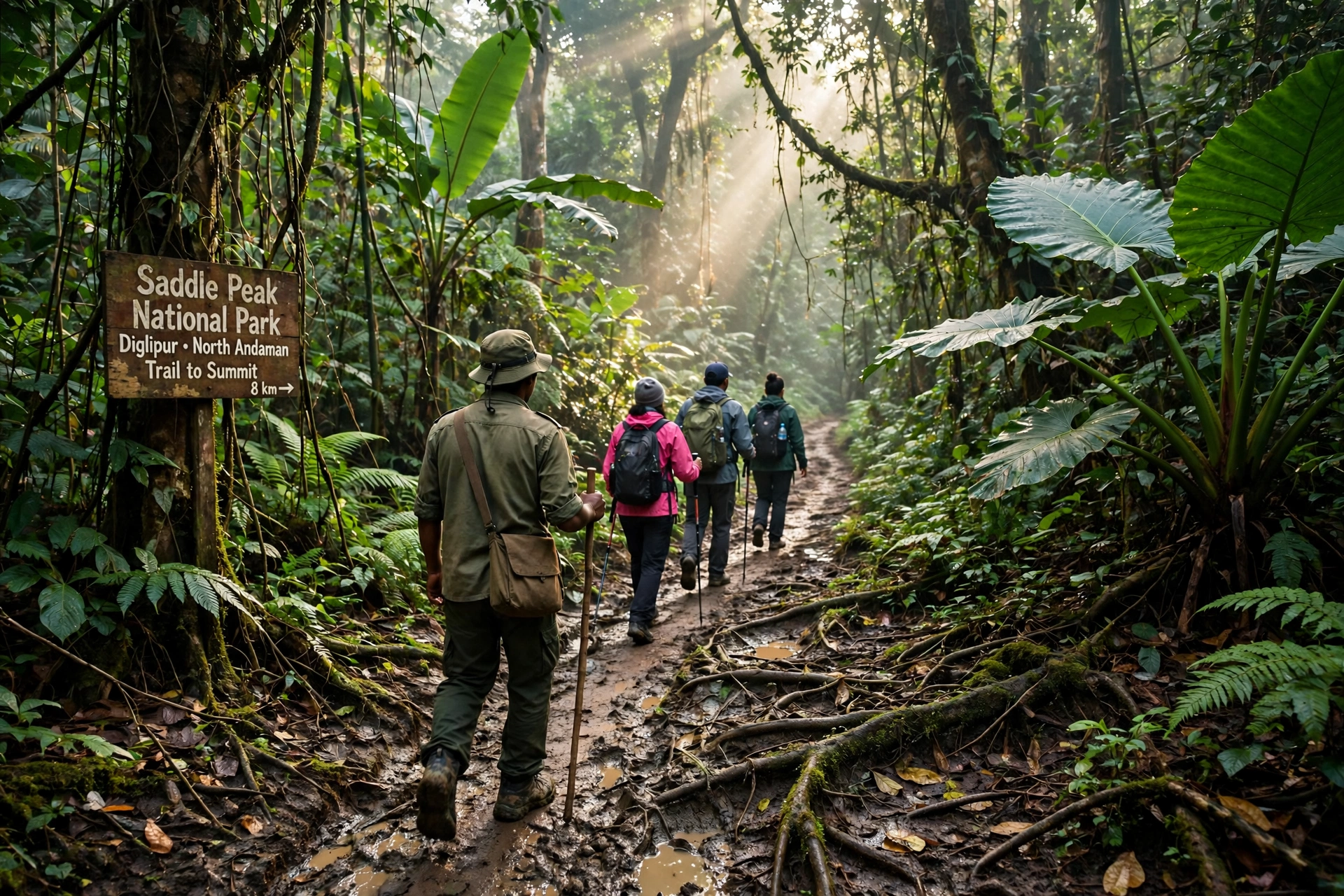
Here is the contradiction that confuses everyone, so let us clear it up. Some guides say the walk from the trailhead to the cave entrance takes 20 to 30 minutes. Others say the trek takes 1.5 to 2 hours one way, or about an hour through the forest. Both can be true, because they are measuring different things. The short figure is the walk from the roadside trailhead to the nearest cave mouth on the easiest approach. The longer figure covers a fuller forest trek, a slower group, muddy sections and time spent exploring more than one cave section.
Plan for a full day, not a 30 minute outing, and you will never be caught out. The trail passes through secondary forest and is not always clearly marked. After rain it gets slippery. The path to the caves is not signposted from the road, and the actual trekking trail starts from a small hidden path near the roadside that is almost impossible to identify without local help. That is not a dramatic warning. It is the literal reason guides exist here. Without one, you can walk past the turnoff and never know it.
Inside, the pace slows right down. You switch to headlamps, you watch your footing on wet limestone, you duck, you crawl in places and you wade where the passage fills with water. There is no handrail to grab and no guide rope to follow, only your guide’s voice and your own light. Take it slowly. The caves reward patience. Rush, and you miss the formations, you slip, or you end up with a phone full of blurry photos and wet shoes.
How much it costs, and the permit question you must check locally
There is no official entry fee to the Alfred Caves in the way a national park charges at a gate, because there is no gate. That does not mean the trip is free. Guides typically charge around 1,000 to 1,500 rupees, depending on timing, group size and how many cave sections you cover. A complete day trek, including transport and guide, has been quoted around 3,000 to 4,000 rupees in some guides, while a taxi to the Ram Nagar area has been quoted around 400 to 1,000 rupees. Treat those as planning ranges, not fixed prices, and agree the total with your guide the evening before.
Now the permit question, because this is where guides genuinely disagree. One recent guide states clearly that no permit is currently required for the Alfred Caves, unlike the limestone caves at Baratang, which need a forest permit and a police convoy. Another guide lists a forest permit price for the Alfred Caves. A third notes that permits are needed for nearby Saddle Peak National Park and Ross and Smith Islands, which can make the whole Diglipur permit picture feel muddled. The honest answer is this: confirm the current rule in Diglipur itself, at your guesthouse or the Diglipur Forest Office, before you go. Rules in protected forest areas can change, and a five minute check beats a wasted morning. Do not rely on a single blog post, including this one, for a permit decision.
Arrange your guide through your guesthouse in Diglipur or Kalipur the evening before. There is no guide booth at the caves and no refreshment stall, so you carry your own water, your own light and your own snacks. That lack of facilities is part of the charm, but only if you arrive prepared. A guide booked the night before, a confirmed price, a charged headlamp and a spare torch turn a potentially frustrating day into a smooth one.
What to wear and carry, and who should sit this one out
Wear non-slip shoes with a good grip, not sandals and not smooth-soled trainers that will betray you on wet rock. Light, quick-drying clothes are best, because you may wade through knee-deep water and you will sweat on the forest walk. Carry a headlamp as your main light and a small torch as backup, plus a full water bottle, snacks, sunscreen for the walk in, insect repellent and a dry bag for your phone. A phone light alone is not enough inside a cave. It drains fast, it lights a narrow patch, and it leaves your hands full when you need them for balance.
Leave the heavy backpack behind. You want your hands free and your load light for crawling sections. If you carry a camera, protect it from water and mud, and check with your guide before using a flash near bats. Bats are easily disturbed, and a good guide will tell you when to keep lights low and voices down. That is not just politeness. It is how a wild cave stays wild for the next visitor.
Be honest about fitness and comfort with tight spaces. The Alfred Caves suit reasonably fit travellers who are comfortable with uneven ground, darkness, crawling and getting wet. They are not a good choice if you have serious knee problems, a strong fear of enclosed spaces, or mobility issues that make crawling difficult. Children can enjoy the forest walk, but the narrow, wet cave sections are a different matter, so ask your guide specifically about the sections planned for your group before promising a child a full cave adventure. There is no shame in doing the forest trek and the cave mouth and skipping the tightest passage. That is still a proper Alfred Caves day.
A two day Diglipur plan that makes the journey worthwhile
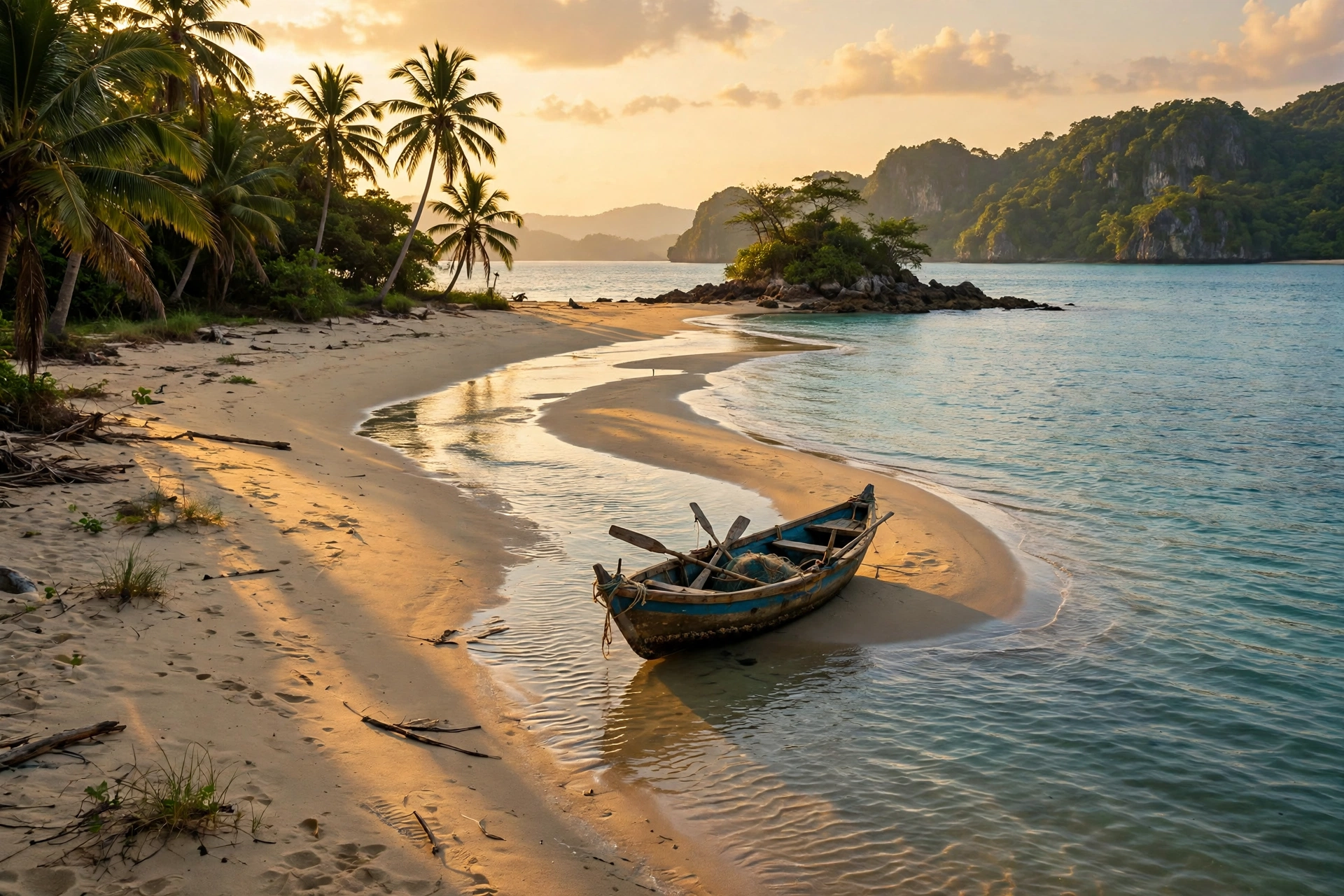
Diglipur rewards travellers who stay, so do not treat the caves as a single stop on a rushed island circuit. On day one, do the Alfred Caves in the morning and spend the afternoon at Ram Nagar Beach or Kalipur Beach, recovering with a swim and a slow dinner. On day two, climb Saddle Peak, the highest point in the Andamans at 732 metres, or take a boat to Ross and Smith Islands, twin islands joined by a natural sandbar. The Kalpong River, with its mangroves and waterfalls, makes another good half day, and turtle nesting at Kalipur runs from December to April if your dates stretch that far.
This is the real problem the Alfred Caves solve. So many Andaman itineraries feel interchangeable: same beaches, same water sports, same sunset photos. Diglipur gives you a different story to bring home. You trekked through jungle to a cave with no signs. You crawled, you waded, you switched your light off and heard nothing but dripping water. That is a memory, not just a photograph, and it is the reason North Andaman is quietly becoming the island chain’s best kept secret for travellers who want more than a beach.
Mistakes to avoid
Do not arrive without a guide and expect to find the trail. Do not assume there will be food, water or a phone signal at the caves. Do not visit in the monsoon and expect the same trail you read about in January. Do not wear white shoes you love, or carry a bag you cannot crawl with. Do not touch formations, because the oils on your hands damage limestone that took centuries to grow, and do not take anything from the cave. Finally, do not compare the Alfred Caves to Baratang. Baratang is a managed, convoy-based limestone cave visit. Alfred is the opposite: self-arranged, guide-led and gloriously unpolished. Expecting one when you booked the other is how disappointment happens.
One more mistake is worth naming. Some travellers try to squeeze Diglipur into a day trip from Port Blair. On paper it looks possible. In practice, a 9 to 12 hour road journey each way leaves no time for a cave, a beach and a safe return in daylight. Stay overnight. Diglipur is not a detour. It is a destination, and the Alfred Caves are its wildest reason to go.
Frequently asked questions
Where exactly are the Alfred Caves?
Near Ram Nagar Beach, a short drive from Diglipur town in North Andaman. The trailhead is about 5 kilometres before Ram Nagar Beach, and the cave entrance is reached on foot through forest from the roadside.
Do I need a guide?
Yes, in practical terms. The trail is unmarked and the entrance is hidden, there are no facilities at the caves, and a local guide handles navigation, safety and the cave sections. Book through your guesthouse the evening before.
How long does the trip take?
Budget a full day. The walk from the trailhead to the cave can be as short as 20 to 30 minutes on the easiest approach, but a fuller forest trek and cave exploration can take 1.5 to 2 hours one way, plus time inside the caves and the return journey.
Is there an entry fee?
There is no official ticket counter or gate fee reported by most guides, but you pay for a guide and transport. Guide fees are commonly quoted around 1,000 to 1,500 rupees, with full day trek costs higher. Confirm permit rules locally, as sources disagree on whether a forest permit applies.
When is the best time to visit?
November to April, with November an excellent starting point as the monsoon eases. Avoid the monsoon months, when trails are slippery and unsafe.
Can I visit with children?
The forest walk suits many children, but the narrow, wet cave passages need a guide’s judgement for your specific group. Ask about the planned sections before you go, and be ready to enjoy the cave mouth and forest even if you skip the tightest crawl.
If the Alfred Caves sound like your kind of adventure, save this guide and share it with the one friend who would actually crawl through a cave with you. Then plan Diglipur properly: an early start, a local guide booked the night before, and a full day left open for jungle, limestone and the quietest corner of the Andamans. For more cave stories that go beyond the usual tourist trail, keep exploring thecavee.com, and follow our Pinterest boards for the next hidden cave before it stops being hidden.
Read more on thecavee.com: Siju Cave in Meghalaya, Dark Cave in Phong Nha, Vietnam and Son Doong, the world’s largest cave. For outside planning help, see the Alfred Caves guides on Go2Andaman and Andaman Vacation, and always confirm current permit and access rules in Diglipur before you travel.