Your Entryway Is a War Zone? This Flip-Down Wooden Piano Coat Rack Might Be the Fix
There is a very specific kind of chaos that lives in an entryway. I know it well, because I lived it for three years.
You come home. You peel off your jacket. There is nowhere to put it. The chair gets it. Then the radiator gets the scarf. Then the dog leash lands on the shoe pile and disappears into it like a sock in a washing machine. Two days later you are crawling around under the bench, late for work, swearing at a leash that has apparently decided to become one with the floor.
None of this is a tragedy. But it is, quietly, exhausting. Every single day, you lose five minutes to a pile that should not exist.
So when I kept seeing the same handmade wooden piano coat rack pop up in Etsy’s trending lists, I did what any reasonable person does at 1 a.m.: I bought one. Actually, I researched three versions of it, compared prices, read a small mountain of reviews, and then bought one. This is that story, plus everything I wish I had known before I clicked the button.
The problem nobody fixes: your entryway is the busiest room in the house
Here is a fun little thought experiment. Walk into your home and count the objects that pass through your entryway every single day. Keys, bag, jacket, shoes, umbrella, mail, the dog leash, the kid’s backpack, your partner’s jacket, that one tote bag that never quite goes away. For a family of four, the entryway handles more traffic than the kitchen counter. And yet it gets the least design attention of any spot in the house.
Most solutions make things worse. A standing coat tree eats floor space and wobbles. Those sticky hooks rip paint off the wall and drop your winter coat at 3 a.m. with a sound that convinces you the house is collapsing. A single row of fixed hooks works until it does not: jackets overlap, the kid’s tiny hoodie gets buried under dad’s parka, and the whole thing looks like a closet exploded.
That is the exact problem the flip-down piano rack solves. It is not magic. It is just smarter engineering wearing a good-looking wooden face.

What a piano coat rack actually is (and why the flip-down part matters)
The idea is charmingly simple. Instead of fixed pegs sticking out of a board forever, this rack has individual rectangular wooden hooks, shaped a bit like piano keys, that pivot. Pull one down and it locks at an angle, giving you a sturdy hook. Done with it? Push it back up and it sits nearly flush against the backboard.
That sounds like a minor detail. It is not. It is the whole product.
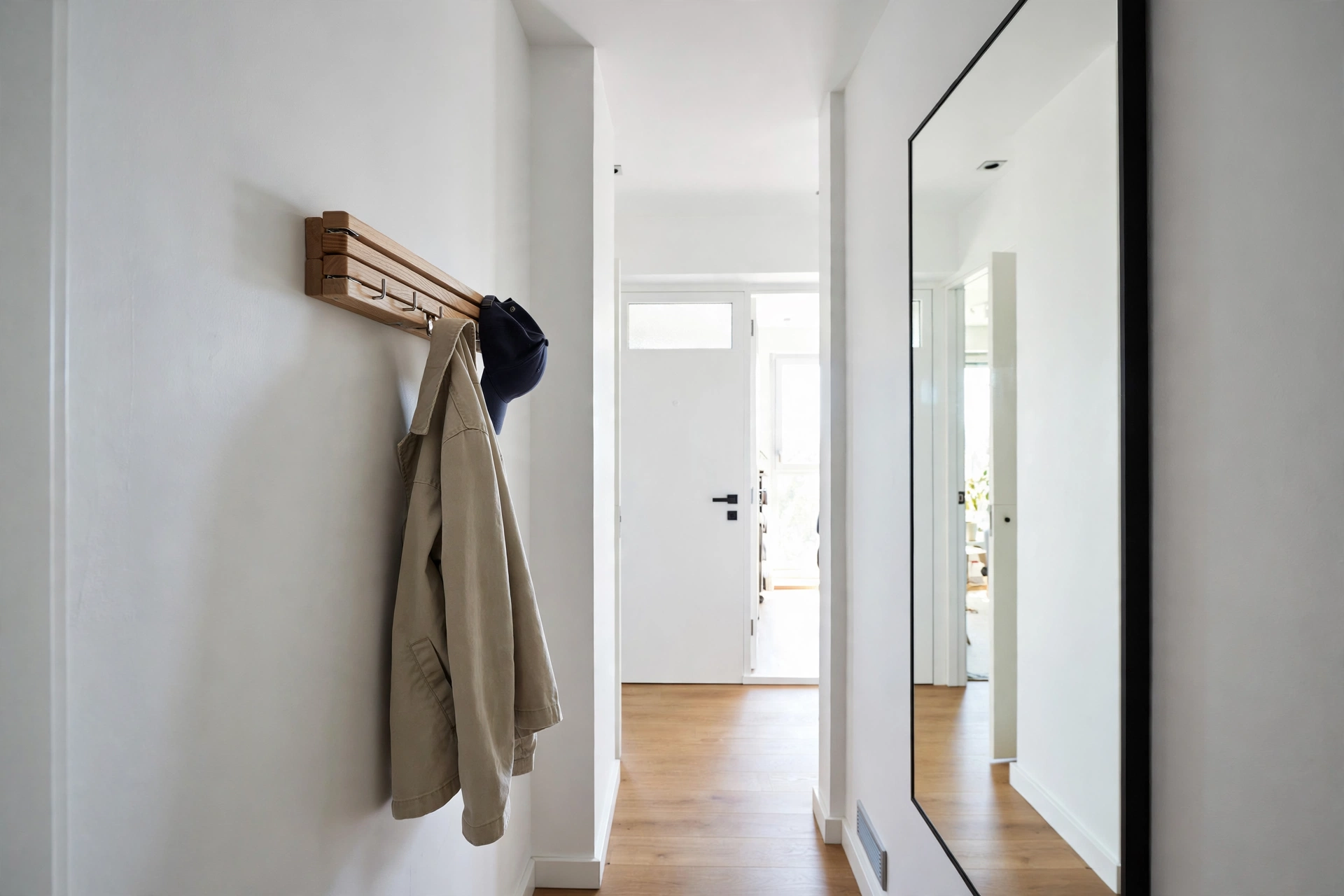
A fixed-hook rack is always at maximum visual noise. Even when it is empty, it looks busy. The flip-down design means an empty rack looks like a clean wooden shelf panel. In a narrow hallway, that difference is enormous: a board that sticks out 5.5 inches when the hooks are down becomes nearly flat when they are up. You can walk past without your bag snagging. Guests do not have to do that awkward sideways shuffle.
It also solves the sharing problem. Everyone gets their own key. My hook, your hook, kid hook, dog leash hook. No more digging through three overlapping jackets to find the one thing you actually need. There is something deeply satisfying about flipping your own little wooden key down every morning. It is the adult equivalent of having your own locker.
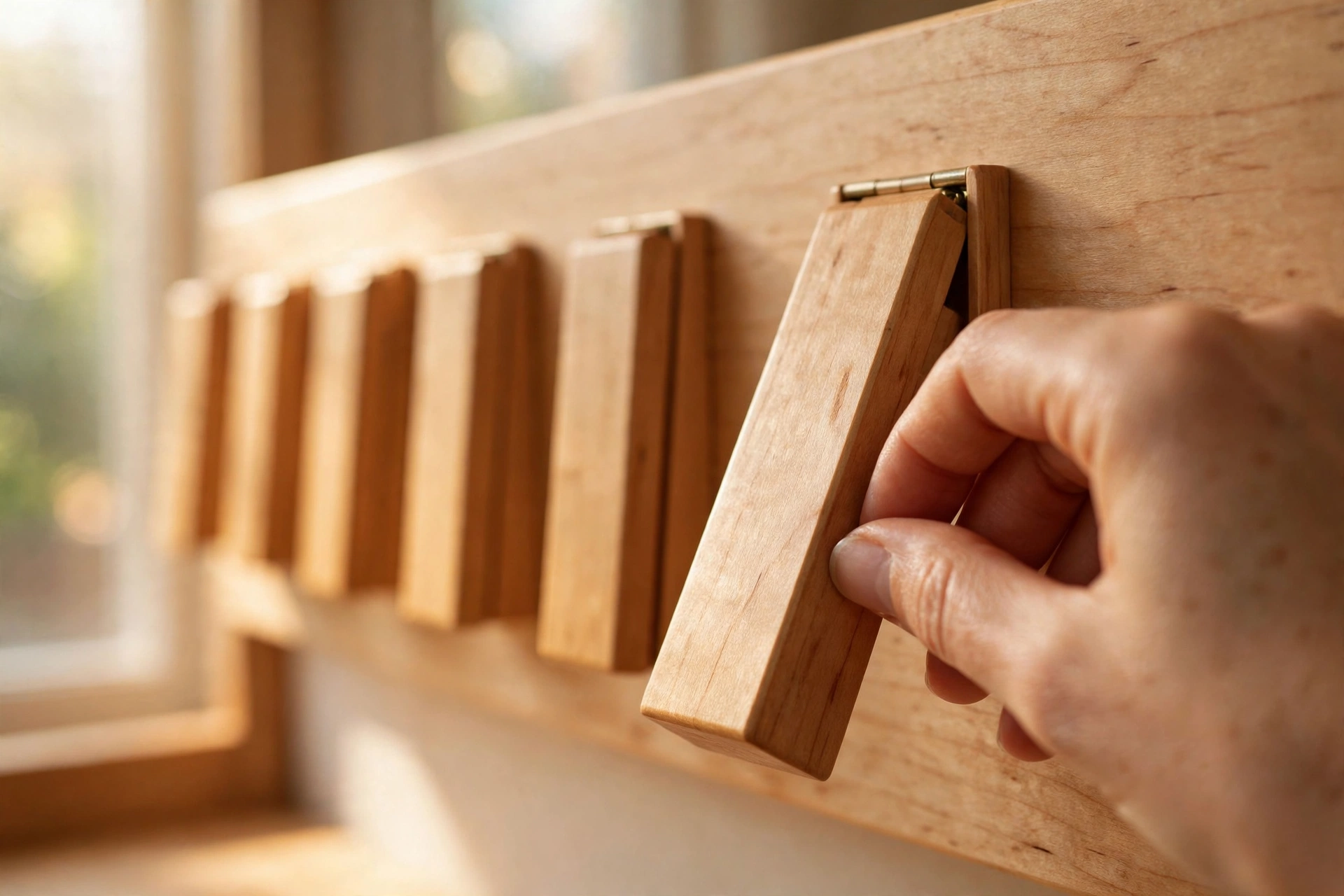
The one I ended up choosing: StoneWonDesigns, from $42.90
I landed on the handmade version from a Texas shop called StoneWonDesigns. It is a Star Seller on Etsy with a perfect 5 out of 5 rating, and it starts at $42.90, with the price moving up depending on how many hooks you want: 1, 6, 12, or 20.
Why this one and not the dozen others? Three reasons.
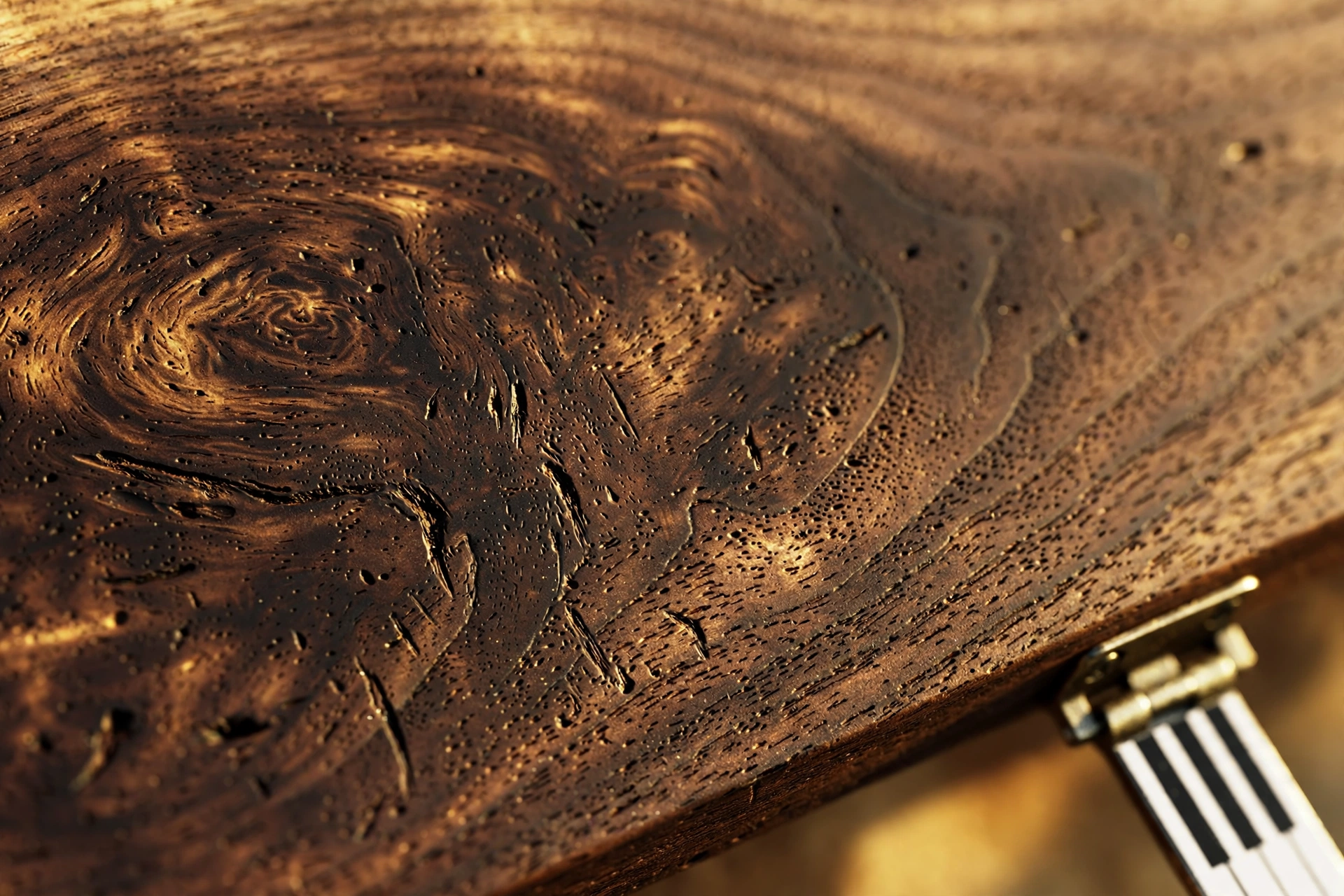
First, the wood options are real hardwoods. You pick between walnut, maple, oak, mahogany, or a mixed set. That is not a veneer situation. The shop uses FSC-certified lumber, which means the wood comes from responsibly managed forests. For a product whose entire selling point is “solid handmade craftsmanship,” that actually matters.
Second, the mounting is thought through. Every rack ships with a French cleat for hanging on studs, plus anchors if you are going into drywall. That second part is worth reading twice, because a lot of reviews of cheaper racks are just people discovering physics the hard way. A loaded coat rack is heavy. StoneWonDesigns rates each hook at roughly one fully loaded backpack when mounted to studs, and the drywall anchors they include are rated for about 60 lbs total. Measure your wall, find your studs, and do not mount a 20-hook rack on bare drywall and then complain.
Third, it is handmade in small batches. Each one gets cut, sanded, finished, and checked before it ships. That means a week or two of lead time sometimes, but it also means you are not buying something that will snap the first time someone hangs a wet peacoat on it.
How to pick the right size (most people get this wrong)
The biggest mistake I see in reviews is people under-buying. One person hangs two jackets, one backpack, the dog leash, and then writes an annoyed review about how their rack is “full.” Of course it is full. You bought the six-hook version for a household of five people.
Here is my rule of thumb after watching this thing live in a real house for a few months:
- Solo or a couple, minimal stuff: the 6-hook size is plenty. Two jackets, a bag, a leash, two spare hooks for guests.
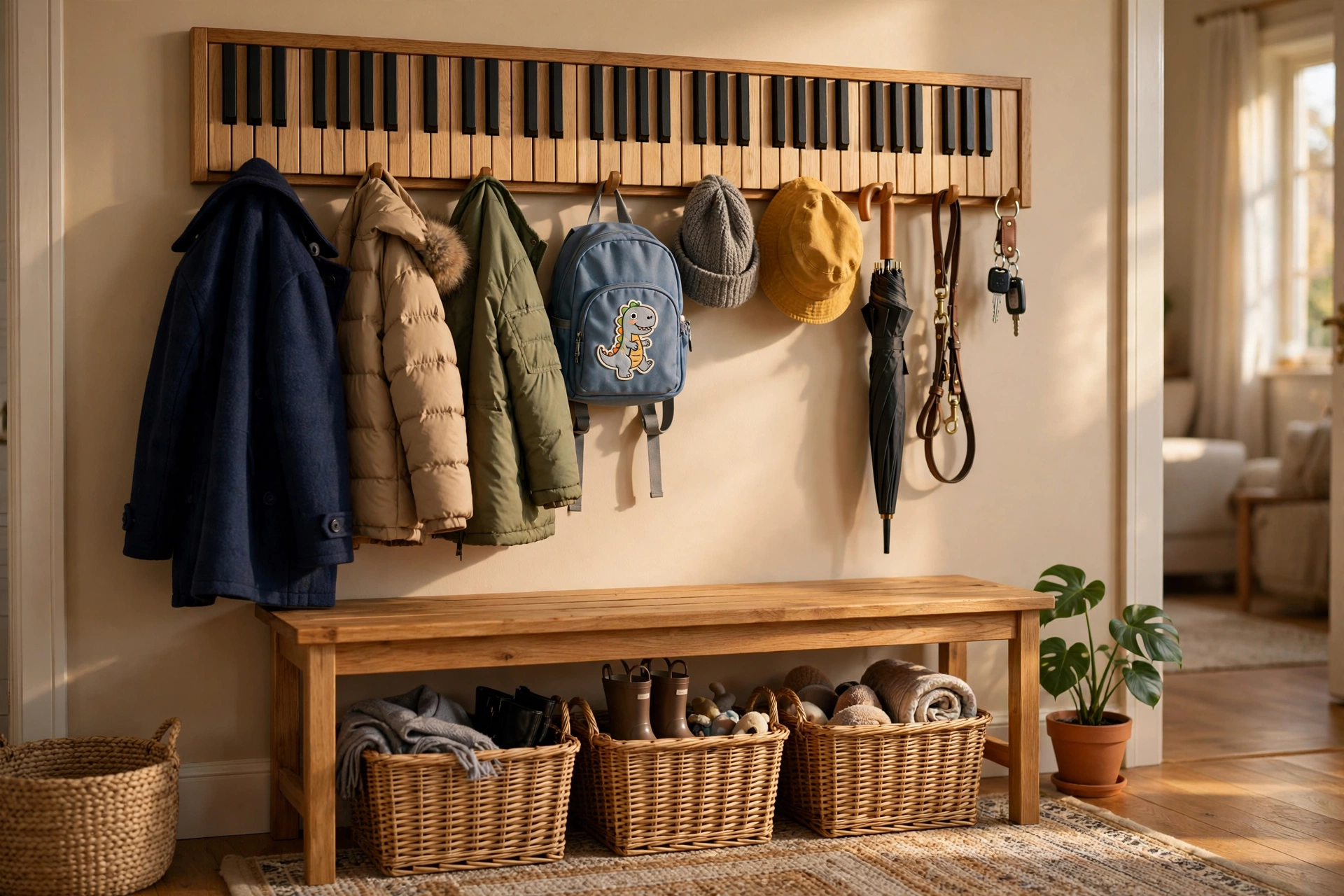
- Family of three or four: go 12. Assign two hooks per person. You will use all of them.
- Big family, lots of gear, or you entertain a lot: the 20-hook version. It is long, so measure your wall first.
- Tiny studio or a single awkward corner: the 1-hook version exists, and honestly it is a sleeper pick. One solid walnut hook by the door for your everyday jacket beats any sticky hook ever made.
And a genuinely practical tip: leave one hook empty at all times. The empty hook is for the guest, the umbrella, the package you just brought in. The day your rack is 100 percent full is the day the floor pile comes back.
Installation: thirty minutes, one honest warning
I will not pretend this was hard. It was not. The French cleat system means you screw one piece to the wall, one piece is already on the rack, and they interlock. Level it, mark your holes, drill, screw. Done. The whole thing took me under half an hour including the time I spent arguing with the stud finder.
The honest warning: the stud finder part matters. If you are mounting the larger sizes, find the studs. The included drywall anchors are fine for the small racks, but a 12-hook rack loaded with winter coats is a lot of leverage on a thin piece of wall. When in doubt, mount into studs. Your future self, the one who is not picking a coat rack off the floor at midnight, thanks you.
Cleaning is nothing: wipe with a damp cloth or a little furniture cleaner. The finish is a natural oil, so it will develop a nice patina instead of flaking like cheap lacquer. If your hallway is one of those barely-there studio corridors, Apartment Therapy’s entryway wall ideas are worth a browse for extra space-squeezing inspiration.
What it is actually like to live with (three months in)
Okay, the part you care about. Three months later, here is the real scorecard.
The floor pile is gone. Completely gone. Not “managed,” not “relocated.” Gone. Because every person in the house now has a designated spot, and the spot is right there when you walk in. The friction of “where do I put this” disappeared, and with it went the pile. That is the entire review, honestly, and it would be worth the money for that alone.
The kid hook gets the most compliments. We mounted a second small rack lower on the wall for the kid, and watching a small human flip their own little wooden key down every morning is pure joy. If you have children, just do this. It teaches them the habit of hanging things up without you having to say a word.
Guests notice it. I did not expect this, but people walk in, see the piano-key hooks, and ask about it. “Oh, those flip down.” Then they flip one. Then they flip them all, because adults are just big children. It is a conversation piece that happens to be extremely useful, which is the best kind of home object.
The one thing I would change: I wish I had bought the bigger size first. We got the 6-hook version. Within a month it was full, and I was measuring the wall for a second one. So heed the advice above. Size up.
The problem-solving angle, honestly
Let me zoom out, because this is really a post about a problem, not a product.
Entryway chaos costs you time and calm. Five minutes a day hunting for things is 30 hours a year. That is a work week. A year. Gone to a pile by the door. The reason it persists is that most entryway solutions demand you change your behavior: remember to open the closet, remember to hang the jacket on the far hook, remember the leash goes in the drawer.
This rack works because it removes behavior change from the equation. The hook is right where your hand already is. Down is one motion. Up is one motion. It meets you at the door, literally, instead of asking you to go meet it. That is why it sticks where every “organization system” I have bought before eventually failed. Good design reduces friction; bad design lectures you about being more organized.
Who this is perfect for (and who should skip it)
Get it if: your entryway is a floor pile, you rent a small place and cannot add a closet, you have kids who need an obvious spot, you want a housewarming gift that people actually use, or you just like the look of solid walnut and piano keys. At this price point, it is also one of the more thoughtful gifts you can give: personal, handmade, useful every single day.
Skip it if: you already have a real coat closet you actually use (lucky you), your wall is brick or concrete and you do not want to drill into it (possible, but it needs masonry anchors and more work), or you genuinely hate wood tones in your home. There are metal racks for that, and that is fine.

What to look for if you shop around
I do not want to pretend this is the only good option. Two other versions are worth a mention: a magnetic piano-key version in solid walnut from K2WoodStudioShop, which uses magnets instead of a pivot, and a solid oak coat rack with a top shelf from NilsaPrairieDecor if you want a ledge for keys and a plant. Both are Star Sellers too.
Whichever you look at, check these four things: real solid wood (not MDF with a sticker), a mounting system that includes stud hardware, honest weight ratings per hook, and reviews that mention the rack being used for months, not just “arrived fast.” A coat rack is load-bearing furniture. Buy it like it is.
For seasonal timing: this is genuinely the right moment to sort the entryway. Winter coats are about to come out of storage, and if you fix the hook situation now, you get the whole cold season of a clean doorway instead of discovering the problem in January when the pile includes four parkas.
The bottom line
Three months in, this little wooden rack with its flip-down piano keys is one of the most-used objects in my home. It cost less than a dinner out for two. It took thirty minutes to install. And it ended the war by the front door.
If you are building a home full of handmade wooden pieces, we have covered a few worth your time: our handmade wood and epoxy resin coasters, the solid oak blanket ladder that ended our throw blanket chaos, and the handmade magnetic knife block that saved our knives.
Some home upgrades are about beauty. Some are about function. The rare ones do both, and this is one of them: a handmade walnut panel that looks like furniture and works like a locker. If your entryway is currently a war zone, this is the ceasefire you have been waiting for.
Pin this for later, and follow The Cavee on Pinterest for more handmade finds that actually earn their space in your home.