Nepal Just Slashed the Upper Mustang Permit by 70%: Your 2026 Guide to the Forbidden Himalayan Kingdom
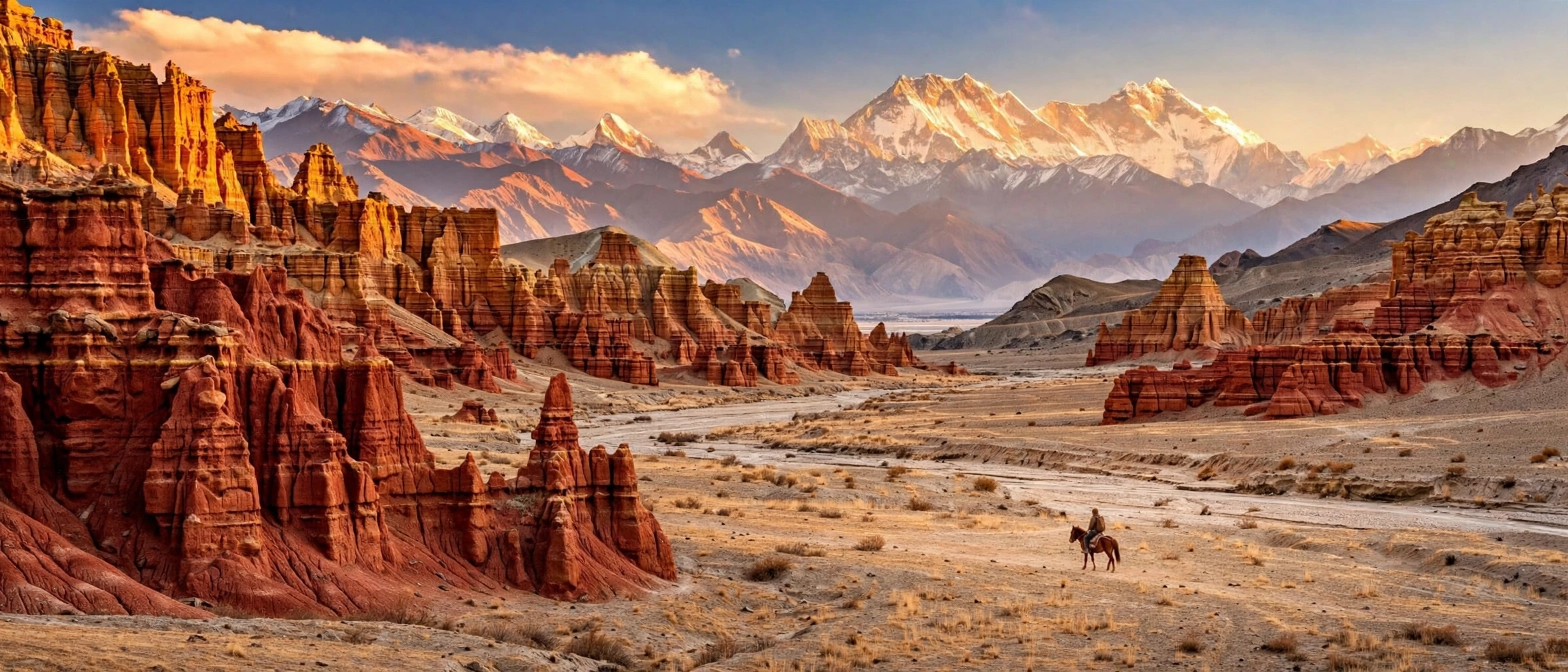
There is a part of Nepal where the Himalayas stop looking like the postcards. No green terraced hillsides, no rhododendron forests. Just wind-carved desert, cliffs the color of rust and bone, and valleys so dry and empty you start to understand why people once believed the world ended at the mountains.
This is Upper Mustang. For most of modern history, you could not go there even if you wanted to. The Kingdom of Lo, as it was known, stayed sealed off from outsiders until 1992. And after it opened, Nepal slapped a $500 flat permit on it, which kept the crowds away but also locked out plenty of ordinary travelers who could not justify the fee for a short trip.
Then, quietly, everything changed. Late in 2025, Nepal scrapped the flat $500 fee and replaced it with a simple $50 per person per day. In March 2026, officials dropped the old rule that forced you to travel in a group of at least two trekkers. Solo travelers can now go, as long as they hire a licensed guide.
I have been following Himalayan travel rules for years, and I cannot remember a change this traveler-friendly landing on a destination this extraordinary. If Upper Mustang was ever on your “someday” list, someday just became now. Here is everything you need to plan the trip: the new permit math, real 2026 costs, the route, the best season, and the mistakes to avoid.
A Kingdom That Time Forgot
To understand why this matters, you need a little history. The Kingdom of Lo was founded around 1380 by a warrior named Ame Pal, and its walled capital, Lo Manthang, sits at 3,840 meters on a plateau in the rain shadow of the Annapurna and Dhaulagiri ranges. Because the region was cut off for so long, it preserved a form of Tibetan Buddhist culture that has largely vanished even in Tibet itself.
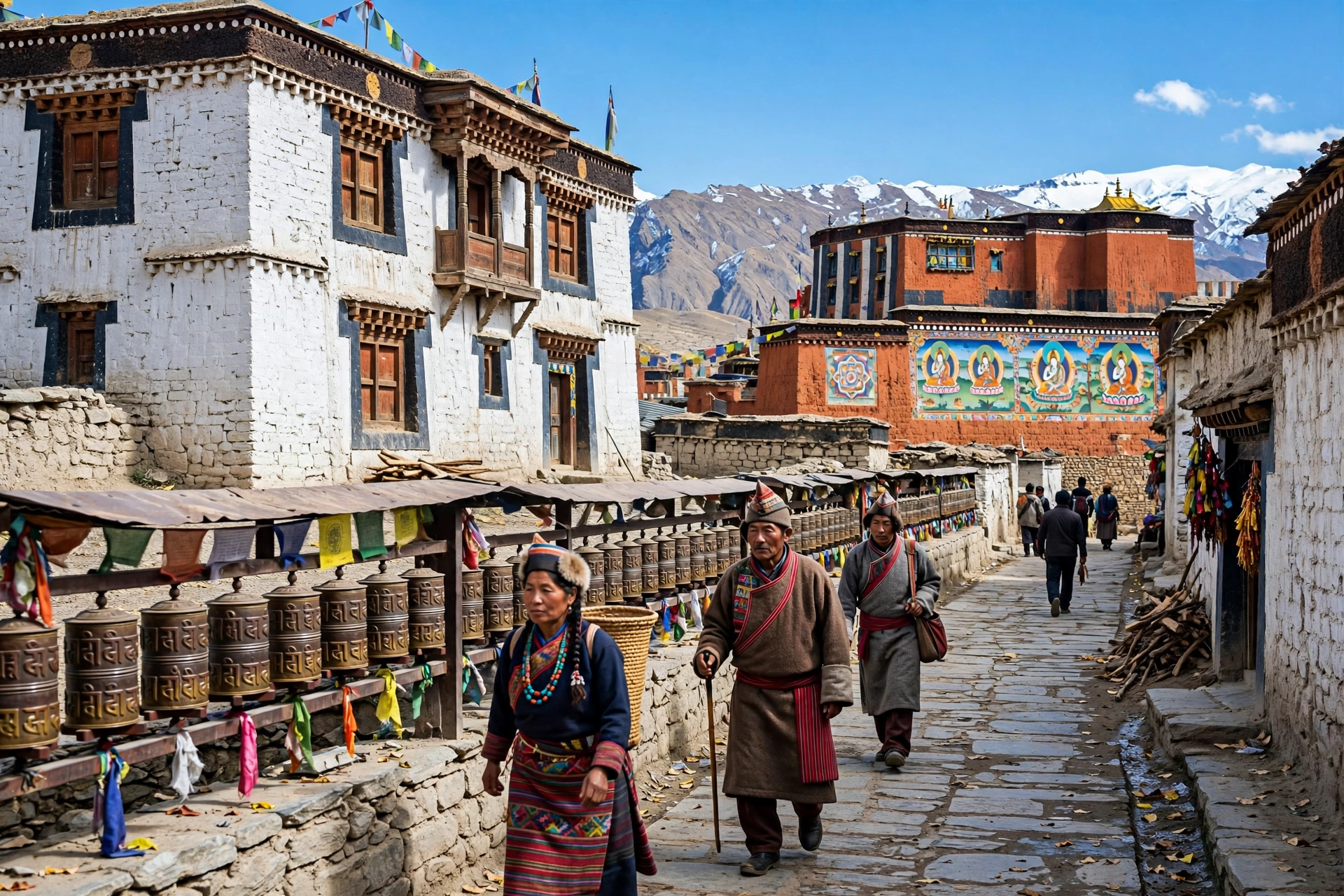
Walking into Lo Manthang still feels less like arriving somewhere and more like time travel with extra steps. The old town is wrapped in massive rammed-earth walls. Inside: the four-story royal palace of the former kings, the 15th-century Thubchen Gompa with its great assembly hall, and the Jampa Lhakhang, home to some of the oldest Buddhist murals in the Himalayas. A short ride away at Chhoser, ancient meditation caves are carved straight into a towering cliff face, stacked in rows like a stone apartment block for hermits.
The landscape does half the talking. Upper Mustang is a cold desert of red and ochre canyons, eroded hoodoo formations, and deep gorges, all of it dwarfed by snow peaks on the horizon. Only a few thousand people live here, in villages of flat-roofed mud-brick houses that have barely changed in centuries. It is one of the last places on earth where you can watch a medieval Himalayan culture going about its ordinary day.
The 2026 Permit News That Changes Everything
Here is the part that actually affects your wallet, so let us do the math honestly.
The old system charged a flat $500 for the first 10 days inside the restricted area, plus $50 for every extra day. On top of that came the Annapurna Conservation Area permit (around $30) and your guide, transport, and lodging. The painful part: that $500 was flat. Planning a quick 3-day jeep trip to Lo Manthang? Still $500 in permits. The fee punished short trips and rewarded long ones, which is backwards for most travelers.
The new system, introduced late in 2025, is a simple $50 per person per day, pay-as-you-go. A 3-day jeep tour now costs $150 in permits instead of $500. A 10-day trek costs $500, roughly the same as before. A 14-day trek costs $700, which is actually more than the old flat fee, so the very longest trips did not get cheaper. Still, for the vast majority of visitors, this is a dramatic price cut, and it finally makes short Upper Mustang trips make sense.
Then came the second change. On March 22, 2026, Nepal removed the long-standing two-trekker minimum for Upper Mustang. Solo travelers are now allowed in, provided they go with a licensed guide. That matters because the old rule quietly killed a lot of trips: finding a travel partner with matching dates for a restricted Himalayan region was a project in itself.
What has not changed: Upper Mustang is still a restricted area. You cannot wander in independently. A licensed guide is mandatory, and permits are issued only through registered trekking agencies in Kathmandu or Pokhara. You will need passport copies and passport photos, and you should keep your permits on you at all times. There are checkpoints at Kagbeni, the gateway village, and at several points beyond. The permit details were reported by Rugged Trails Nepal and the solo-traveler rule change by Himalayan 360, both Kathmandu-based operators tracking the 2026 regulations.
Getting There: The Journey Is Half the Adventure
Upper Mustang does not do easy arrivals, and that is part of the appeal. The standard route starts in Kathmandu. From there, fly to Pokhara (about 25 minutes, roughly $100 to $120) or take the tourist bus (7 to 8 hours, about $25 to $30). Pokhara is where the mountains start getting serious.
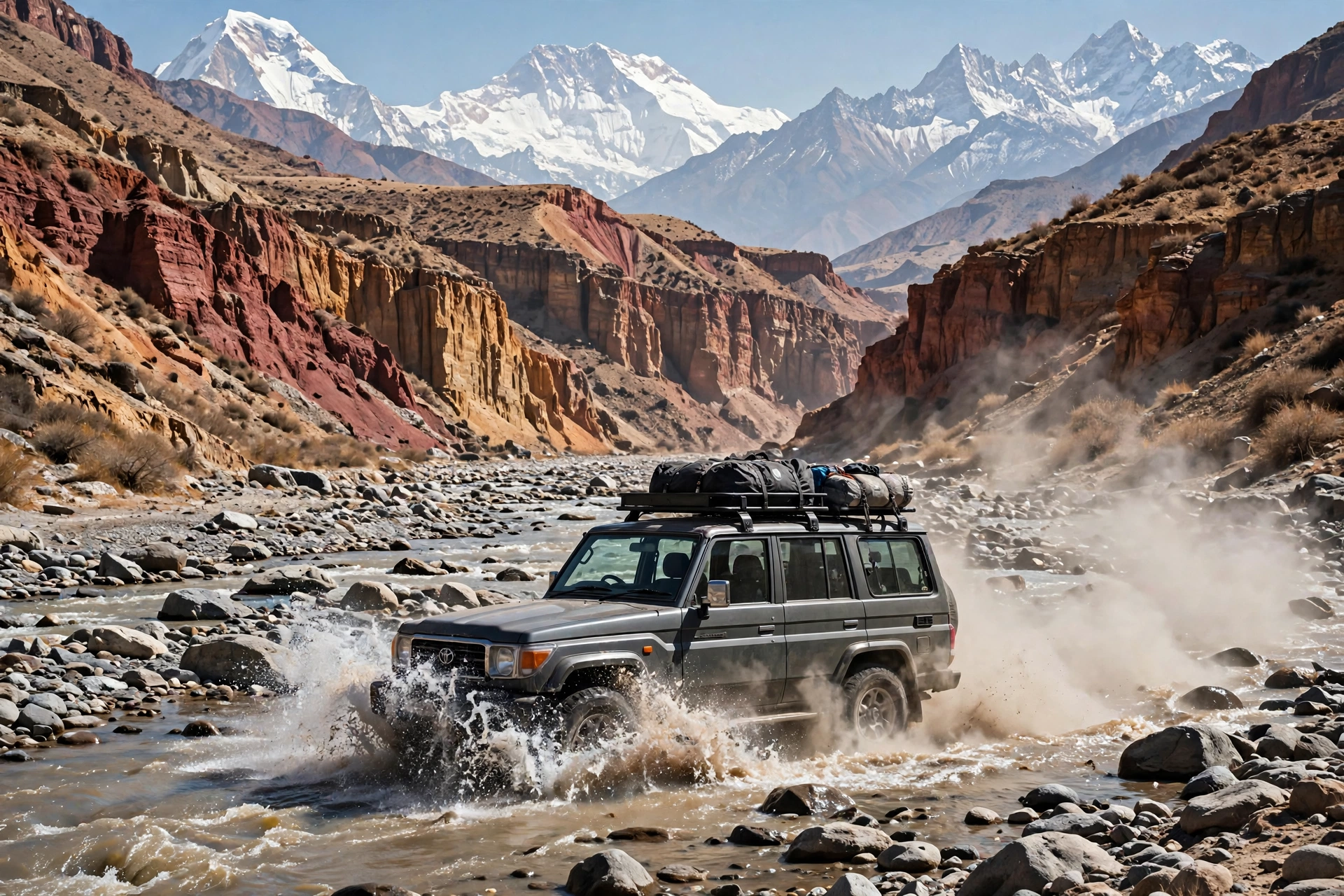
Next comes one of the great short flights in world travel: Pokhara to Jomsom. Twenty minutes in a small STOL aircraft, threading between Annapurna and Dhaulagiri, landing on a runway that looks far too short. Flights run only in the morning, when the mountain winds are calm, and they cost around $130 to $160 one way. They also cancel at the slightest bad weather, so build a buffer day into your plan. If you would rather keep your feet near the ground, the jeep ride from Pokhara to Jomsom takes 6 to 8 hours and is an adventure in its own right.
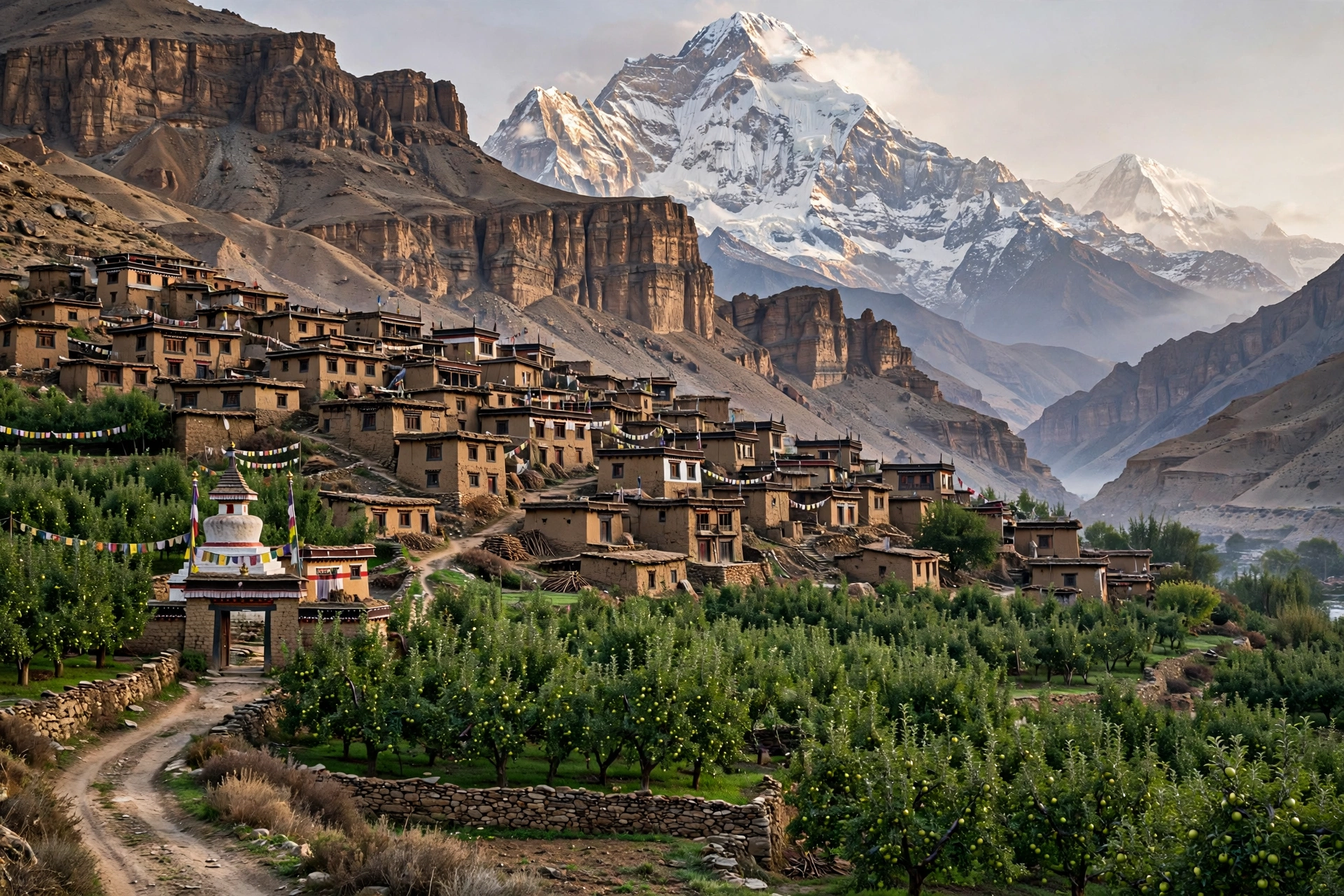
From Jomsom it is about an hour by jeep to Kagbeni, a medieval village of mud-brick lanes and apple orchards sitting exactly where the restricted area begins. Your permits get checked here. Beyond Kagbeni, the road follows the Kali Gandaki river upstream, through a gorge often described as one of the deepest in the world, flanked by cliffs that change color with the light.
When to Go (and When Definitely Not To)
The window is March to November, and within that window the sweet spots are May to June and September to October. Skies are clearest, the light is absurd, and the mountain passes on the trekking route are snow-free.
Here is a quirk most first-timers miss: Upper Mustang sits in the rain shadow of the great Himalayan wall, so while the rest of Nepal is getting soaked by the summer monsoon in July and August, Mustang stays dry. It is one of the only Himalayan treks you can comfortably do during monsoon season. The trade-off is haze and occasional flight cancellations, but the trails themselves are fine.
Winter, from December to February, is a hard no for most people. Temperatures drop toward minus 20 degrees Celsius, the high passes close, and most lodges and teahouses shut down. The few winter expeditions that run are serious undertakings, not holidays.
One timing factor worth planning around: the Tiji Festival in Lo Manthang, usually held in May on dates set by the Tibetan lunar calendar. If you want to see it, and you should, book months ahead. More on that below.
And a daily rhythm note that will save your trip: Mustang’s afternoons are famously windy. Gusts roar up the Kali Gandaki valley every afternoon, strong enough to sandblast your face and ground the Jomsom flights. Trekkers start early and aim to reach the next village by early afternoon. Photographers get their best light in the first three hours after sunrise anyway.
The Route: What You Will Actually See
The classic teahouse trek runs 10 to 14 days from Kagbeni to Lo Manthang and back, and the jeep version compresses the same highlights into 3 to 5 days. Either way, the stops read like a lost-world itinerary.
From Kagbeni the trail climbs through Chele and Samar, small villages where the houses seem to grow out of the cliffs, then over your first 3,500-meter passes to Syangboche and Ghami. Ghami is home to one of the longest mani walls in Nepal, nearly a kilometer of carved prayer stones, and walking its length at dawn is one of those quietly perfect travel moments.
Past Tsarang, with its huge whitewashed monastery and crumbling palace, the trail reaches Lo Manthang. Give the walled city at least two full days. The royal palace, the great Thubchen Gompa, the Jampa Lhakhang with its ancient clay statues, and the maze of old-town lanes deserve unhurried time. Take a day trip to the Chhoser caves, where generations of monks carved meditation cells into a sheer cliff. If ancient hidden settlements fascinate you, our guide to Cappadocia’s underground cities in Turkey scratches a similar itch from the other side of Asia.
The return leg usually swings through Dhakmar, famous for its flaming-red cliffs, and many itineraries finish at Muktinath, the sacred pilgrimage site where Hindu and Buddhist temples share one holy mountainside. Muktinath also connects back to the Jomsom road, which makes logistics clean.
What a 2026 Trip Really Costs
Prices in Mustang are honest but not cheap, because everything arrives by mule, jeep, or small plane. Here is a realistic breakdown for 2026:
Restricted area permit: $50 per person per day, for exactly as many days as you spend inside the zone. Three days costs $150. Ten days costs $500.
Annapurna Conservation Area permit: about $30, still required.
Licensed guide: $25 to $40 per day. Mandatory, non-negotiable, and honestly worth it. A good Mustang guide is part navigator, part cultural translator, part weather forecaster.
Porter (trekking): $20 to $25 per day if you do not want to carry your own pack over 4,000-meter passes.
Teahouse lodging and meals: $25 to $40 per day. Rooms are simple, meals are hearty, and the apple pie in Kagbeni is strangely famous.
All-inclusive packages: 11-day jeep tours run from about $1,500 per person including permits, guide, transport, and lodging. Teahouse trek packages of 12 to 14 days typically land between $1,800 and $2,500. Domestic flights add roughly $110 for Kathmandu to Pokhara and $130 to $160 for Pokhara to Jomsom each way.
The honest bottom line: a 10-day trip that used to carry a $500 permit anchor now spreads the cost fairly across your actual days. Short trips got dramatically cheaper. Very long trips got slightly more expensive. Solo travelers, who were previously locked out entirely, can now go at all. That is a trade most travelers will take happily.
Tiji Festival: Three Days of Demons and Dances
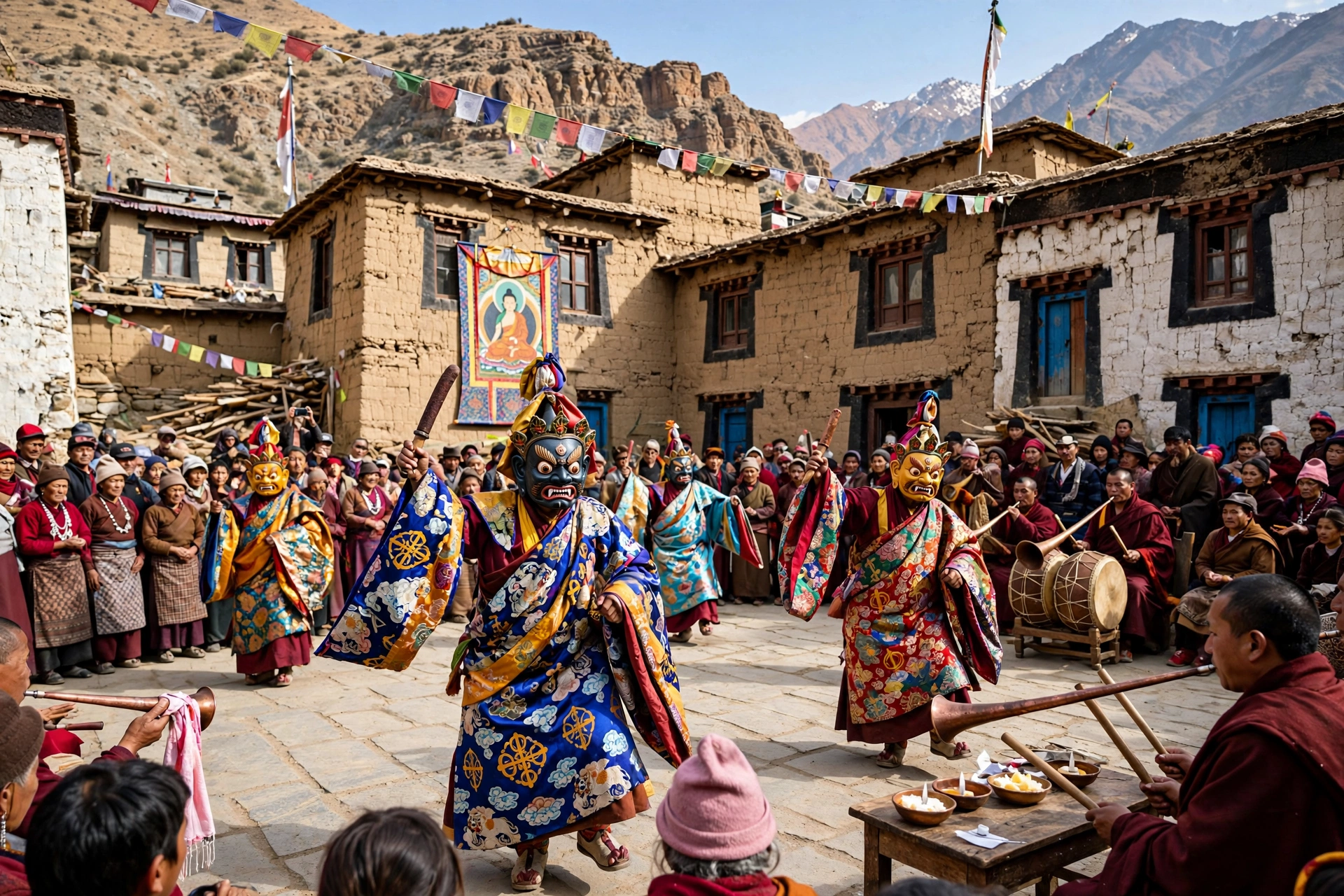
If your dates are flexible, aim for the Tiji Festival. Held each spring in Lo Manthang, usually in May, it is a three-day explosion of Tibetan Buddhist ritual: monks in brocade robes and elaborate masks performing cham dances in the palace courtyard, horns blaring, drums pounding, and the whole town turning out to watch.
The dances reenact the legend of Dorje Jono, a hero who battled the demon Ma Tam Ru Ta to save the Kingdom of Lo from destruction. It is part religious ceremony, part open-air theater, and entirely unforgettable. Festival dates follow the Tibetan lunar calendar and shift each year, so confirm with your agency before booking flights. Lodges in Lo Manthang fill up fast during Tiji week, which is another reason to book the whole trip early.
Practical Tips That Actually Matter
Respect the altitude. You will sleep between 2,800 and 3,840 meters and cross passes above 4,000. Acute mountain sickness is real here, and the dry air masks dehydration. Ascend gradually, drink far more water than feels necessary, and talk to your doctor about Diamox before you go. The jeep route is actually riskier for altitude problems than trekking, because you gain height fast without the gradual acclimatization that walking gives you.
Beat the wind. I mentioned it before because it genuinely shapes every day: start walking by 7 am, plan to arrive by early afternoon, and never schedule a Jomsom flight for the afternoon. Morning flights only.
Carry cash. There are no ATMs beyond Jomsom, and the few that exist in Jomsom are unreliable. Carry enough Nepali rupees for your entire time in the restricted area, plus a buffer.
Pack for desert, not jungle. Mustang is dry, dusty, and cold at night. Sun protection matters more than rain gear: strong sunscreen, lip balm, sunglasses, and a buff or scarf for the dust. Nights drop below freezing even in good seasons, so bring a proper warm layer and a sleeping bag rated for cold.
Be a good guest. Ask before photographing people. Remove shoes and hats in monasteries, walk clockwise around stupas and mani walls, and dress modestly. Mustang’s culture survived because it was isolated. The least visitors can do is not treat it like a theme park.
Jeep Tour or Trek: Which One Should You Pick?
This is the question everyone asks, and the honest answer depends on your time, fitness, and temperament. The jeep tour takes 3 to 5 days, needs no special fitness, and gets you to Lo Manthang fast. The downsides are real: hours of dust, bumpy roads, and a nagging sense that the landscape is blurring past the window.
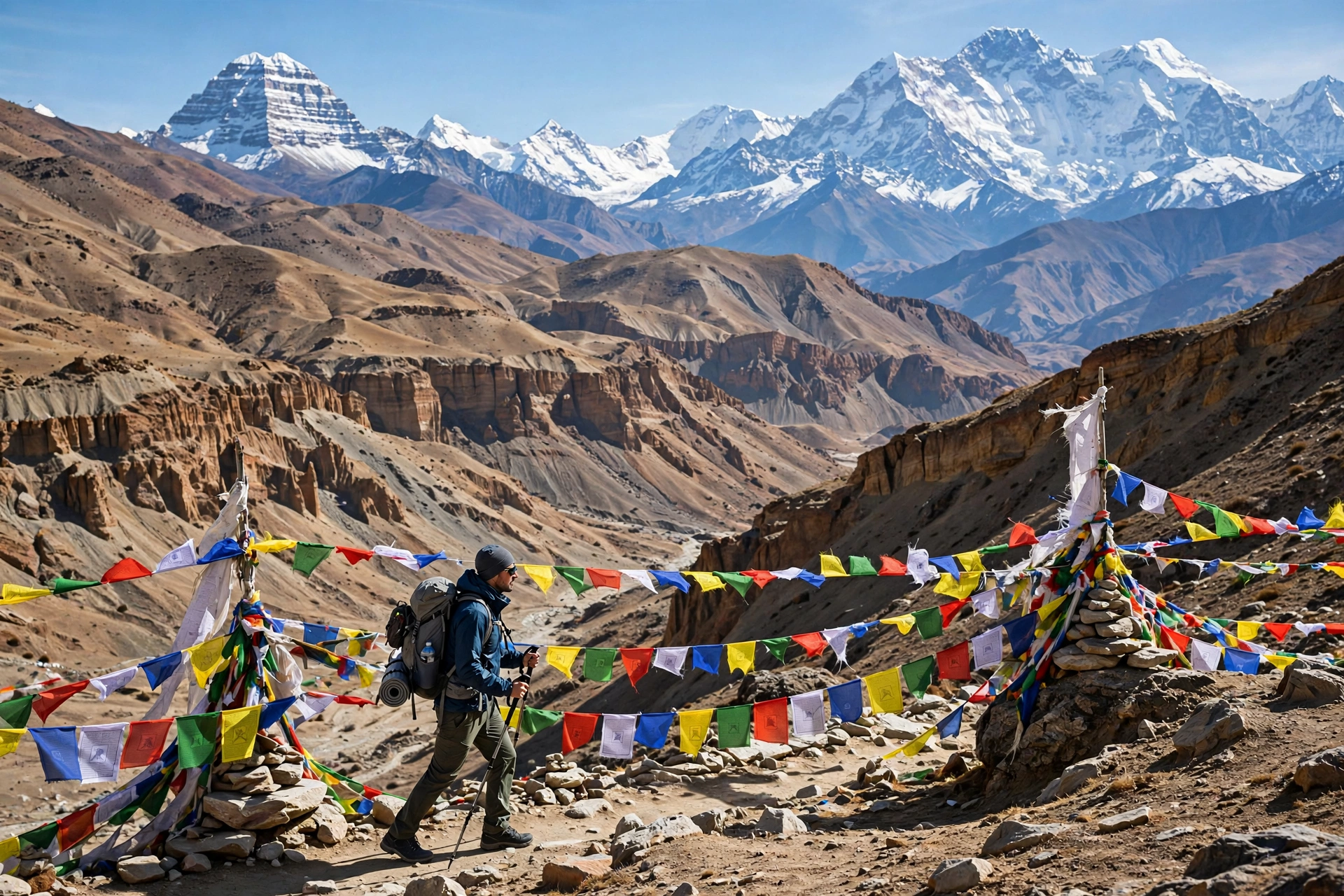
The trek takes 10 to 14 days and asks for reasonable fitness and a tolerance for basic teahouses. In return you get the thing no vehicle can give you: the slow reveal. Villages appear around bends you earned on foot. You share trails with mule caravans and pilgrims. You arrive in Lo Manthang the way travelers have for centuries.
My take: if you can walk 5 to 6 hours a day for two weeks, trek. If your knees, calendar, or fitness say otherwise, take the jeep without guilt. Both end at the same walled city, and both will rearrange your idea of what the Himalayas look like. For more high-adrenaline Asian adventures, our 2026 guide to Zhangjiajie’s Avatar mountains covers China’s wildest landscapes, and if you want to see how Brazil earned its ranking as the world’s top thrill-seeker destination, that story pairs well with this one.
Quick Answers
Is Upper Mustang worth it now? More than ever. The permit change removed the single biggest barrier, and the region itself remains one of the most culturally intact places in the Himalayas.
Do I need a guide? Yes. It is legally mandatory in the restricted area, and permits are only issued through registered agencies.
Can I travel solo? Yes, since March 2026. The two-trekker minimum is gone. You still need a licensed guide.
How many days do I need? Ten to fourteen for the full trek, three to five for a jeep tour, plus travel days on each end. Do not try to rush it. The altitude punishes tight schedules.
Is it safe? Upper Mustang is politically stable and the trails are well-established. The real risks are altitude, weather, and remoteness, all manageable with a good guide and sensible planning.
The forbidden kingdom spent centuries keeping the world out, then decades charging it $500 at the door. In 2026, the door is finally open at a fair price. Go before the secret gets out.
Love this kind of adventure? Follow The Cavee on Pinterest for daily travel inspiration, and share this guide with someone who needs a Himalayan excuse. Read Full Story on thecavee.com.
Pingback: Saudi Arabia Red Sea Adventure Guide 2026: New Resorts, Diving, Costs & Tips
Pingback: Ha Giang Loop 2026: The Ultimate Guide to Vietnam's Wildest Motorbike Adventure (New Rules, Real Costs)