Everyone Called Iraq a No-Go Zone. In 2026 It’s the Adventure Travel Story Nobody Saw Coming
Say the word “Iraq” at a dinner party and watch the room go quiet. People picture checkpoints, blast walls, and news footage from twenty years ago. Here’s the thing nobody told them: while the world was looking the other way, Iraq quietly started welcoming travelers back. Not a trickle. A surge.
More than 400,000 international tourists visited Iraq in 2024. That’s more than triple the roughly 120,000 who came in 2022. One of Britain’s best-known adventure operators just logged its second fastest-selling tour launch ever, and the destination was Iraq. Another operator launched its first ever Iraq departure for September 2026 and capped it at twelve people, because that’s all the demand they could politely say no to.
I’ve spent the last week digging through operator data, heritage restoration reports, and 2026 tour itineraries. This is the full picture: what’s actually happening in Iraq, what a trip looks like now, what it costs, the honest safety picture, and why this might be the last year you get to see Babylon without crowds.
The Numbers That Stopped Me Mid-Scroll
Adventure travel operator Wild Frontiers named Iraq one of sixteen destinations set to boom in 2026, and the data behind the pick is striking. International visitor numbers went from around 120,000 in 2022 to over 400,000 in 2024. Their “Babylon and Beyond” tour, priced from £5,945 per person for fifteen days, became the company’s second fastest-selling launch ever.
That’s not a typo. A fifteen-day Iraq tour sold faster than almost anything else in the company’s history.
Then there’s Steppes Travel, which had never run an Iraq trip before and decided 2026 was the year. Their twelve-day “Southern Iraq” journey departs September 21, 2026, led by an artist and Middle East specialist, maxes out at twelve travelers, and starts at £5,495 per person before flights. Small groups, local guides, locally managed hotels. The whole thing sold on the promise of something most travelers have never considered possible: a slow, careful journey through the cradle of civilization.
And the country itself is thinking bigger. Iraq’s Tourism Strategy 2035 is a ten-year plan aiming for ten million visitors, with the revival of the Babylon International Festival as one of its centerpieces. You don’t announce a plan like that unless the trend lines are already moving.
Babylon Is Getting a Second Life
Babylon sits about 85 kilometers south of Baghdad, near the town of Hillah. This is the city of Nebuchadnezzar II, of the Processional Way, of the legend of the Hanging Gardens. It is mentioned in the sacred texts of all three Abrahamic faiths. For most of living memory it has been a name in a history book, not a place you could visit.
That is changing fast. The World Monuments Fund’s Future of Babylon Project has been working at the site for fifteen years, documenting, waterproofing, and stabilizing structures across the 2,500-acre site. Two major projects were nearing completion as of late 2025: one fixing groundwater damage to the north retaining wall of the Ishtar Gate, and another restoring the Temple of Ninmakh, dedicated to the Sumerian mother goddess. The team hoped for an official reopening of the temple this autumn, after which it would host everything from weddings to concerts to the Babylon Festival, a spring celebration of international cultures.
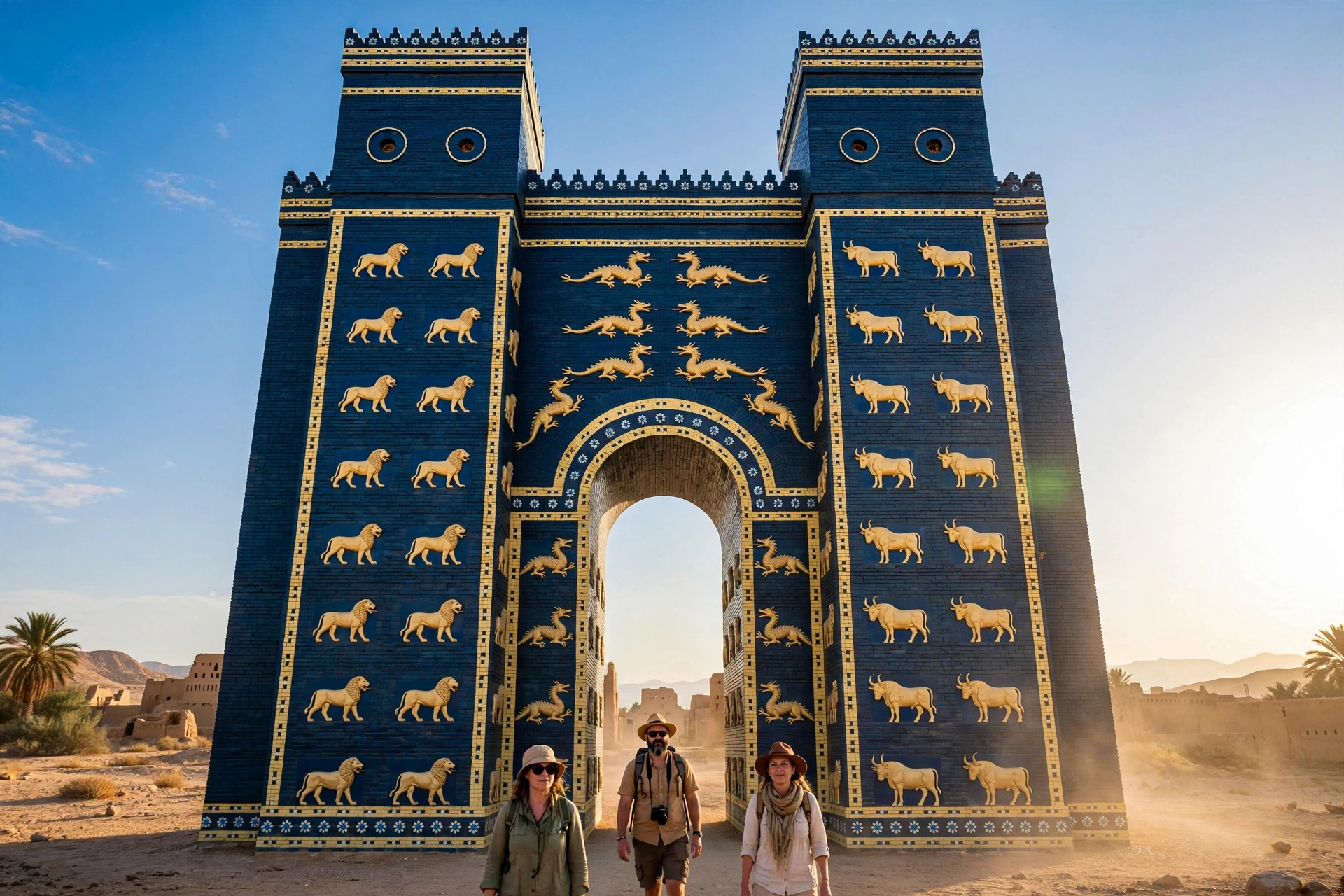
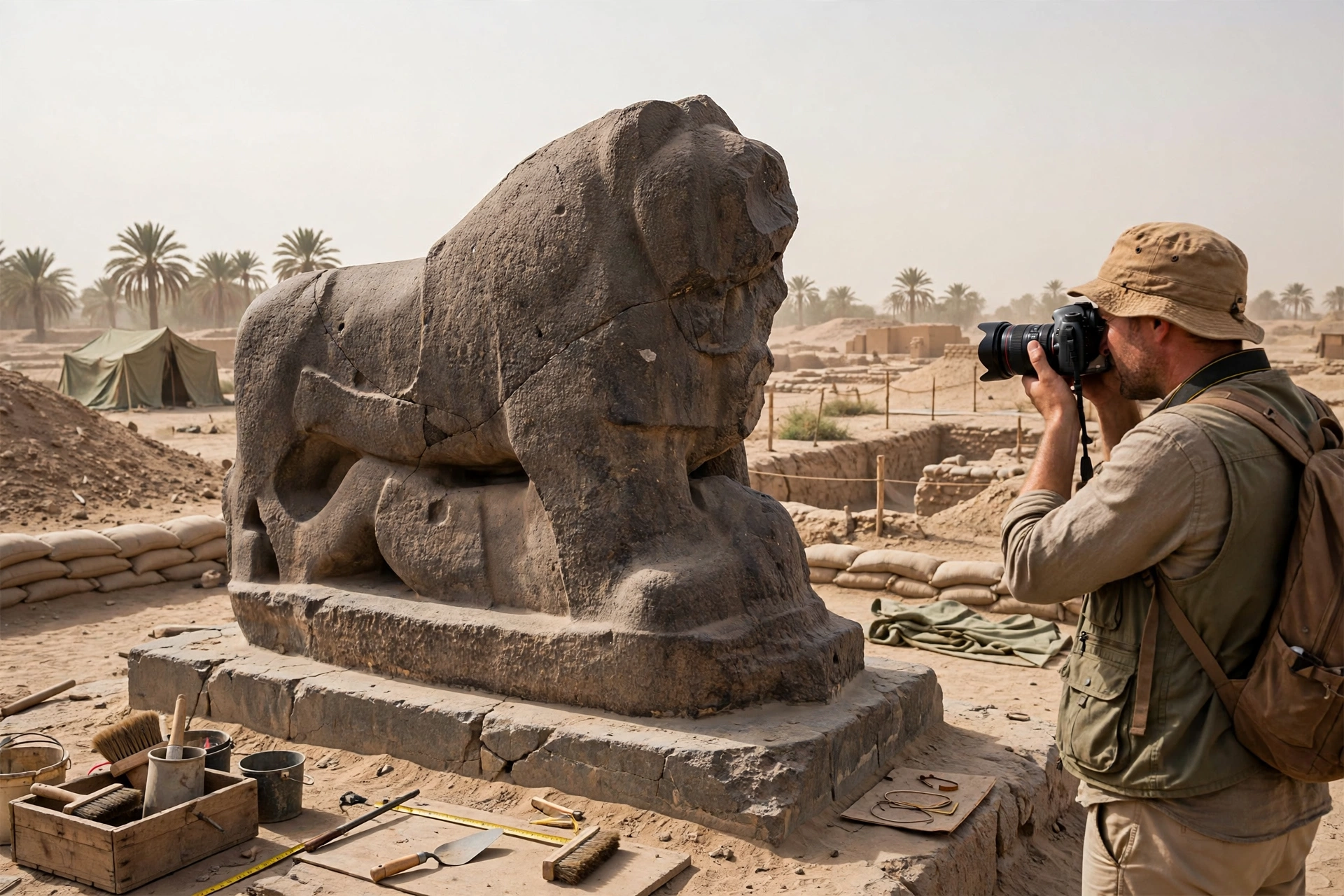
Walk the site today and you’ll find the largely intact Lion of Babylon, the processional way, and a museum beside the reconstructed Ishtar Gate. The original gate, built around 575 BC, was sheathed in blue-glazed bricks with reliefs of lions, dragons, and bulls. The reconstruction used original bricks. Stand under that arch at golden hour and it doesn’t feel like a ruin. It feels like a city holding its breath.
What a Real 2026 Iraq Trip Actually Looks Like
Forget the idea of a nervous dash between armored vehicles. The 2026 itineraries look more like cultural pilgrimages, and honestly more relaxed than a lot of European city breaks.
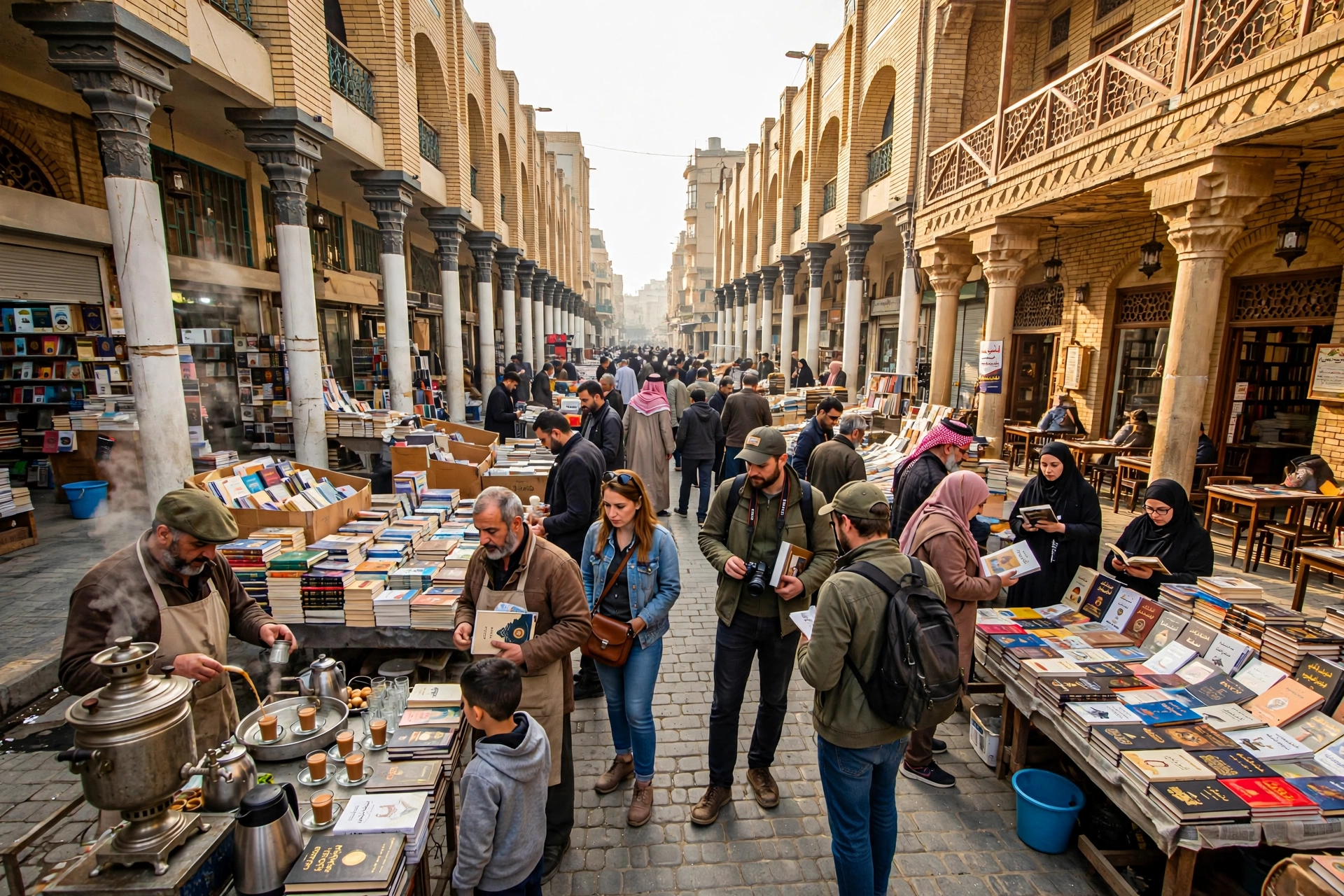
A typical twelve-day southern Iraq journey starts in Baghdad. Not the Baghdad of the news cycle, but the Baghdad of Al-Mutanabbi Street, where book vendors stack Arabic literature along the historic road on Friday mornings and chai sellers work the crowds. You’ll see the Abbasid-era architecture, the museums, and a city that has been a center of learning for over a thousand years.
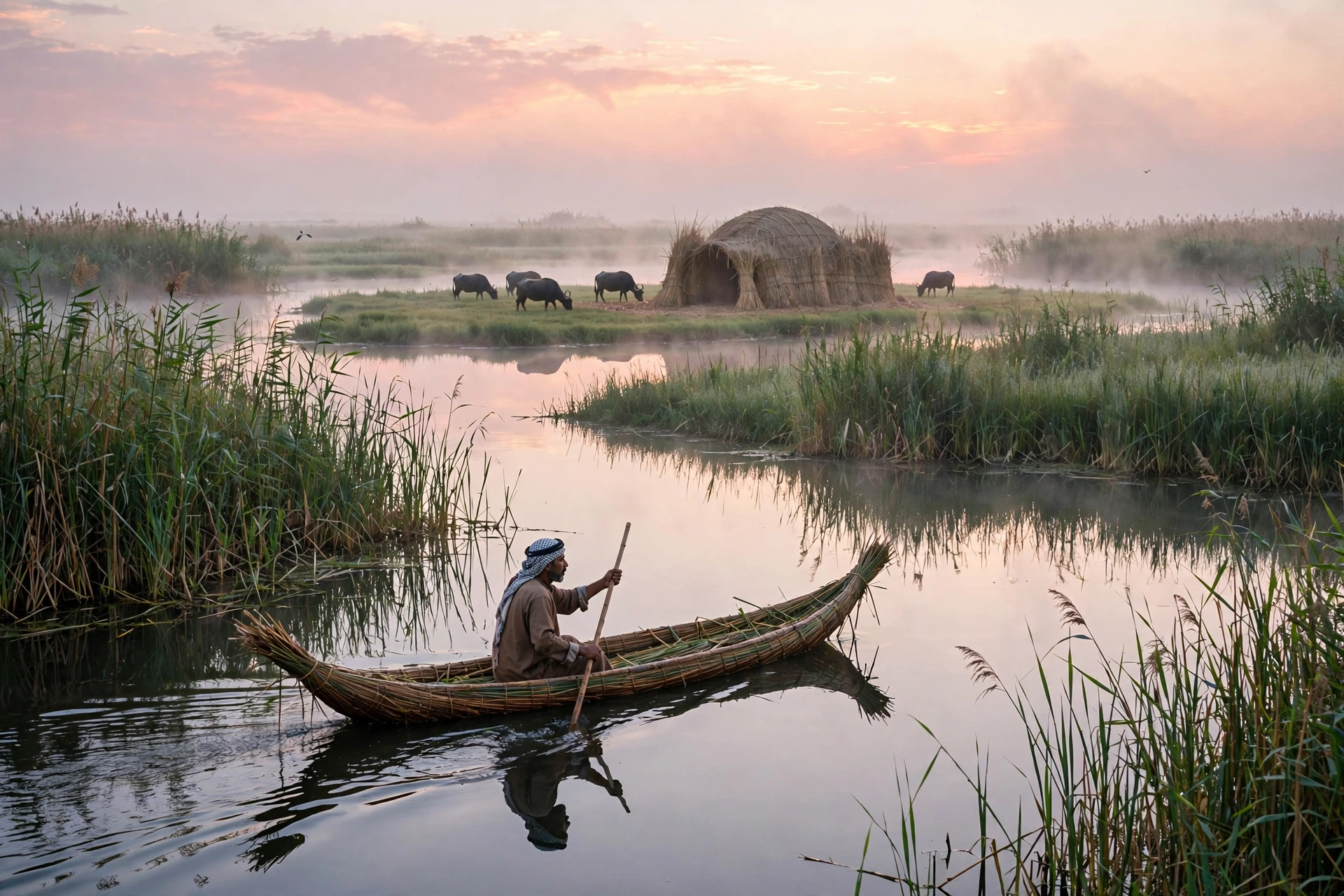
From there the route heads south to the marshlands of Mesopotamia, one of the most surprising places in the country. The Ma’dan, the Marsh Arabs, have lived here for millennia in reed houses called mudhifs, poling slender mashoof canoes through tall reeds. At dawn the water goes glassy and the whole place feels prehistoric. This is southern Iraq’s wild heart, and almost nobody outside the country knows it exists.
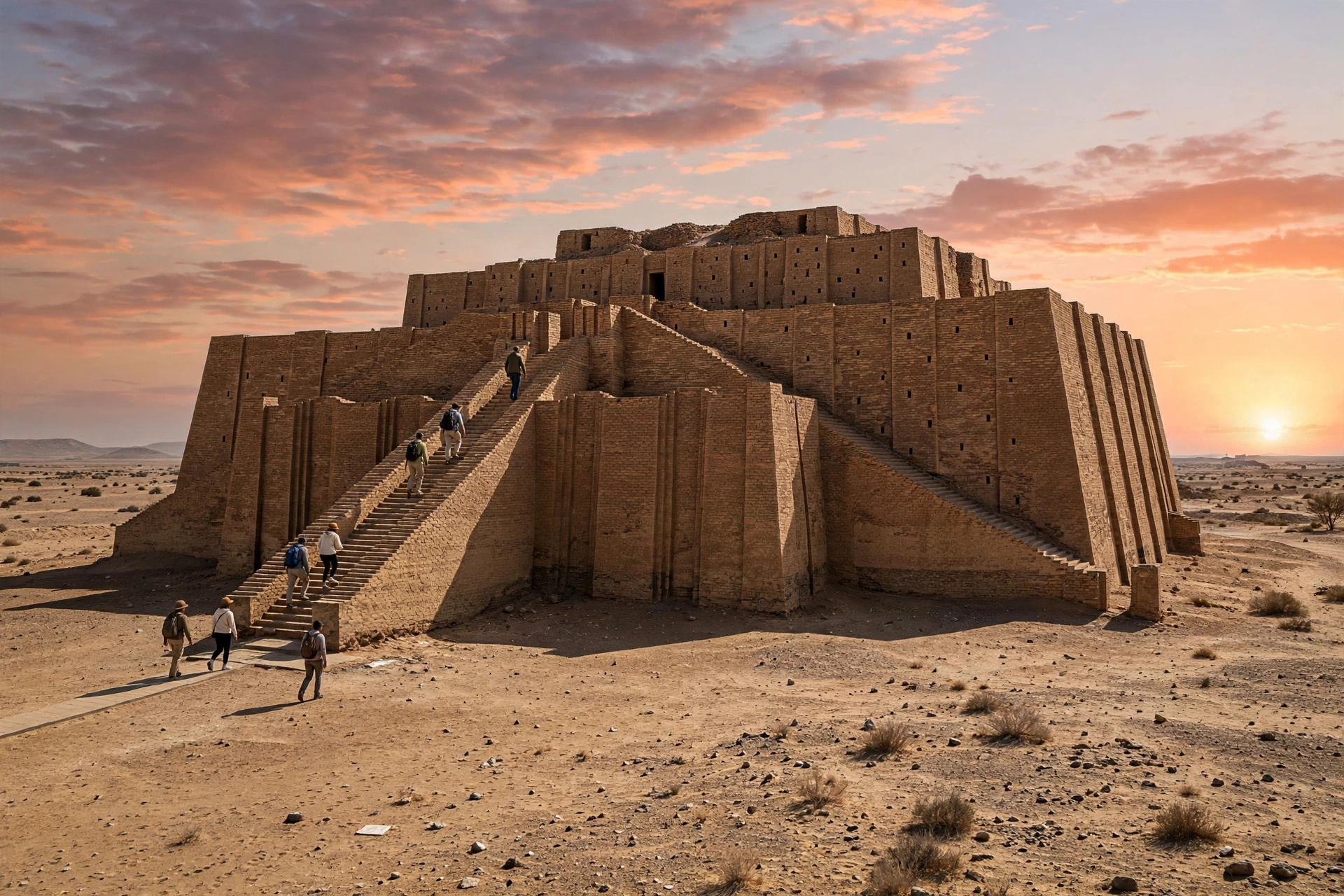
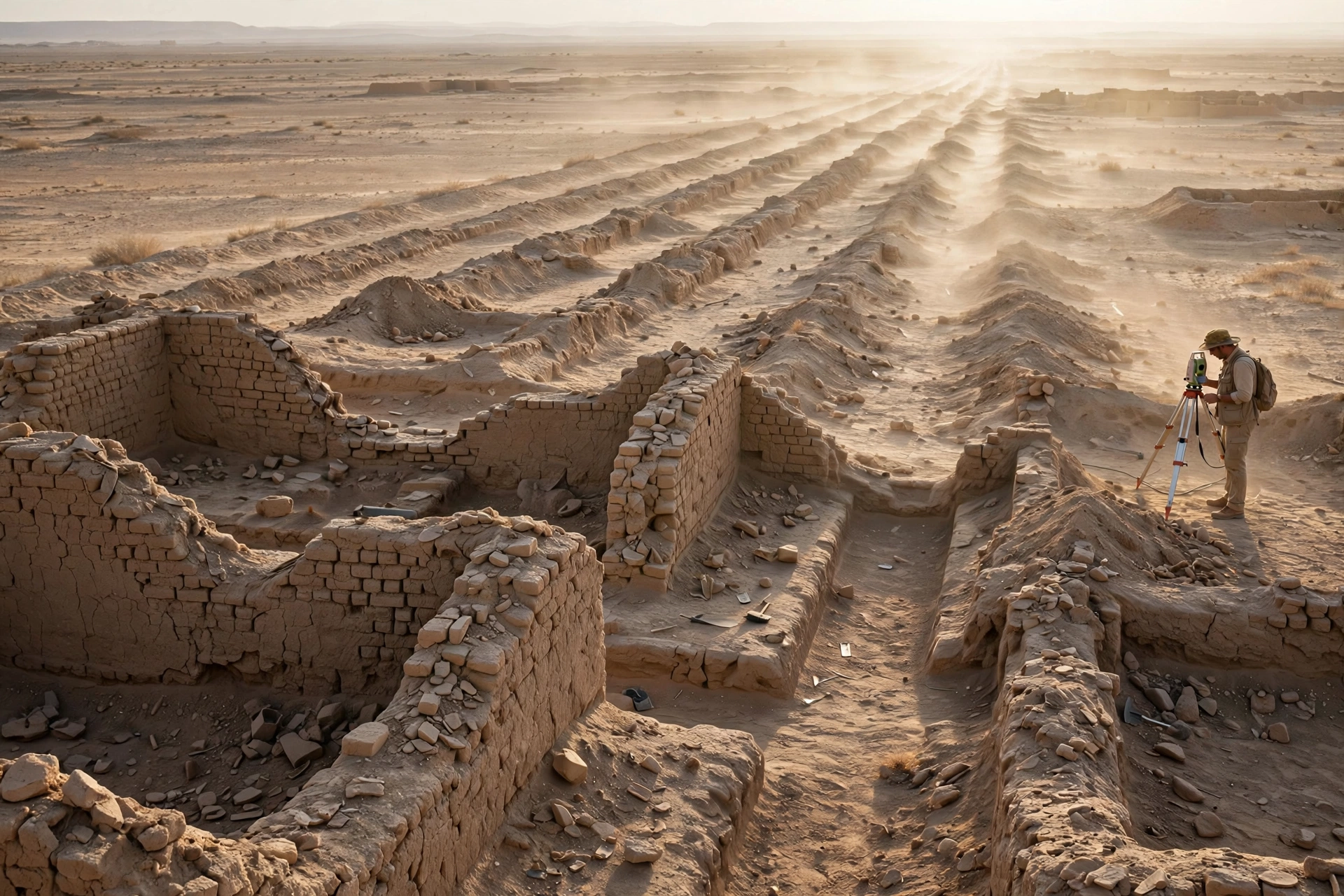
Then come the heavy hitters: Ur, with its Great Ziggurat rising from the desert plain in stepped tiers, best seen at sunset when the mud brick glows orange. Uruk, one of the world’s first true cities, where writing itself was invented, now a vast quiet excavation site under a huge sky. And Babylon, the crown jewel, with the Ishtar Gate, the Lion, and the palace ruins.
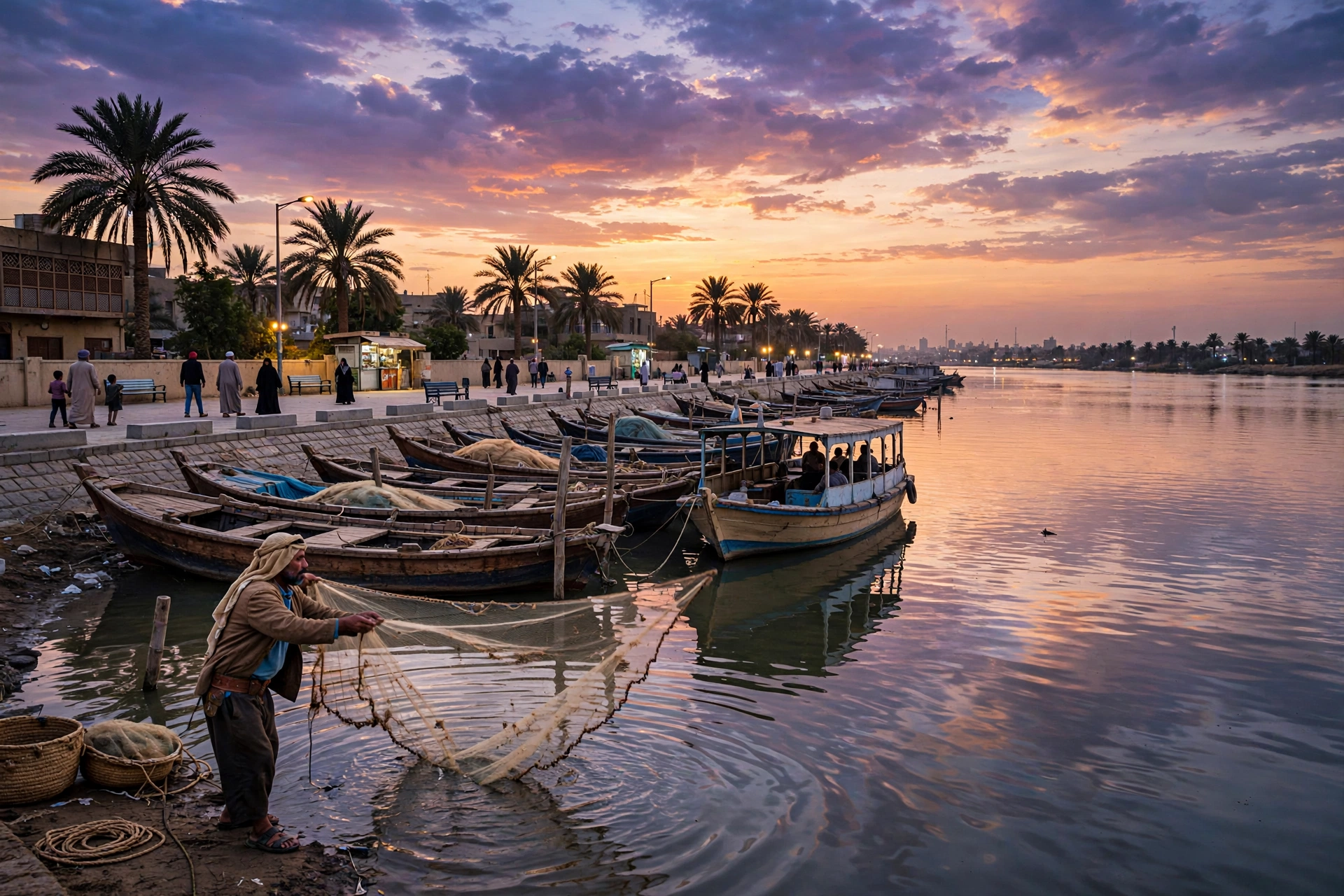
The journey usually ends in Basra, Iraq’s southern port city on the Shatt al-Arab waterway. The corniche comes alive at dusk: wooden boats on the water, date palms silhouetted against a purple sky, fishermen casting nets, families strolling. Basra also has a growing art scene, with local galleries and studios that the better tour operators build into the itinerary.
The Safety Question, Answered Without the Sugarcoating
Let’s be direct, because this is the question that decides everything. Iraq is not Switzerland. It is not a place to backpack solo on a whim, and anyone who tells you otherwise is selling something.
But the gap between perception and reality has grown enormous. The tourist routes, Baghdad to Babylon to Ur to the marshes to Basra, are in the stable south, far from any active conflict zones. The established operators run these trips with expert local guides, vetted transport, and security arrangements baked in. Travelers who’ve gone describe the overwhelming feeling as hospitality, not danger. Iraqis, by every account, are stunned and delighted to see foreign visitors, and they show it.
The honest playbook: go with an established operator, not alone. Check your government’s current travel advisory before booking and again before flying. Stick to the guided heritage routes. Get proper travel insurance that actually covers Iraq (read the fine print, many standard policies exclude it, and specialist adventure insurers are the way). Register with your embassy.
Thousands of travelers did exactly this in 2024 and 2025 and came home with the best stories of their lives. The risk is real but manageable, and it is concentrated in places tourists don’t go. The reward is a country almost nobody you know has seen.
What It Costs (The Real Numbers)
Iraq is not a budget backpacker destination, and it shouldn’t be. The infrastructure for independent travel is thin, so you’re paying for expertise, and it’s worth it.
- Guided group tours: £5,495 to £5,945 per person for 12 to 15 days, including accommodation, meals, transport, guiding, and activities. International flights are extra.
- On the ground: once you’re there, daily costs are low. Meals, taxis, and entrance fees are a fraction of European prices.
- Flights: most routes go via Doha, Dubai, or Istanbul into Baghdad or Basra. Book early; there aren’t many daily frequencies.
Is it expensive? Compared to Southeast Asia, yes. Compared to a two-week African safari or an Antarctic cruise, it’s a bargain for what you get: exclusive access to some of humanity’s most important sites, with a handful of other travelers instead of a thousand.
When to Go
March to May is the sweet spot. Temperatures are pleasant, the desert blooms, and the revived Babylon Festival takes place in spring. September to November is the second window, which is why the big 2026 departures cluster in September. June to August is brutally hot, with southern Iraq regularly pushing past 45°C. Winter is mild but short days cut into sightseeing.
My honest take: aim for spring 2026 if you can. The Babylon Festival plus good weather plus the restoration projects completing is a combination that won’t come around again.
The Stuff Nobody Tells You
Visas: processes have eased for many nationalities, but rules shift. Your tour operator handles this and it’s one of the best reasons to book with one.
Dress code: Iraq is deeply traditional. Dress modestly, shoulders and knees covered, and women should carry a headscarf for religious sites. This isn’t optional politeness, it’s the entry ticket to being welcomed.
Cash: bring US dollars and exchange locally. Cards work in almost no tourist contexts. Budget more cash than you think you need.
Connectivity: buy a local SIM in Baghdad. Coverage on the tourist circuit is fine, and you’ll want data for maps and translation.
Photography: ask before photographing people, always. Military, police, and government buildings are strictly off limits. At archaeological sites, photography is generally welcomed.
Alcohol: available in some Baghdad and Basra venues but far from everywhere. Don’t assume, and never drink in the street.
Why Iraq, and Why Now
Here’s the problem this trip solves, and it’s one a lot of travelers feel but can’t name. The famous places are drowning. Venice charges entry fees. Barcelona protests tourists. The Louvre is a crowd with a painting somewhere in the middle. The great adventure of the 2010s was finding somewhere authentic. The great adventure of the 2020s is finding somewhere authentic that hasn’t been found yet.
Iraq is that place, right now, in this exact window. The infrastructure exists. The sites are being restored. The operators have figured out the logistics. The crowds haven’t arrived. In five years, Babylon will have tour buses. Today it has you, a guide, and the Lion.
There’s something else, too. Tourism money in Iraq goes directly to guides, drivers, guesthouses, artisans, and the craftspeople keeping ancient skills alive through decades of isolation. Your trip doesn’t just show you the cradle of civilization. It helps the people living in it rebuild.
Twelve months ago, “I’m going to Iraq” sounded like a crisis. In 2026, it sounds like the smartest trip of the year.
Planning Your 2026 Iraq Adventure
Start with the operators who actually run these trips: the companies selling out Iraq departures for 2026 have years of Middle East experience and local teams on the ground. Compare the September departures, check what’s included, and ask blunt questions about security arrangements before you pay a deposit. Then check your government’s advisory, buy specialist insurance, and start reading up on Mesopotamian history, because Babylon hits different when you know what you’re looking at.
Want more under-the-radar adventure ideas? Follow our Pinterest board for daily visual inspiration, and check out our Saudi Arabia Red Sea adventure guide for another Middle East frontier, or our Cappadocia underground cities guide if ancient civilizations are your thing.