Sikkim Just Opened a Trail Nobody Outside the Lepcha Hills Knew: Inside the New Kursong Kurmit Trek
Most Himalayan trails arrive with a long paper trail. Guidebooks, blogs, GPS tracks, a hundred photos of the same viewpoint. The Kursong Kurmit Trail arrived the other way around. One morning it did not officially exist for visitors, and the next morning a minister was flagging it off in a schoolyard in Lower Dzongu while trekkers set out on a route that had just been given formal recognition.
That is exactly why it is worth your attention right now. Sikkim launched its first ever Adventure Tourism Fest on November 1, 2026, and the headline act was not a famous peak or a well worn pass. It was this new circular trek in Dzongu, a protected Lepcha reserve in North Sikkim that most travellers have never even heard of, let alone walked through.
If you love the Himalayas but hate the feeling of walking in a queue, this is the kind of news you plan around. Not because it is easy, and not because everything is figured out yet. Because it is rare, it is community led, and the window to see it before it changes is genuinely open right now.
What actually happened on November 1
The Sikkim Adventure Tourism Fest 2026 runs from November 1 to November 7, 2026. It is organised by the Department of Tourism and Civil Aviation, and its main venue is Linkhim Tar in Namchi district. Events are spread across different districts, which is the point. Sikkim is trying to pull adventure travellers beyond the same few famous spots.
On November 1, Forest and Environment Minister Pintso Namgyal Lepcha flagged off the Heart of Sikkim Kursong Kurmit Trail at Lum Government Primary School in Lower Dzongu, in Mangan district. The trail has received official notification and approval, so this is not a local walking path that someone renamed for a press release. It is now a formally recognised addition to Sikkim’s adventure tourism map.
A technical presentation on the trail was given by Tshering Dorjee Lachungpa of Khangri Tours and Travels. The message from the launch was consistent: the trail should create work for local guides, homestays, transport operators and small businesses, while keeping tourism sustainable and community driven. In other words, the people who live in Dzongu are meant to benefit first, not last.
Where is Dzongu, and why has it stayed so quiet?
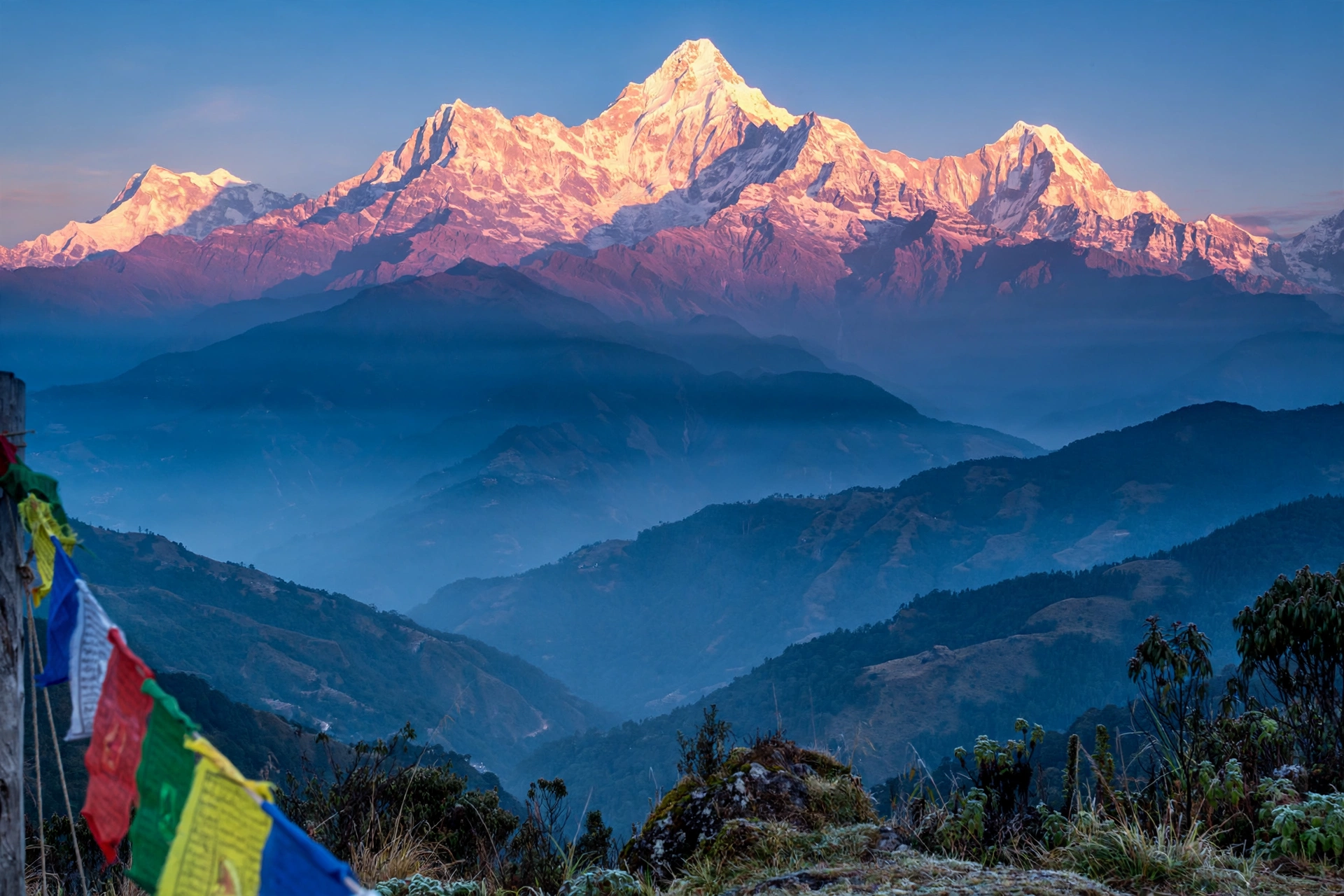
Dzongu sits in North Sikkim, roughly 80 kilometres from Gangtok, in the Mangan district. It is a triangular valley tucked between the Teesta River and the high ridges that run toward Kanchenjunga. The land is steep, green, and often wrapped in cloud. Villages are small and scattered. Forests, cardamom fields, waterfalls and mountain streams fill the gaps between them.
The bigger reason for the quiet is protection, not remoteness alone. Dzongu was set aside as a special reserve for the Lepcha people, the indigenous inhabitants of Sikkim. It sits within the wider Khangchendzonga Biosphere Reserve landscape, a UNESCO listed region. Land here is community controlled. There are no big hotels, no resort strips, and no mass tourism infrastructure. Visitors stay in family homestays, walk village paths, and travel with local guides.
That protection is also the problem this new trail is trying to solve in a careful way. How do you let more people experience a place like this without breaking the very thing that makes it special? The official answer, at least for now, is a recognised circular route, local guiding, homestay stays, and a clear emphasis on responsible tourism and environmental conservation.
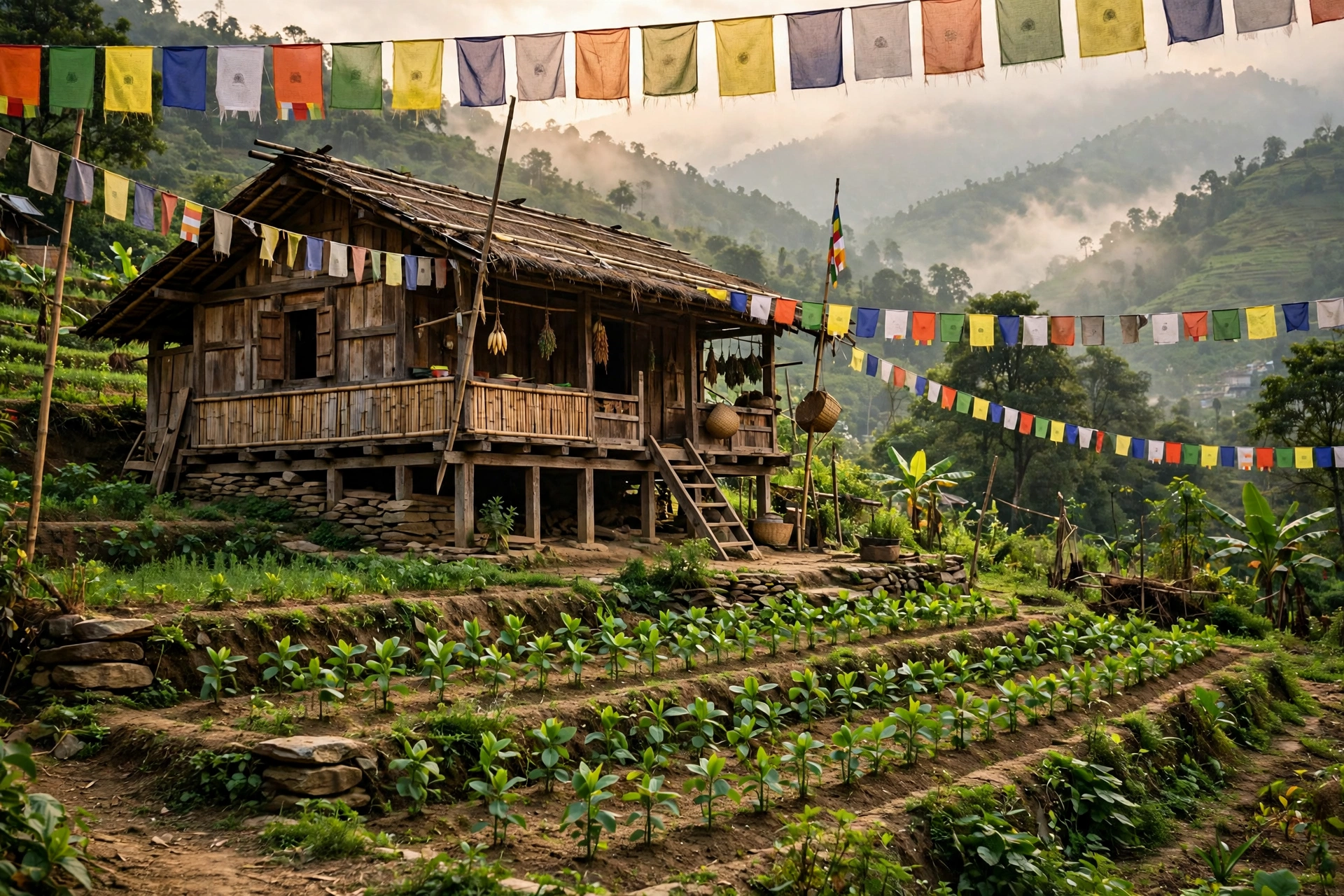
What we know about the Kursong Kurmit Trail (and what we do not know yet)
Here is the honest part, and it matters if you are planning a trip. Because the trail was only launched on November 1, 2026, there is no published day by day itinerary, no official total distance, and no standard number of trekking days in the public launch reports yet. Anyone who gives you a precise kilometre count right now is guessing, so do not trust it.
What the launch reports do confirm is useful enough to plan around. The trail is designed as a circular trekking route in the Dzongu subdivision. It covers diverse landscapes, with elevations ranging from about 3,000 feet to about 14,700 feet. That range tells you a lot. The lower sections will feel subtropical and green, while the higher ground will be cold, exposed, and far more demanding. This is not a single flat village walk. It is a proper Himalayan route that climbs through very different worlds.
The circular design is good news for trekkers. You do not retrace the same path back to the start, and you get a fuller sense of the valley. It also means you need a guide who actually knows the route, the water points, the village stops, and where the trail is still rough. On a brand new official trail, that local knowledge is not optional. It is the whole plan.
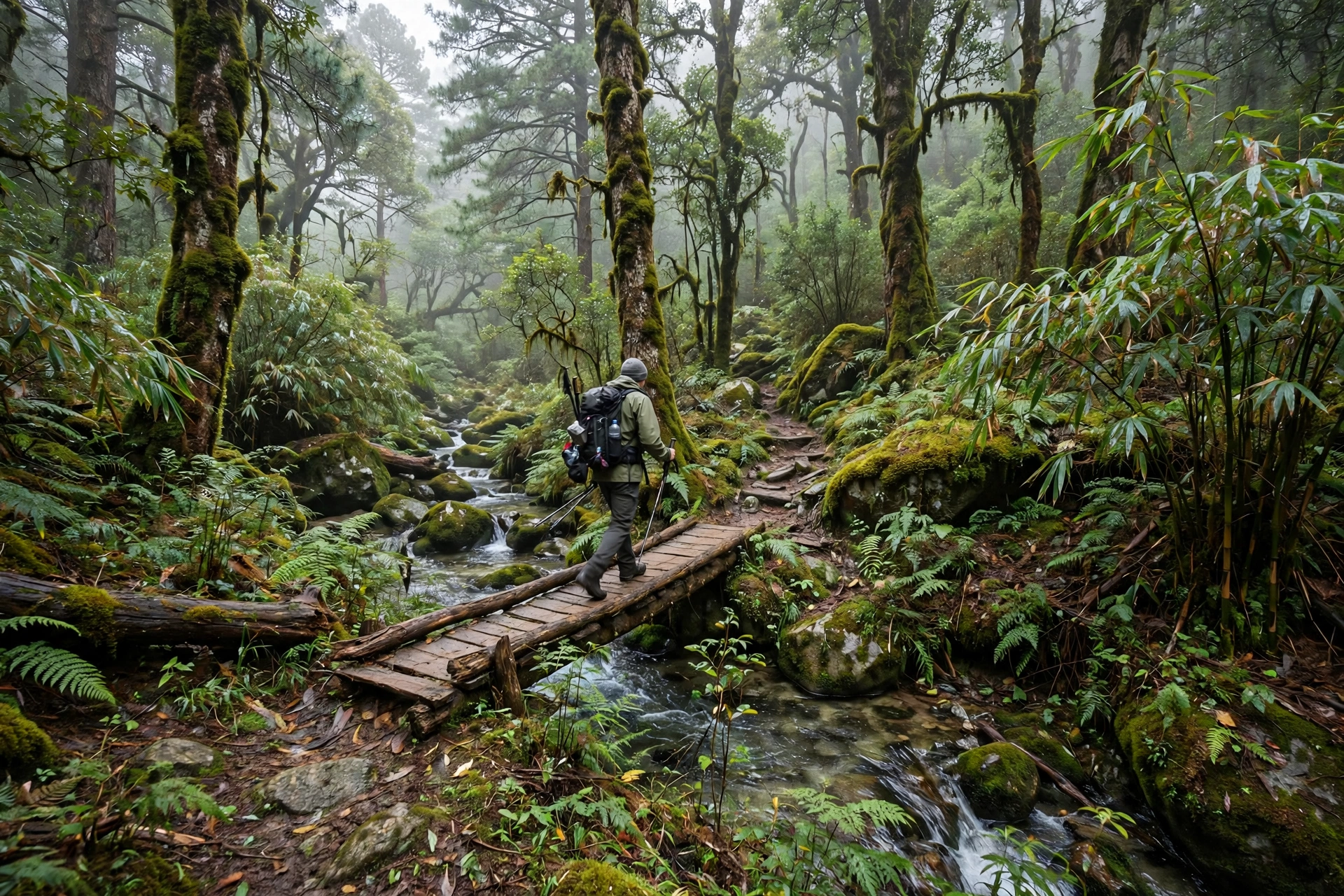
The festival week around it is bigger than one trail
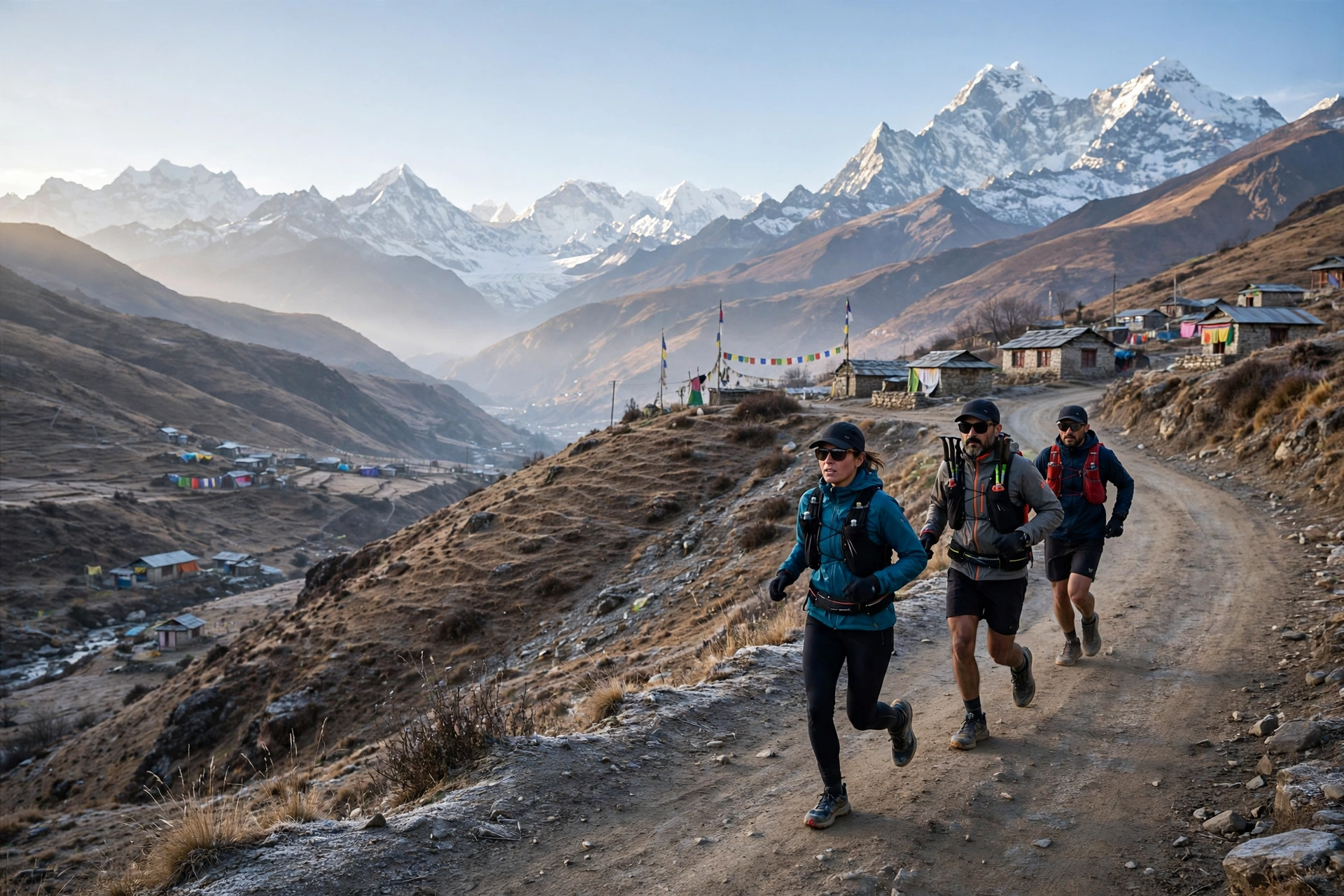
If you cannot get to Dzongu this week, the festival still gives you a reason to look at Sikkim differently. The Gnathang Valley Vibrant Village Marathon in Pakyong district offers 21 kilometre, 10 kilometre and 5 kilometre categories, with all three races starting and finishing at the Gnathang village playground. Gnathang, also known as Nathang, is high, cold and stark, a very different Sikkim from the green valleys of Dzongu. Running there is as much about altitude and weather as it is about speed.
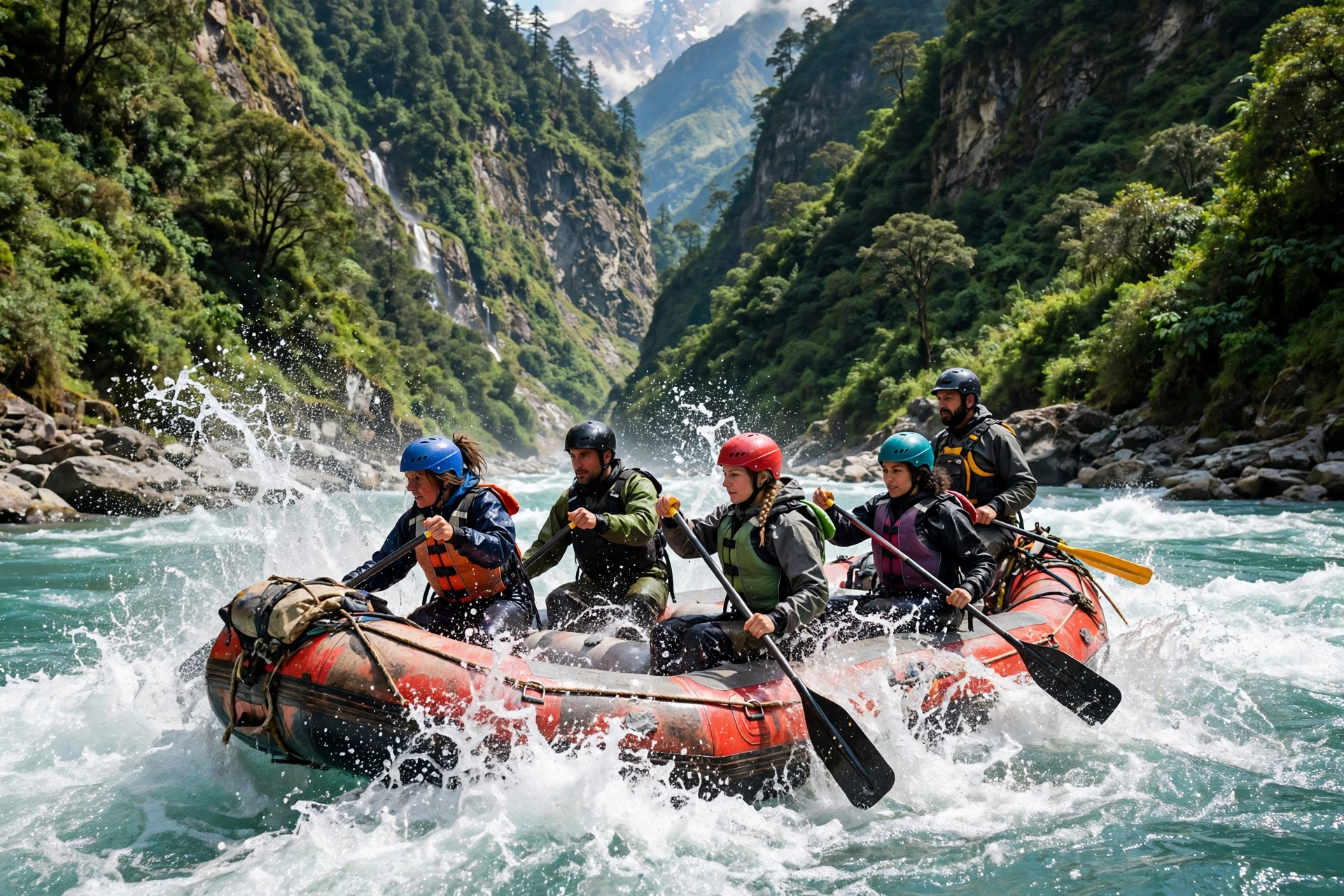
Across festival locations, visitors can also try river rafting, paragliding, parasailing, zorbing, mountain biking and horse riding. That mix is deliberate. Sikkim is not selling one activity. It is selling a week where you can paddle a river one day, ride a mountain bike the next, and then slow right down in a Lepcha village homestay.
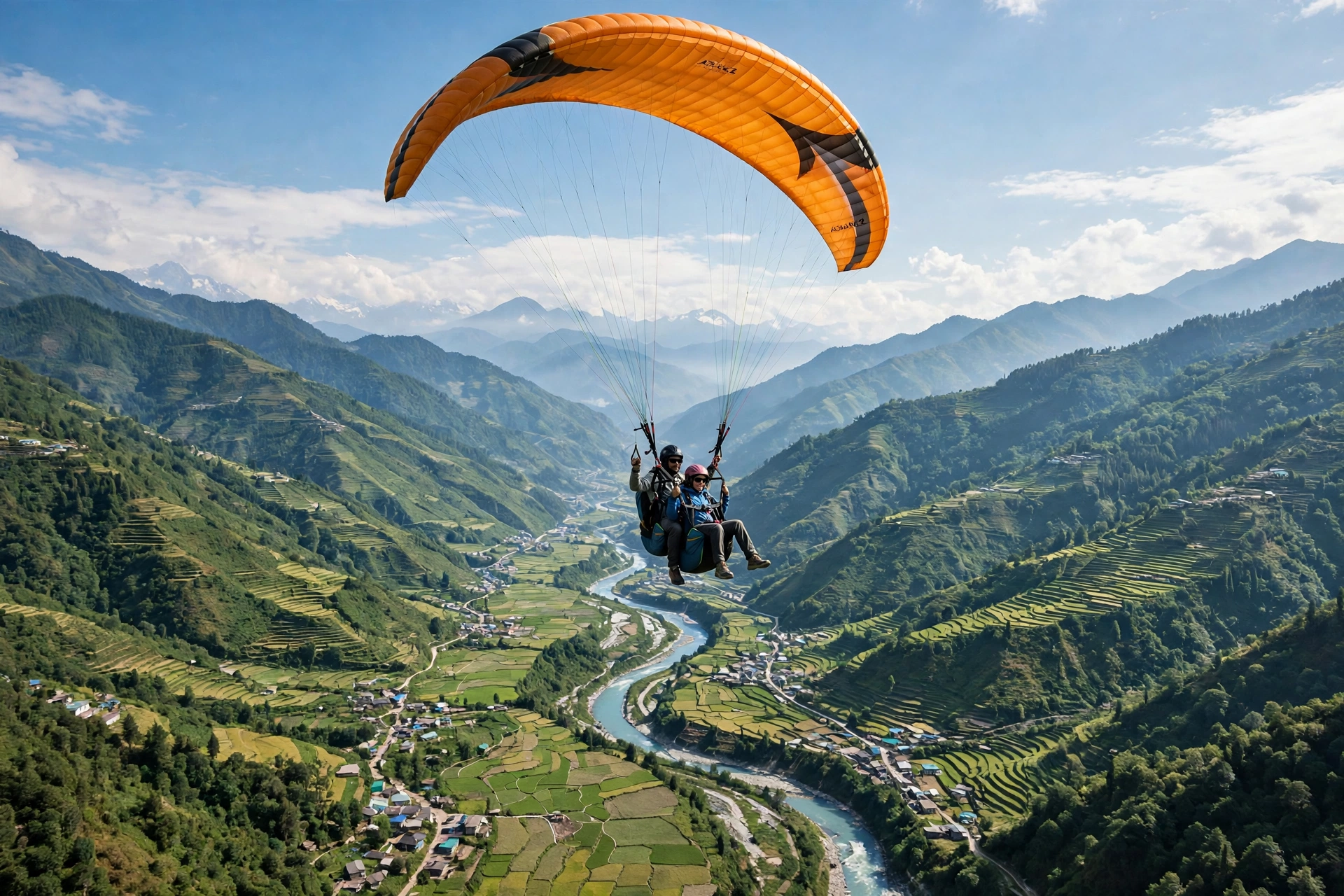
For a first time visitor, that variety solves a real planning problem. Many Himalayan trips fail because they bet everything on one trek, one pass, or one viewpoint. If the weather turns, the whole trip feels wasted. A festival style trip, or a Sikkim trip built around Dzongu plus one or two other activities, gives you backup plans that are still exciting.
The permit problem, solved step by step
This is the part most articles skip, and it is the part that can ruin your trip if you get it wrong. Dzongu is a restricted area. Entry is controlled because it is a protected Lepcha reserve. Even Sikkimese citizens need a special permit to enter, and the rules are stricter than for most of Sikkim.
For Indian nationals, the practical route is an Inner Line Permit arranged offline through the ADM or SDM office in Mangan, or arranged via your homestay. Homestays commonly quote up to about Rs 150 per person for arranging it, though the official process itself is described in guides as having no fixed fee listed. Carry voter ID or Aadhaar and passport size photos, and sort this before you travel, not at the check post.
For foreign nationals, the picture is much tighter. Dzongu is generally not open to independent foreign tourists. Some official listings note that both domestic and foreign visitors can visit Dzongu on a special permit issued from Mangan, while travel guides warn that foreign entry usually needs special state permission that is rarely granted. Do not try to resolve that contradiction at the roadside. If you hold a foreign passport, check with a registered Sikkim tour operator and the Sikkim Tourism Department before you book anything, and have a backup plan in Gangtok or elsewhere in North Sikkim.
That sounds strict, and it is. But it is also why Dzongu still feels the way it does. The permit is not just paperwork. It is the filter that keeps visitor numbers low, keeps homestays family run, and keeps the valley from turning into another crowded viewpoint.
How to actually get there
The nearest airport is Bagdogra in West Bengal, followed by a road journey into Sikkim. From Gangtok, Dzongu is about 70 to 80 kilometres by road, depending on the route and the village you are heading to. Allow around four hours, and allow more if there has been rain. Mountain roads in North Sikkim do not reward tight schedules.
Base yourself in a Lepcha homestay, not in a hotel outside the reserve. Homestays in Dzongu typically charge around Rs 1,000 to Rs 1,500 per person per day including meals, according to current 2026 guides, though prices vary by village and season. Verify locally before you commit. The homestay is not just a bed. It is your permit contact, your guide connection, your food, and your best source of honest advice about trail conditions.
Travel light, but not too light. The elevation range on this trail means you can start in warm, humid forest and finish in cold wind. Pack layers, a proper rain shell, broken in trekking boots, sun protection, and a water bottle you can refill. Leave the drone at home unless you have clear permission. Restricted and border sensitive areas in Sikkim are not the place to test drone rules.
When to go, and how fit do you need to be?
October to November is one of the best windows for Dzongu, which is why a November 1 launch makes sense. The monsoon has usually cleared, the air is sharper, and mountain views open up. Late February to early June is the other main window. Winter brings cold and possible route closures at higher elevations, while the summer monsoon brings landslides, leeches on lower trails, and roads that can close without warning.
Fitness matters here, but not in the gym sense. The trail climbs from low valley ground to nearly 14,700 feet at its highest reported point. That is serious altitude, even if you do not climb the whole range in one day. Walk slowly, drink water constantly, and tell your guide immediately if you get a headache, nausea, or unusual breathlessness. Altitude sickness does not care how fit you look.
If you are new to multi day Himalayan trekking, be honest with your guide about your experience. A circular route sounds friendly, but a circular route with big elevation gain still needs stamina, good knees for descents, and patience for slow, muddy, or steep sections. There is no shame in asking for a shorter village based version first. Dzongu rewards slow travellers far more than fast ones.
How to visit without being the problem
Dzongu has stayed special because the Lepcha community has guarded it. Visitors should act like guests in someone’s home, because that is literally what a homestay is. Learn a few local greetings, ask before photographing people or rituals, dress modestly in villages and sacred places, and follow your guide on waste, water, and trail etiquette.
Spend money locally and directly. Pay your homestay, hire a local guide, buy food and crafts in the village, and use local transport where you can. That is the whole economic idea behind the Kursong Kurmit Trail. If the money leaks out to outside operators, the trail fails its own purpose, even if the trek itself is beautiful.
And keep your expectations human. A newly launched trail will have rough edges. Signage may be basic, timings may shift, and a village stop may not look like an Instagram post. That is not a flaw. That is what a living valley looks like before it gets polished for mass tourism. If you want polish, go to a resort. If you want something real, Dzongu is the better choice.
A simple plan if you want to go soon
First, pick your window. November is ideal if you can travel now, and the festival runs until November 7, 2026. Second, contact a Lepcha homestay or a registered Sikkim operator and confirm the permit process for your nationality in writing. Third, ask specifically about the Kursong Kurmit Trail: current route conditions, guide availability, homestay stops, and what fitness level the current section suits. Fourth, build in buffer days. One extra day in Gangtok or Mangan can save a trip if a road closes or the weather turns.
Finally, do not try to cram Dzongu into a rushed North Sikkim circuit. Dzongu works best as the slow centre of a Sikkim trip, with faster activities like rafting or paragliding around it, not instead of it. Give the valley time, and it gives you far more back.
Why this launch matters beyond Sikkim
Across the Himalayas, the same story repeats. A beautiful place gets famous, visitor numbers explode, and the place that made it famous disappears under hotels, traffic and litter. Sikkim is trying a different order of operations here: formal recognition, community benefit, local guiding, and conservation language built in from day one.
It may not work perfectly. New trails rarely do. But the attempt itself is worth supporting, because it shows that adventure tourism does not have to mean extraction. It can mean a village schoolyard, a local guide, a family homestay, and a trail that belongs to the people who live beside it.
The Kursong Kurmit Trail is not the longest trek in the Himalayas, the highest, or the most famous. Right now, it might be one of the most interesting. It is new, it is protected, it is community led, and it is open. If the Himalayas are on your list, put Dzongu near the top of it, and go while it still feels like a secret.
More from The Cavee: if permits confuse you, our Upper Mustang permit guide shows how Himalayan permits actually work in practice. For another high road adventure, see our Pamir Highway guide, and for a very different mountain journey, our Ha Giang Loop guide covers Vietnam’s wildest motorbike route.
Want more Himalayan adventures like this? Read the full story and follow The Cavee on Pinterest for new trails, hidden valleys, and honest trekking guides every week. Read Full Story on thecavee.com, and start planning the Sikkim trip you will actually remember.