The Great Migration in October: Where the Serengeti Herds Are Right Now (And Why Smart Travelers Go Now)
Everyone tells you to go to the Serengeti in August. That is when the Mara River crossings are at their wildest, when the herds are packed into the north, and when every safari brochure shows a wildebeest mid-plunge with a crocodile somewhere in the frame. It is good advice, and it is also the reason August is crowded, expensive, and booked out months ahead.
Here is the part most people miss. October is when the same show gets quieter, cheaper, and in some ways better. The herds are still in the north early in the month. Late crossings still happen. The predators are still very much on the hunt. But the safari vehicles thin out, the light turns golden, and you get something August rarely gives you: space to actually watch.
I will be straight with you about the trade-off, because October is not a perfect month. It is the end of the long dry season. It is hot and dusty. The short rains can arrive late in the month and shuffle the herds south faster than anyone predicted. If you need a guaranteed crossing on a guaranteed date, no month can promise you that, and anyone who says otherwise is selling you something. But if you want the best balance of drama, value, and elbow room, October is the month most first-time safari planners overlook, and that is exactly why this guide exists.
Where the herds are in October
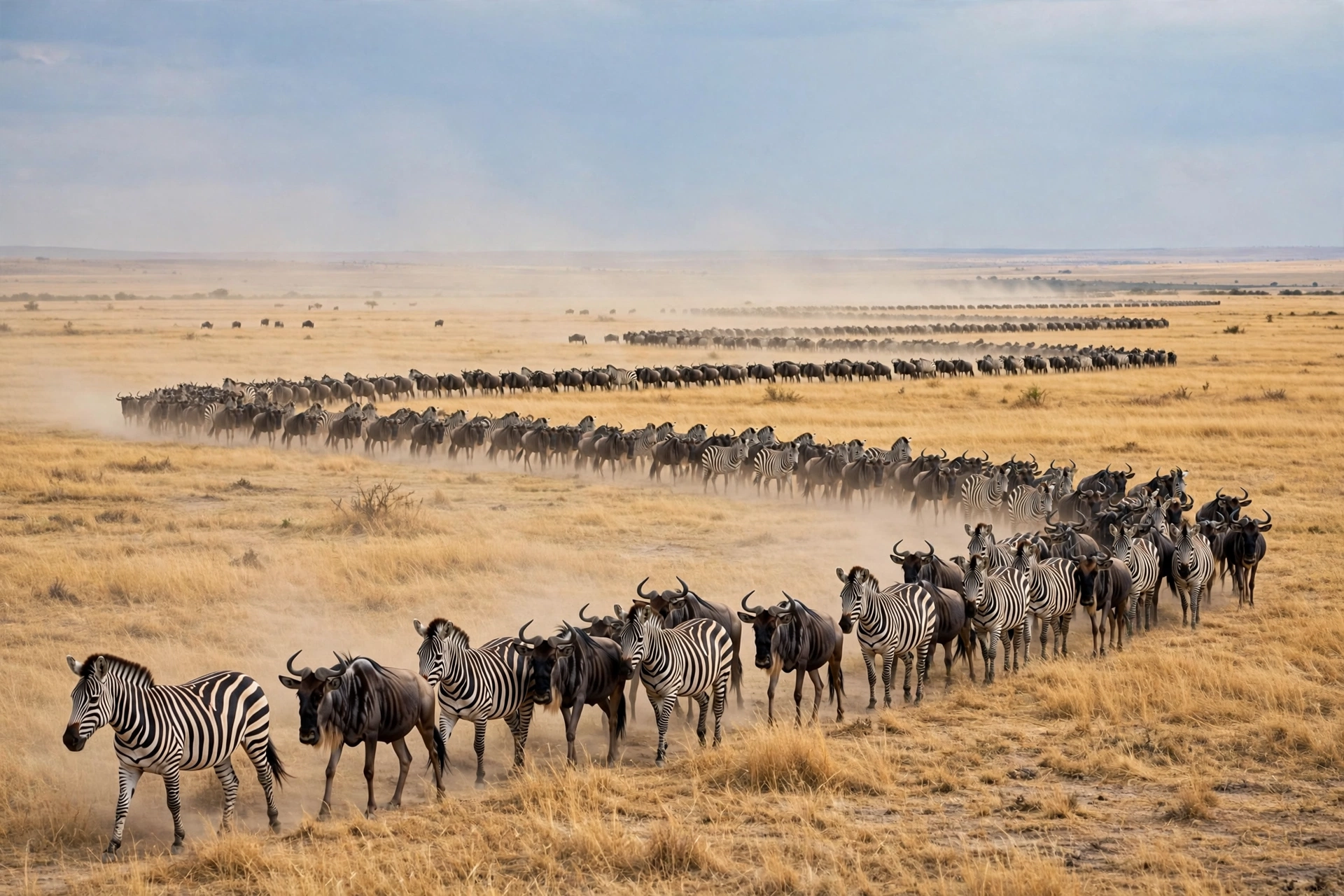
The Great Migration is not a single event. It is a year-round circuit, and more than a million wildebeest, plus hundreds of thousands of zebra and gazelle, follow the rain around the Serengeti and Mara ecosystem in a giant loop. In January to March they are calving on the short grass plains of the southern Serengeti. By April and May they push north. July to October is the northern chapter, and that is where October sits.
Early in October, the herds are usually still in the northern Serengeti, around Kogatende and the Lamai Wedge, with many animals across the border in Kenya’s Masai Mara. Kenya Wildlife Service guidance puts the Mara season at July to October, so October is the tail end of that window, not some afterthought. Later crossings at the Mara River are still possible in the first part of the month, and local guides describe the north-east Serengeti, especially the Lobo area, as a key gathering point before the herds turn south.
As the month goes on, the pattern shifts. The herds begin drifting south through Lobo and east as the short rains approach. By late October, many have started working their way back toward the central and southern Serengeti. That sounds like bad news if you only care about river crossings, but it is actually the second half of October’s appeal. The herds are on the move, the predators follow them, and a good guide who reads fresh tracks and talks to other guides will put you where the action is, not where the brochure said it would be three months ago.
The honest version of the October forecast is this: early October, base yourself in the north. Late October, stay flexible, listen to your guide, and be ready to follow the herds south. Anyone who gives you a fixed GPS pin for a wild animal migration is guessing. The guides who get it right are the ones who check conditions every single morning.
What a Mara River crossing actually looks like
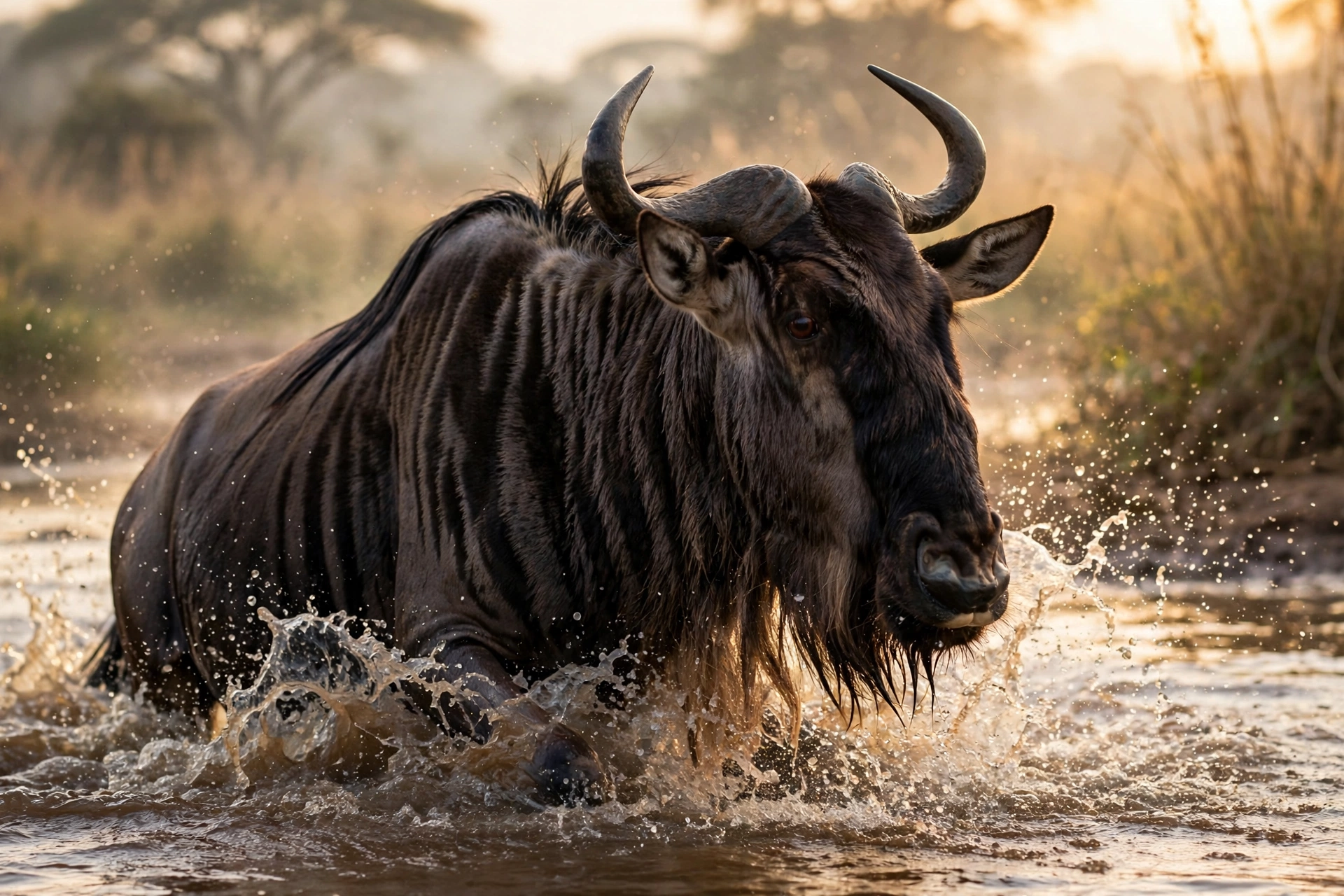
Forget the tidy version you have seen in documentaries, where a herd marches in a straight line and crosses on cue. A real crossing is messy, tense, and weirdly quiet right up until it is not.
A herd arrives at the riverbank and stops. Hundreds, sometimes thousands, of wildebeest mill around, push forward, back off, and stare at the water. Nothing happens for an hour. Then one animal commits. It slides down the bank, hits the water, and suddenly the whole mass is moving, splashing, bellowing, and scrambling up the far bank in a cloud of dust. Ten minutes later it is over, and the river is calm again like nothing happened.
That unpredictability is the whole point, and it is also the problem this article is trying to solve for you. Most travelers plan a safari around a crossing the way they plan a concert, with a date and a seat. The migration does not work like that. A crossing is not a one-way event either. Herds cross the Mara River in both directions through the season, and they recross it again and again. So your job is not to pick the perfect day. Your job is to put yourself in the right region, for enough days, with a guide who knows the current crossing points, and then be patient.
October helps with the patience part. With fewer vehicles at each crossing point, you are less likely to be jostling for a view, and your guide has more freedom to wait at a quieter spot instead of joining a traffic jam of safari trucks. That is a real, practical advantage, not just a romantic one.
Why October beats August for a lot of travelers
Let us talk about the problem most safari first-timers run into. They pick the peak month, pay peak prices, and then spend half their game drives looking at the back of someone else’s safari vehicle. October fixes a surprising amount of that.
First, the crowds thin out. October is shoulder season in the Serengeti. The long dry season is ending, the big August rush has gone home, and the camps are quieter. That matters at river crossings, at lion sightings, and at sundowners, where you are not sharing every moment with twenty strangers.
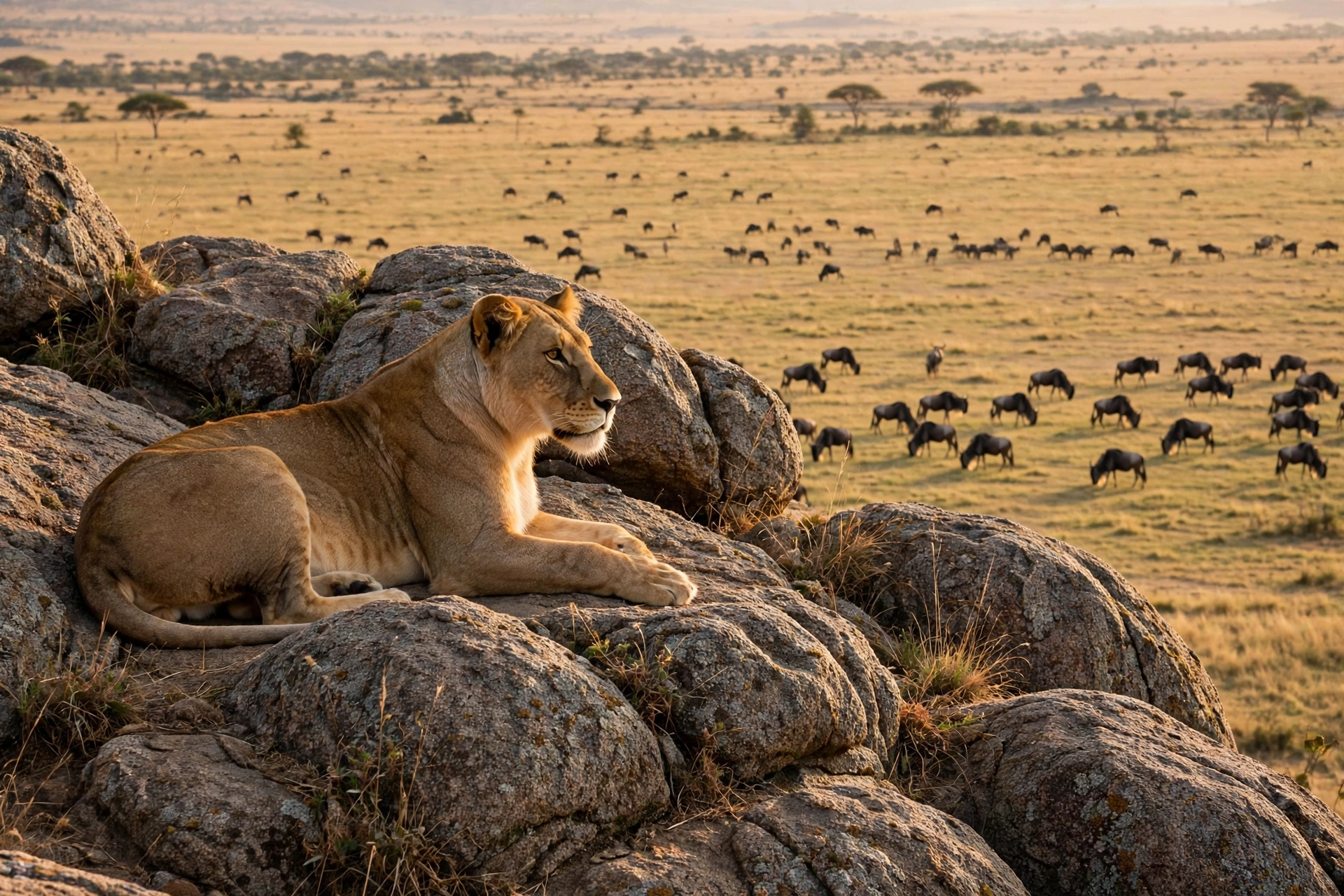
Second, the wildlife viewing is still excellent. October brings hot, dusty days, with daytime temperatures up to about 30 degrees Celsius, and animals gathered around shrinking water sources. Predators are highly active in this period, because prey is concentrated and the herds are moving. Lions, leopards, cheetahs, and hyenas all follow the migration, and the end of the dry season is prime time for big cat action.
Third, the light is gorgeous. The dust in the air softens the morning and evening light into that golden glow photographers dream about. If you care about photos at all, and most people on a once-in-a-lifetime safari do, October light is a genuine selling point.
The catch is the rain. Late October can bring the first short rains, which green up the south and pull the herds that way. Showers are usually brief, but they can make dirt roads tricky and change the herds’ plans overnight. Pack a light rain jacket, keep your itinerary flexible, and treat a rainy afternoon as part of the adventure rather than a ruined day. The Serengeti after rain smells incredible, and the light that follows a storm is worth the wait.
A simple October itinerary that actually works
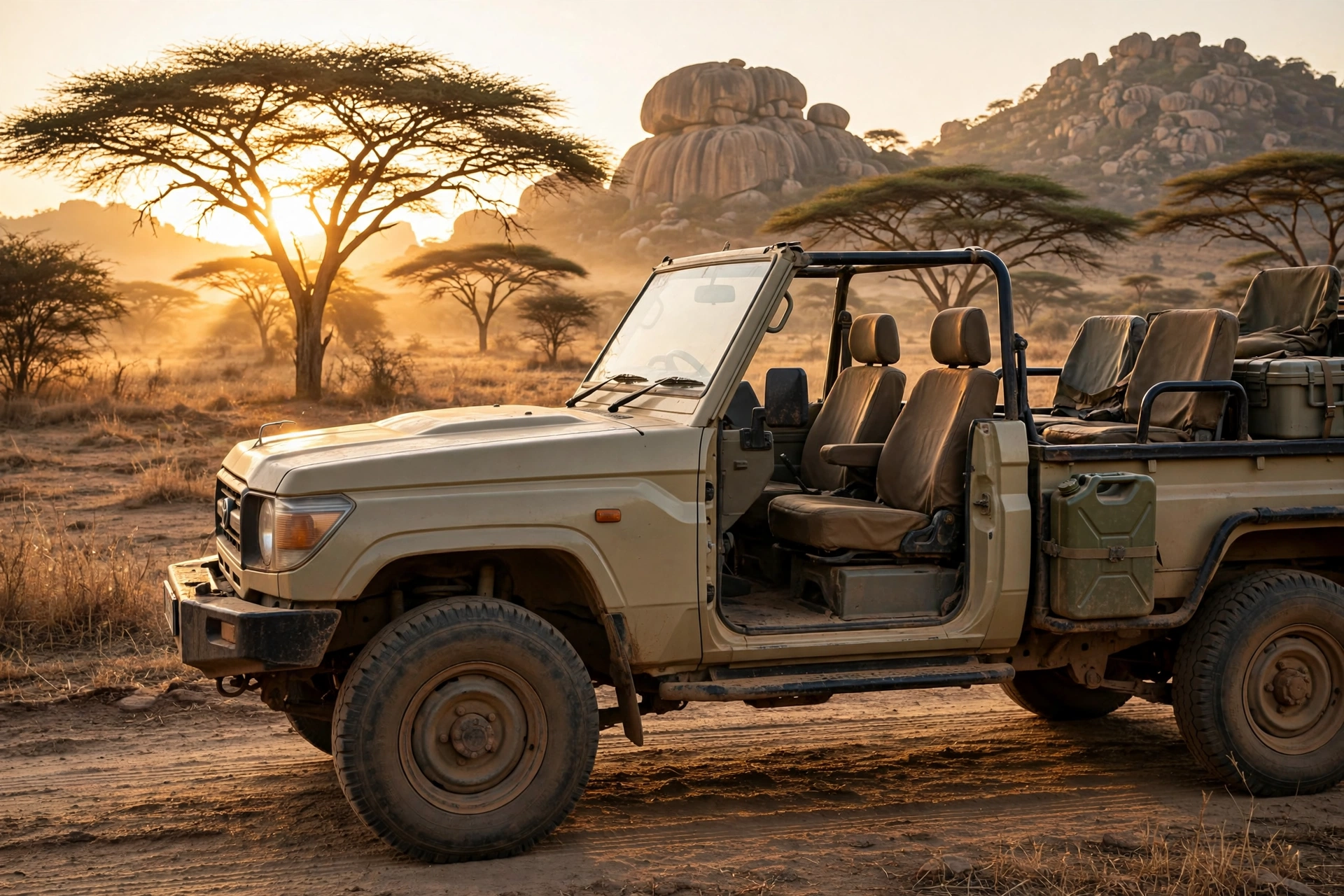
You do not need three weeks to do this well. A focused five to seven day trip, built around the north in early October, covers the highlights without exhausting you.
Days one and two: fly into the Serengeti region and settle into a camp in the northern Serengeti, around Kogatende or Lamai. Spend your first game drives learning the landscape. Watch how your guide reads tracks, listens for alarm calls, and checks in with other guides. This is not wasted time. It is how you find crossings.
Days three and four: Mara River days. Head out early, before the heat builds, and position near known crossing points. Bring patience, water, snacks, and a fully charged camera. Some days nothing crosses, and that is normal. On the days it happens, it happens fast, so stay ready and stay quiet.
Days five and six: follow the herds. If the herds are drifting south, move toward the Lobo area, with its rolling plains, acacia trees, and granite kopjes. This is classic Serengeti scenery, and it is excellent for lions and cheetahs. A sunrise balloon ride over the plains, if your budget allows it, gives you a completely different view of the herds: long dark lines moving slowly across golden grass, with no engine noise at all.
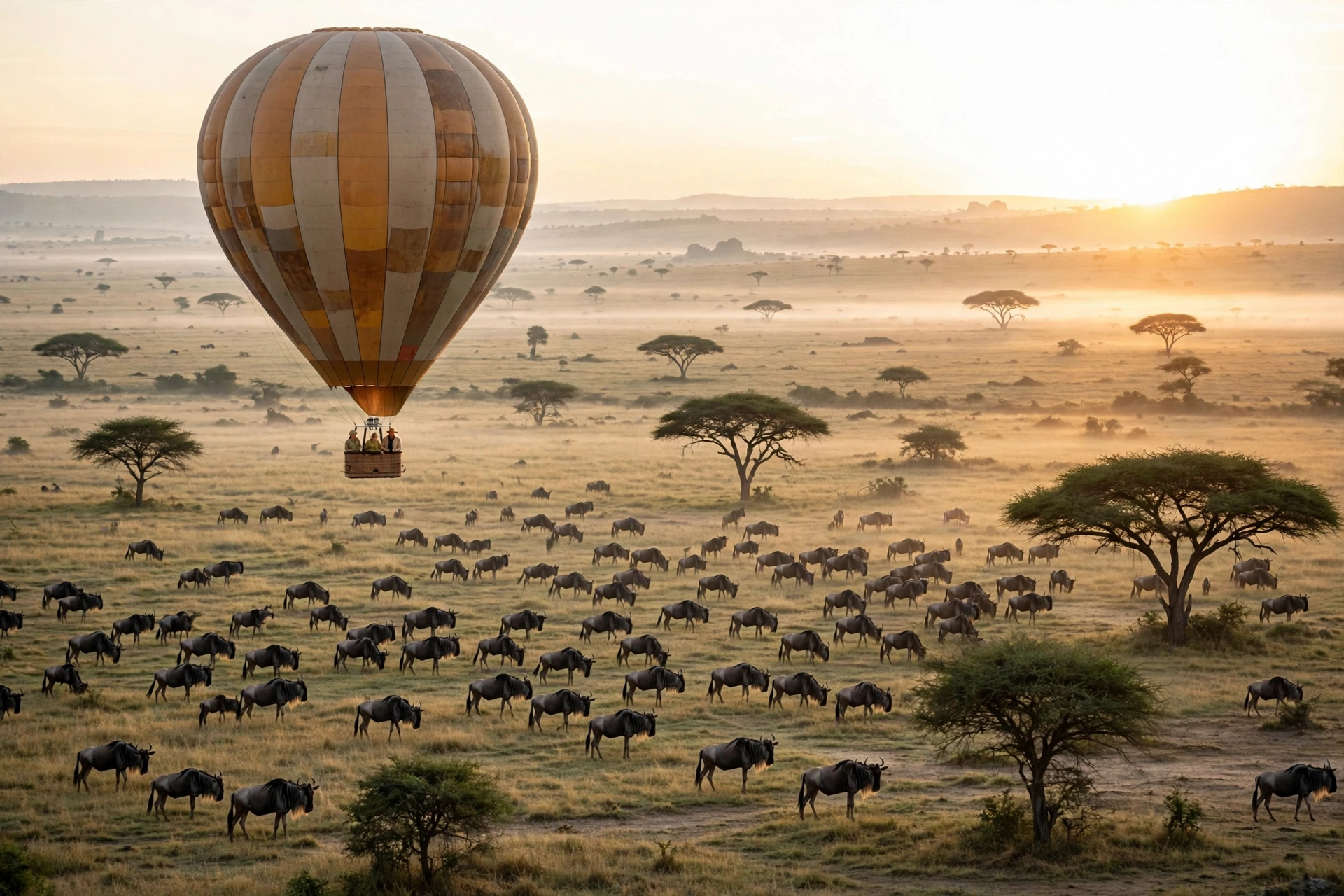
Day seven: a slow morning drive, a last look at the herds, and then your transfer out. Do not try to cram in a second park on your final day. The Serengeti rewards slow mornings, and your last game drive is often the one you remember most.
If you only have three or four days, skip the multi-region tour and stay in the north. One region, done properly, beats three regions done in a rush. That is the single best piece of safari advice I can give you, and it applies in every month, not just October.
What to pack, and what most people forget
Safari packing is one area where overpacking is a bigger problem than underpacking. Internal flights have strict luggage limits, often in soft bags, so pack light and in layers.
The essentials are simple: neutral-colored clothes, a warm layer for early mornings, a sun hat, sunscreen, binoculars, and a camera with a zoom lens if you have one. A phone camera will capture the landscape beautifully, but it will not do justice to a lion a hundred metres away, so binoculars matter more than most people expect.
What people forget: a reusable water bottle, lip balm, dust protection for camera gear, and a power bank. Charging points in tented camps are often limited, and you do not want a dead camera at the exact moment a herd decides to cross. Bring a small daypack you can keep at your feet in the vehicle, so your gear is always within reach and never bouncing around in the back.
One more thing that sounds small and matters a lot: closed shoes with good grip. Safari vehicles stop on uneven ground, and you will step out at viewpoints, picnic spots, and kopjes. The Serengeti is not a place for flimsy sandals.
The mistakes that ruin an October safari
Mistake one is booking a camp in the wrong region. If you stay in the central Serengeti in early October while the herds are still in the north, you will see plenty of resident wildlife, which is wonderful, but you will miss the migration itself. Match your camp to where the herds actually are in your travel week, not where they were in a blog post from August.
Mistake two is a rigid schedule. The migration moves. Your plan should move with it. Build in at least one flexible day, and choose an operator who will change the plan based on fresh information rather than sticking to a printed itinerary.
Mistake three is expecting a crossing every day. Even in peak season, crossings are not daily events at a single spot. Give yourself at least three full days in the migration area. That patience is what separates the travelers who see a crossing from the ones who go home with a story about the one that got away.
Mistake four is forgetting that this is a wild place with real rules. Stay in the vehicle unless your guide says otherwise. Keep your distance from animals. Never try to get closer for a photo. The guides who protect the wildlife are also the guides who will get you the best sightings, because the animals stay relaxed around them.
Is October right for you?
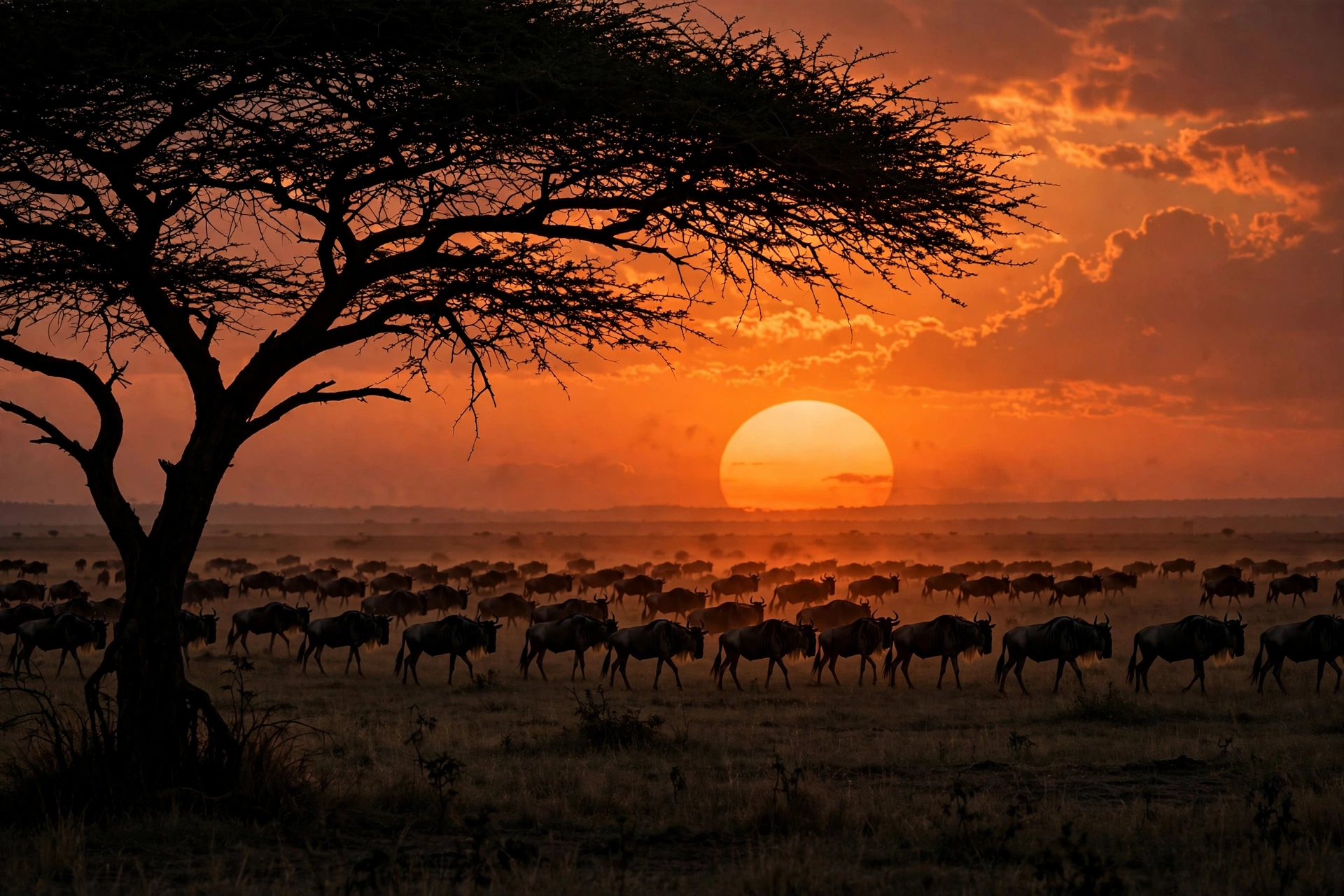
October suits travelers who want the migration without the peak-season crush, who are happy with heat and dust, and who can handle a little uncertainty in exchange for a quieter, more personal safari. It suits photographers, repeat safari-goers, and anyone who has already done the classic August trip and wants a different angle on the same great story.
It is less suited to travelers who need everything guaranteed in advance, who hate heat, or who can only travel in a single fixed week and will be disappointed if the herds move early. If that sounds like you, consider February instead, when the herds are calving in the south and the action is more predictable, or book August a year ahead and accept the crowds as part of the deal.
For everyone else, October is the smart play. The herds are still north, the crossings are still happening, the cats are hunting, and the Serengeti has room to breathe. That combination does not last long, which is why the window matters. The Mara season runs July to October, and October is your last call for the northern chapter of the greatest wildlife show on Earth.
If this trip has been sitting on your list for years, stop waiting for the perfect month. There is no perfect month. There is only the month you actually go, with the right region, the right guide, and enough days to let the wild do its thing. October gives you all three, and it gives them to you without the crowds.
Want more adventure ideas like this? Check out our guide to Vietnam’s wild Ha Giang Loop motorbike adventure, our Saudi Arabia Red Sea adventure guide, and our Zhangjiajie Avatar mountains adventure guide. And if this Serengeti story sparked something, save it on Pinterest and share it with the one person you would want beside you at the riverbank. Read Full Story on thecavee.com, and start planning the trip you will still be talking about in ten years.