The White Cave of Puglia: Inside Italy’s Grotte di Castellana, Where a 60-Metre Hole in the Earth Hides a Crystal Palace
Most people go to Puglia for the trulli houses and the beaches. They eat orecchiette in Bari, take the same photo of Alberobello everyone else takes, and drive home thinking they have seen the region. They have missed the best part, and it is sitting right under their feet. About 40 kilometres southeast of Bari, beneath a quiet little town called Castellana Grotte, there is a cave system three kilometres long that ends in a chamber so white it looks like someone carved it out of fresh snow. It has been open to visitors for decades, it costs about the same as a pizza dinner, and somehow it still feels like a secret.
I first heard about the Grotte di Castellana from a friend who had been to Puglia three times and only found the caves on the third trip, by accident, because it rained. That is the kind of place this is. Not the sort of attraction that shouts. The sort you stumble into and then cannot stop talking about. So here is the full story: how a man on a rope found it in 1938, what the walk underground is actually like, which tour to book, and the small mistakes that can waste your whole visit.
The Man Who Dropped Into the Dark on a Rope
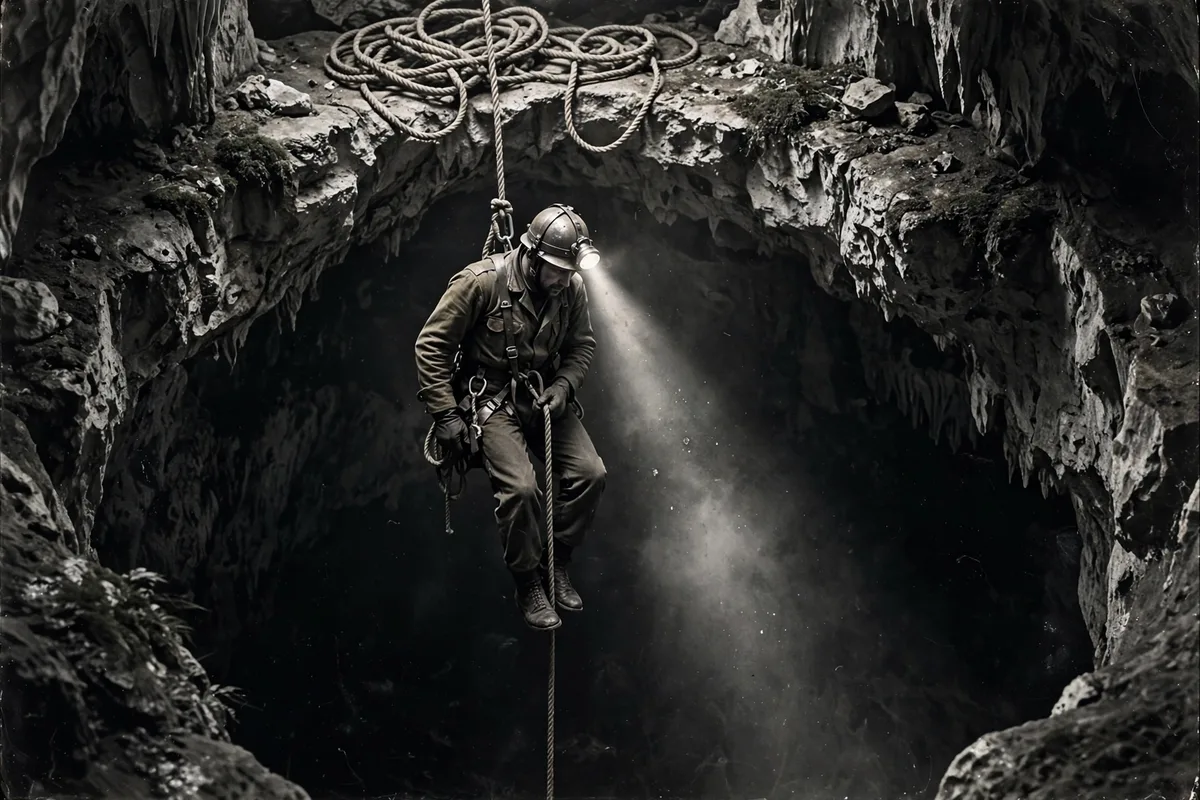
On 23 January 1938, an Italian speleologist named Franco Anelli stood at the edge of a hole in the ground outside Castellana Grotte and did something that sounds either brave or slightly mad, depending on how you look at it. He tied himself to a rope and lowered himself 60 metres down into total darkness. Nobody knew what was at the bottom. The hole, called La Grave, had been there forever. Local people knew about it, threw things into it, told stories about it. But no one had ever gone down to check.
What Anelli found changed everything. Below the shaft stretched a cave system more than three kilometres long, carved through limestone over roughly 90 million years by water patiently dissolving rock. Chamber after chamber, corridors lined with stalactites and stalagmites, and at the very end, a room of pure white crystal that he and every guide since has described as the most beautiful in Italy. Anelli spent the rest of his career mapping and studying the caves, and today the speleological museum next door carries his name. All because one man decided to find out what was down a hole.
That story matters when you visit, because the whole tour is built around it. You enter the same way Anelli did, through La Grave, and you walk the same route deeper and deeper until the cave shows you its final trick. It is a rare thing, a tourist attraction with a genuine origin story that is actually better than the marketing.
La Grave, the Hole That Swallows the Sky
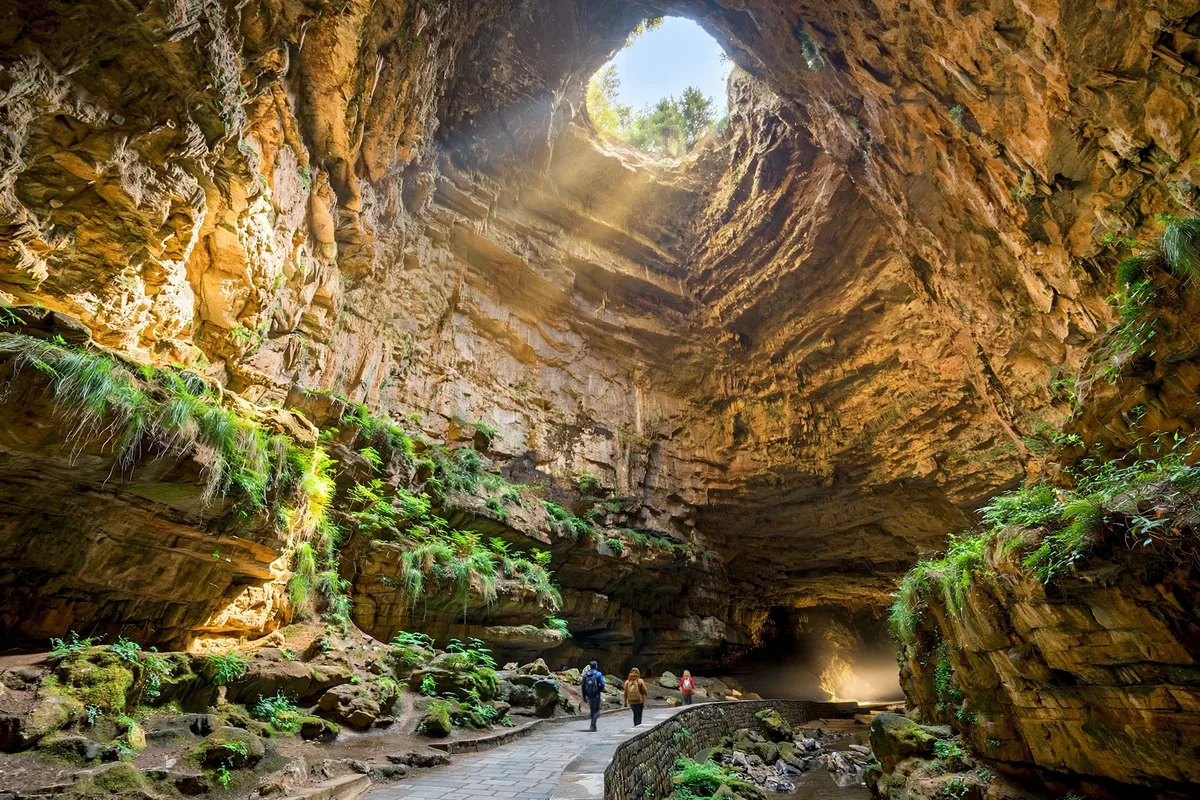
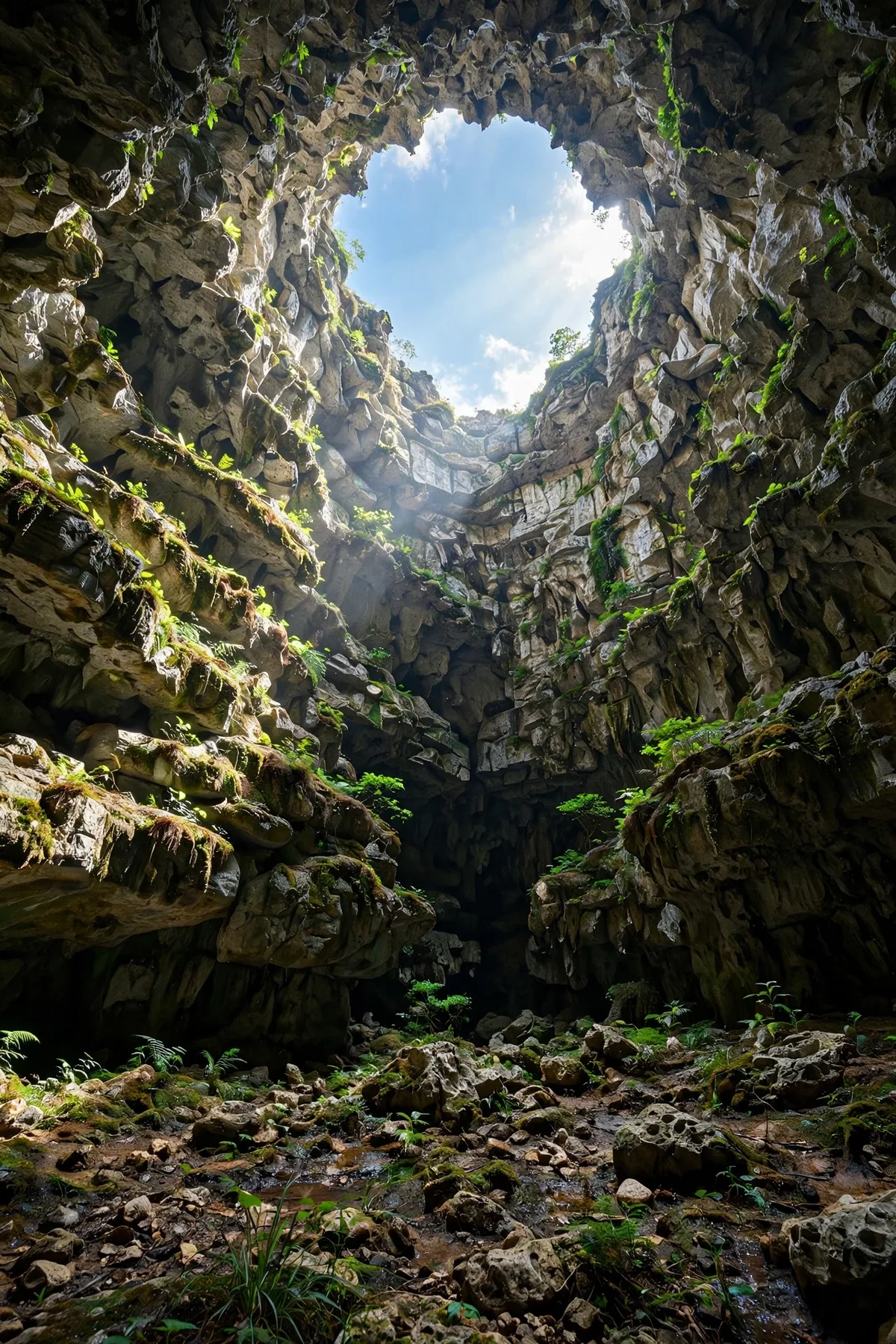
The tour starts in La Grave, and it is the only part of the cave that is open to the sky. Picture a natural chasm about 100 metres long, 50 metres wide and 60 metres deep, like a giant stone bowl with the lid taken off. Sunlight pours in from above in a thick slanting beam. Plants grow on the ledges. Birds fly in and out. It feels less like a cave and more like a cathedral that forgot its roof.
This is the one place on the whole tour where you are allowed to take photos, so take your time here. The light changes through the day, and the morning visits tend to give you the best beam, when the sun is angled just right and the dust in the air turns gold. Stand at the bottom and look up. Sixty metres of rock above you, a rectangle of blue sky, and the strange feeling that the ground you are standing on was never meant to be seen by anyone. For almost a century, nobody had seen it. Then one rope changed that.
It is also the moment your body notices the temperature. Up on the surface it might be 32 degrees in a Puglian summer. Down here it is cool all year, roughly 13 to 16 degrees depending on the season and which guide you ask. Bring a light jacket even in August. You will not regret it, and you will see plenty of people in shorts shivering by the second chamber.
Walking Three Kilometres Underground
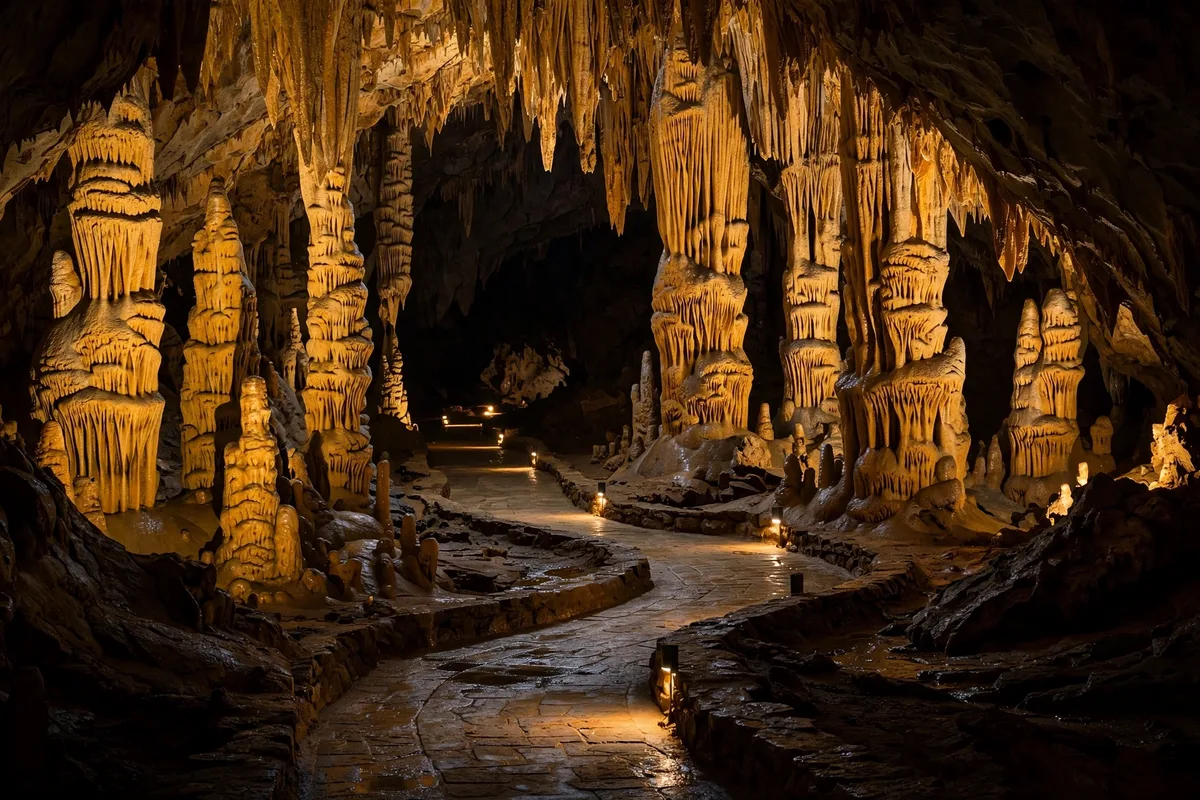
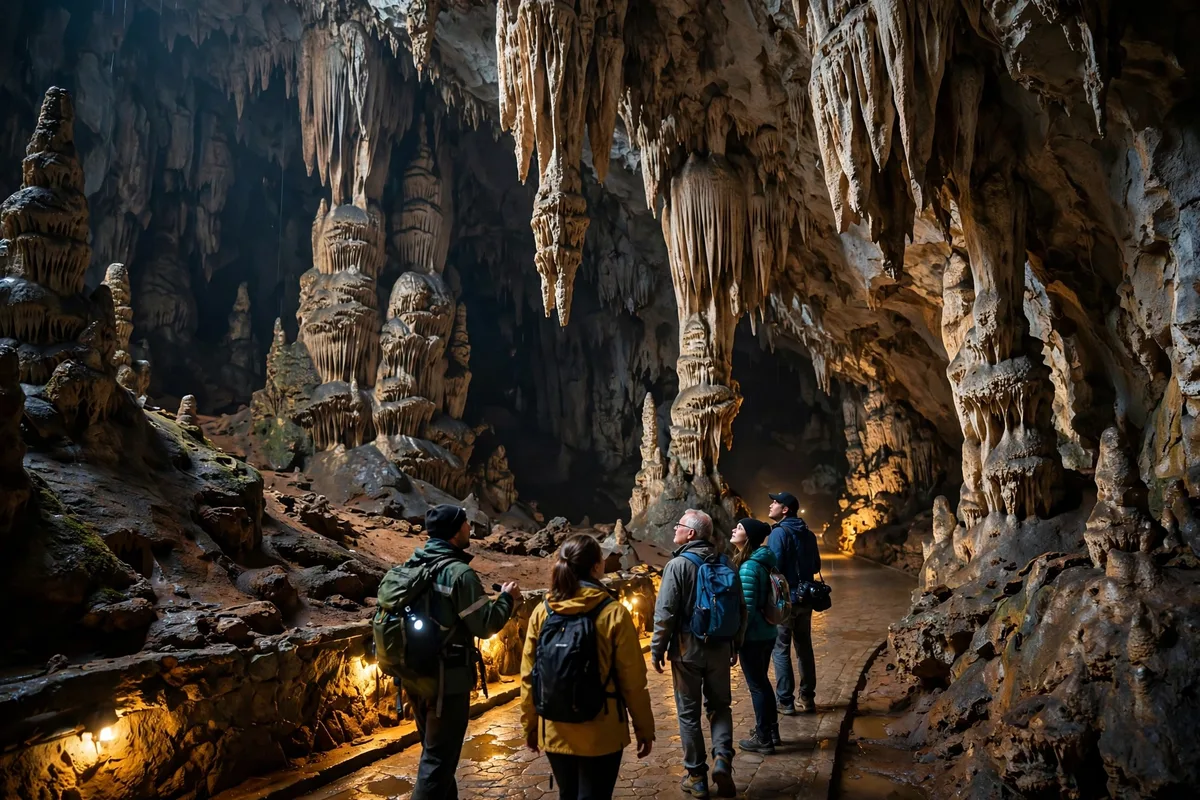
From La Grave the route leaves the daylight behind and the cave gets serious. You follow a lit path with a guide, and the chambers come one after another, each with its own shape and its own name. The Cavern of the Monuments is full of towering formations that look like statues left behind by a forgotten sculptor. The Desert Corridor is a long, dry passage where the rock turns sandy and pale, and the stalagmites rise like dunes frozen in stone.
What surprises most people is the colour. Caves in photographs tend to look grey and damp, but Castellana is warm. The limestone glows ochre, honey and rust under the lights. The formations are enormous in places, columns where a stalactite and a stalagmite have met after thousands of years of growing towards each other, millimetre by millimetre. A guide will point out the ones that look like animals or people, and you will laugh, and then you will see it too, and that is half the fun.
A few honest notes about the walk itself. This is a guided tour, not a free wander. You stay with your group, you move at the group’s pace, and you stop when the guide stops. That is partly for safety and partly for conservation, because thousands of hands touching the same formation would destroy it in a season. The full route is about three kilometres and takes roughly 100 minutes. The floor is mostly paved and flat, but there are steps, and it is not wheelchair accessible. If you have bad knees, take it slow and use the handrails. Nobody will rush you.
The Grotta Bianca, the Room That Makes People Go Quiet
Here is the thing you need to know before you book: the famous White Cave is only on the full tour. The short route turns back before it. If you come all this way and take the short route, you will miss the one room everyone talks about, and you will spend the drive home reading about it on your phone. Book the full tour.
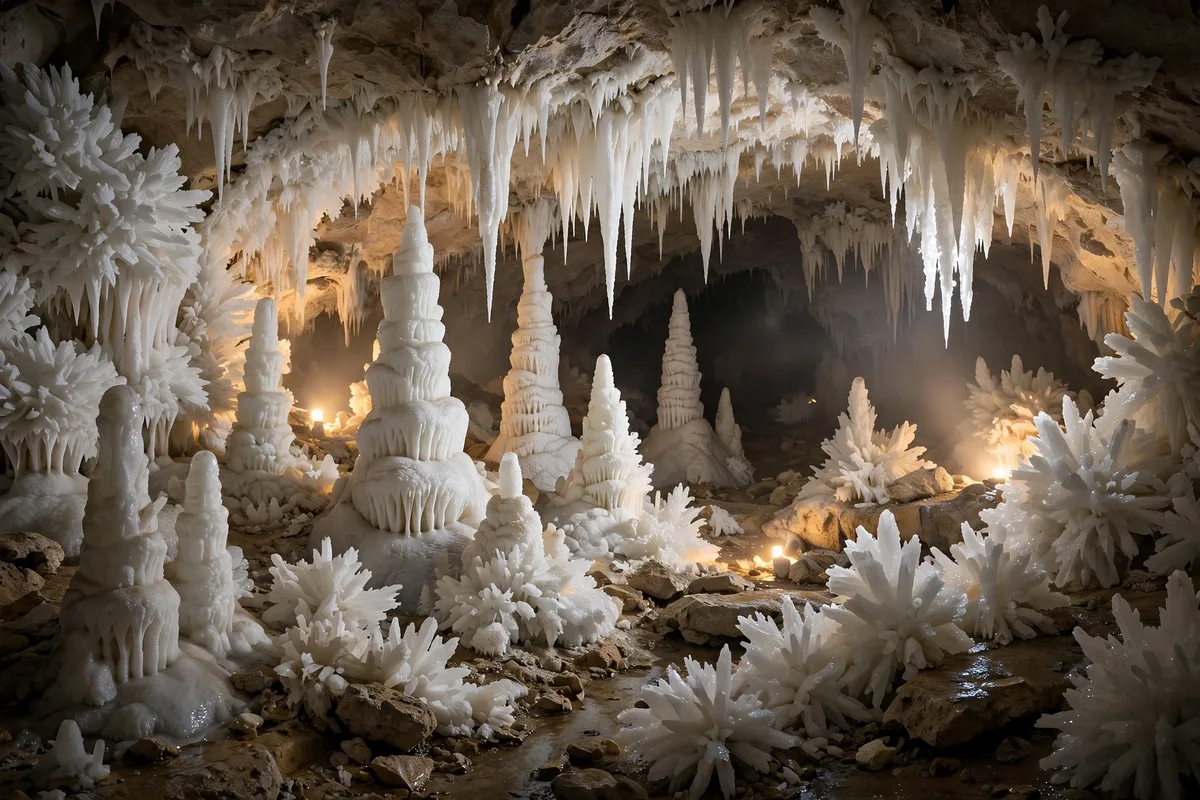
About 100 minutes into the walk, the ochre rock gives way to white. The Grotta Bianca, the White Cave, is a chamber covered in pure white aragonite, a form of calcium carbonate that is denser and brighter than ordinary calcite. The stalactites and stalagmites here are not beige or brown. They are white, like alabaster, like fresh icing. Under the lights the whole room seems to glow from inside. Guides say visitors go quiet without being asked when they walk in, and I believe it. After an hour and a half of warm brown stone, the sudden whiteness feels unreal, like stepping from a cellar into a palace made of snow.
It is the last chamber on the route, and the placement is deliberate. The cave saves its best room for last, the way a good story saves its ending. You come out of the White Cave, climb back towards the surface, and blink in the Puglian sun like someone waking up from a very good dream.
Short Tour or Full Tour? Picking the Right One
There are two guided routes, and the choice is simple once you know the difference. The short route covers about one kilometre in roughly 50 minutes and costs less. The full route covers about three kilometres in roughly 100 minutes and ends in the Grotta Bianca. Prices shift a little by season and by where you book, but as a rough guide for 2026, expect around 15 to 22 euros for the short tour and around 22 to 25 euros for the full one. Check the official price list before you go, because rates change, and online prices can differ from the ticket office.
My advice is blunt: take the full tour. The price difference is a few euros, the time difference is under an hour, and the White Cave is the whole point. The only people who should pick the short route are those who genuinely cannot manage a two hour walk underground. The operator itself notes the full route is not recommended for pregnant visitors or people over 70, so take that seriously. Families are fine, and there is even a family visit designed for children from four years old, though you need to reserve that one in advance by email or phone.
Book at least the day before, and book online if you can. Tours run in Italian by default, with a limited number in English, and the English ones fill up fast, especially in spring and summer. Same day online sales are not always available, and turning up at the ticket office without a booking can mean a long wait or a sold out tour. Arrive early either way. The complex is bigger than you expect, with the museum, a small cafe area and gardens, and you will want a little time before your tour starts.
Planning Your Visit Without Wasting the Day
The caves sit at Piazzale Anelli, about a kilometre and a half outside the town of Castellana Grotte, roughly 40 kilometres southeast of Bari. If you are driving, it is an easy run down the motorway and there is parking at the site. By train, take the line from Bari Centrale to Castellana Grotte station, then walk or grab a short taxi ride. The caves are open year round, but opening hours and departure times change with the season, so check the official calendar for your date. The first tour usually leaves around 10 in the morning.
What to wear is simple: layers and good shoes. The cave is cool, the path can be damp in places, and there are steps. A light jacket, closed shoes with grip, and a small bag you can carry hands free. Leave the tripod at home, since photography is only allowed in La Grave, and the guides are strict about it in the deeper chambers. Flash is a definite no.
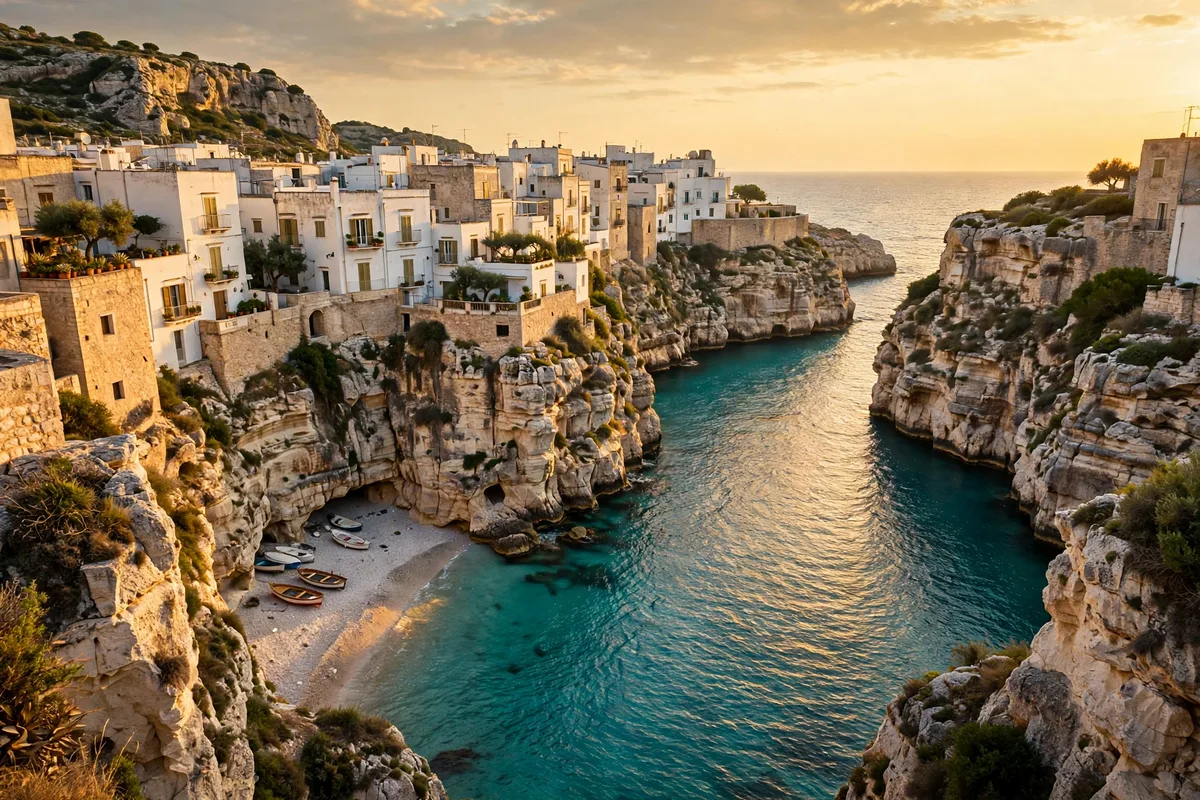
Now the part that turns a good day into a great one. The caves pair perfectly with the rest of Puglia. Polignano a Mare, the cliff town with houses perched over a turquoise cove, is only about 20 kilometres away, an easy drive for lunch and a swim after your tour. Alberobello and its cone roofed trulli houses are about half an hour in the other direction. Do the cave in the morning, when the light in La Grave is at its best, then spend the afternoon on the coast. That is a day you will remember.
Who This Cave Is Actually For
Every trip has a problem it needs to solve, and Puglia in summer has a big one: heat. By midday in July the stone streets of the old towns feel like an oven, the beaches are packed, and the kids are melting. A cave that sits at 13 to 16 degrees all year is not just a nice attraction, it is an escape. Two hours underground resets the whole day. You come out cool, calm and ready for the afternoon instead of hiding in an air conditioned cafe.
It works just as well on a rainy day, which is exactly how my friend found it. Puglia gets sudden downpours, and when the beach plan collapses, the caves are the rare attraction that gets better in bad weather. The light in La Grave goes soft and grey, the crowds thin out, and the whole place feels even more secret.
One honest warning for anyone who worries about tight spaces. La Grave is enormous and open to the sky, so the start of the tour feels fine even if you are nervous underground. The deeper passages are enclosed, though, and the ceilings come lower in places. If claustrophobia is a real issue for you, the short tour is the safer choice, and you can always decide on the day. There is no shame in it. The cave will still be there next time.
Tips That Save You a Wasted Trip
First, book the English tour in advance if you do not speak Italian. The Italian tours are excellent, but you will get far more out of the guide’s stories in a language you understand, and the English slots are limited. Second, go in the morning for the best light in La Grave. Third, bring the jacket. I have said it twice already and I will say it once more, because every tour has someone in a T-shirt regretting their life choices by the second chamber.
Fourth, do not plan to rush. Allow about two hours at the complex, including the museum. The Franco Anelli Speleological Museum next door is small but worth a wander, especially if you have kids who want to know how caves form and what else lives underground. Fifth, check the official site the day before you go. Hours change by season, tours can be affected by weather, and the calendar is the only source you should trust.
And finally, the simplest tip of all: do not skip the White Cave. I know I have said it already, but it bears repeating, because the short tour is the single most common regret visitors mention afterwards. A few extra euros and an extra hour, and you get to see the room that made a grown speleologist spend his whole life studying one cave. That is a bargain by any measure.
If this cave has gone on your list, save this guide and pin it for your Puglia trip. Puglia rewards the people who look a little deeper, literally in this case, and the Grotte di Castellana is the proof. A rope, a hole in the ground, and 90 million years of patience turned into the most beautiful room in Italy. All you have to do is walk down and see it.
Want more underground wonders like this? Read about Son Doong, the largest cave on Earth, where an entire jungle grows underground, or plan a colder adventure with our guide to Iceland’s blue ice caves. And if underground cities are your thing, Cappadocia’s hidden cities in Turkey go eight levels deep. Follow The Cavee on Pinterest for a new cave, trail or handcrafted treasure every single day.
Sources and further reading: the Italy Caving Guide 2026 for tour prices and routes, and the Grotte di Castellana visitor guide for practical tips on booking and what to expect.
Pingback: Labouiche Underground River France: Boat 60m Underground (2026 Guide)